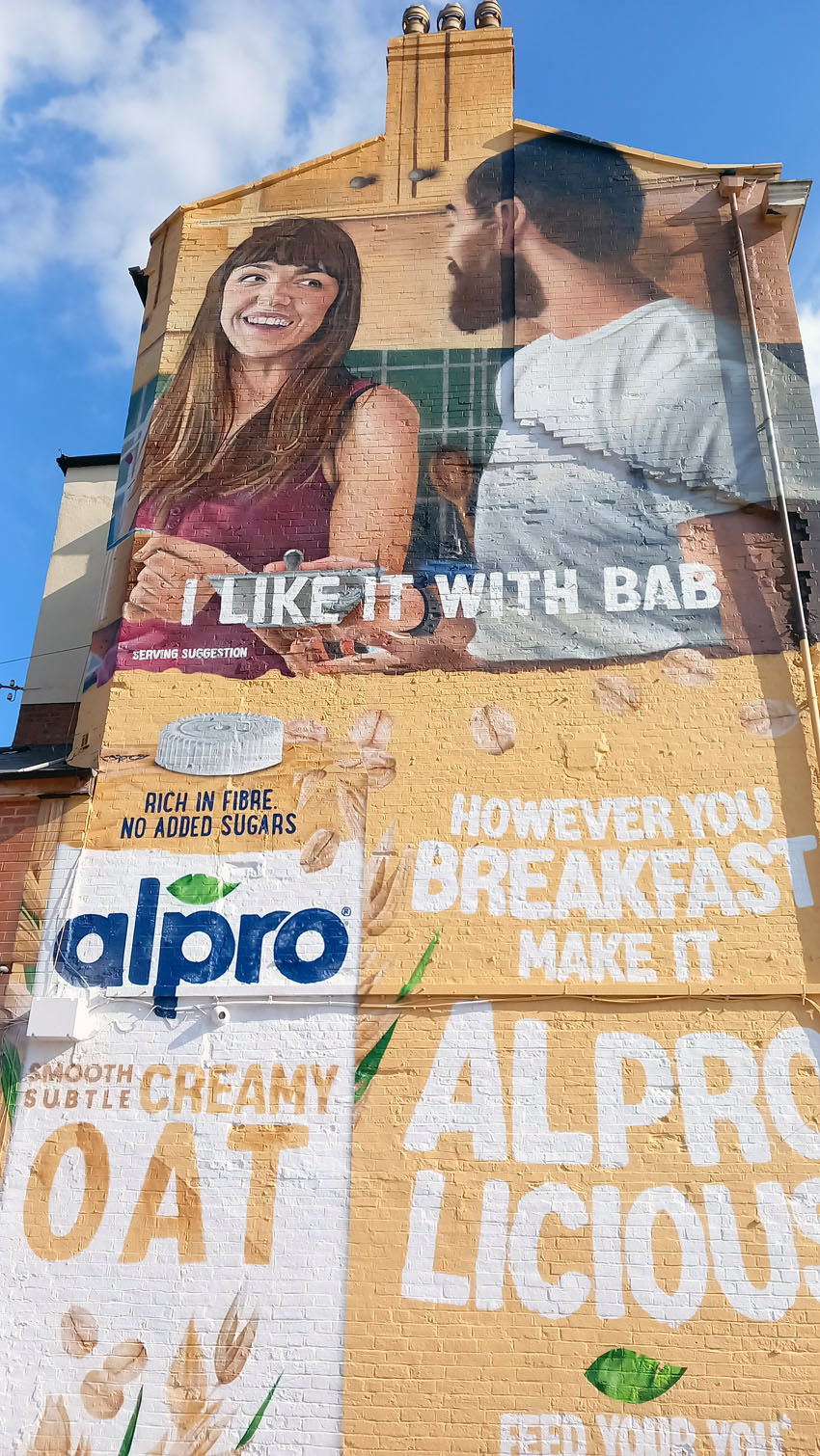
Dudley Ay It

We were driving home from North Wales, and it is a long way to East Anglia from there. So we were looking for a break in the journey somewhere: a place to rest overnight before A14-ing onwards to Norwich? While it might not be everybody’s destination of choice, Dudley, de facto capital of England’s Black Country, has some points in its favour, its West Midlands location midway between coasts being one of them. Besides, I wanted to have a look at Wren’s Nest, the geopark on the town outskirts, where all manner of weird and wonderful fossils from the Silurian period might be found.

I had been here before, several years earlier, a brief stop on a coast to coast pilgrimage that I wrote about in my book Westering. Back then I had passed through Dudley as I traced my way through the Birmingham – Black Country conurbation by way of its extensive canal network; an interesting route, although Venice didn’t spring very much to mind as I traipsed westwards through a decayed, post-industrial landscape.

I wrote then:

I arrived at a large, five-way roundabout and a dual-carriageway, which I followed further uphill towards Dudley Castle, which I could see, noble but not entirely fairytale, flying its flag on top of the hill ahead. The next roundabout held several large, Black Country-themed sculptures: a steel crucible, bronze cannon, heraldic lion and medieval plough. It looked as if Dudley was doing its best to make the most of its industrial heritage.  I wanted to take a closer look but was stuck on the wrong side of the dual carriageway with no safe means of crossing. Eventually, I spotted a footbridge ahead that conveniently led me straight to Dudley’s bus station at the foot of Castle Hill, an outcrop of the Wenlock Group limestone that had played a significant part in the town’s industrial development.

This time, coming from Wales by way of Shrewsbury and Telford, we came upon this same roundabout as we were driving around looking for the hotel we had booked for the night. Travelodge found, and bags deposited, we went off in search of food and drink. A peremptory Google search of the vicinity revealed a pub close to the castle that might be a possibility but when we arrived at the Fellows things didn’t look very promising. A tribute singer was belting out a cover of Red Red Wine by UB40 at deafening volume and the courtyard was packed with smokers who were intent on avoiding the aural onslaught inside. Besides, it was Sunday evening and the availability of lunchtime roasts had been and gone. It looked as if we would have to try elsewhere.

On the way up to the Fellows we had passed an even more unpromising establishment on Castle Hill, a single-roomed place that called itself the Star Bar, which resembled more a garage lock-up than a place for food and drink, although the former was clearly available as boisterous yam yam* voices echoed from behind it half-closed metal portal. Also on Castle Hill was a once-splendid Art Deco cinema that now served as a Jehovah’s Witness Kingdom Hall. Next door, a Tudor Gothic pile had similarly been converted to serve as a place of worship for the town’s Muslim community: Dudley Central Mosque. The building, I found out later, was Grade II-listed and had once been a school.

* yam yam = Black Country dialect
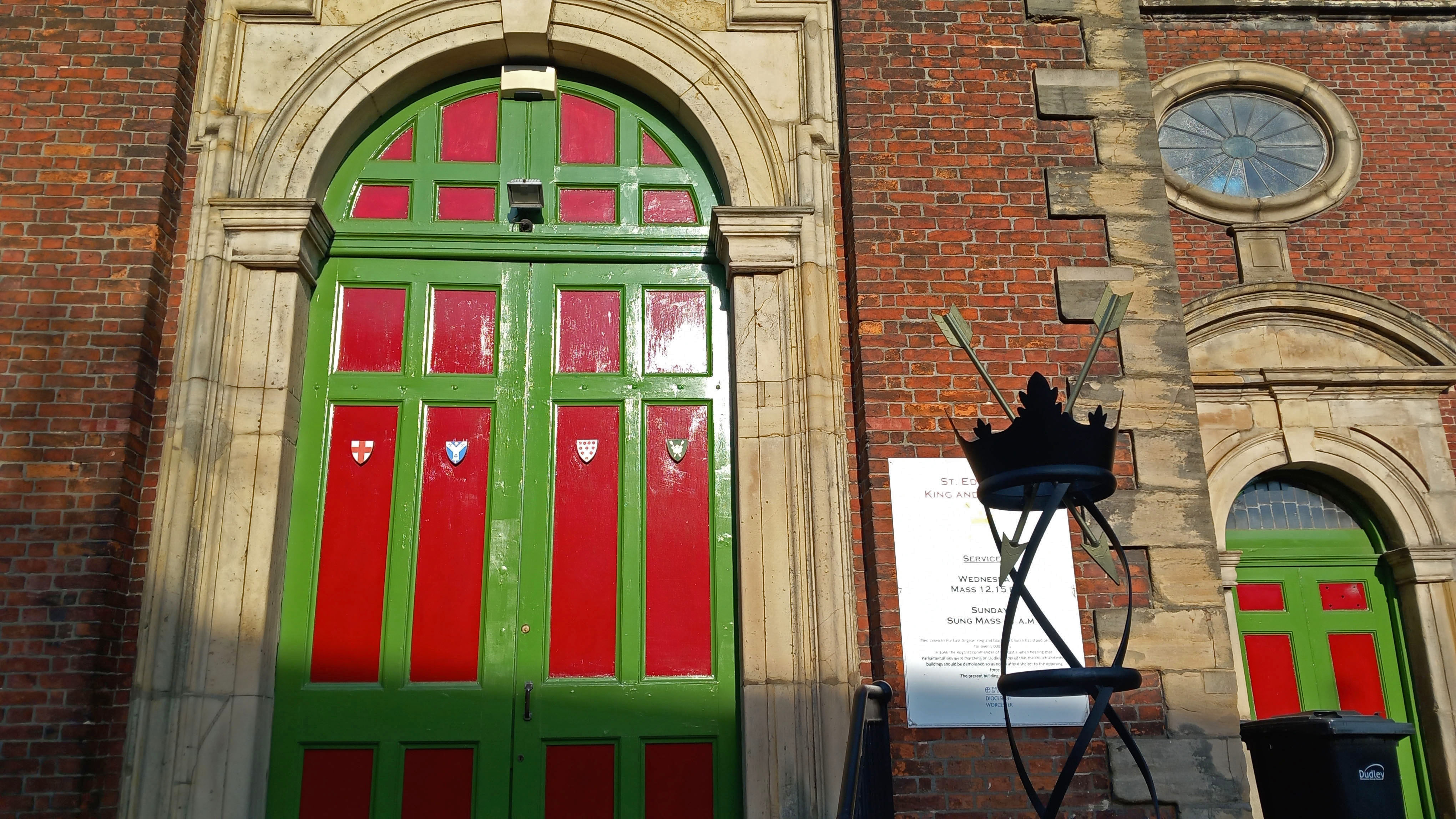
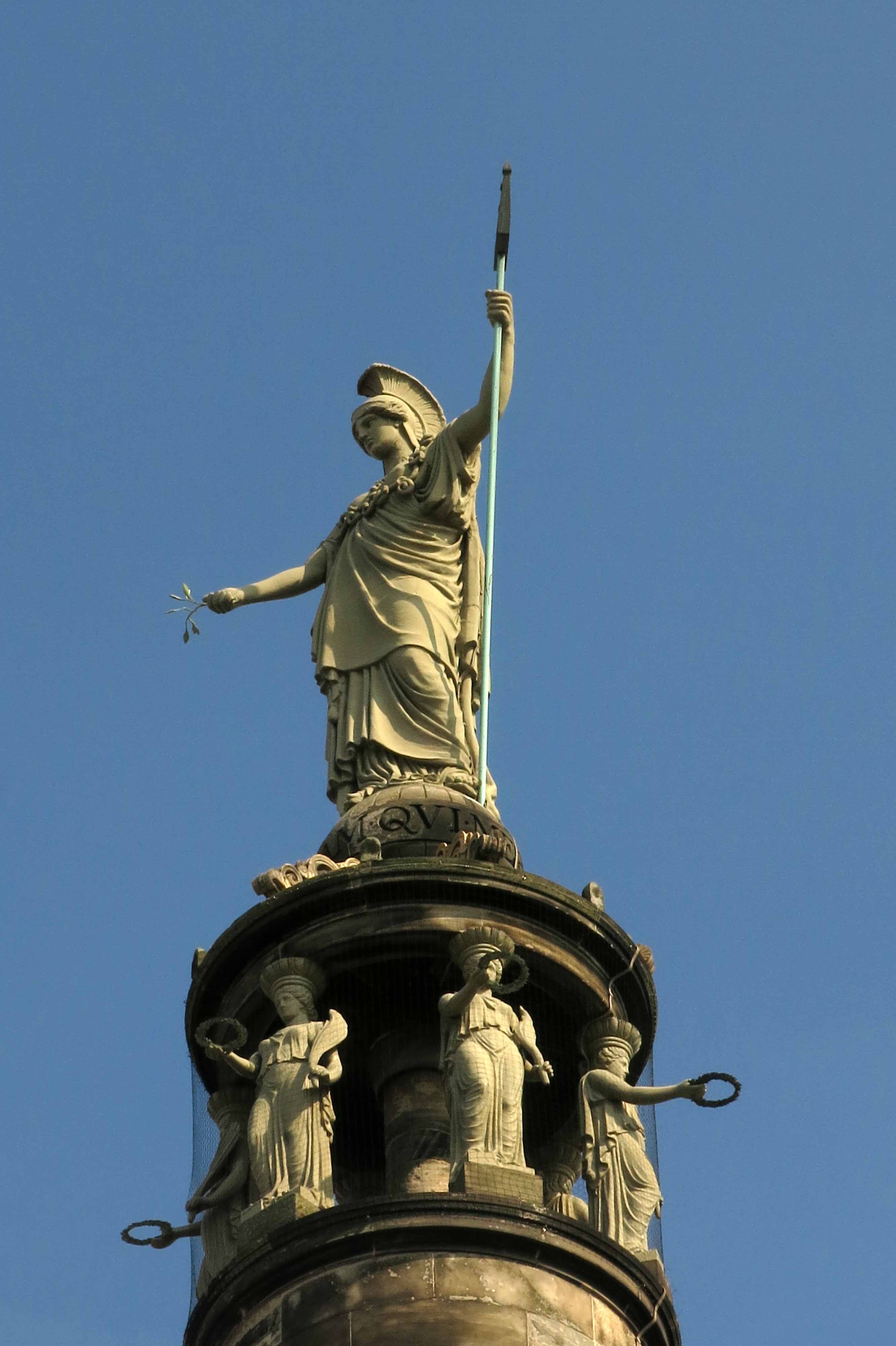
Across the road from the Fellows, a grand statue of the First Earl of Dudley stood at the top of the town’s pedestrianised shopping zone and market place. A little further on we passed St Edmund’s Church, an 18th-century replacement of earlier place of worship of Anglo-Saxon origin destroyed in the Civil War. To symbolise its dedication, twin crowns and the arrows of the saint’s martyrdom were on display in front of the church entrance.

This being Sunday evening, the area was largely deserted; its market stalls locked up, although some of the shop fronts gave the impression of having been closed up for some time. There were several interesting statues scattered about to restore some sense of civic pride. Most notable of these was that of local football hero Duncan Edwards. Born in Dudley in 1936, Edwards had been a Manchester United ‘Busby Babe’ and highly respected England defender before dying tragically, aged just 21, from injuries sustained in the 1958 Munich Air Disaster. Further down, just beyond the market place, was a life-size bronze statue of a top-hatted Victorian gentleman sitting on a bench: the poet Ben Boucher (1769 – 1851), who wrote ‘Lines on Dudley Market’, some of which were etched into the curved Portland stone bench. While Boucher lived a much longer life than the unfortunate footballer, the Dudley Poet’s own sad fate was to end up impoverished in the town workhouse.

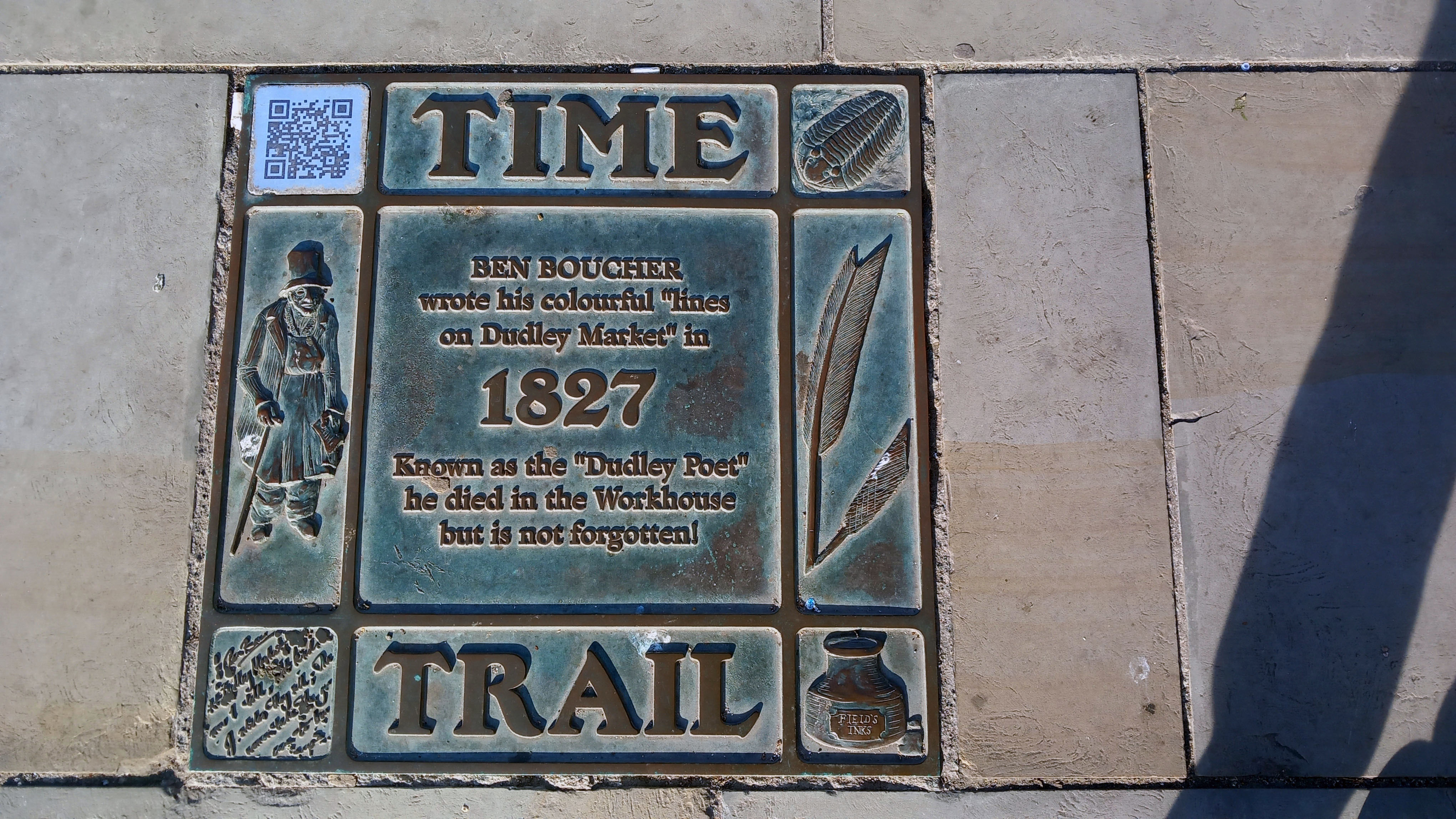
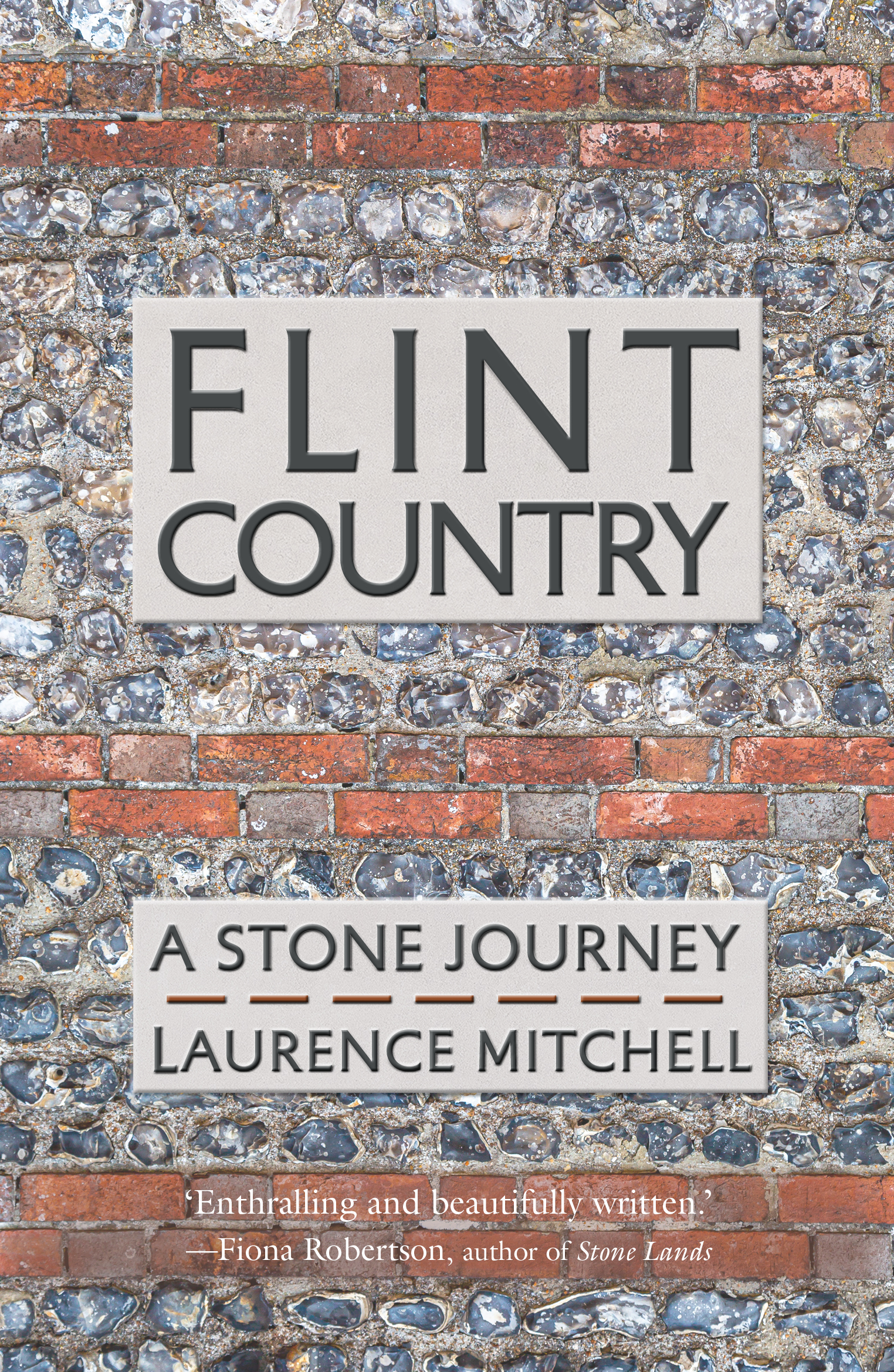
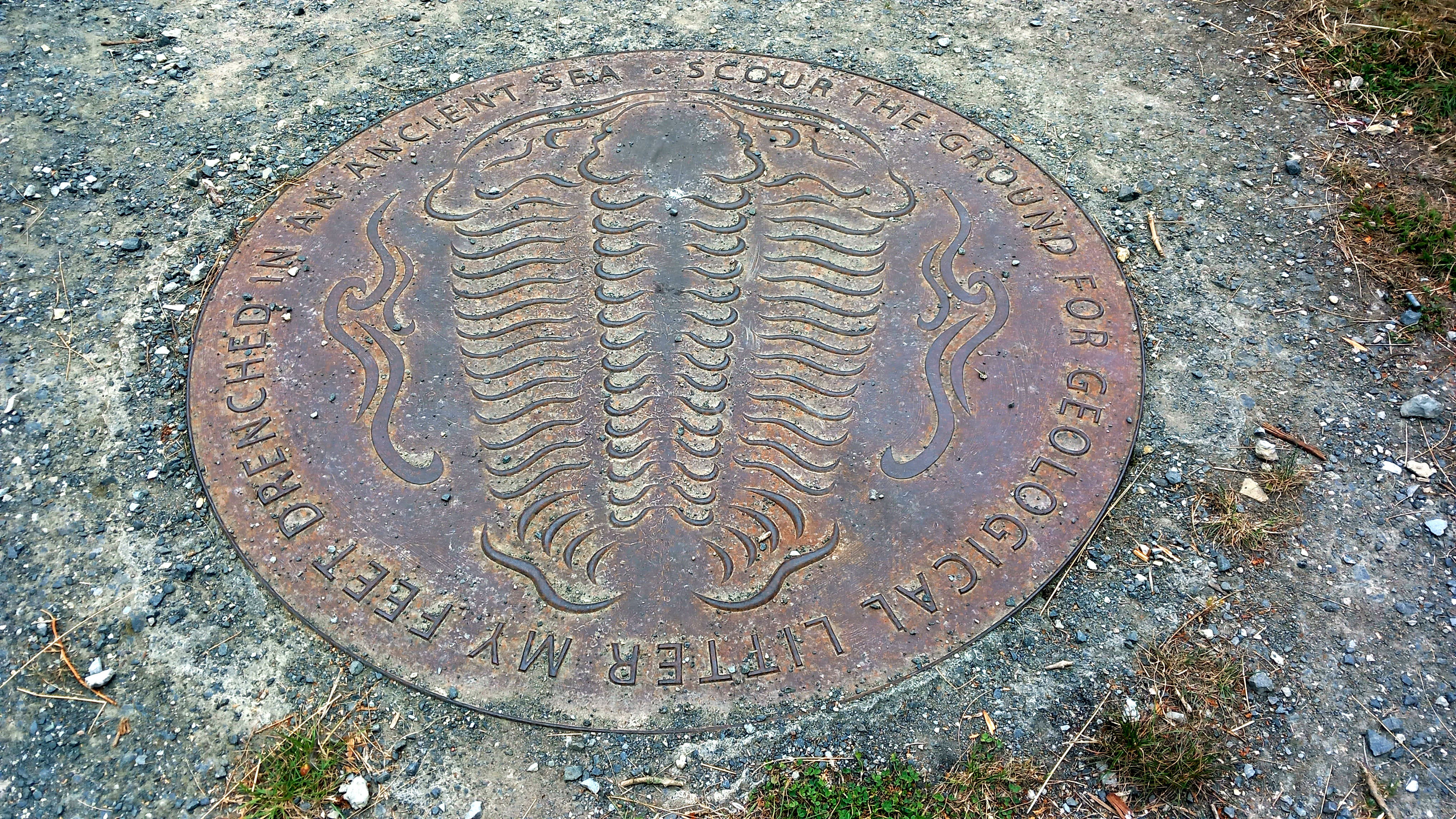
This brief glimpse of the town centre reinforced the impression I had taken from my previous visit: one of decline and closure, one of faded glory. The re-purposing of grand old buildings; the closure of town centre shops and department stores – out-competed ever since the opening of Merry Hill Shopping Centre at nearby Brierley Hill towards the end of the last century. Counter to this sense of decline were the upbeat Town Trail pavement plaques that told with pride the town’s unique geological and industrial history. It was here in the Black Country that the Industrial Revolution had originated and then swiftly gained momentum in the late 18th century. A serendipitous convergence of factors had come into play. The area had all the necessary raw materials – coal, limestone and iron ore. It had – or, rather, soon acquired – the labour, skills and engineering talent. It also had the means of distribution – canals, and later railways. It could even be argued that the Anthropocene – the recent epoch in which human activity has been the dominant factor in changing the world around us – began hereabouts. I touch upon this in the final chapter of my recent book Flint Country, where I write:

The precise date of its onset remains a matter of debate. James Lovecock, originator of the Gaia concept, claims that the Anthropocene started with the Industrial Revolution in the early nineteenth century, the period in modern history when the use of fossil fuels for manufacturing and transport got fully underway. Fine-tuning this connection between the dominance of human influence and technological progress, it could even be said that the Anthropocene began with the invention of Thomas Newcomen’s steam-powered pump, a machine first used to remove water from a coal mine near Dudley in the English Black Country in 1712.

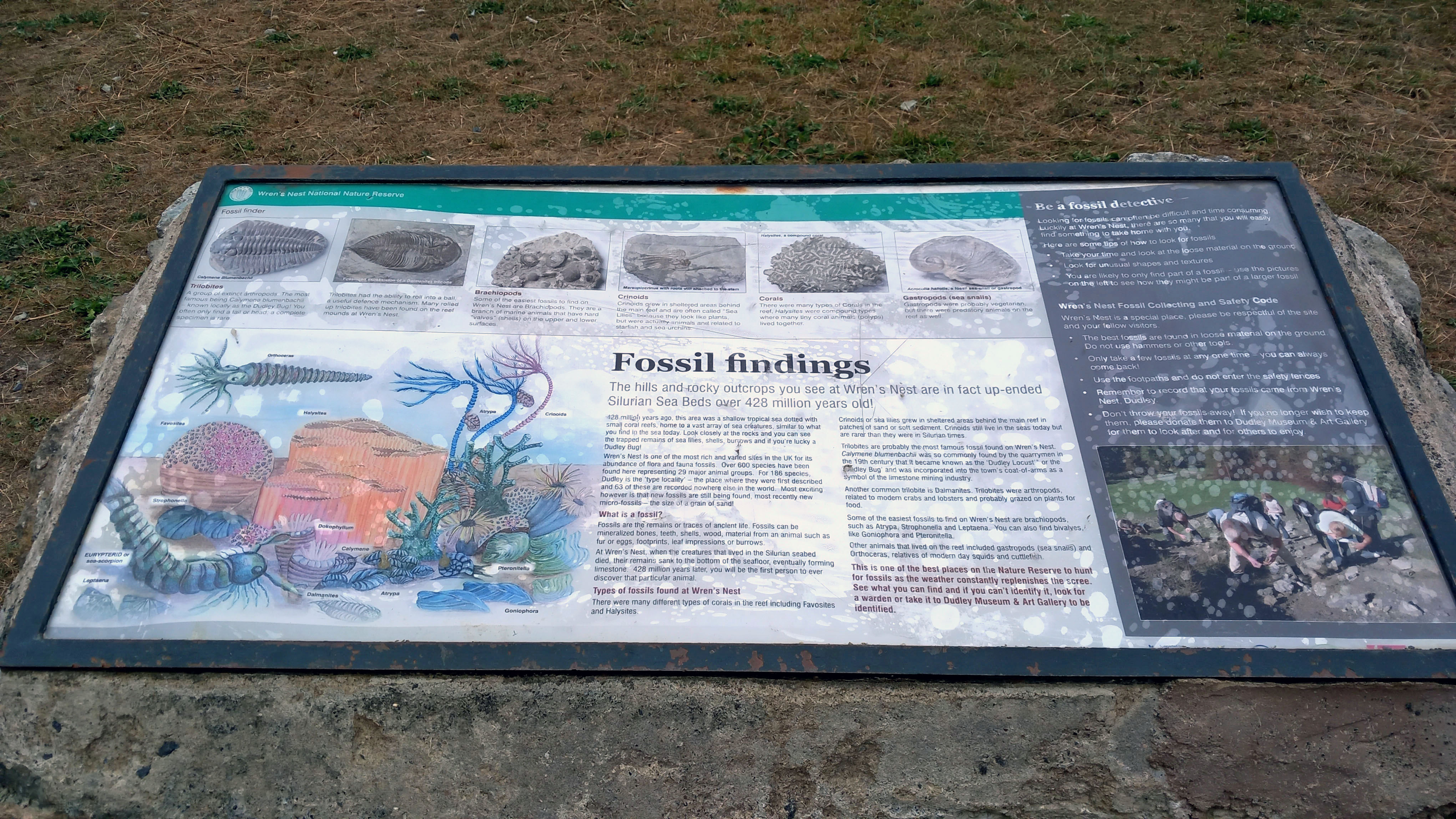
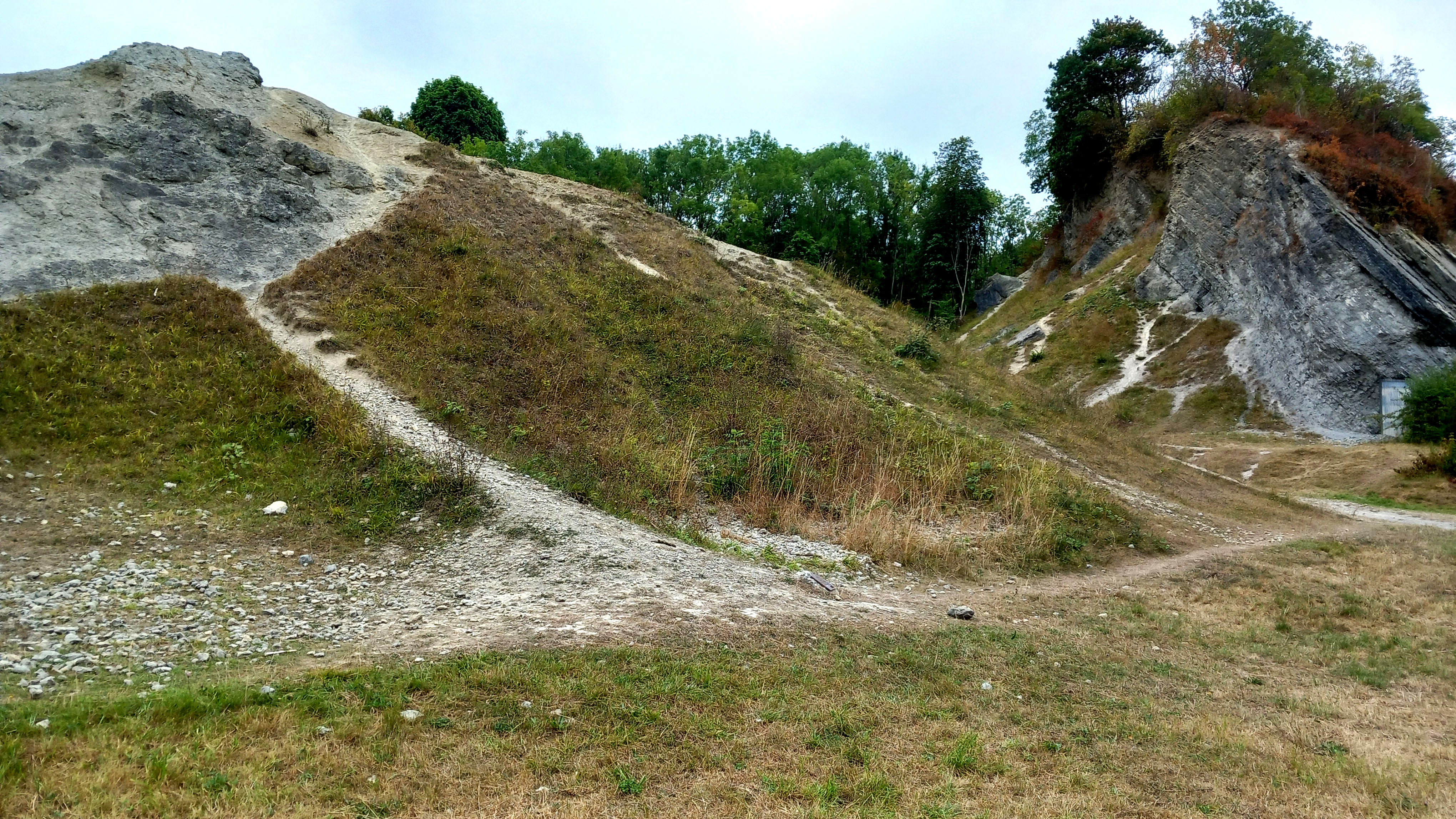
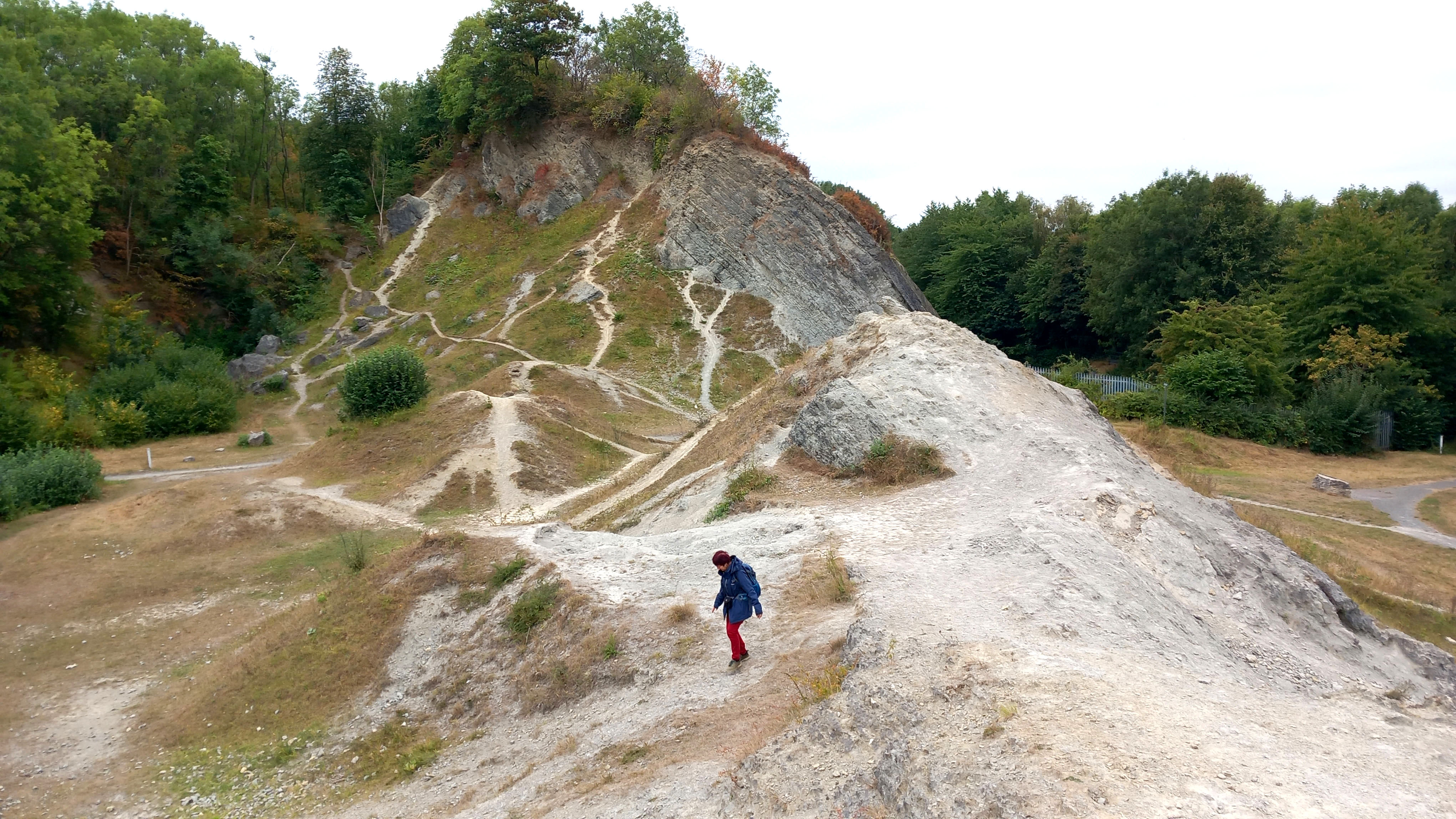
Next morning we made our way to Wren’s Nest, where I noticed that the suburban streets approaching the site had pleasingly apposite names like Silurian Mews and Fossil View. It was a grey, overcast, not-very-warm-for-August sort of day, and the site was fairly quiet apart from a couple of dog-walkers and kids on bikes. At the entrance, an information board gave us the lowdown on the site’s remarkable geological pedigree. Wren’s Nest is effectively a 428 million-year-old tropical seabed that was once covered by coral reefs and uplifted within the Much Wenlock limestone that gifted this region its industrial resources.

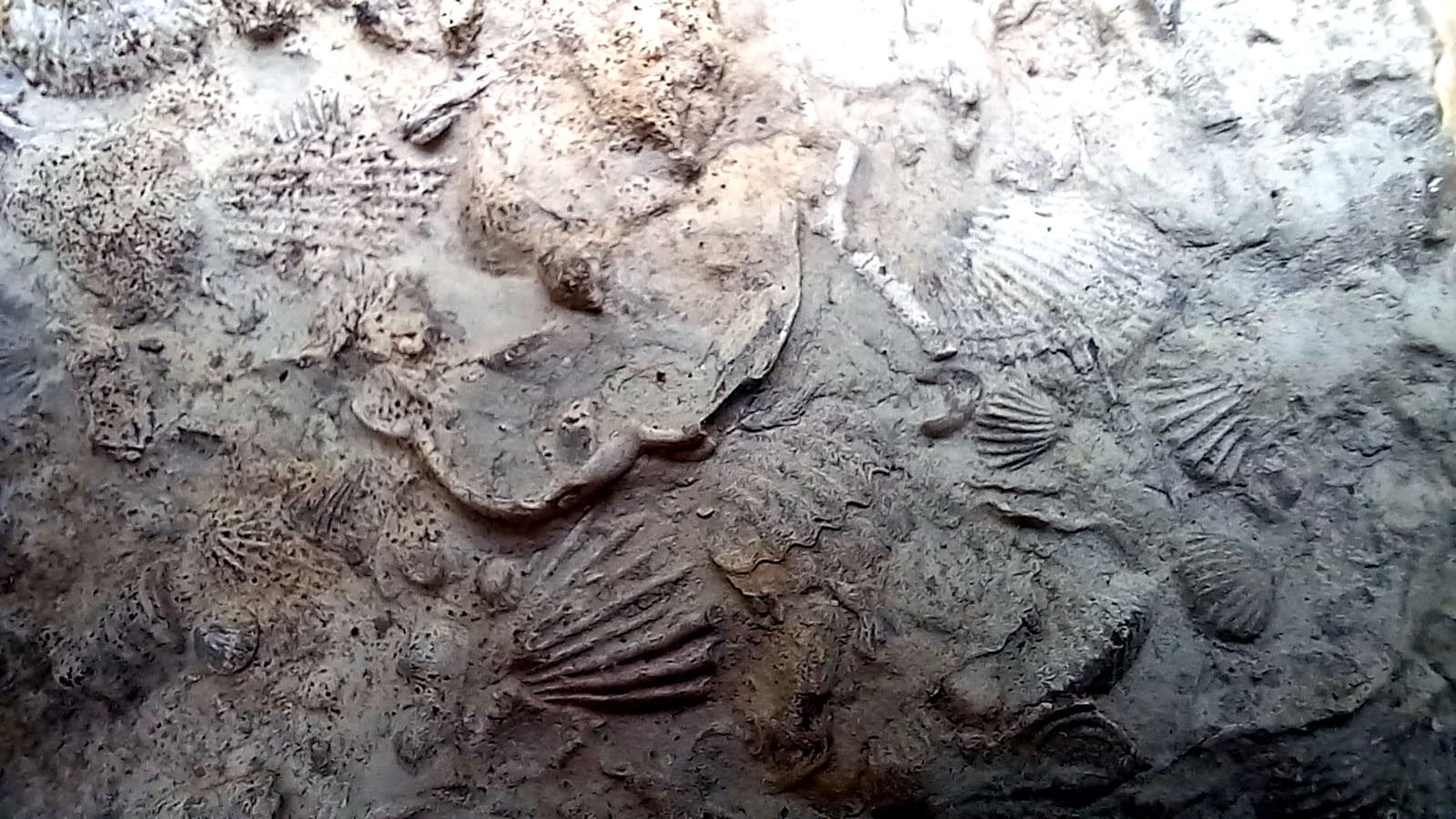
The prize fossil here is a species of trilobite, Calymene bumenbachii, known colloquially as the ‘Dudley Bug’, which looks like a scarily, super-sized woodlice, although it is more closely related to modern day crabs. To find one of these would have made me very happy but they proved to be elusive. What I did find after an hour and a half of turning over scree were several bits of coral and all manner of fossilised brachiopod shells. Best of all was a small flat piece of rock embedded with dozens of tiny shells: a fragment of ancient sea floor that revealed a microcosm of life 428 million years ago, a time when the existing continents were yet to separate and the territory of what would become the British Isles lay south of the Equator. To contemplate such scales of time and distance takes the breath away. William Blake wrote of seeing ‘the world in a grain of sand’. Here you could see a long-vanished world in a small piece of rock.
We left the car park and drove northeast through Tipton and Wednesbury to reach the M6 with its relentless parade of thundering traffic. It was a timely reminder that we were now firmly back in the age of man and machine, the Anthropocene. In comparison with the aeons that had passed since the fossils of Wren’s Nest were deposited at the bottom of a tropical ocean, the 19th-century heyday of the Industrial Revolution in the Black Country with its smoke, red-sky furnaces and metal-clanging workshops was as if just yesterday.
The Ghost of a River – The Walbrook

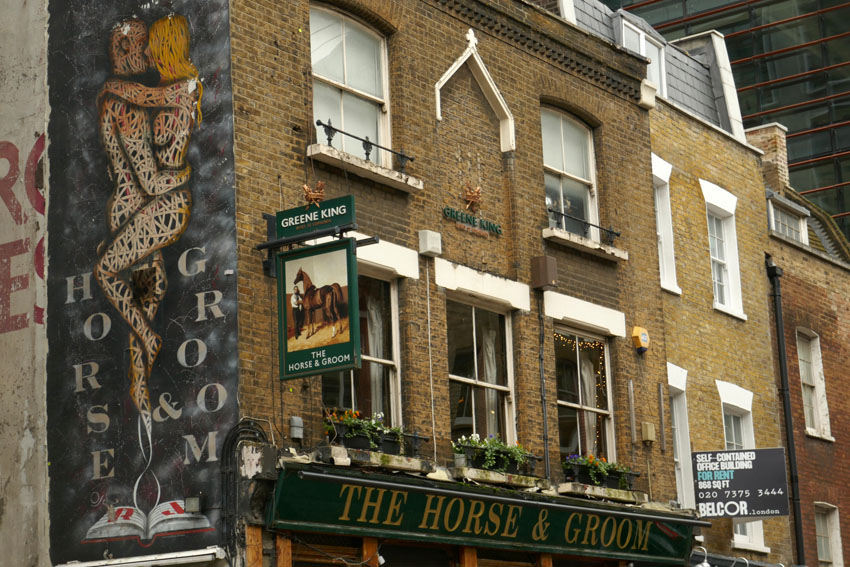
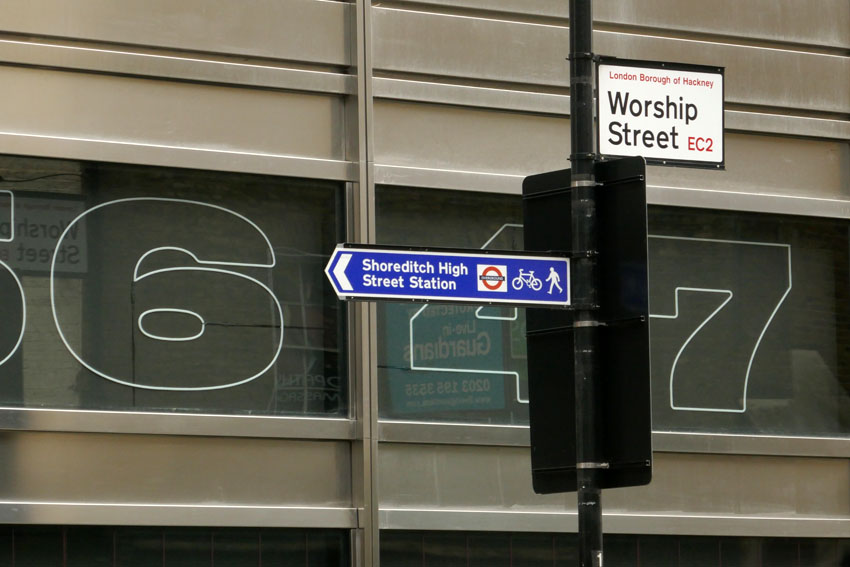
Of all London’s lost rivers it is the Walbrook that is the most irrefutably lost: lost to time, lost to place… well, almost. An important source of water in Roman times, when its banks were lined with the workshops of Roman industry – tanneries, potteries and glass workshops – the river has not been visible on the surface since the 15th century when the last open sections were vaulted over. Ghosting the boundary of Roman London, its confluence with the Thames lay close to what is now Cannon Street Station Bridge. Where the Walbrook began is less certain, although what is clear is that its course flowed between the City of London’s two principle hills – Ludgate and Cornhill. Some say its source was a spring close to what is now Shoreditch High Street, while others point to higher ground at Islington.

Lost to time, perhaps, but there clues to place – in street names, in signs, in places of worship, in the Roman street plan. The walking route tracing the Walbrook’s course that I describe here is faithful to that given in Tom Bolton’s excellent London’s Lost Rivers: a Walker’s Guide Volume 1.

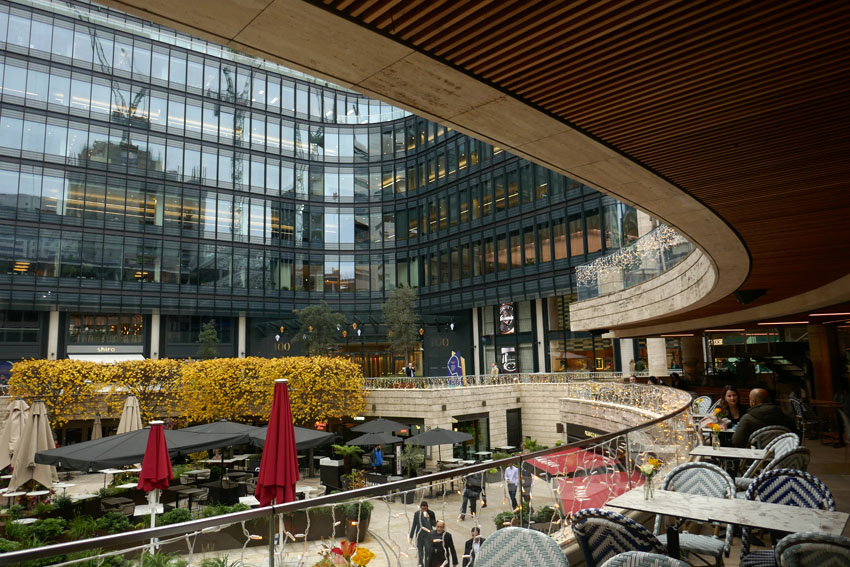
I begin on Curtain Road that runs south from Shoreditch. Holywell Road that abuts it to the east is an intimation of the location of the aforementioned spring. Curtain Street leads to Appold Street and through Broadgate Circle, an upmarket shopping and leisure hub that until 1984 served as a railway station and which was formerly a burial ground for the Bethlehem Royal Hospital, better known as Bedlam.  It also served as a mass grave for victims of the various bubonic plague outbreaks in pre-Fire London – grim, no doubt, but dig down almost anywhere in central London and you will find human bones sooner or later. The River Walbrook would have passed through here before flowing along what is now Bloomfield Street to reach the Roman-built London Wall, which served as the boundary of the City until the 18th century. The Walbrook is believed to have flowed through a hole in the wall at an aqueduct close to where Bloomfield Street meets the Wall.

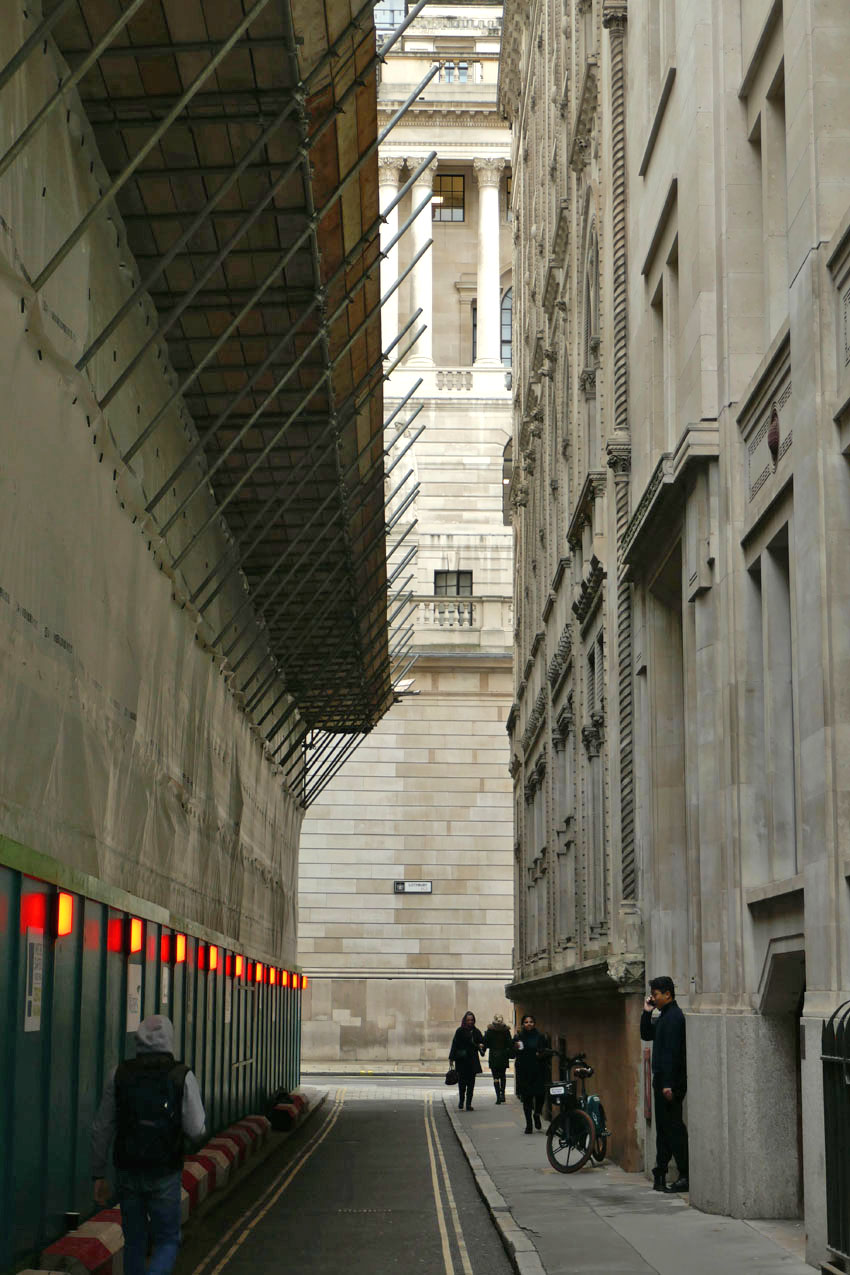
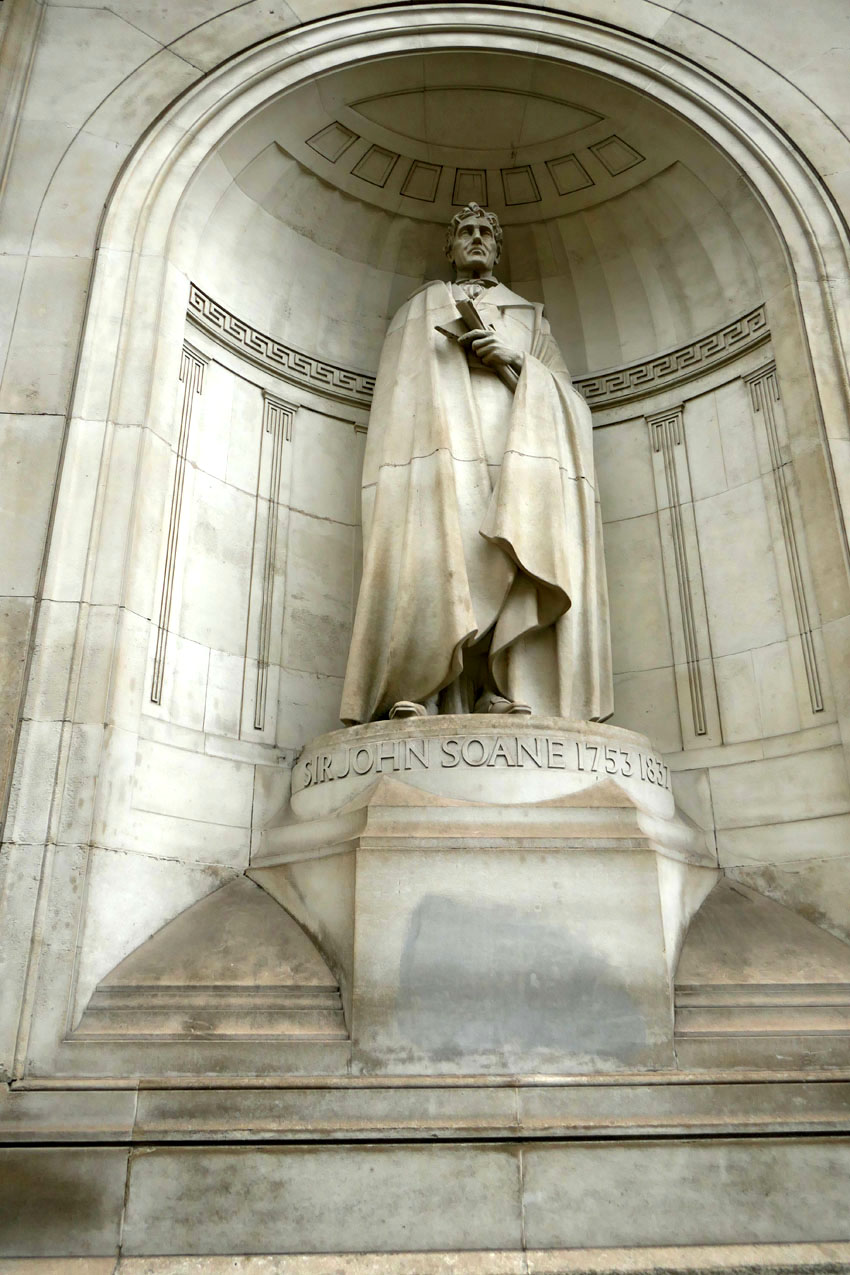
Channelling the disappeared river, I pass through elegant iron gates of the Wall into Throckmorton Avenue, then turn right and left into an alleyway opposite a barber’s shop that seems incongruous amidst all this high-rise estate of capital. But even financiers need to be shaved and shorn occasionally – sharp haircuts and a regular supply of barista coffee are the basic necessities of life in the City. The alleyway leads into to the narrow passageway of Tokenhouse Yard, at the end of which is the reflected light of the north wall of the Bank of England, the building’s Portland stone preternaturally aglow in the gloom of an overcast November day. The magnetic pull of capital here is almost spiritual: money buys, Jesus saves, sinners spend. Sir John Soane, the Bank of England architect, surveys the scene from his statue recessed high into the wall, while the ghost of the river traverses beneath the building, symbolically moistening – perhaps laundering – the horded lucre in the vaults beneath.

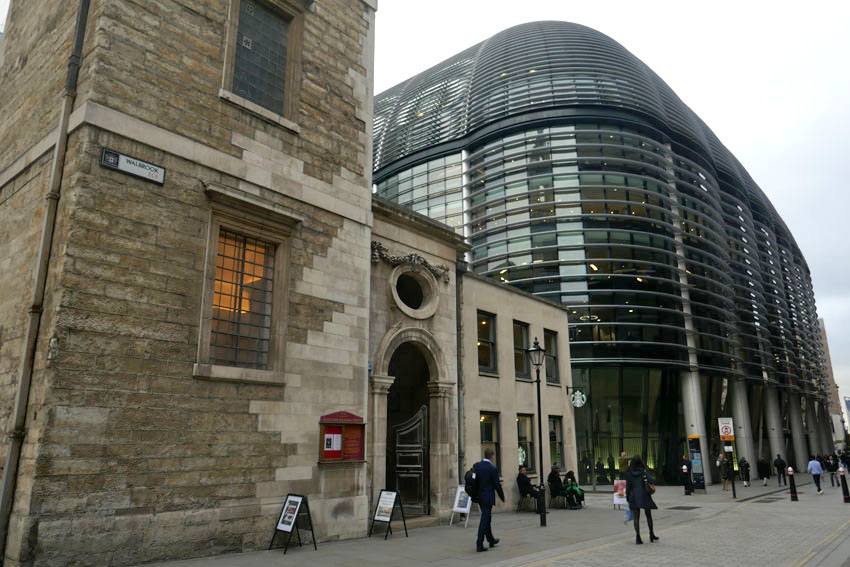
Riverwards, beyond the Bank, lies the Church of St Stephen’s Walbrook and a street of the same name. The elusive river is acknowledged at last. The church, originally situated on the bank of the Thames, was moved here in the 14th century. The Walbrook would have flowed just west of here. The street is dominated by the block-length, Norman Foster-designed Bloomberg building, which has an undulating profile that hints at the vanished river. On its ground floor, an etched glass door leads into the London Mithraeum, a museum dedicated to the Mithras temple that once stood on the banks of the Walbrook nearby. A place where Mithras and Bacchus were once worshipped by Roman soldiers, Mammon has since taken over as chief deity on this patch of expensive real estate.

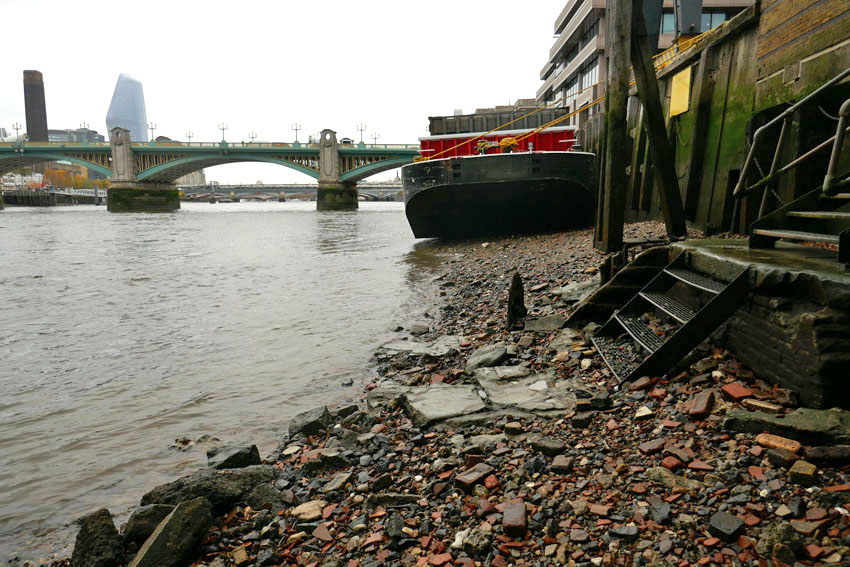
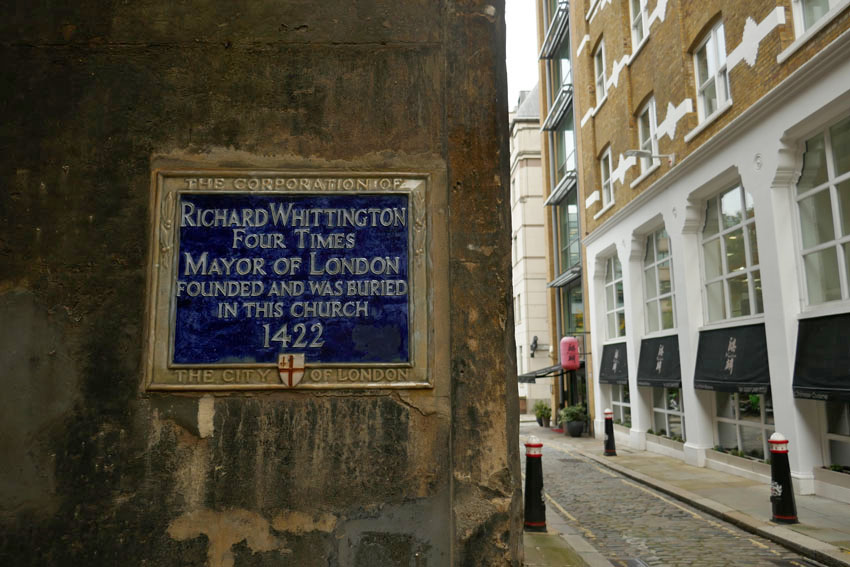
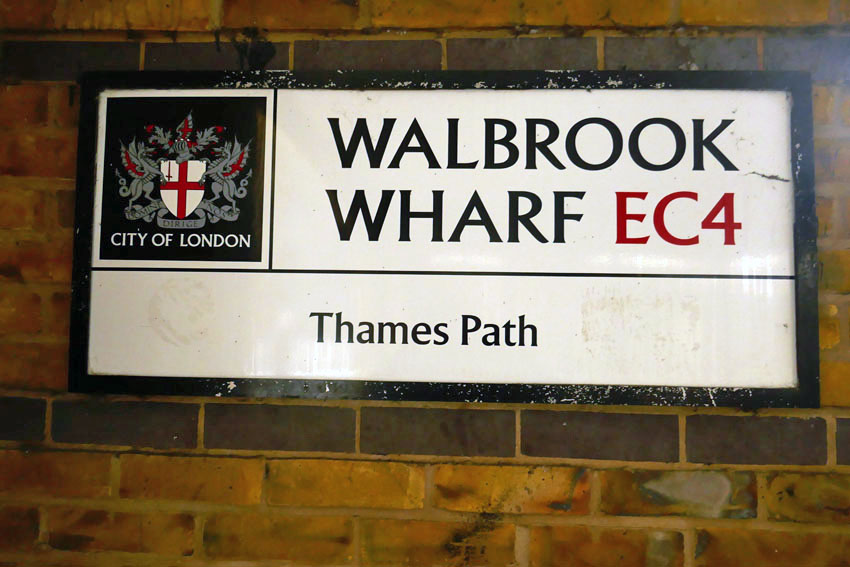
Just south of here, within sight of Cannon Street Station, is the Church of St Michael Paternoster Royal. Alongside are Whittington Gardens, named after the famous cat-loving, four-time Lord Mayor of the city who is buried here. This was the original location of confluence of the Walbrook with the Thames – the mighty river has shifted south in the two millennia that has passed since Roman times.  Upper Thames Street now flows with traffic where once the tidal river lapped. The modern confluence, theoretical as it may be, lies not far away along Cousin Lane, a narrow street that traces the long wall of Cannon Street Station down to the railway bridge over the Thames. Here there is a pub and steps leading down to the water. There is also a river path that leads west along Walbrook Wharf, where black barges lie tilted on the shore awaiting the incoming tide.  

The tide is out and so I descend to the beach, which is covered with assorted pebbles, water-blunted bricks and a few rusted scraps of iron. Scattered among the pebbles, a small piece of pottery reveals itself at my feet – curved, brown; reassuringly rustic. Roman? Who knows, probably not, but somehow it feels right. A votive offering – it marks the place where London began.

Ghost Factory

Much of the fabric of Birmingham’s history is, like the city’s modest river, the oft-culverted Rea, half-hidden or tucked away from sight. Occulted beneath flyovers and underpasses, the city’s past flows sluggishly beneath redundant factories and car parks. Unconvincingly disguised, and with the vaguest hint of rusting metal, it escapes as vapour from drains and manholes. It goes with the territory: this is a city where there is a strong tendency for destroying evidence of the past, of knocking things down only to build them again in rearranged form. As the city’s coat of arms proclaims in its simple motto, it is the Birmingham tradition – ‘Forward!’ The subtext is ‘Don’t Look Back!’ The past is bulldozed. Even so, modern high-rise Birmingham, brash and shiny though it may be, is replete with ghosts of the past, of industry, of once busy factories and workshops. The whole city is a ghost factory.

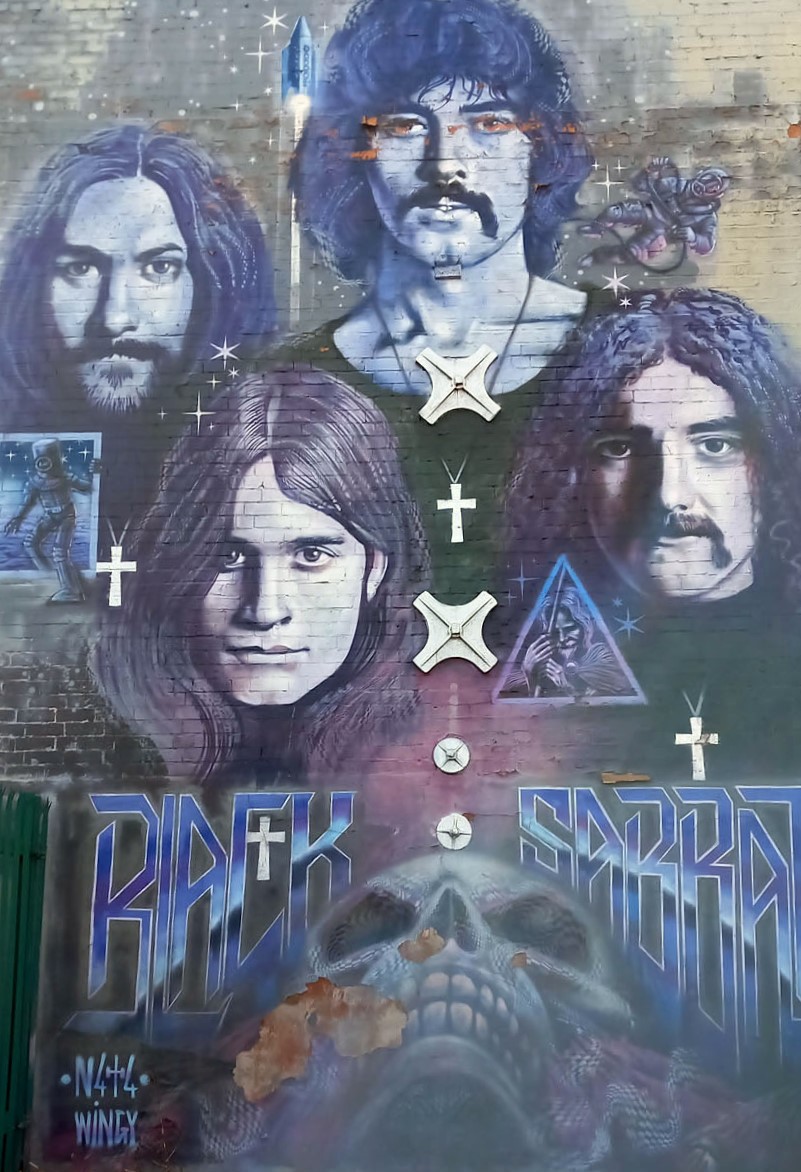
 These days there is a new-found reverence for some of Birmingham’s more iconic anti-heroes.  Peaky Blinders with its skewed myth-making has afforded the city some retro-gangster glamour, while established city brands like Black Sabbath have become the stuff of legend. Now there is even a Black Sabbath Bridge on Broad Street spanning the canal, where the likenesses of Aston’s own heavy metallists – Geezer, Bill, Ozzy and Tony – are immortalised on a bench (iron, naturally). Who’d have thought that in the halcyon days of my Birmingham Town Hall gig-going youth it would be faux-demonic Black Sabbath who would be chosen as the musical emblem of the city? My money would probably have been on the Moody Blues or Roy Wood.

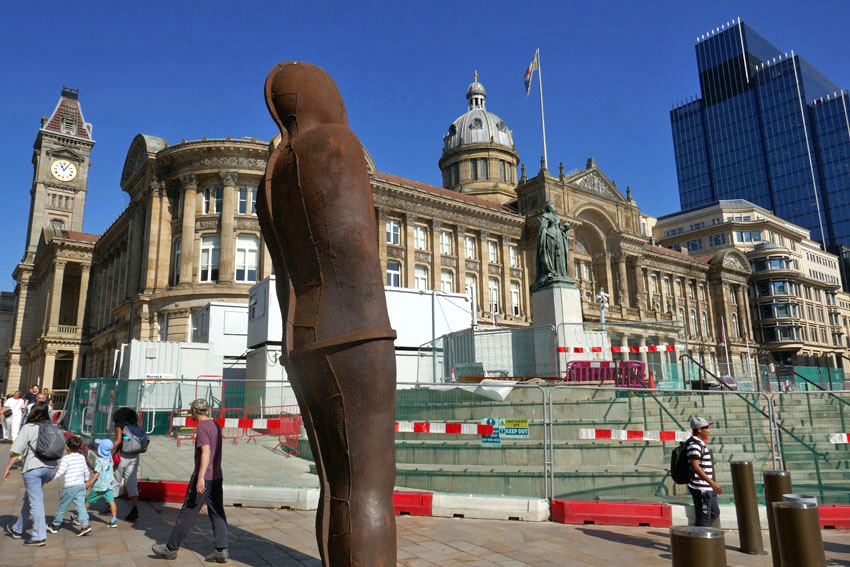
In Victoria Square, the neoclassical Town Hall is just as I remember it, all pale stone and Corinthian columns, but its immediate surroundings have changed dramatically in recent years. A tram line now passes in front of it that follows a route through the Black Country to Wolverhampton, somewhere that seems exotically distant from this city centre ground zero. Between the town hall and the tram tracks stands Antony Gormley’s Iron:Man, a six-metre-tall leaning metal figure that pays tribute to Birmingham’s erstwhile industry, its original heavy metal heritage.

Head downhill from Victoria Square, past the stainless steel, baking foil roof of New Street station, past the aluminium-disc-clad blobitecture of Selfridges, through the Southside district and the areas that are now marked on maps as Gay Village and Chinatown. Soon you’ll arrive at the former industrial district of Digbeth, which nowadays is probably the closest thing Birmingham has to a Bohemian quarter. This part of the city is actually the oldest quarter, the location of the original Saxon village at a ford on the River Rea, around which the satanic mills of Victorian Birmingham would later cluster.

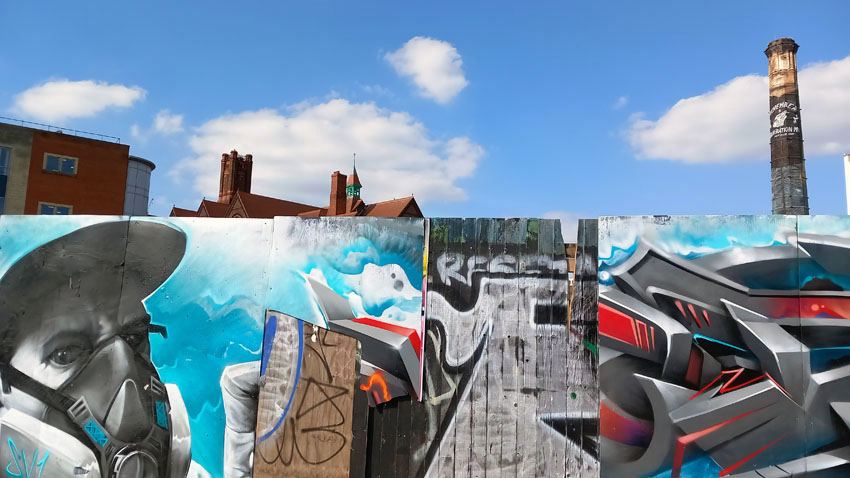
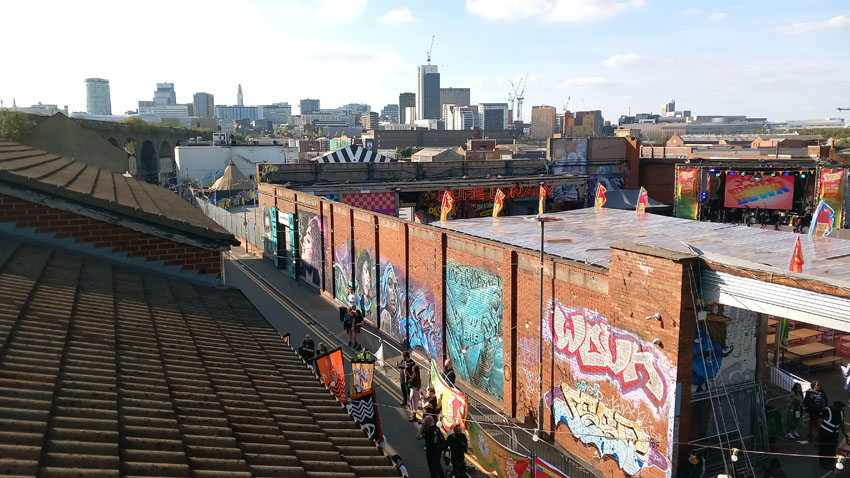
Digbeth High Street is in a state of flux, one side of it enclosed in chain-link. Gentrification might be too strong a term, but Digbeth is undergoing change: empty factory sites are being cleared to await new development. Tram tracks are being laid down; pavements are being widened and made pedestrian-friendly, flower beds are being set out awaiting planting. The side streets that slope down beneath the railway arches are lined with one-time industrial buildings that have morphed into event spaces – ghost factories stand at every corner. The wall murals that abound have already been here long enough to develop a patina of age. As I wrote in an earlier post, the transformation has already been going on for several years.

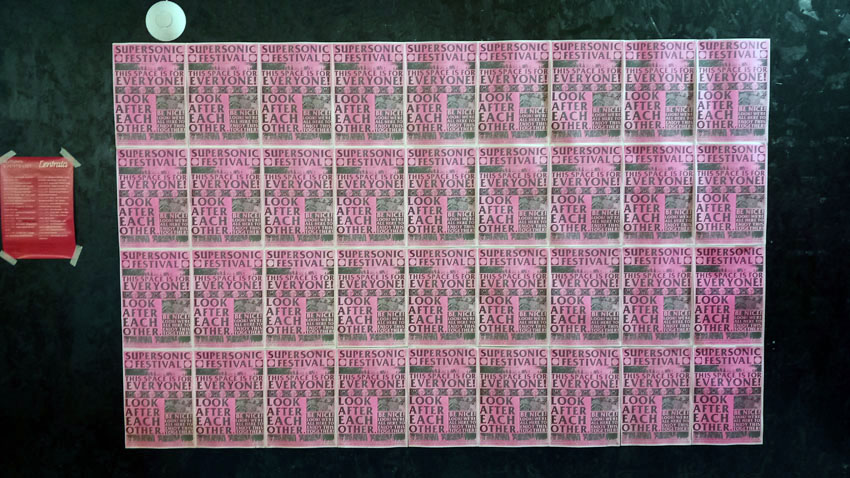
Digbeth is the location for Supersonic, an annual festival of experimental music that celebrated its twentieth anniversary this year. Supersonic is by no means a heavy metal festival but the spirit of Black Sabbath permeates like a benign, if mischievous, presence. Performances take place in two neighbouring buildings, one of which served as a warehouse in a previous life. Dark clothing is almost de rigueur, as are Sunn O))) T-shirts. Light-hearted doom is perhaps the oxymoron that best fits an atmosphere that I can only describe as feel-good apocalyptic. The music is loud but the mood is calm; the ethic is kind, inclusive and super-friendly. Perhaps it helps that this is Birmingham. Would it be the same in Manchester or London?

The Sunday night headliners Lankum play a glorious set of drone-laden alt-folk to an ecstatic crowd. Alternating between heart-rending murder ballads, frantic Irish jigs and dark sea shanties, the music veers from gentle to violent, from elegiac to almost frightening. In one of the between-song chats with the audience, guitarist Daragh Lynch mentions that he was delighted to discover that both of Sabbath bassist Geezer Butler’s parent’s were Irish and concludes from this that heavy metal must therefore be an Irish invention. We all laugh. But Birmingham, and especially Digbeth, did once have a sizeable Irish presence. It’s all part of Birmingham’s proud black, white and brown cosmopolitanism. The city was built on metal and people. Iron Man (Black Sabbath); Iron:Man (Antony Gormley) are both worthy tributes. While Birmingham’s iron has rusted to be replaced by stainless steel and aluminium, its people shine on.

Dungeness

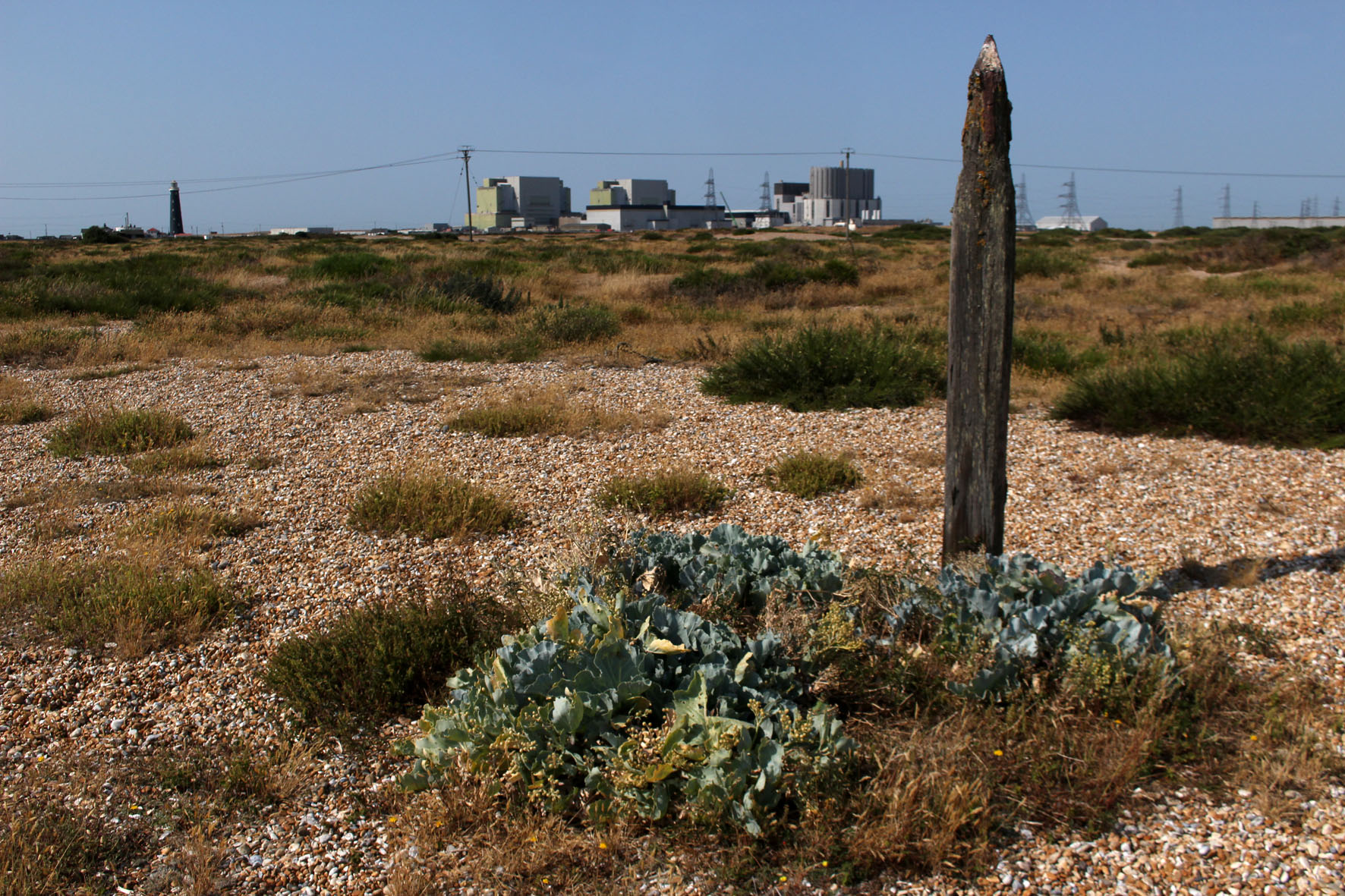
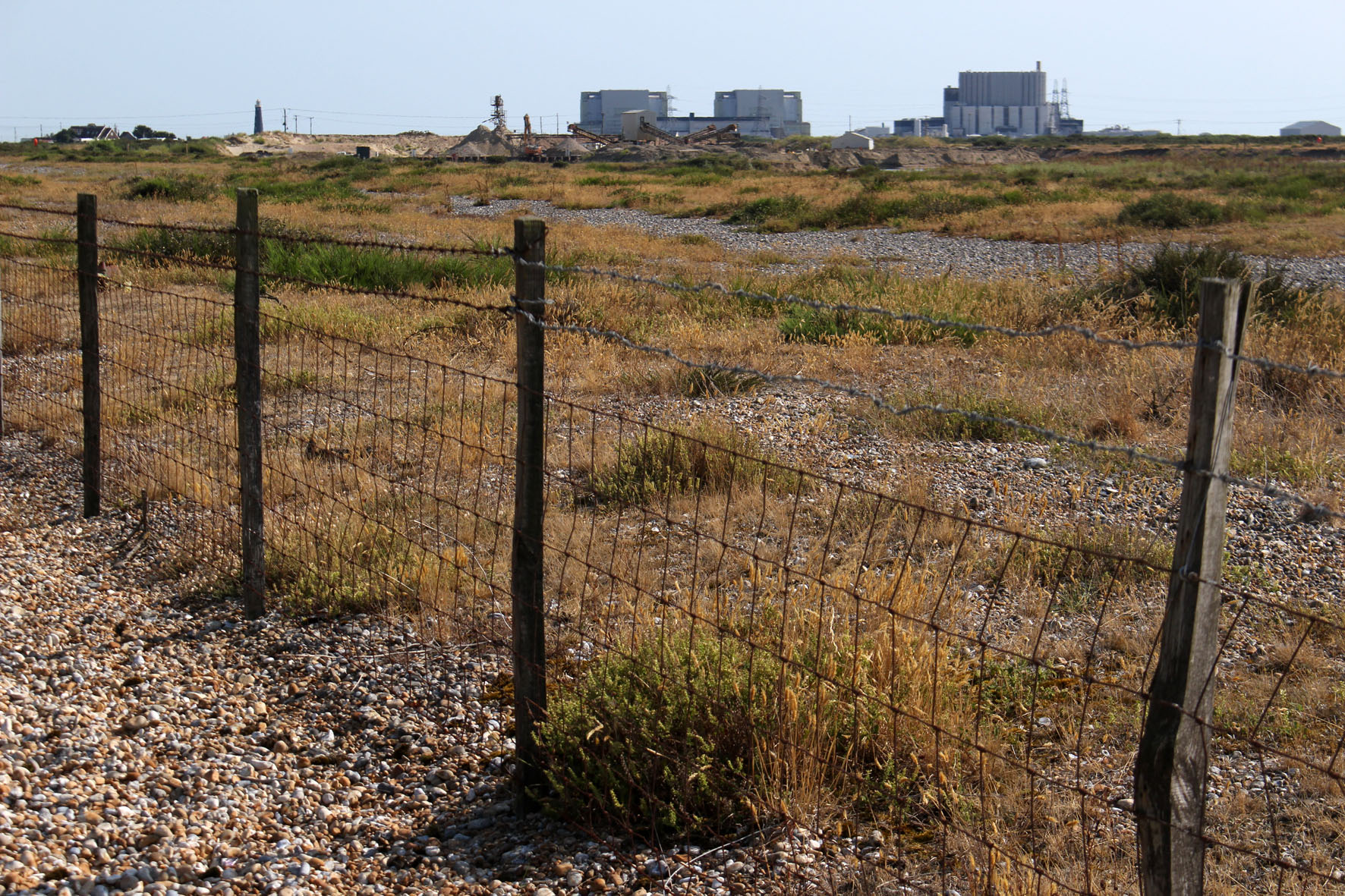
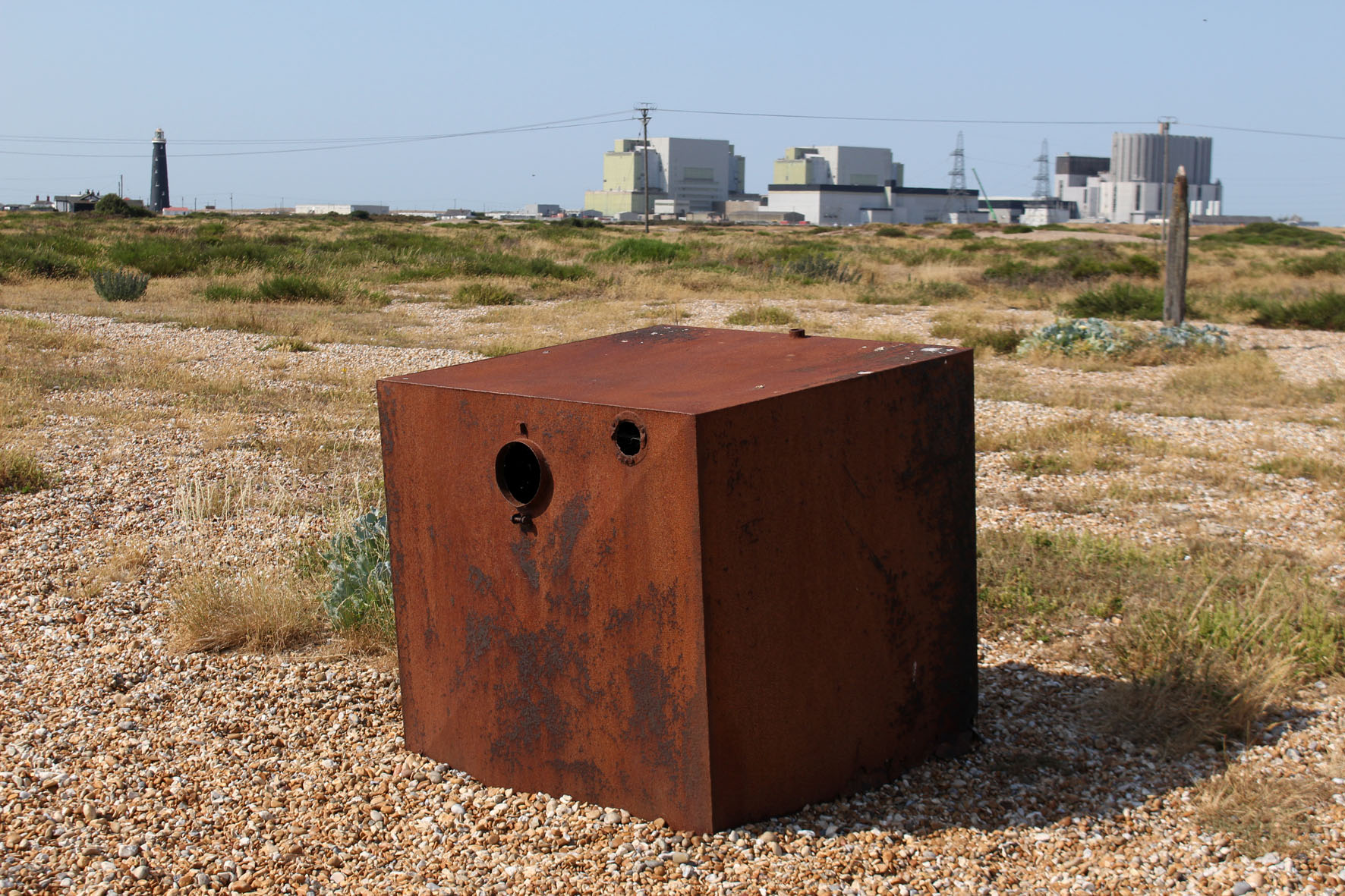
Now, with the promise of autumn in the air, it feels almost nostalgic to look back on those hot days of just two months ago: the end of July, record temperatures; the countryside baked and arid. A visit then, to Dungeness on the Kent coast, a headland jutting out to sea just to the east of the Sussex border. One of the largest expanses of shingle in Europe, it is a fabled place. Hitherto unknown, my only reference points are those places closer to home like Norfolk’s Blakeney Point and Suffolk’s Sizewell and Orford Ness where, until recently at least, there was a lighthouse. Dungeness, I learn, has two – an old and a new; like Sizewell, there is a nuclear power station. Like both, there is shingle galore.

The modern mythology of Dungeness precedes it. Much of it is connected with the filmmaker Derek Jarman, who lived here in a fisherman’s cottage in the 1990s. We arrived on what was predicted to be the hottest day on record and stayed overnight at a B&B on the coast road at nearby Lydd-on-Sea. The shelved beach was entirely of pebbles, nearly all flint, most of which were black although some were a warm shade of amber. I clambered awkwardly across loose, sun-blasted stones to take a swim, glad of the water’s relative coolness. The sea was tepid mulligatawny, warmed by the incoming tide flowing over hot pebbles. Across the bay lay the white low-rise of Folkestone, and beyond this Dover’s celebrated cliffs. Later, when the air cleared a little, we could see Boulogne gleaming across the Channel. Boulogne-sur-Mer: another country, closer here than even the horizon, although we, as a nation, were allowing it to drift from view. The water, the English Channel, had become both a salty barrier that kept us apart us as well as a fluid channel that connected us. The French, always better dressed, call it La Manche, ‘the sleeve’. Language has its own agenda; language slips from tongues and connives to confuse – La Manche: c’est la mer. La Manche: c’est le mur. La France: c’est l’amour.

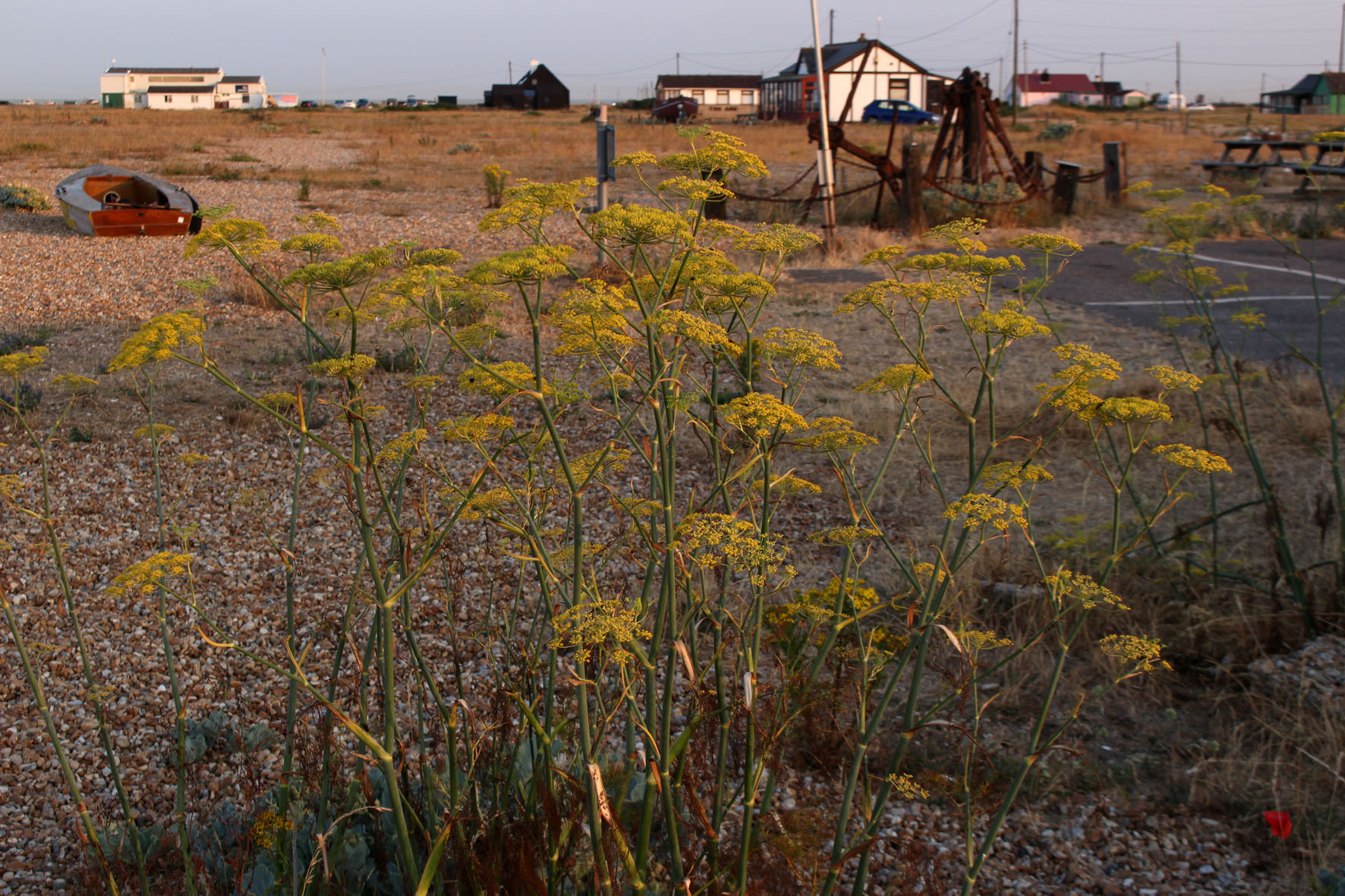
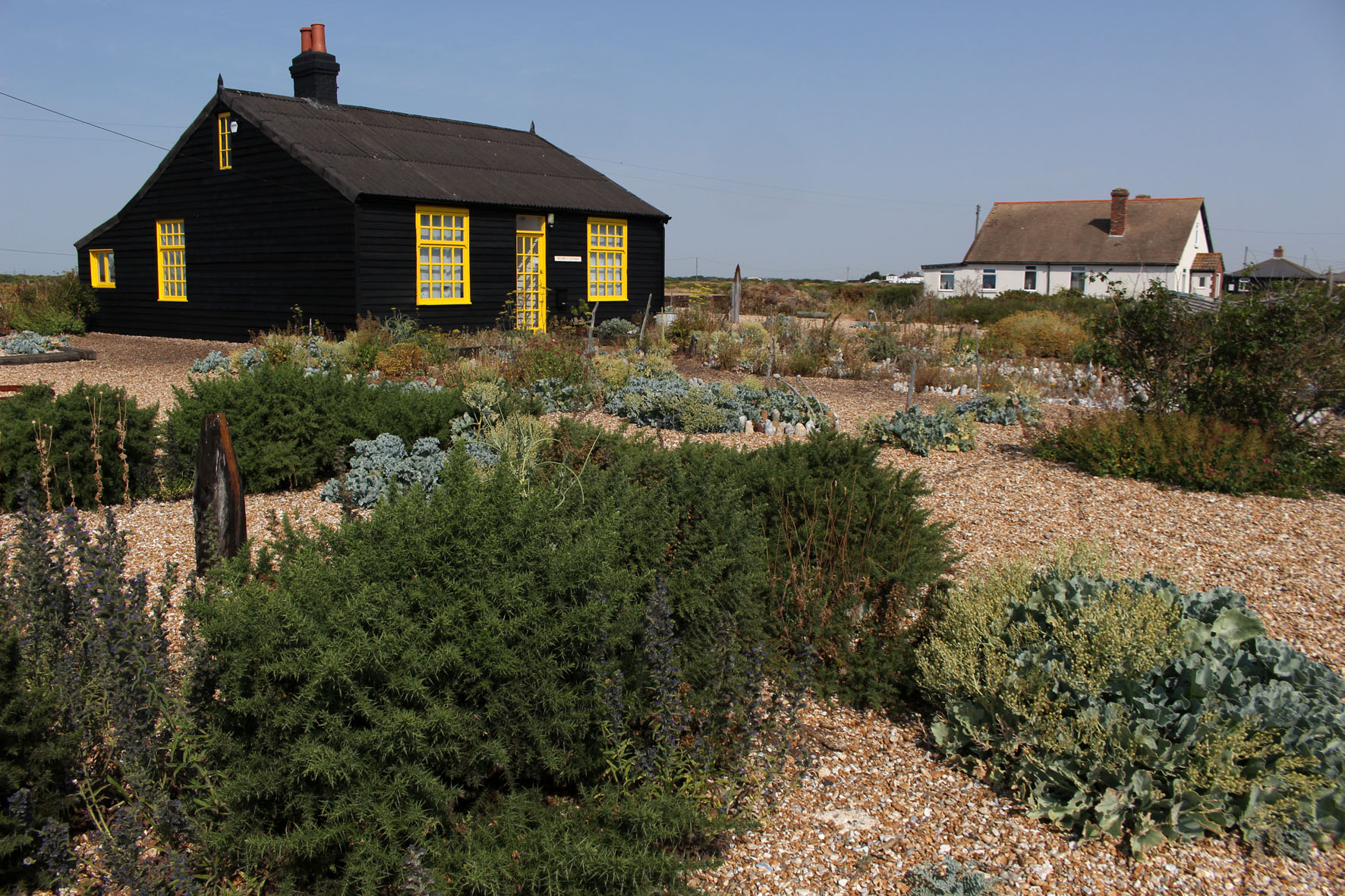
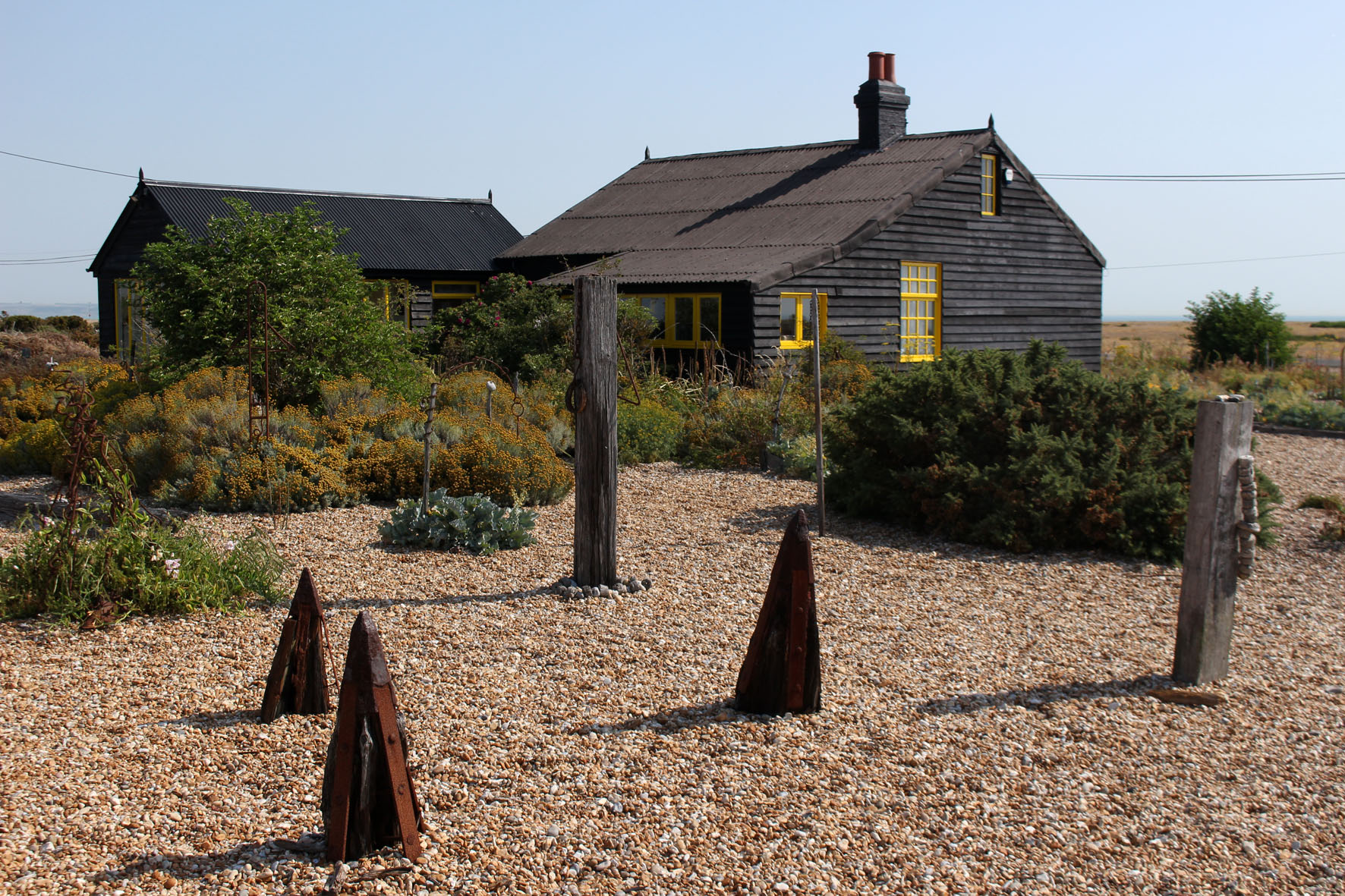
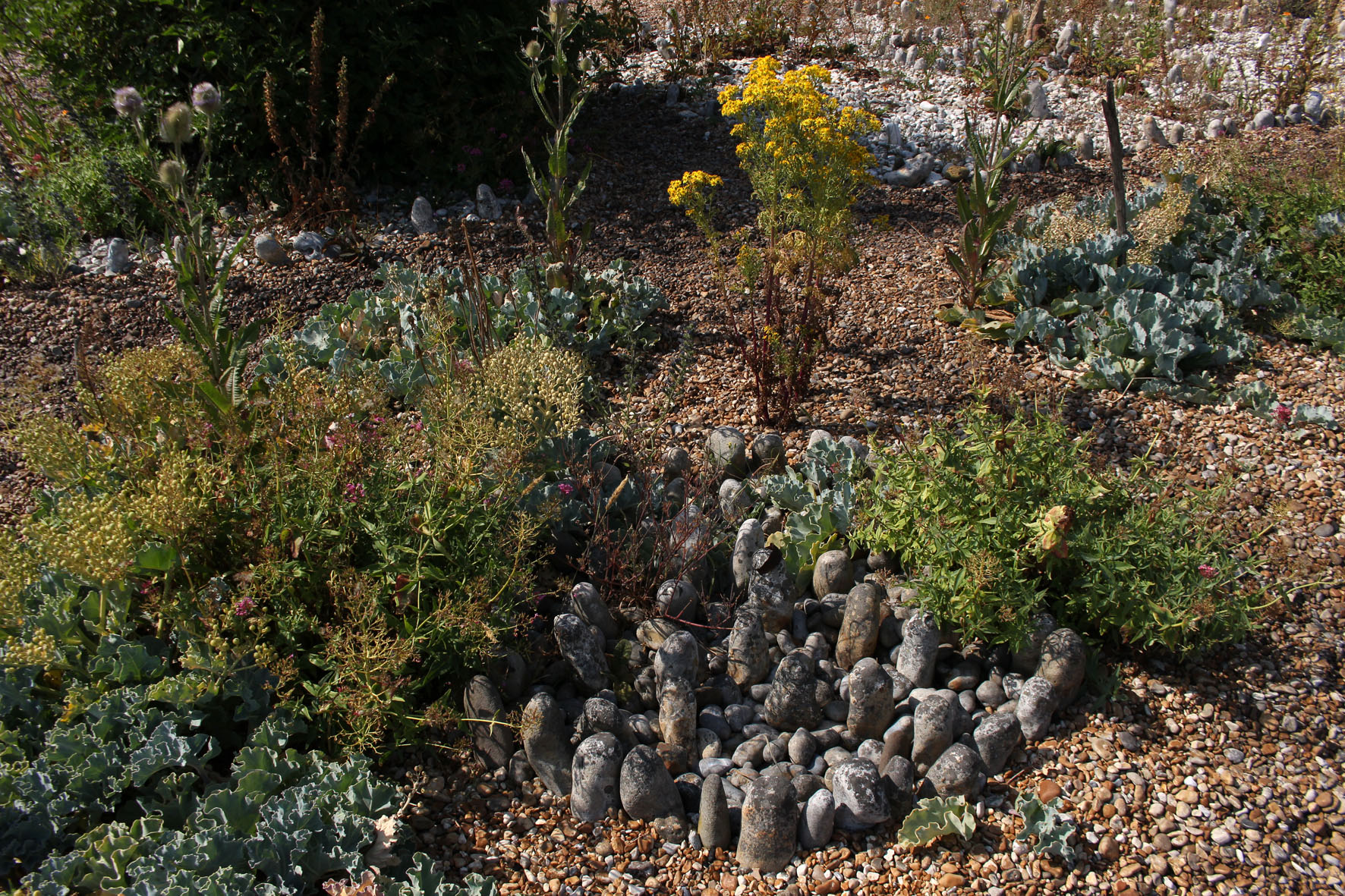
The next day really was the hottest day on record. We drove to Dungeness to find Jarman’s house. Prospect Cottage, black-painted wood with bright yellow window frames, looked to be in excellent condition. The cottage was close enough to Dungeness Power Station to be within the acoustic shadow of the menacing clang and whir of its machinery. The garden was clearly a work of love, a metaphor for Jarman’s dwindling years, an exercise in making the most of limitations: a temple to pebbles and the salt-tolerant flora that would grow in their presence – sea kale, yellow-horned poppy, red valerian, fennel and clumps of tough spiky grasses. Beach debris, like sea-bleached driftwood, provided makeshift statuary, while circles of larger pebbles were arranged like henges. Unlike most gardens it seemed an extension of the landscape rather than any sort of imposition on it.  Here on a bleak shingle spit, framed by the terrifying machinery of nuclear fusion, was, as the title of Jarman’s book suggests, modern nature.

We drove on past the red and white banded new lighthouse to a pub close to the old lighthouse and the power station – the Britannia Inn (‘Fish & Chips, Pizza’), which had trestle tables lined up outside in its car park that afforded unbroken views to the concrete edifices of Dungeness B. It was hard to imagine something that could simultaneously be both so English and so weirdly incongruous. Signs in the shingle across the road warned of the necessity of a licence for filming and photography in specific areas. Like Orford Ness in Suffolk, Dungeness has become a brand with associated commercial interests. Membership cards of any psychogeographic-inclined affiliation were invalid here.

A boardwalk led across the shingle to a bench. Coming along it back towards the road were two policeman carrying binoculars. We had already noticed a large police presence in the area – patrol cars, transit vans with anti-riot shields poised above windscreen. At first, perhaps naively, I had thought it was a matter of security – keeping an eye on the power station, an obvious if not particularly vulnerable target for would-be terrorists. Then it dawned that they were here to watch the sea for migrant rafts. France was at its closest here and the English Channel was about as calm as it ever gets. It was high season for people smuggling.

Some of the houses that lined Marine Drive in Lydd had first floor balconies that looked out to sea. A few had flagpoles with flapping St George or Union flags. Here at England’s south-eastern edge, the Continental ‘other’ in plain view, expressions of nationalism appeared to be defiant and full-throated. I wondered what sort of welcome any raft voyager who successfully beached here would receive from those who had seen them approach through the telescope mounted on their verandas. Somehow I doubted that many would have the kettle boiling and the Hobnobs ready on a plate.

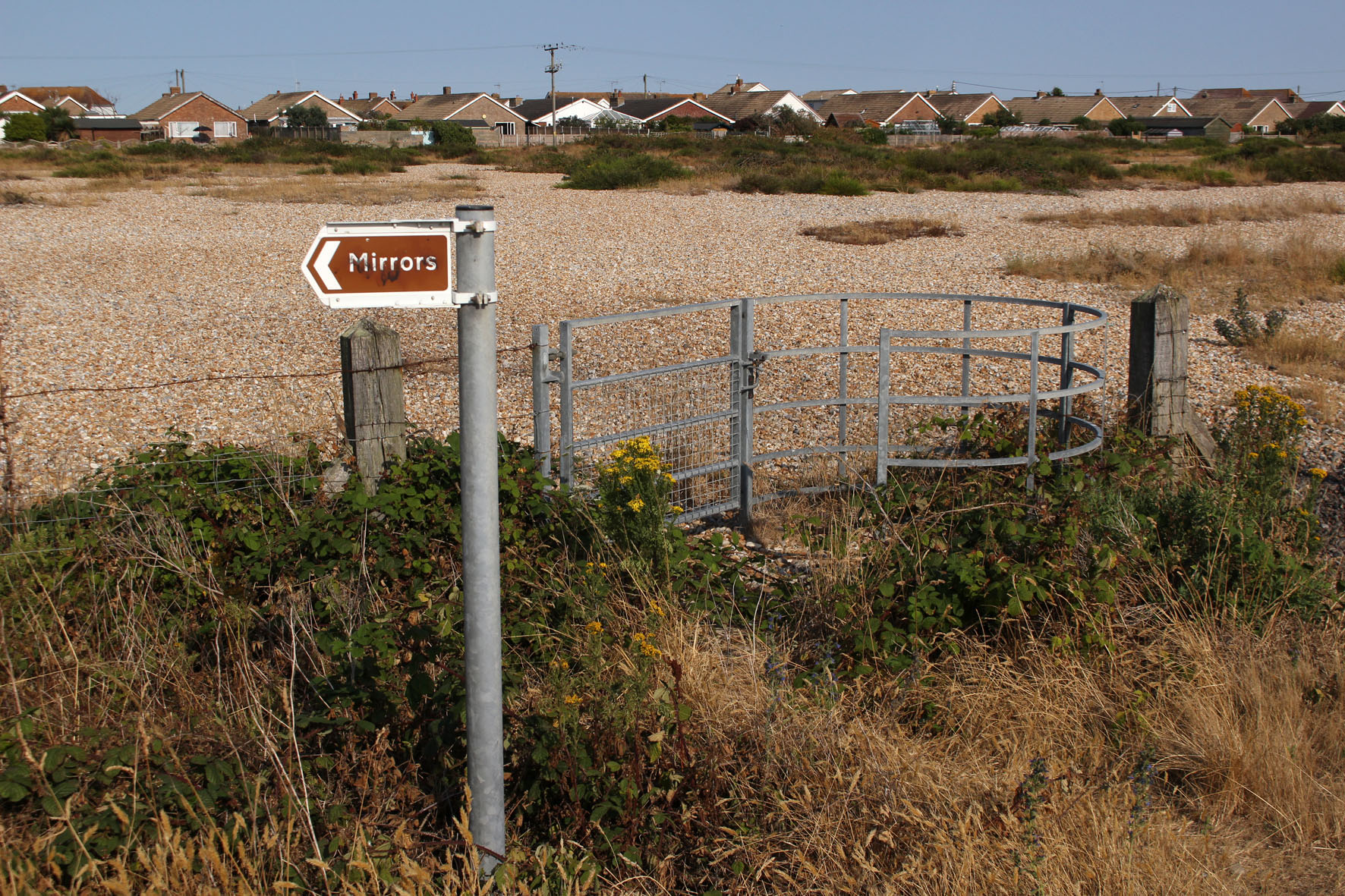
Dungeness’s watchfulness is nothing new. In the heat of the first afternoon I had taken a walk to see the Denge sound mirrors located on an island in what had recently been designated an RSPB reserve. Now designated Scheduled Ancient Monuments, the sound mirrors, constructed of concrete in three radically different designs, were built between 1928—1935 and were an intriguing precursor to the invention of radar just before World War II. Strange objects to find in any landscape let along here among the shingle and marshes of the West Kent littoral, the idea was that they would detect the sound coming emanated by low-flying enemy aircraft coming across the channel – an early warning system of ‘Listening Ears’ as they became known.

It was a historical fact, dictated by location and landscape, that Dungeness had long been keeping its ears and eyes open to intruders from across the sea. If such liminal places were ever to participate in a twinning scheme then Orford Ness in Suffolk, with its secret bomb testing facilities and comparable edge of the world atmosphere, would be a natural contender. Both Dungeness and Orford Ness watch and listen as the flint pebbles grind and roll on their beaches in ever-shifting Heraclitean flux. Panta rhei: ever moving, never the same, always the same.

Walking the Ring: Stoke Newington to Hackney Wick

Stoke Newington, London N6. We are here to walk part of the Capital Ring that circuits the capital by way of 15 stages. Slightly perversely we decide to begin at Stage 13, which links Stoke Newington with Hackney Wick by means of a park and a path alongside the River Lea and Lea River Navigation. Less defiantly, we will follow the overall route clockwise as suggested. To go widdershins might be an enticement but we are civilised men not maniacs.

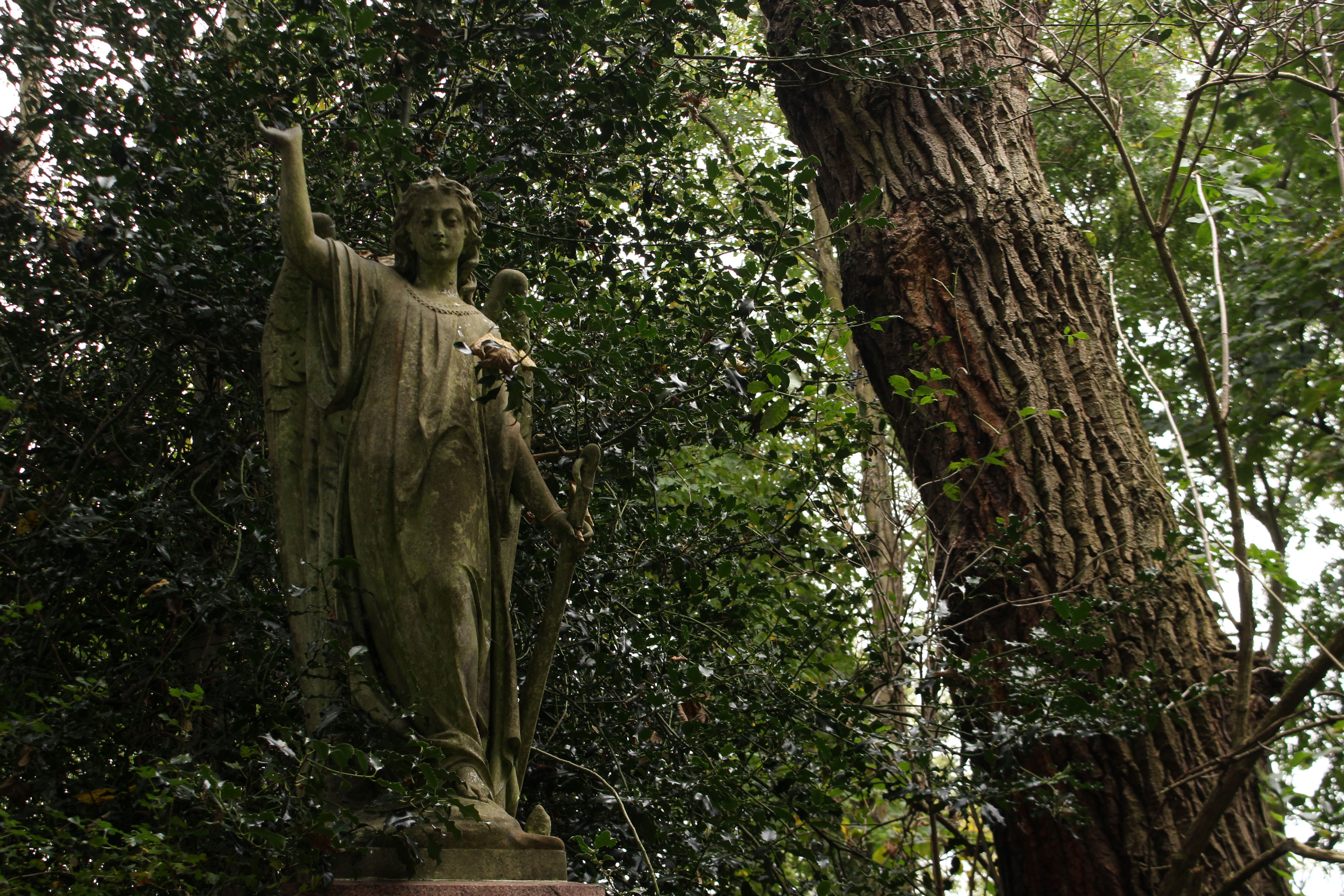
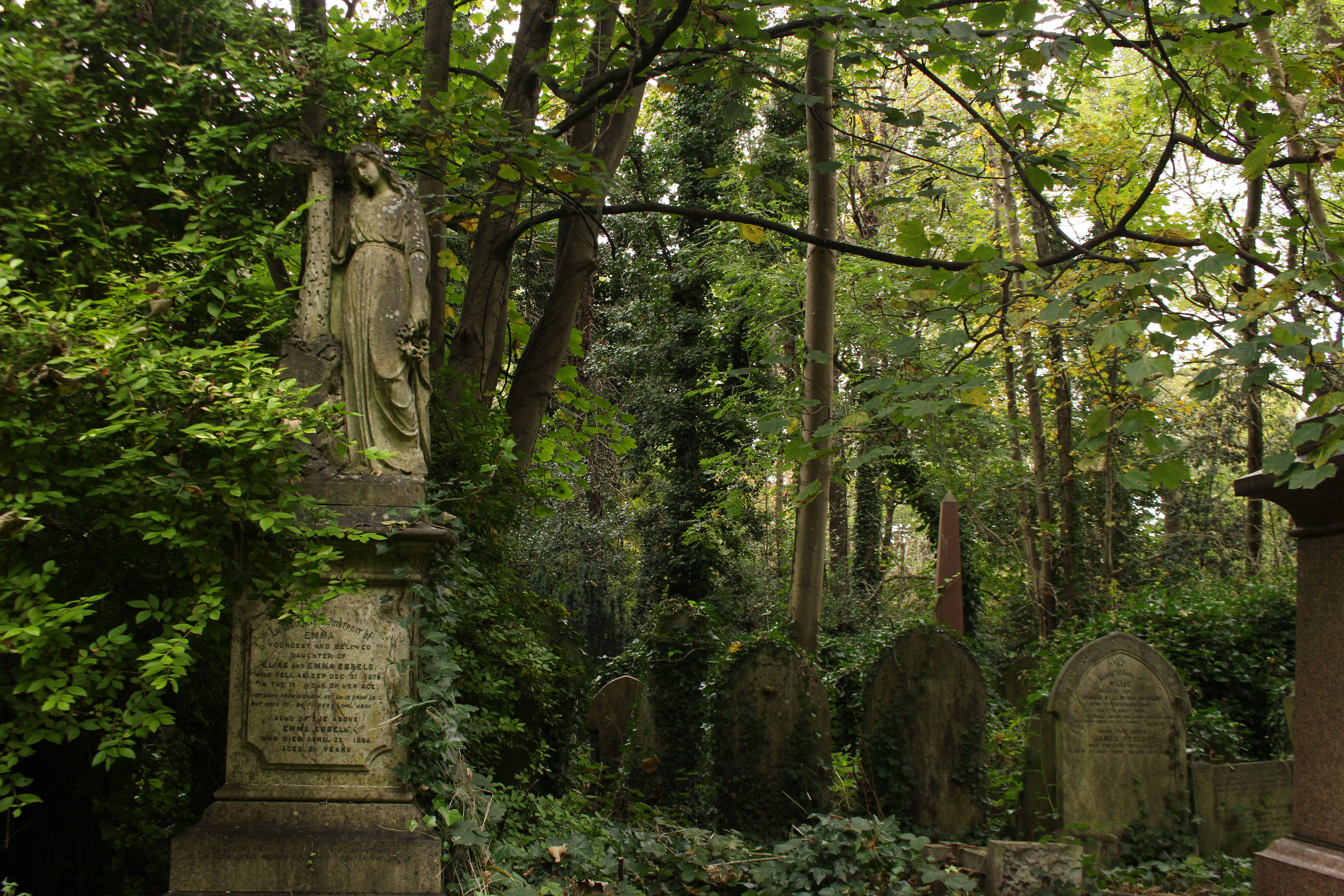
Firstly though, Abney Park cemetery beckons. The main Egyptian Gate on the high street is closed but there is a way round the side that funnels us between barriers into the non-conformist boneyard. The park, as much arboretum as cemetery, is quiet – dense foliage neutralising the din of traffic from the roads that surround it; just a few muffled barks from exercising dogs and the jungle shriek of an unseen parakeet. Quiet or not, the tree-lined paths are fairly busy with strollers and dog-walkers. We come across one woman who has no less than seven small lead-dragging dogs in her charge, including a one-eyed pooch that clearly bears a grudge against binocular humans.

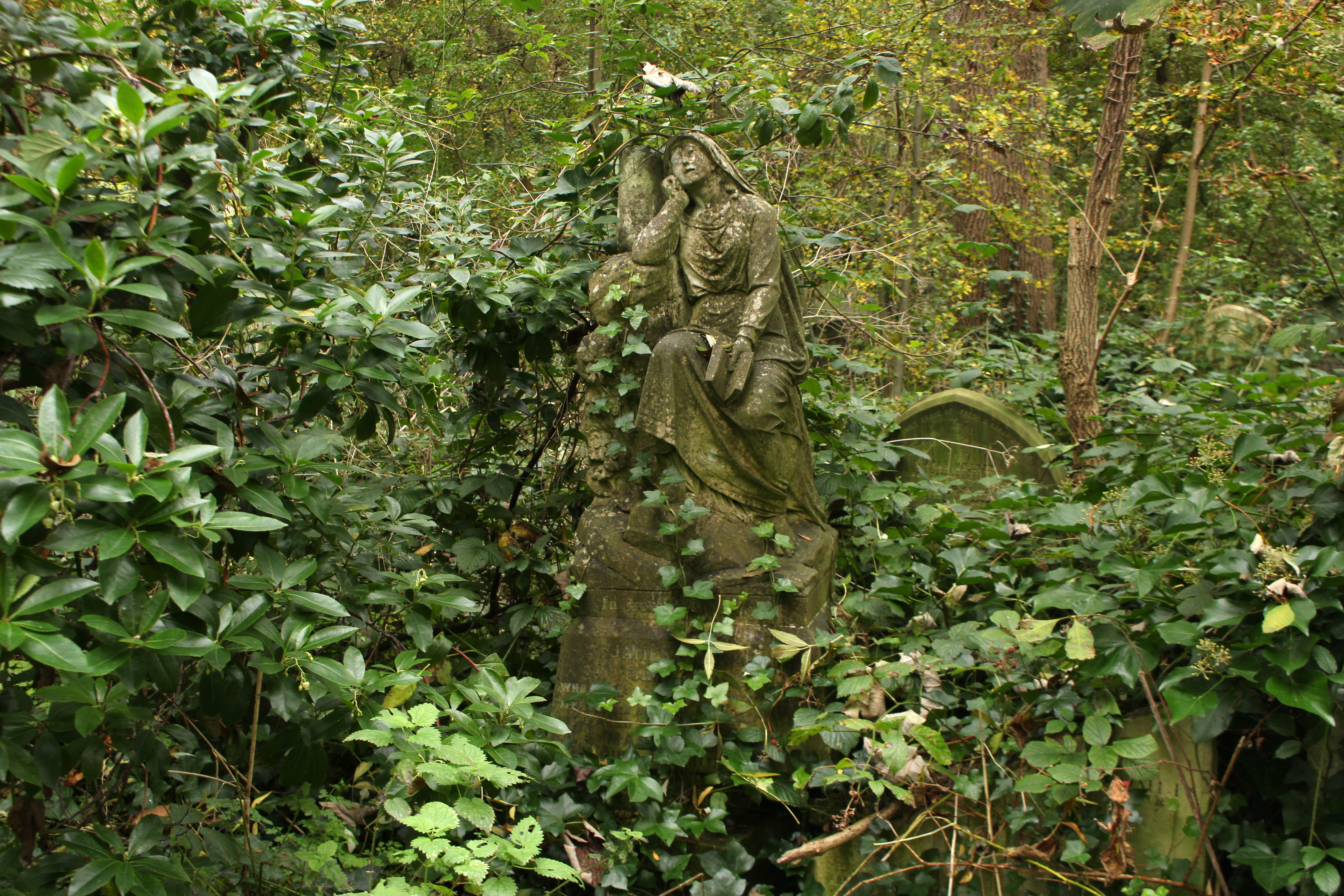
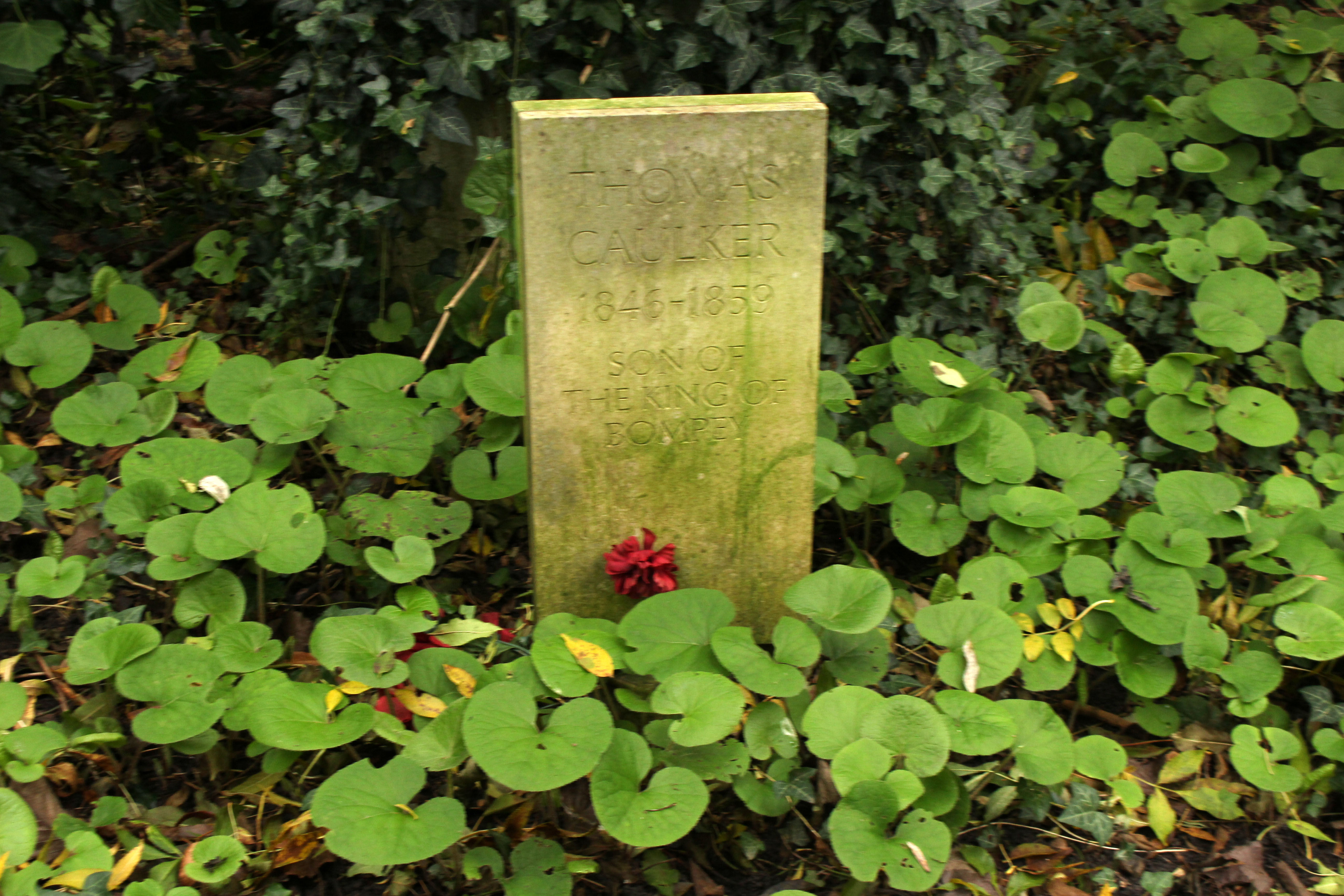
We have no purpose or aim other than just to wander and take it all in – the trees, the gravestones, the gothic atmosphere, the knowledge that this cemetery was the inspiration for the hidden fragment of Paradise that Arthur Machen wrote about in his short story N. We find no such paradise garden but instead plenty of interesting angel-perched tombs and several oddities – a wooden marker that asserts mysteriously ‘Elvis put his hand on my shoulder’ and the simple stone gravestone with the legend: ‘Thomas Caulker 1846—1859 Son of the King of Bompey’. Bompey, we later discover, was an early 19th century West African chiefdom that was eventually incorporated into Sierra Leone in 1888. The stone looks like a fairly modern replacement. What is curious is that the 160-year-old grave is still attended – a single flower has been recently placed upon it.

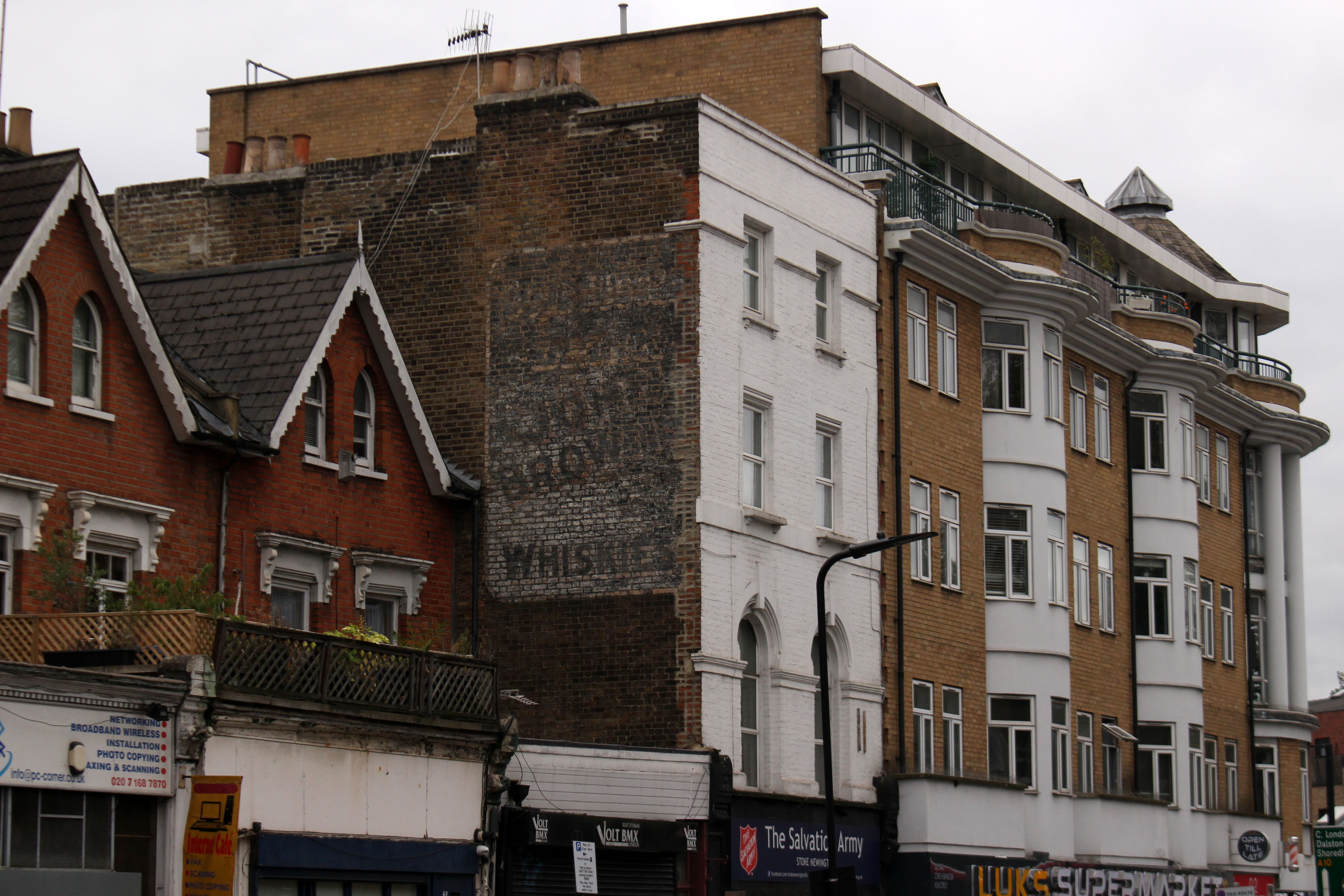
We exit the park to join the Ring; a sign right outside the cemetery confirms we are on the right path. My companion Nigel takes a photograph of me in front of the sign and as he does this a cheerful Black woman pushing an empty shopping trolley offers to take a snap of the two of us – she assumes we are tourists, and in many ways she is right. We head up Cazenove Road, where a fading ghost sign on a gable advertises a discontinued brand of whisky and an abandoned charity shop, as niche as you like, boasts a Bosnia & Herzegovina connection. It is all comfortingly multicultural – orthodox Jewish men in black hats and long coats rub shoulders with Muslims in white skullcaps and shalwar kameez. Looking at our map to check the route, one of the latter, a helpful elderly Pakistani, asks if we need directions and points us towards Springfield Park. There is no denying it – we really do look like tourists.

At the rise of the park the Lea Valley suddenly comes into view beyond – a proper valley, a river-carved ha-ha that slopes down to the water and sharply up again. A sign at a viewpoint helpfully informs us that we are standing on Hackney gravel, below that is London clay. Another parakeet screeches, this one perched in a tree, lurid green, channeling the tropics.
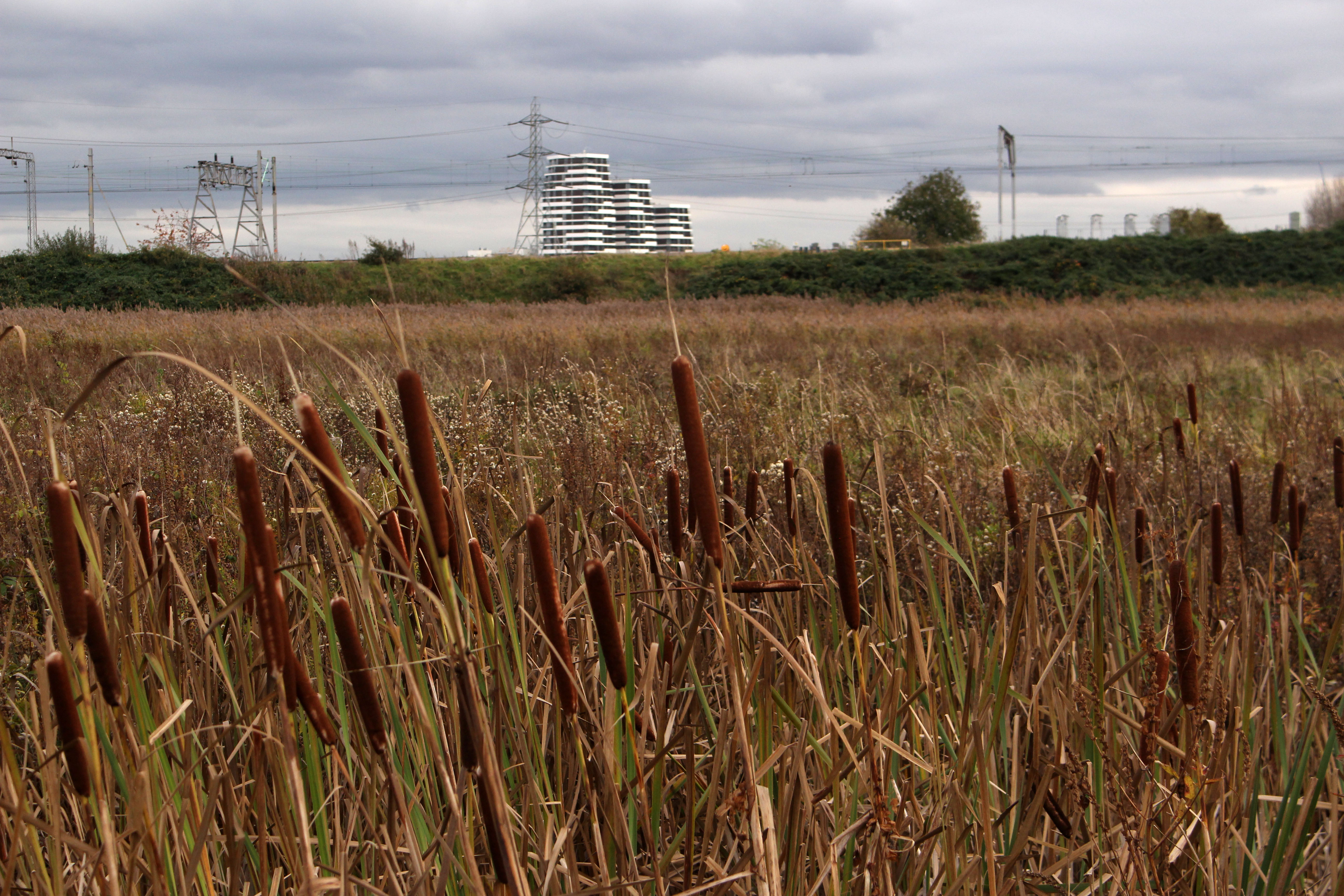
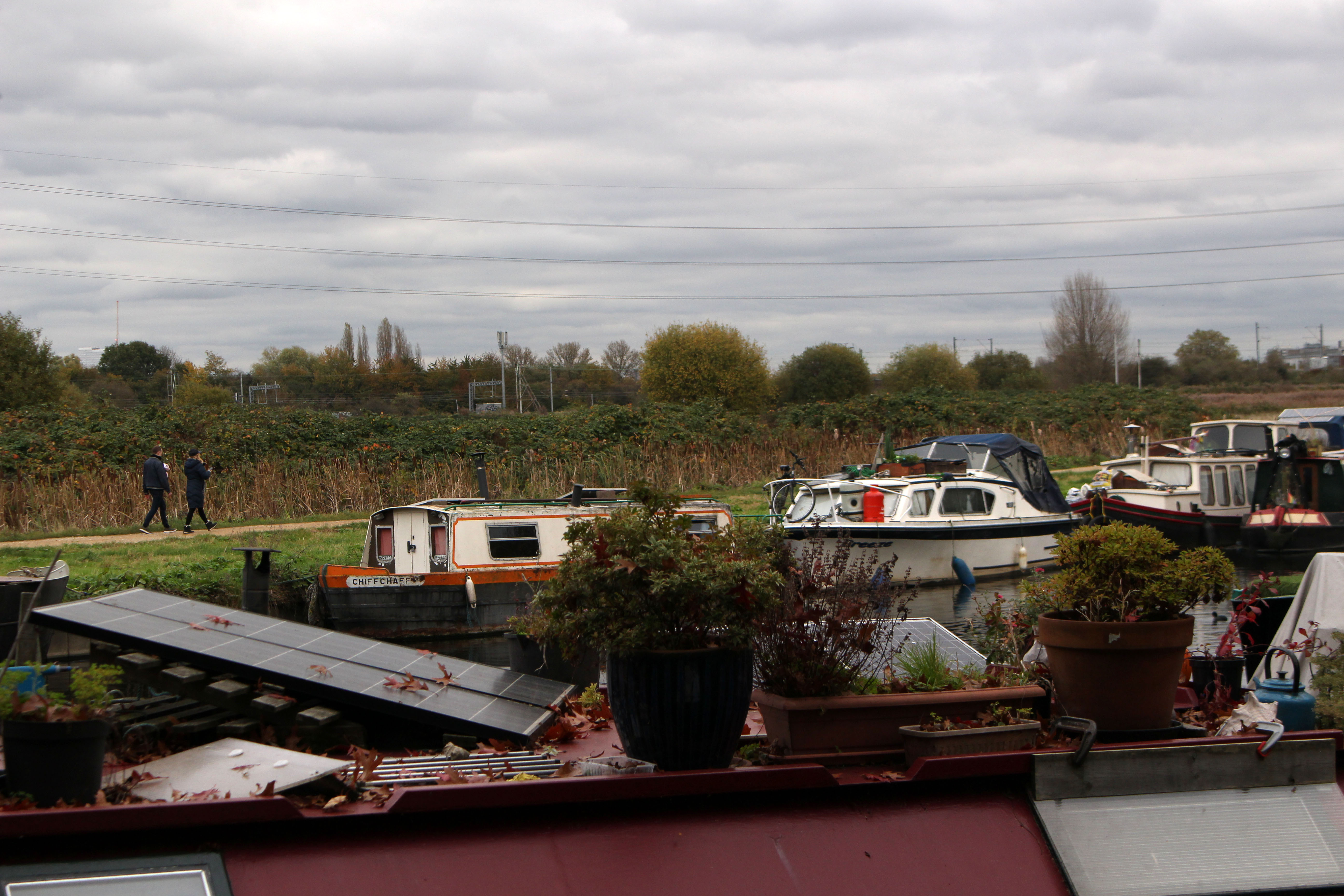
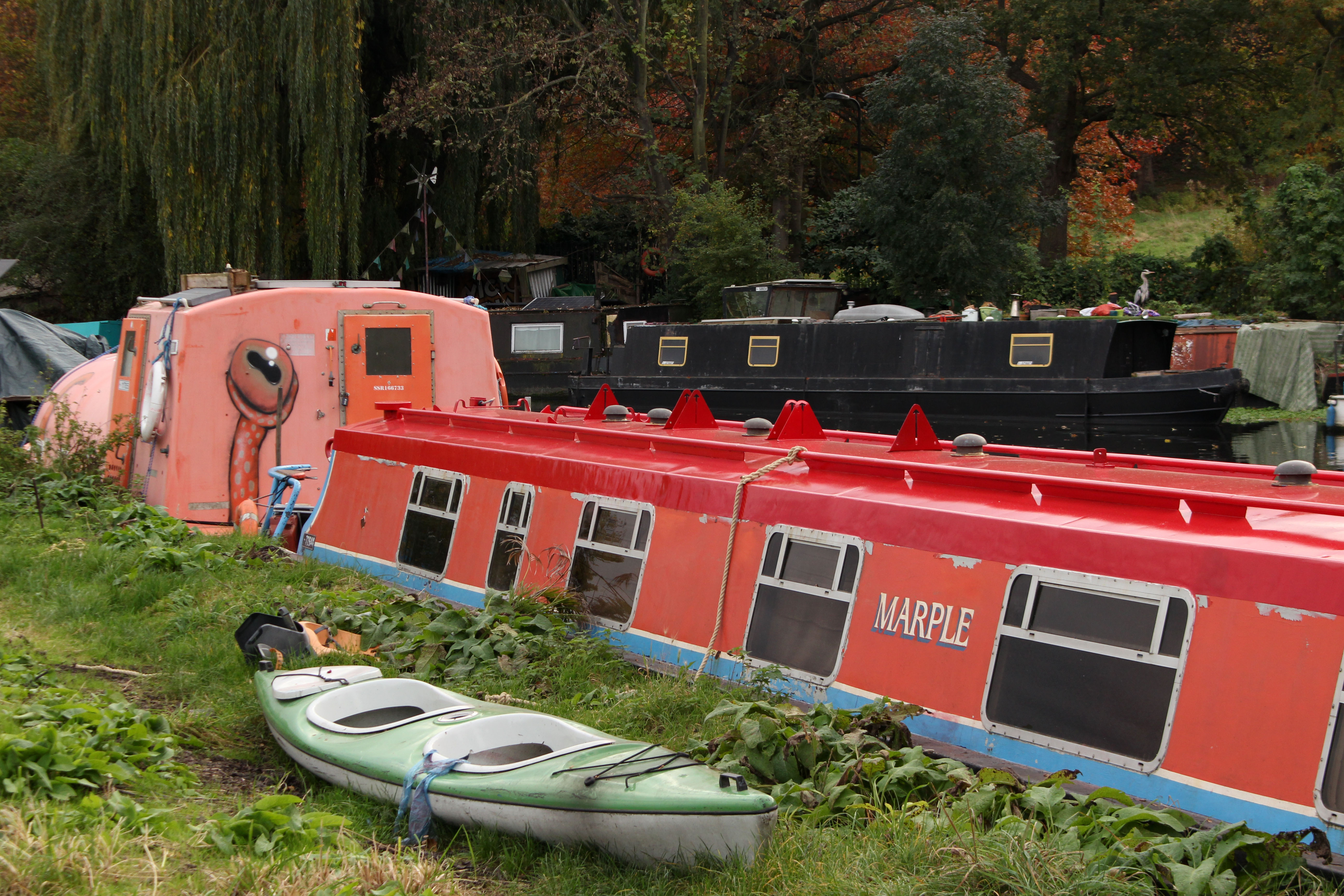
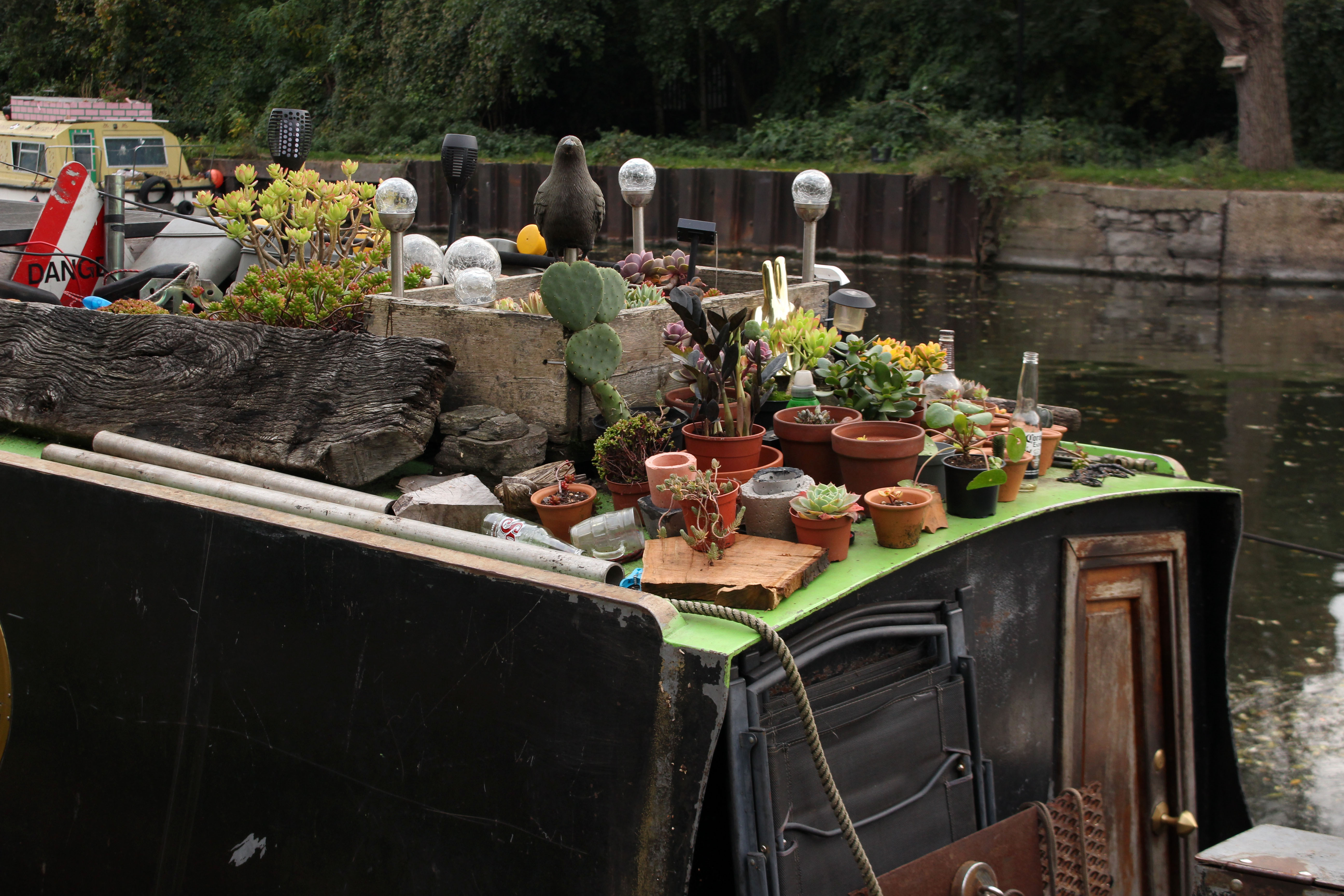
A more at home, native species – a heron – stands guard on a houseboat close to the footbridge at the bottom of the park. It sees us but looks unperturbed. We cross over the river to the east bank and start walking south. Walthamstow Marsh stretches away to the east, all reed, sedge and soggy pasture; rising above the marsh, beyond the railway, stands an island of modern development that may or may not be offices. There is an almost endless line of houseboats moored to both banks. Nothing too chi-chi – vaguely counter-cultural but mostly no-nonsense make do and mend: heaps of burner firewood, car batteries, plants in plots, well-used bicycles; a few seasoned boat dwellers going about daily chores, clenched roll-ups, dreadlocks piled high.

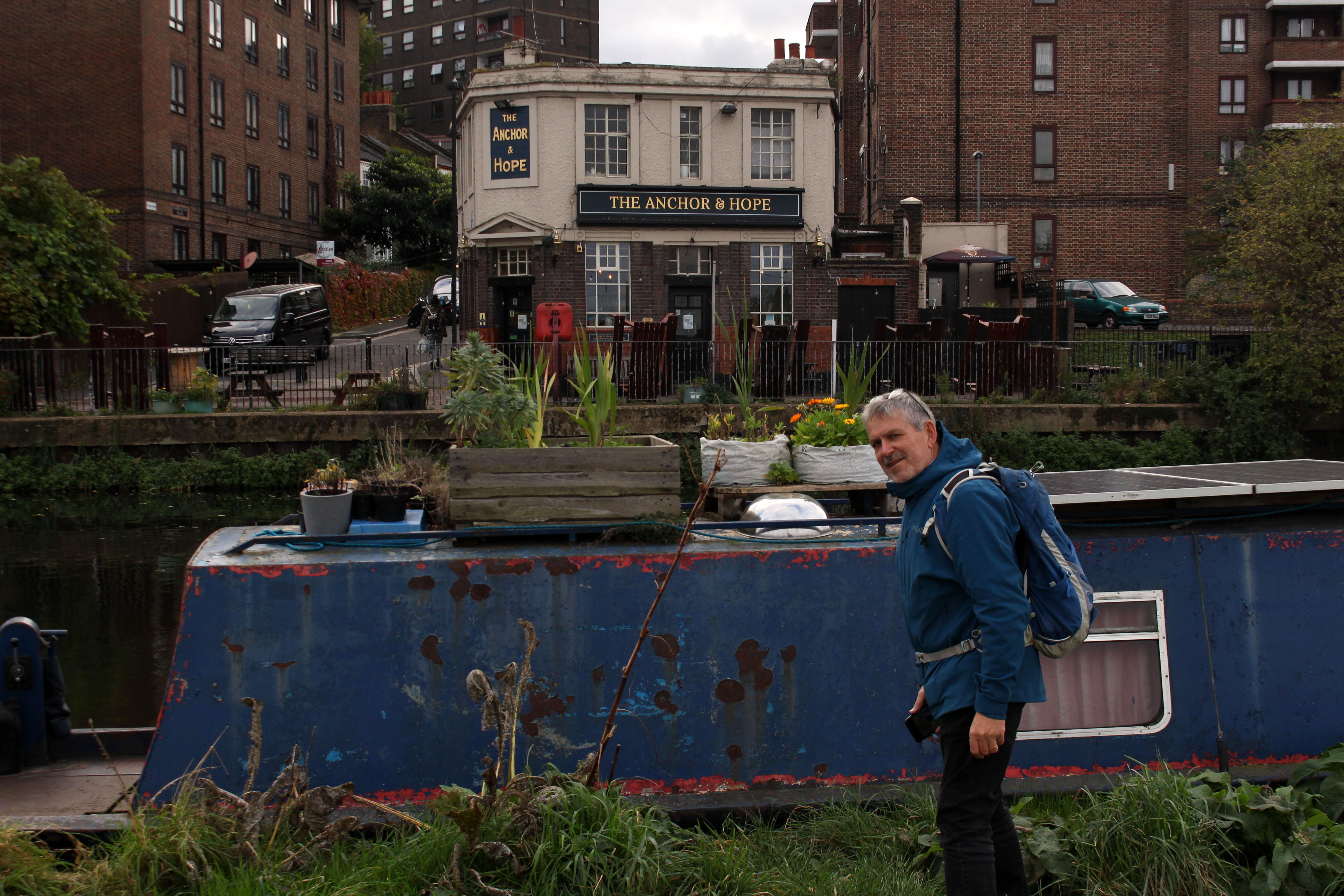
Across the water, a little further along, is a pub with outside trestle tables stacked for winter: The Anchor & Hope. Not the Hope & Anchor, the historic pub rock venue in Islington that we remember hearing tales of in our youth. Anchor & Hope – Anchor (or at least moor) and Hope your boat doesn’t sink? Anger and Hope maybe? There seems to be plenty of anger about but hope can be elusive; as they say, it is the hope that kills.

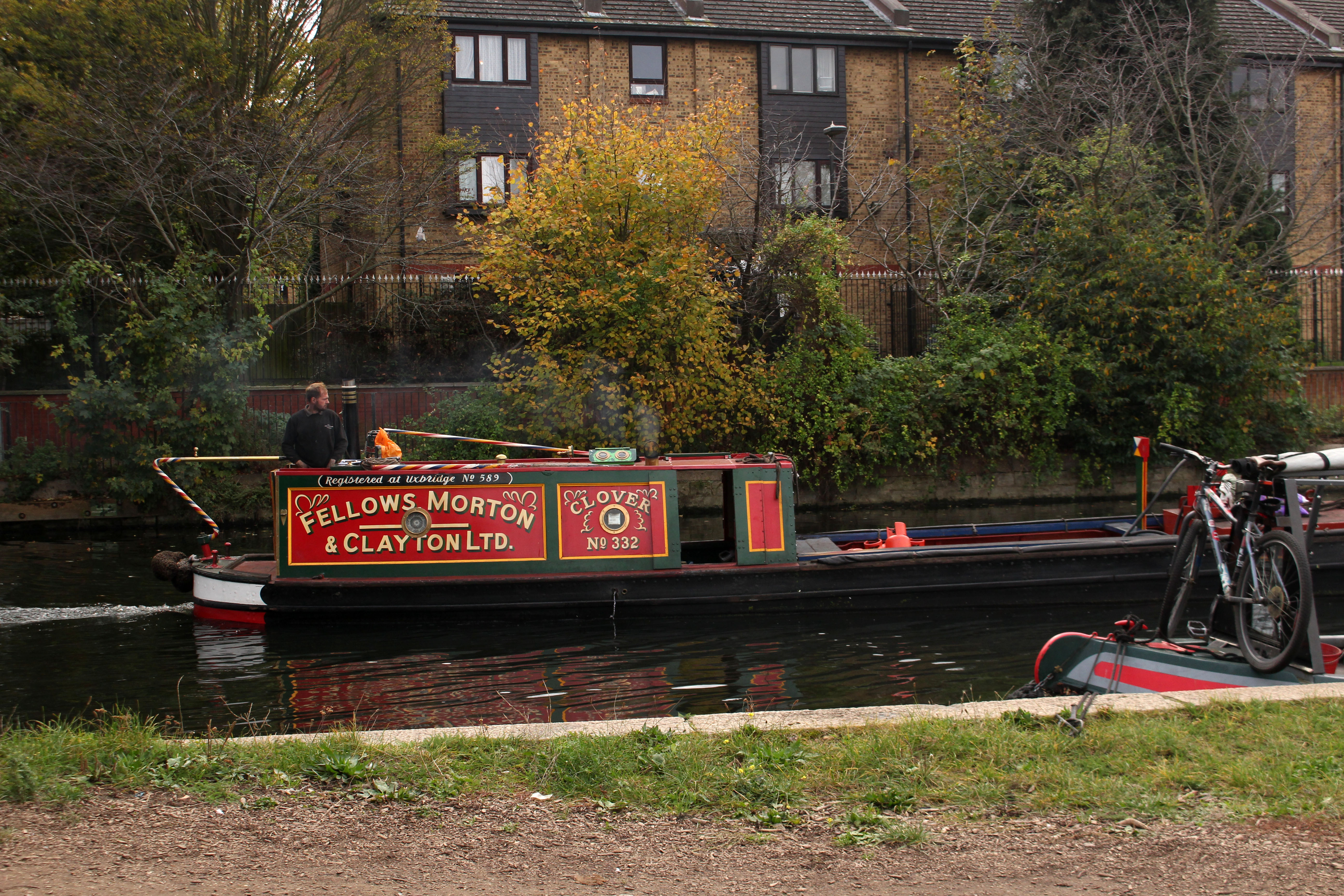
Approaching Clapham Junction Viaduct we hear the two-stroke put-put of a barge on the move. Another barge comes from the rear to slowly overtake and the two boatmen exchange chummy bargee greetings as they pass on the water. A sign under the viaduct arches indicates that this is the original location of A V Roe’s workshop where the first all-British powered flying craft, a precarious-looking tri-plane held together with wire and glue, was built in 1909. Inspired by the Wright Brothers’ achievement of just six years earlier, the aeronaut successfully managed a short wobbling flight across the adjacent marshes, a sight that must have given the local herons quite a start.

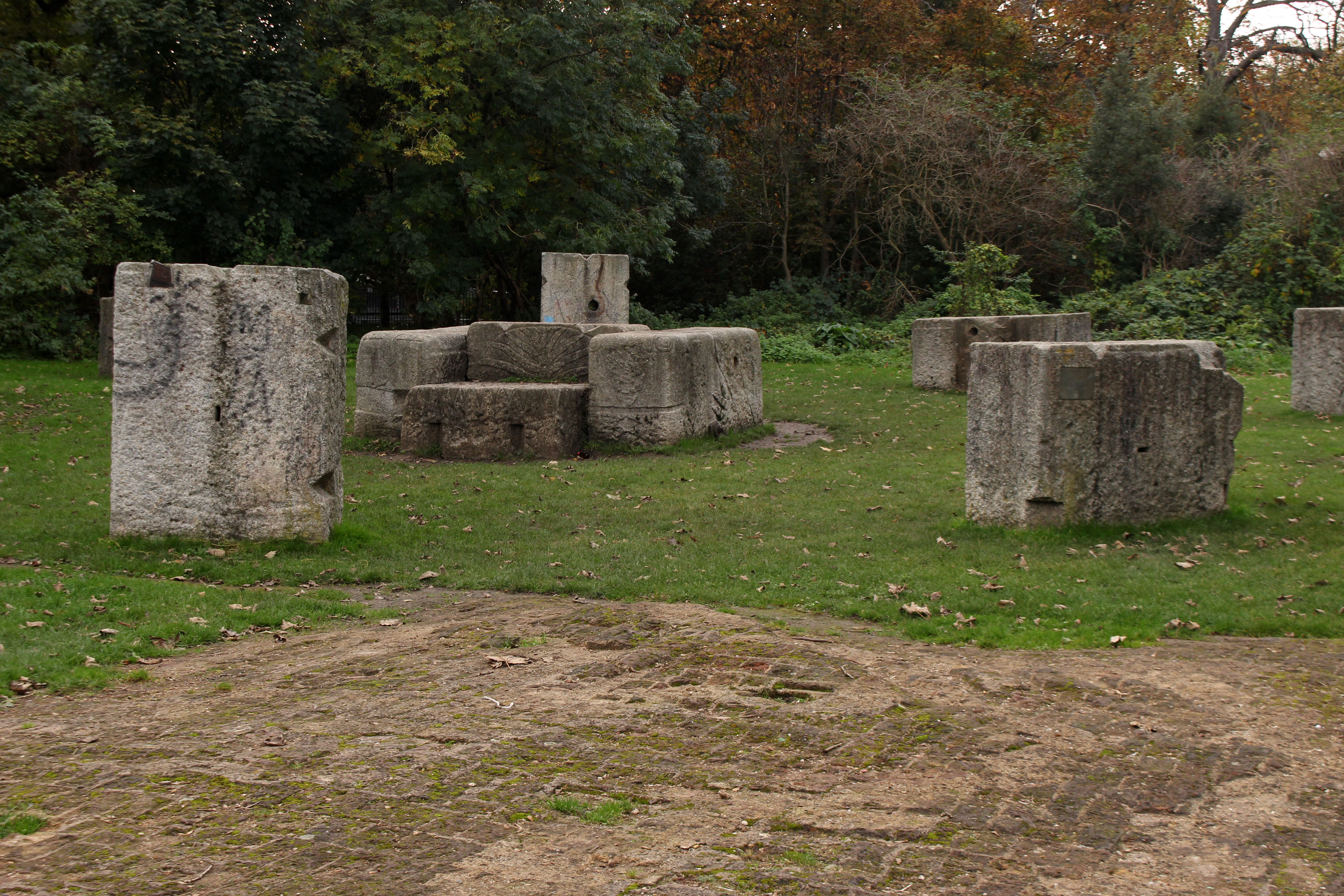
At Lea Valley Ice Centre the path diverts along the canalised Lea River Navigation, the wide green expanse of Hackney Marshes stretching invitingly to our left. We detour briefly to view the former site of the Middlesex Filter Beds, now a designated nature reserve, where we find the granite blocks that once held the pumping engine in place rearranged into what has become known as the ‘Ackney Enge’. A little further on we find the hope we had been looking for back at the waterside pub: a footbridge over the water has a draped banner that proclaims BELIEVE IN OUR COLLECTIVE IMAGINATION on one side, and on the other, DARE TO DREAM BEYOND CAPITALISM. Hope indeed.

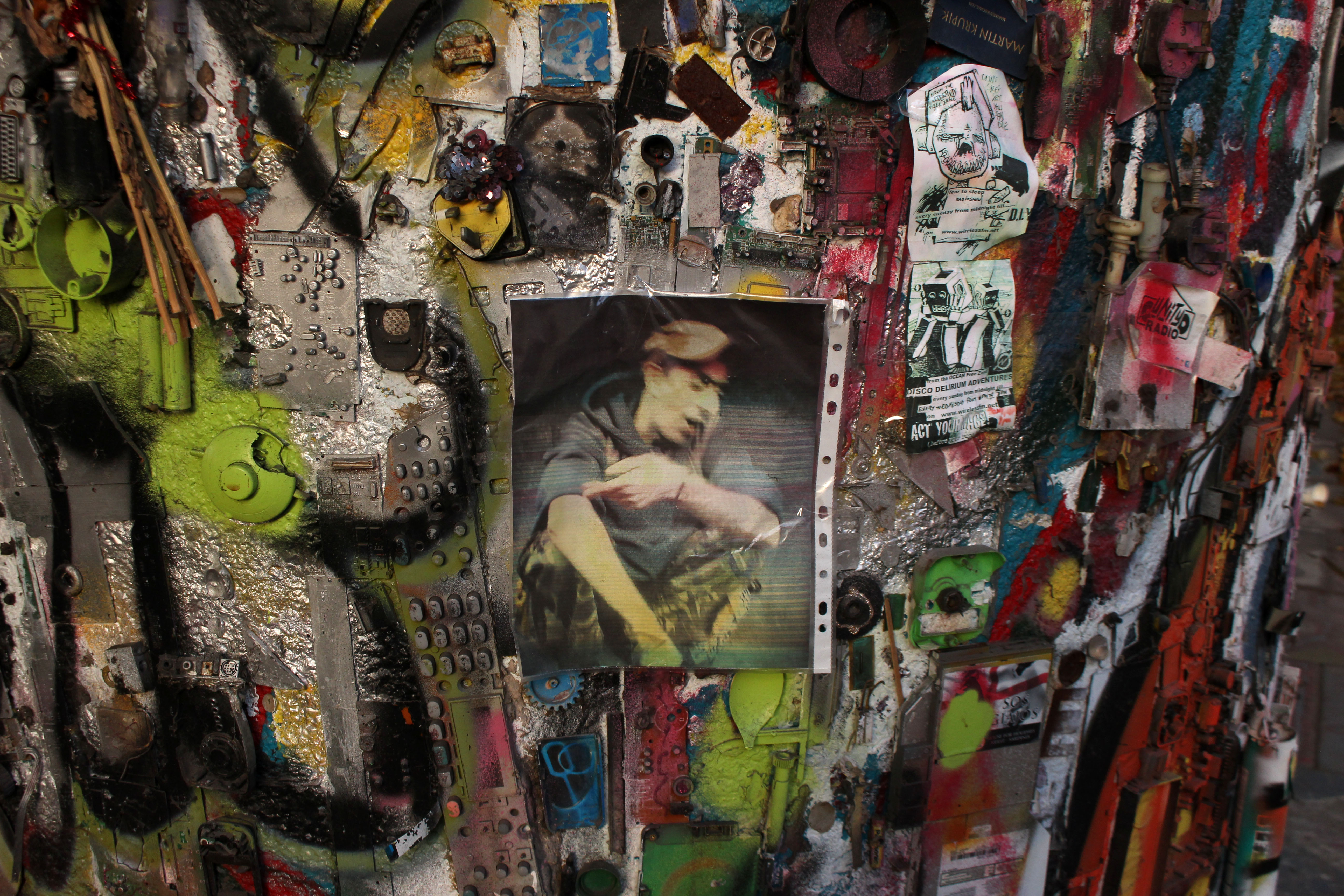
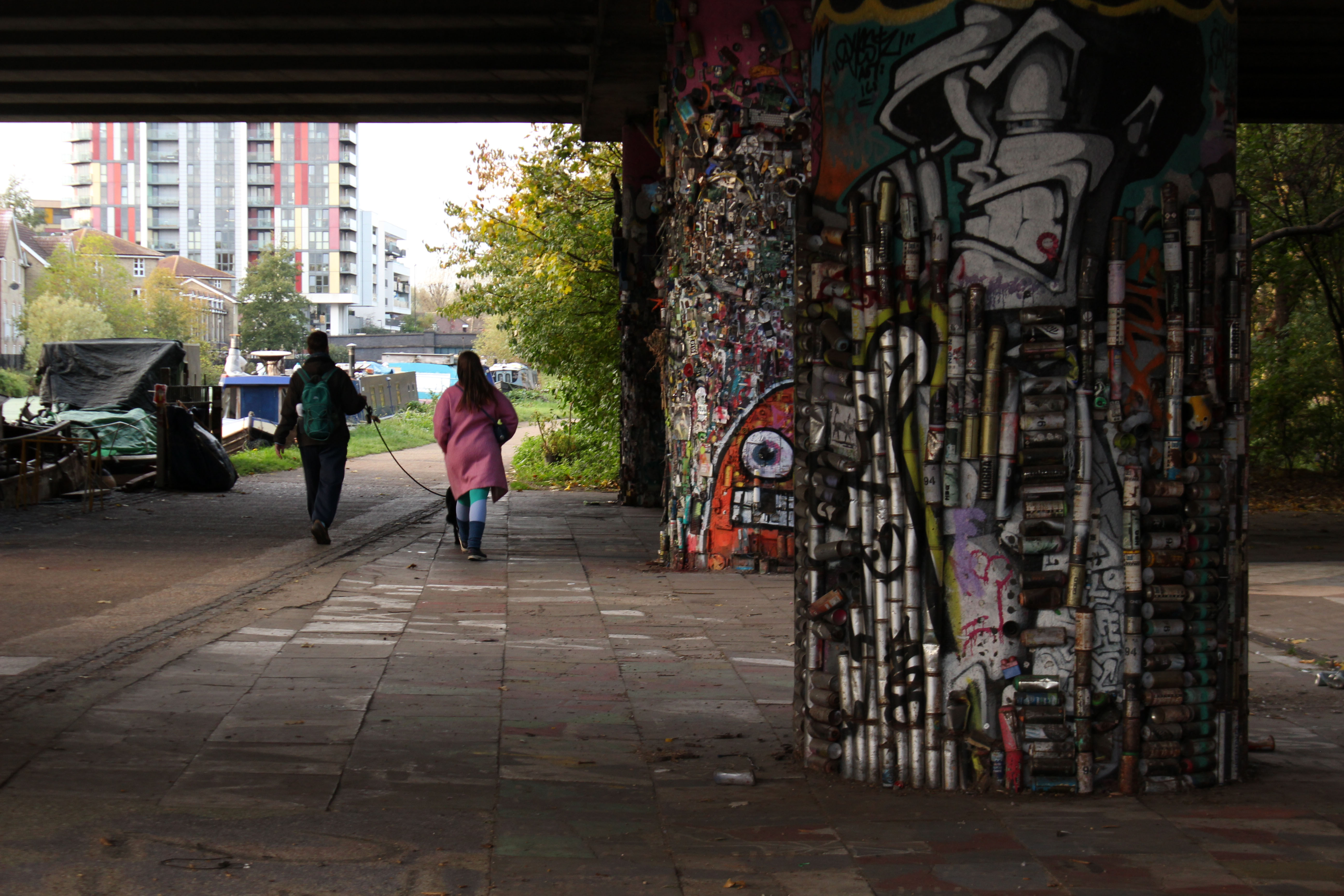
Shortly before reaching Hackney Wick we pass beneath a roadway where the supporting concrete arches have been comprehensively decorated with all manner of found objects – bottle tops, cans, bits of wire, keys, keyboards, electronic components, beer cans – all lovingly glued in place and spray-painted. As I stop to take a photograph, a man on a bike appears out of nowhere to inform me that the artist, a lovely fellow by all accounts, was a friend of his who had died quite recently. He pedals off back into the shadows as quickly as he arrived. Then I notice a portrait of the artist attached to the second of the pillars. The artist in question looks remarkably like the man I have just spoken to. Could this be a ghost artist obliged to return and show visitors around his urban art gallery, a revenant on a bicycle?
Our walk ends at Hackney Wick. We know we have arrived when we see West Ham’s London Stadium at Queen Elizabeth Olympic Park in the distance, the deranged helter-skelter of Anish Kapoor’s ArcelorMittal Orbit alongside it. Somewhat disoriented by the glare of the new development that engulfs us on all sides, we look for the bus stop we need for the service back to central London. I know that it is close to the Church of St Mary at Eton but its location proves to be elusive. My A to Z is well out of date, the streets marked on it have since been redacted; new ones with new names have taken their place. Nigel employs his smart phone to engage with a satellite to find the correct route and we beat a path past Hackney Wick Overground station and along streets parallel to the thrumming A12. Despite the nearby traffic frenzy, the area is relatively quiet and uncluttered by commerce, just a scattering of car body repair shops and the occasional cafe. A random sign offers sourdough pizza – you can almost hear self-respecting Neapolitans crying in anguish. But nothing is sacred and change is inevitable: the deeply layered lasagne that is East London has had its time-honoured béchamel topping scraped away and replaced with something considered to be more wholesome. As ever, the city is a palimpsest.

Black Country

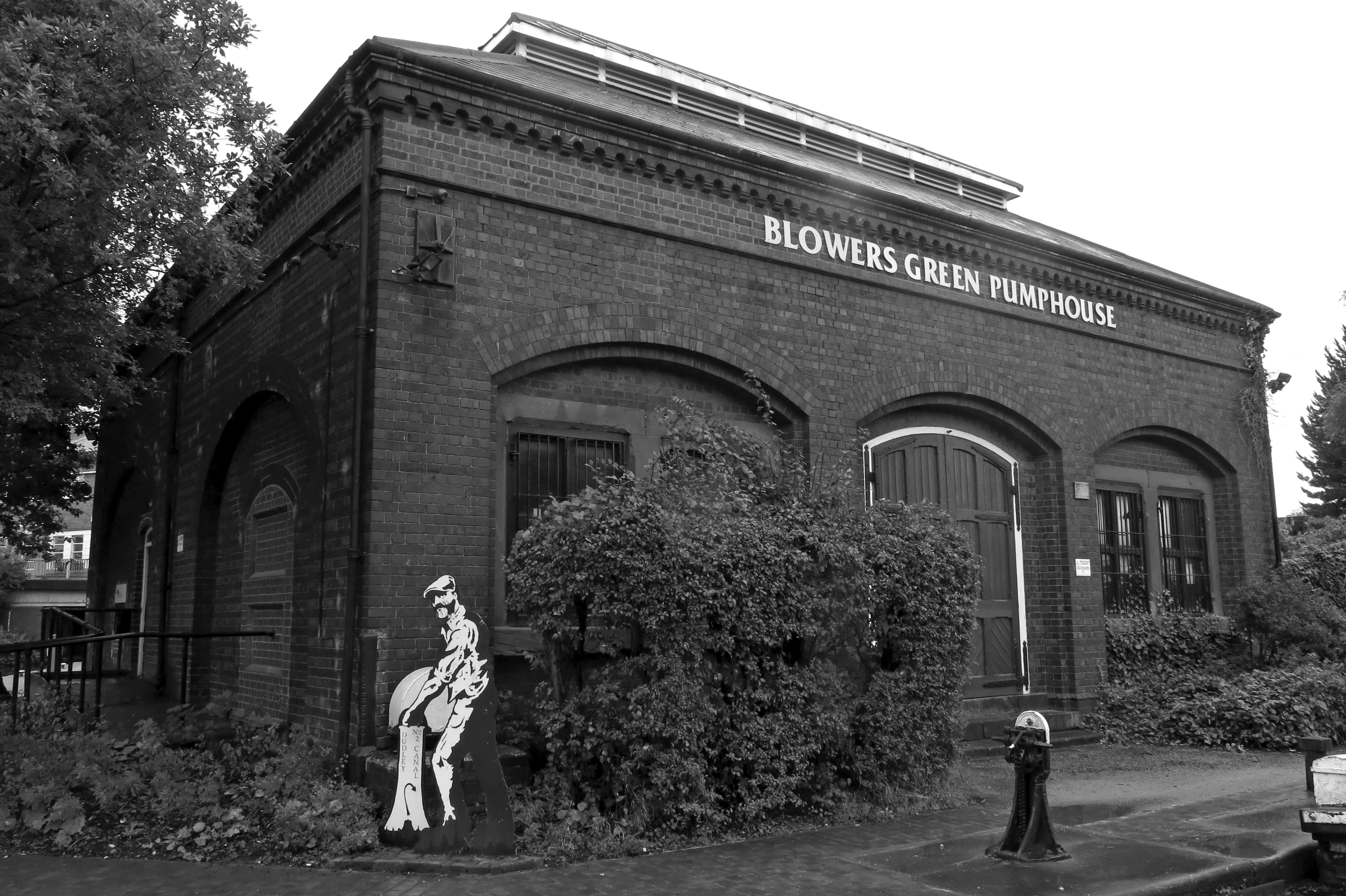
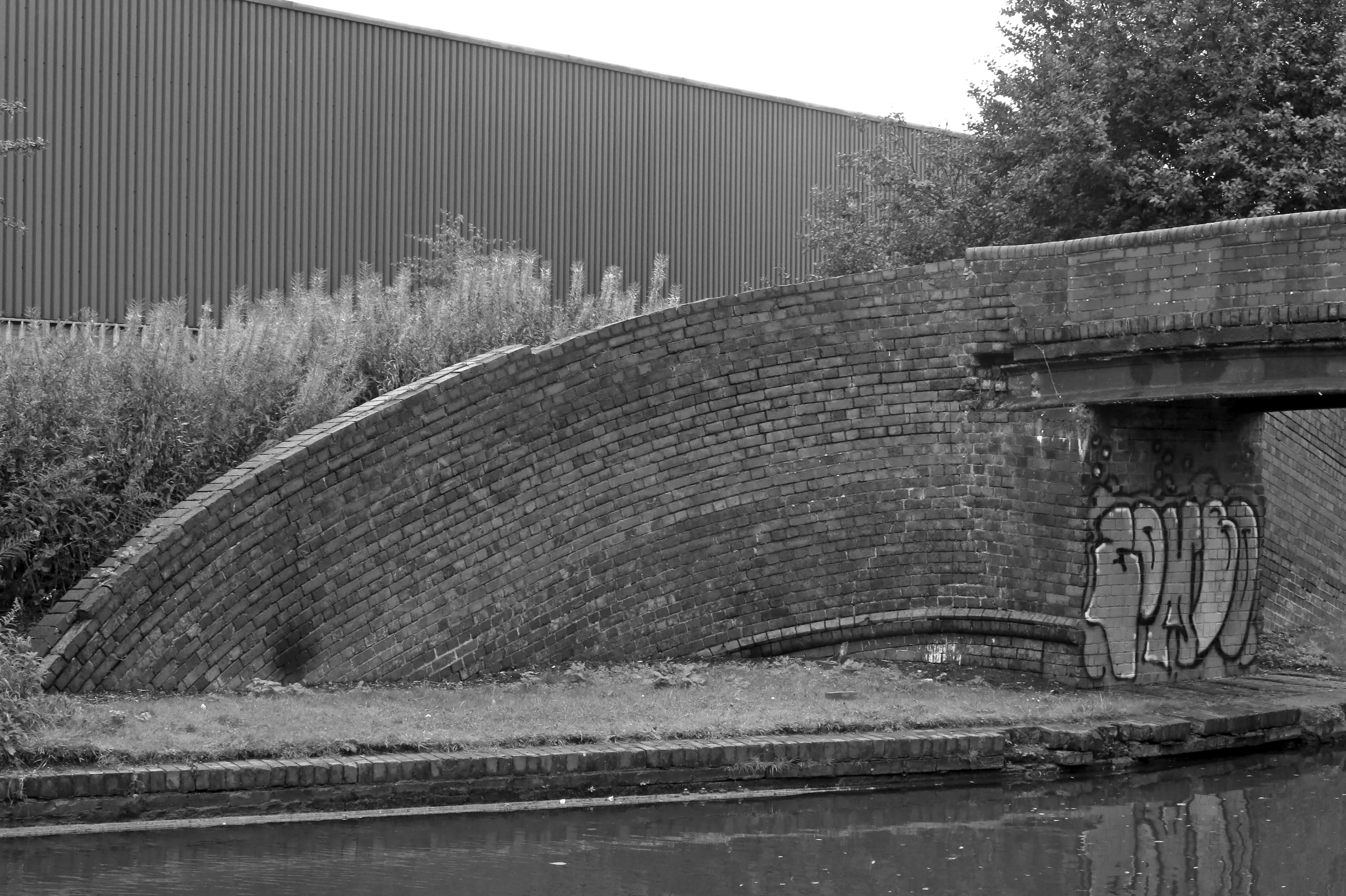
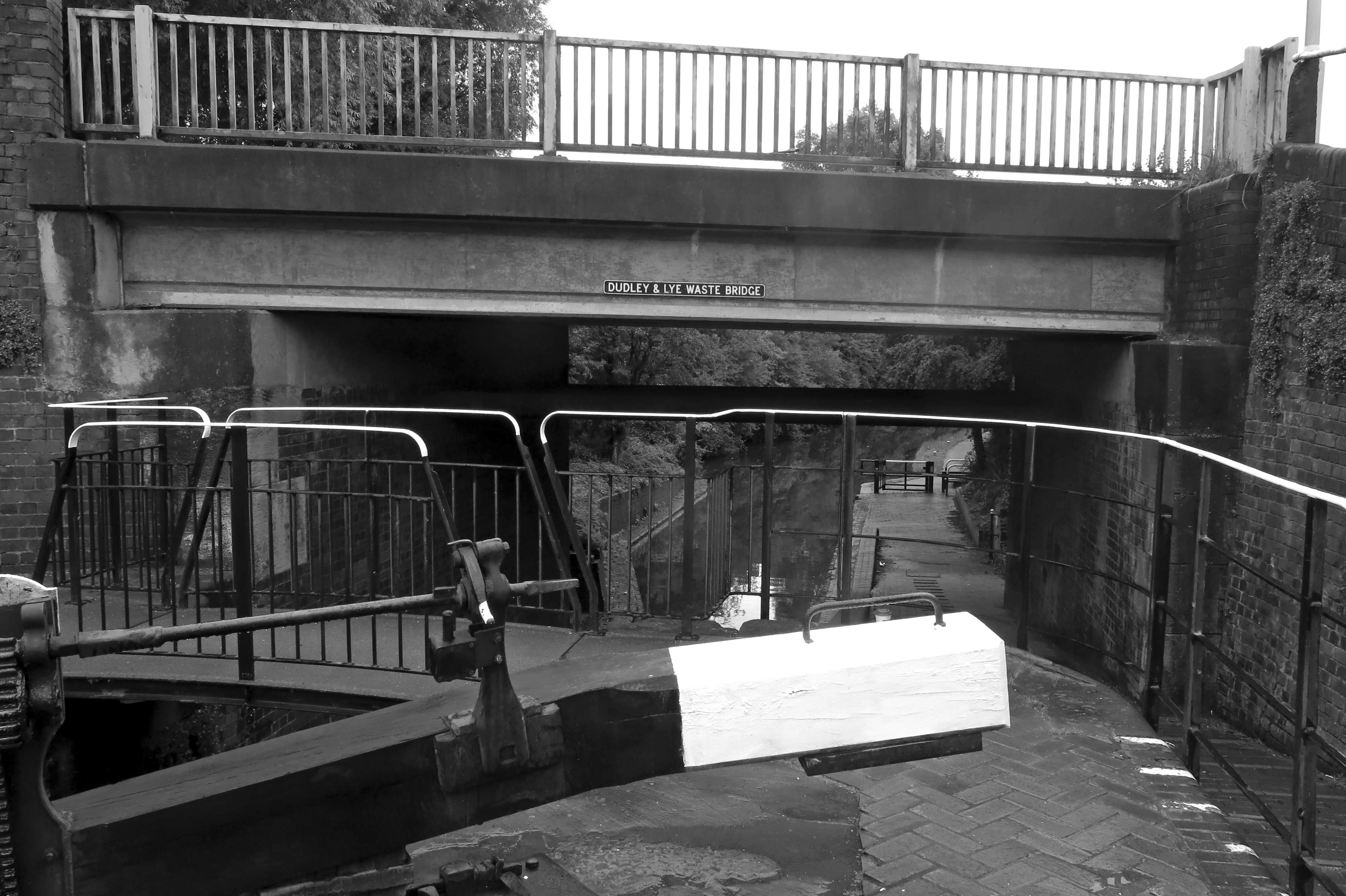
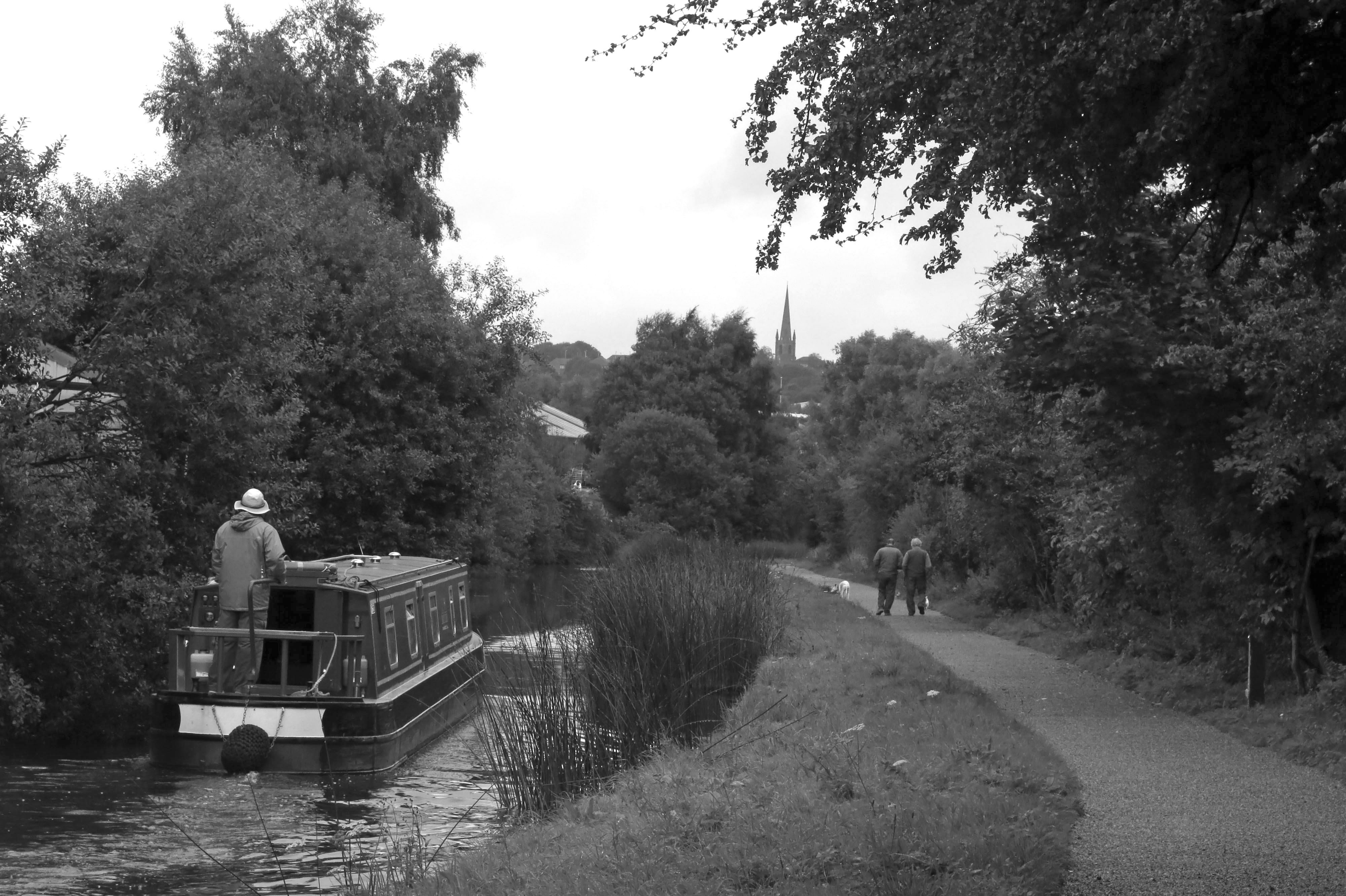
Here is another brief extract from my book Westering that was published earlier this year by Saraband. This time it concerns my transit on foot through the territory of the Black Country that lies to the west of Birmingham. I have included a few black and white images to illustrate the text here. These are not in the book itself but might help give a flavour of what the area is like.

Extract from Chapter 15 – City of Metal

Here was the Black Country and now I was walking on sunshine: the sunshine that lay captured in carbon in the earth below. The sunshine trapped by swampy tropical forests of trees and ferns that, over tens of millions of years of compression, had transformed to a solid energy-rich fuel source; the black rock that set the Industrial Revolution in motion around two hundred years ago – a period of time that on the geological scale of things was little more than a blink of an eye.

Thanks to the thirty-foot-thick seam of coal beneath the ground, Oldbury was at the forefront of the Industrial Revolution. Four blast furnaces operated in its vicinity between the 1780s and 1860s but, as the fortunes of coal mining and steel-making declined in the region in the late 19th century, brick-making took over, exploiting the deposits of Etruria marl that were also found in abundance beneath the coal seam. The town’s underlying geology was generous to a fault: the clay was perfect for manufacturing Staffordshire blue brick, a hard-wearing, non-porous brick ideal for use in foundations, bridges, steps and tunnels – the essential hardware of Black Country business. Tar distilling, chemical manufacturing and boiler-making industries also took root in the district later on. The inevitable result was a besmirched landscape – a ‘black country’ – an environment littered with spoil heaps, abandoned quarries, cavernous marl pits and unbridled chemical pollution. In its heyday, the Black Country had been highly productive – a soot-blasted territory of glowing foundries and clanging metal – but now that energy has drained away.

Extract from Chapter 16 – Black over Bill’s Mother’s

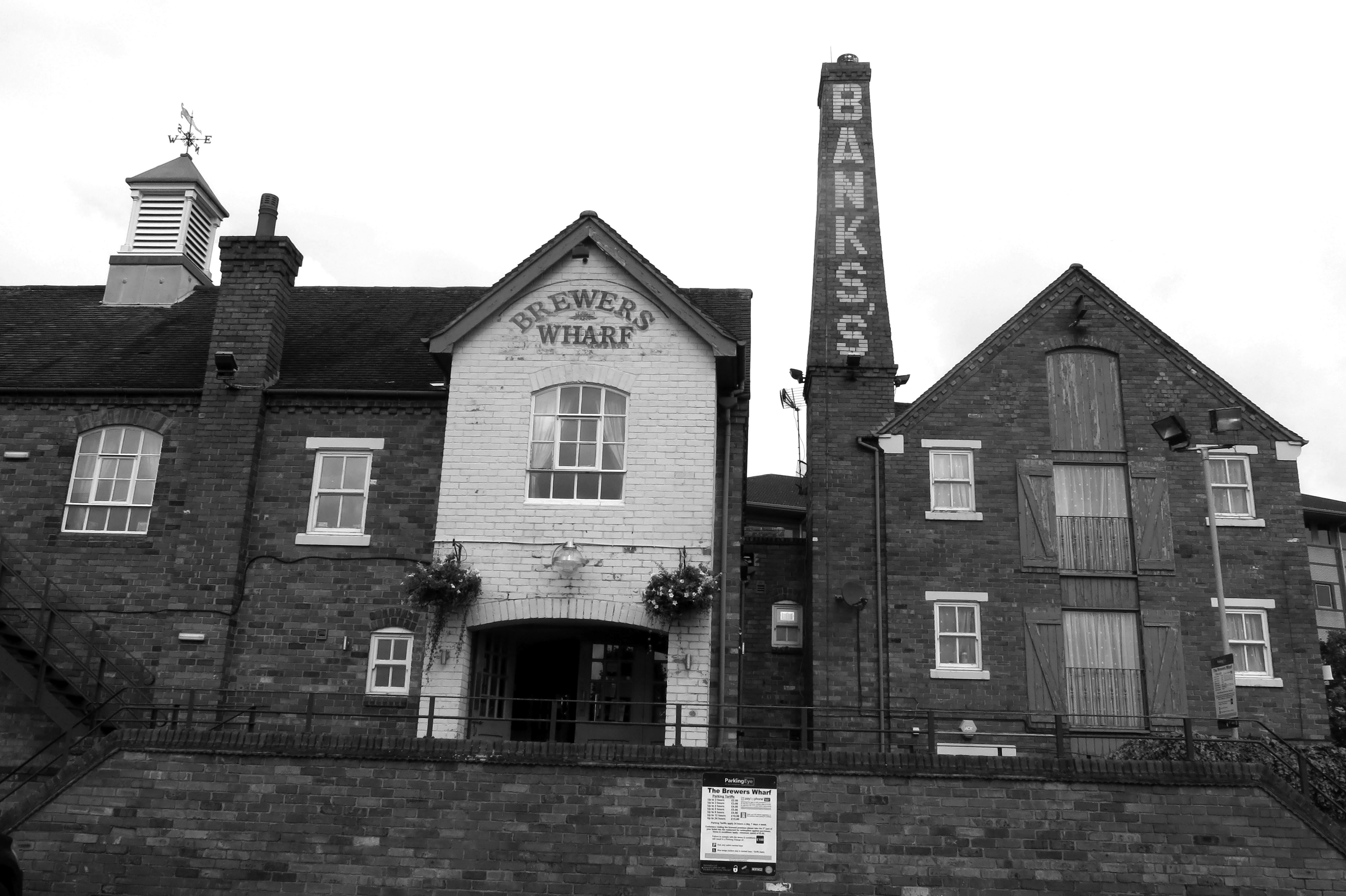
At Brierley Hill I came across a new waterfront development complex that was named, somewhat unimaginatively, The Waterfront. It still did not seem quite finished and many of the individuals milling round the car park sported hard hats and high-visibility jackets: surveyors, property developers and the like – the storm troopers of real estate. Merry Hill, a little further along the canal, had a large hotel advertising FAIRYTALE WEDDINGS, a promotion reinforced by a giant love heart inscribed WILL YOU MARRY ME? On the opposite bank was Brewer’s Wharf, a Victorian pub complex that looked as if it had been there since the time that navvies had come over from Ireland to dig the canals. Its tall chimney bore the legend BANKS’S in bold white lettering. Banks’s, the Wolverhampton ale that quenched many a nail-maker’s thirst in these parts – it seemed a shame that the secretive Banksy could not be employed to make some sort of joint venture with his own art here: a Banksy Banks’s.

The vast Merry Hill shopping centre is probably the Black Country’s biggest draw for anyone with a car and a credit card. It has been in business long enough – since the 1980s – for the shopping complex to be as much a fixture on the mental map of those who live in the area as somewhere with deeper historic entitlement, such as Dudley Castle. More like a diurnal new town than a shopping complex, Merry Hill is defiantly self-absorbed – a world unto itself that has little to do with the canal that passes it by or the industrial heritage of the area. Its retail workers know nothing of lung-clogging coal dust or searing hot metal. Their world is one of special offers, stock-taking and refund protocol.

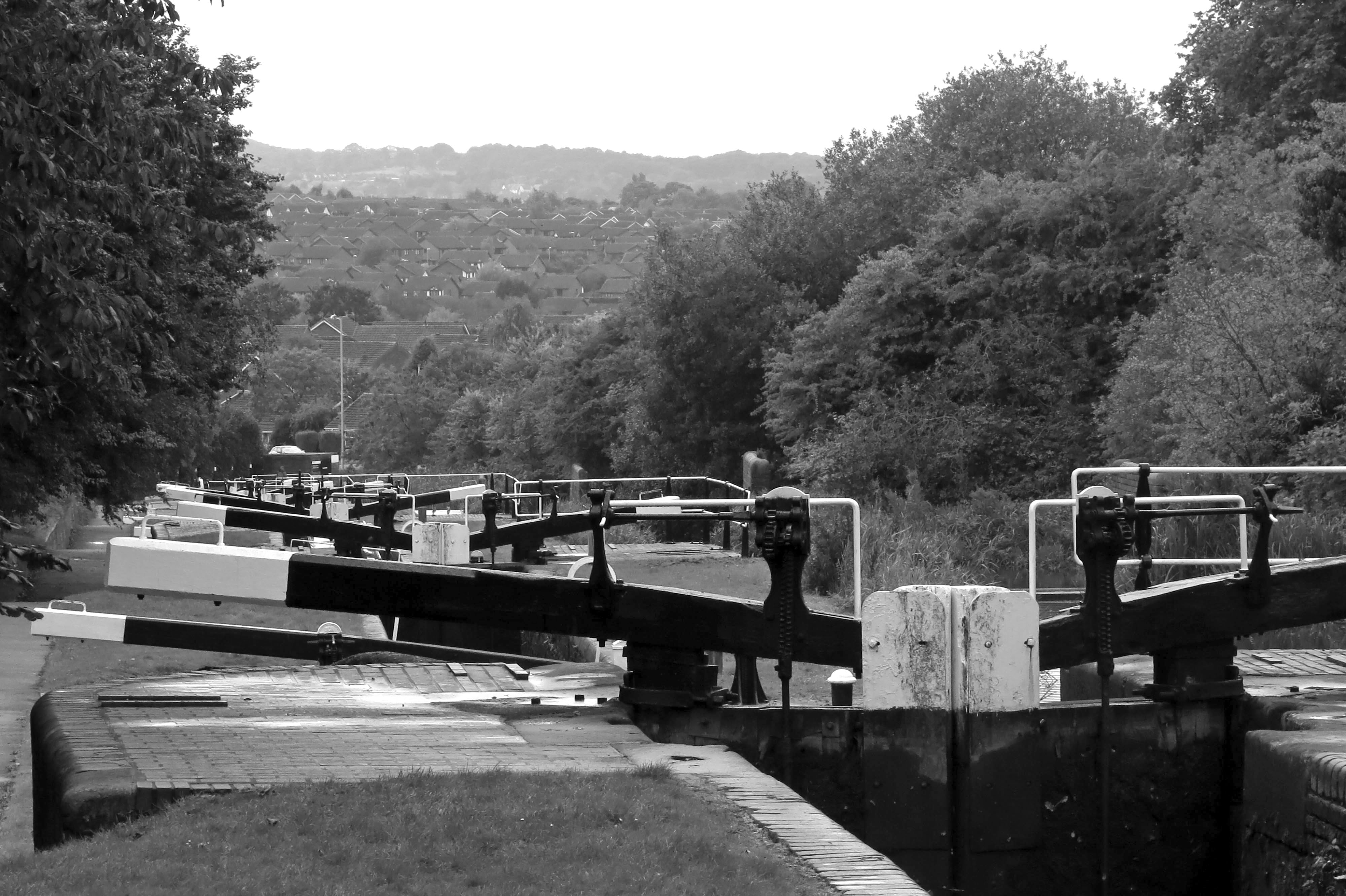
Further along the canal, Nine-Locks Bridge marks the beginning of Delph Locks, a flight of locks – originally nine but eight now – that cascades downhill to the lower country around Stourbridge, whose sprawl of rooftops could now be seen below.

At the bottom was a pub appropriately called The Tenth Lock. This was prime territory for murder ballads. The dark watery world of the locks was a fine setting for tales of drowning and lovers’ trysts gone badly wrong: a Victorian world of smoke and reeking factories, of hard lives; a polluted monochrome world, of choking industrial fogs that played tricks with the vision and mind.

Westering

My book Westering is published this week by the award-winning independent publisher Saraband. Beginning in Great Yarmouth and meandering to Aberystwyth, the book describes a coast-to-coast journey on foot traversing the Fens, East Midlands, Birmingham, the Black Country and central Wales.

Here is a brief extract from the first chapter. It should be noted that the accompanying photographs shown here are NOT included in the book.

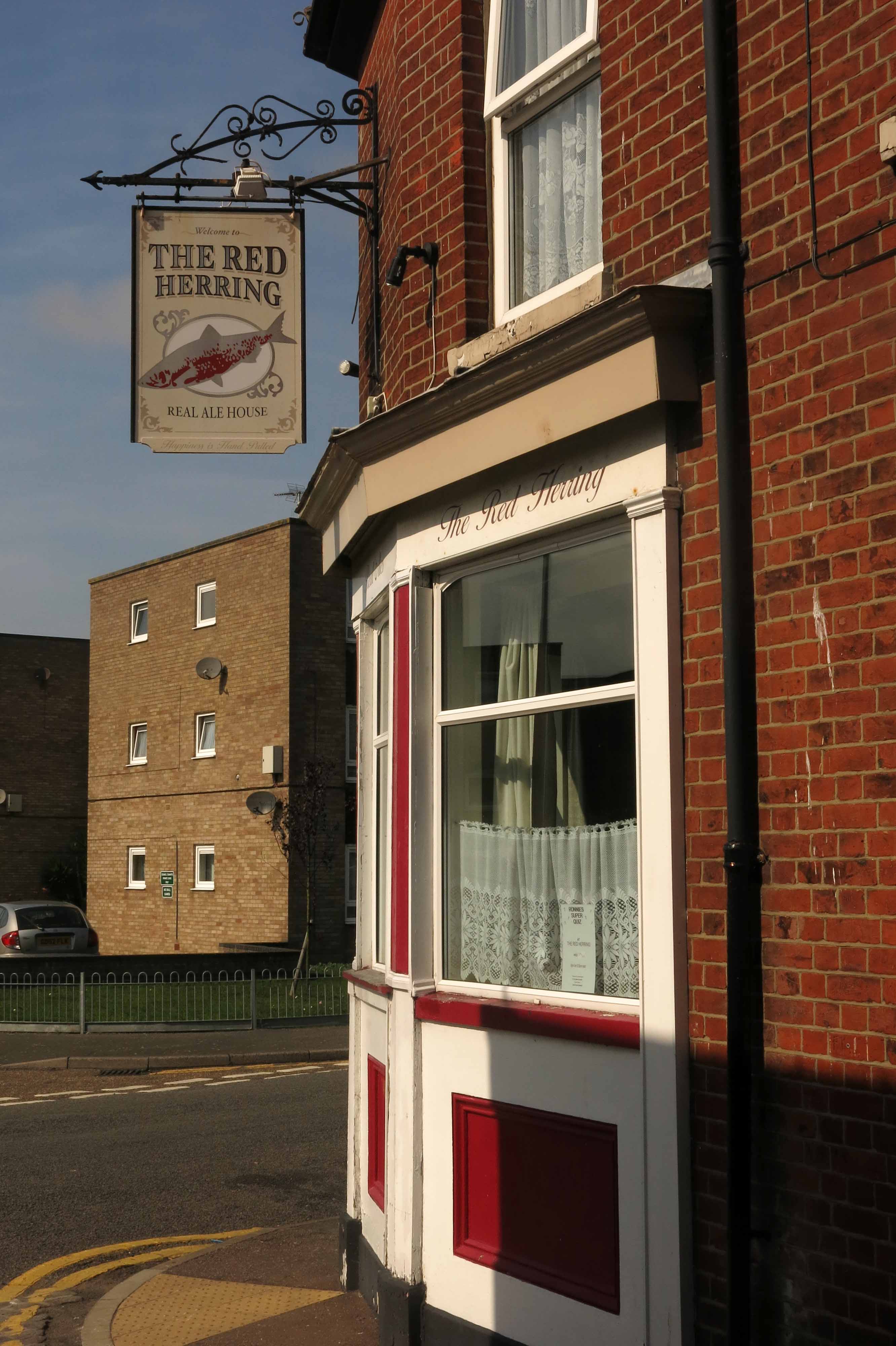
Extract from Chapter 1: Red Herrings

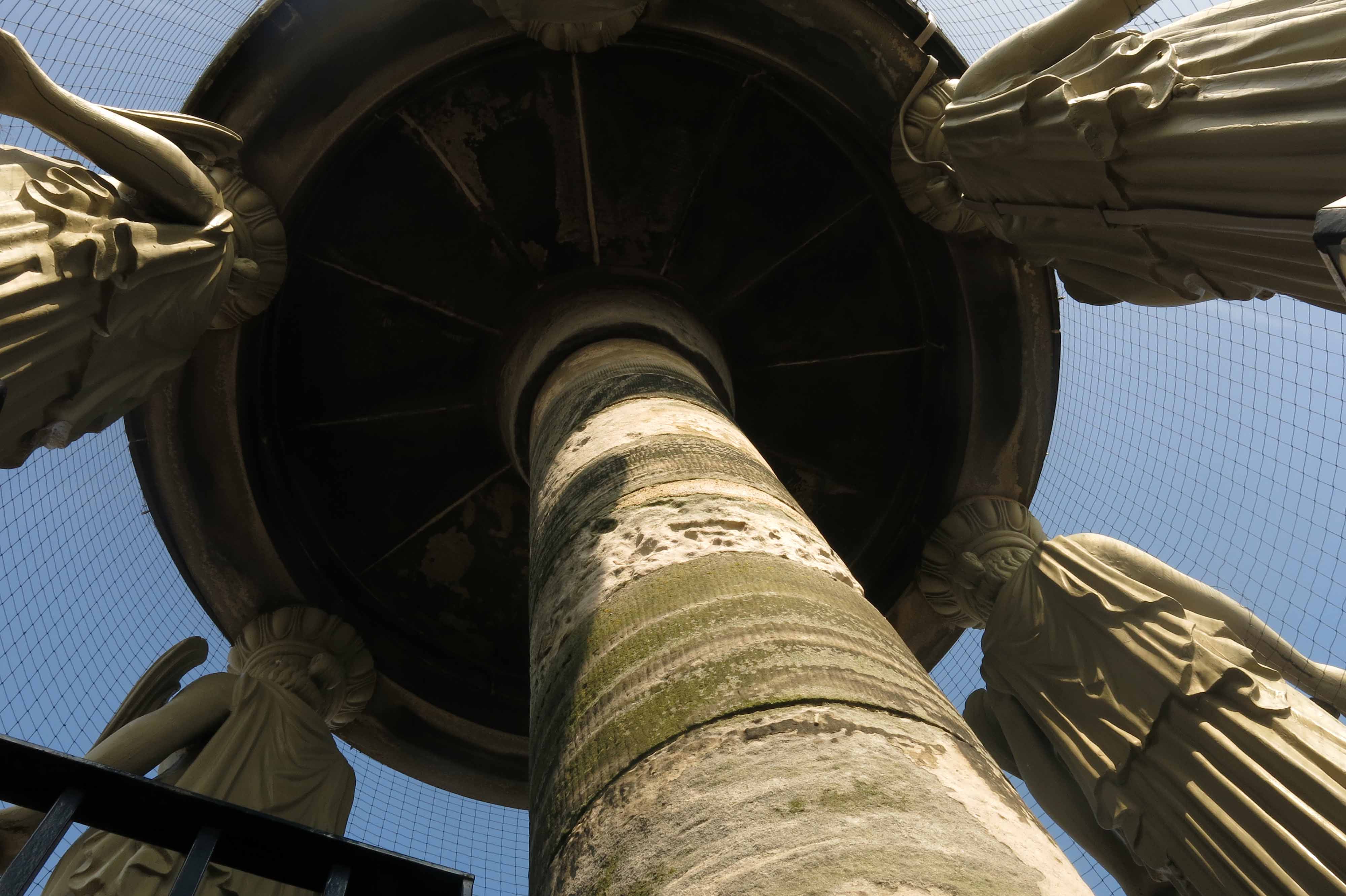
From our high viewpoint it was clear that Yarmouth developed on a sand spit, a narrow finger of land squeezed between the North Sea and the River Yare that points accusingly southwards in the direction of Lowestoft. Modern housing and light industry have long filled in the space between the river and the sea, and an industrial estate now surrounds the base of the column, but when the monument was first erected in the second decade of the 19th century, to commemorate Nelson’s maritime victories, it stood alone on a fishing beach, isolated from the town to the north.

Looking south, we could see the mouth of the River Yare at Gorleston. Just beyond were the Suffolk border and a cluster of holiday villages before the sprawl of Yarmouth’s historic rival, Lowestoft, Britain’s most easterly town. Further south still was the prim resort of Southwold, which, like its neighbours Dunwich and Walberswick, was once a mighty port before silting and coastal erosion took their toll. To the east lay the taut curve of the North Sea – a wave-flecked, grey-green expanse that diminished to a hazy vanishing point. A cluster of wind turbines, their blades almost immobile on this calm late-summer day, stood someway offshore at Scroby Sands. Across the water, far beyond the horizon, unseen even from our elevated viewpoint, were the polders and dykes of the Netherlands, a country that once had close economic ties with this easternmost part of England.

Some impulse had me imagining a time before the rising sea levels that followed the last glacial period, a time when a land bridge still connected Britain to Europe. Doggerland, as the territory has become known, now lies beneath the waves but it was a land of plenty just a few thousand years ago, roamed by mammoths, bison and small bands of Mesolithic hunters.

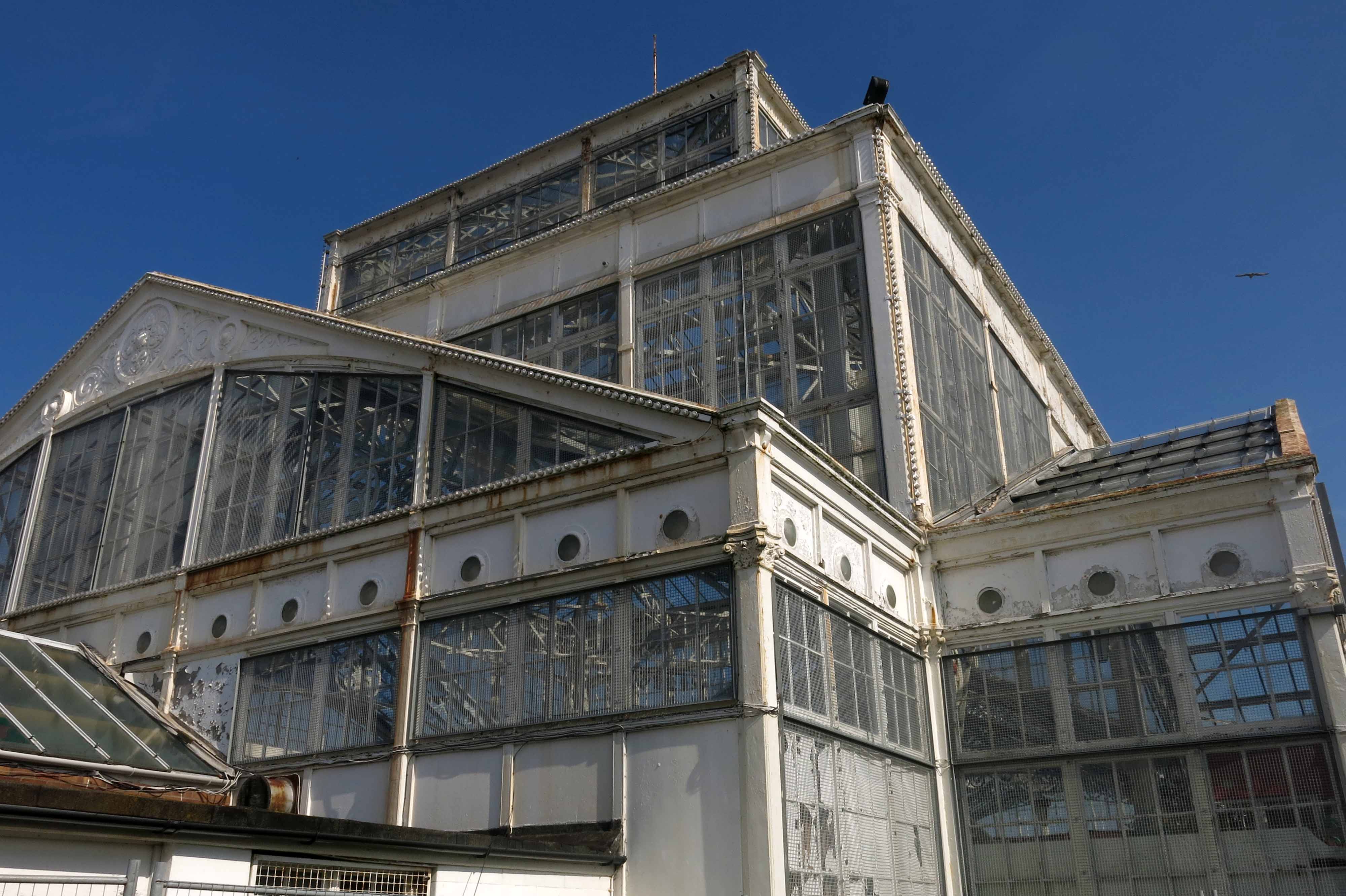
A little way beyond the entrance to Wellington Pier stands the intricate Victorian wrought-iron framework of the Winter Gardens, the last remaining building of its type in the country. Impressive but now empty and neglected, the structure resembles a giant multi-storey conservatory in need of a paint job: a potential future Eden Project in waiting (this is still one council member’s dream), if only the necessary funding could be raised. Although it looks perfectly at home here on the North Sea coast, the building was a blow-in from the southwest. Originally constructed in Torquay, it stood in that resort for twenty-four years before being carefully dismantled and barged around the coast in 1903 to take up residence here alongside Yarmouth’s then brand-new Wellington Pier.

Across the road from the Winter Gardens, the Windmill Theatre has a facsimile set of sails attached to its façade in impersonation of the Moulin Rouge in Paris, although it is doubtful if the floor show here was ever quite as racy as its French equivalent. Back in the 1950s, this building – which started life as The Gem, the country’s first electric picture house – hosted George Formby summer residencies. The Norfolk coast and the nearby Broads had become a second home for Formby in his twilight years when, rather than old-fashioned variety, public taste was starting to demand a more exciting, rock n’ roll flavour for its entertainment. But the entertainer and his ukulele always had a loyal following here on the Norfolk coast, where tastes were more down to earth. It did not take much imagination to turn the clock back to Yarmouth’s heyday and picture a grinning, Brylcreemed Formby strolling along this very same seafront in pullover and baggy flannels as he dreamed up double-entendres in the briny air.

Much of the Yarmouth that would have been familiar to Formby is still evident: the beach, the town’s ‘Golden Mile’ of amusement arcades, the miniature golf courses and pleasure gardens, the fast food outlets that gift the seafront a pungent cocktail of chip fat and fried onions (with notes of biodegraded phytoplankton from the beach and horse shit from the pony-drawn landaus). Such attributes are not as popular as they once were, but the town’s latter-day decline is the familiar story of many English seaside resorts in the late 20th century. The beach is still as pristine as ever, but a number of the town’s once-flourishing entertainment palaces now lie empty and abandoned. The Empire was one such place, a former theatre that lacked both audience and, until recently, a full complement of letters above its art nouveau doorway, its former terracotta cladding stripped and once-proud colonial name reduced by weathering and gravity to read ‘EMPI’. Although touted by some as an ideal venue for a future art gallery, it still stands empty and unloved.

A Welsh Chapel

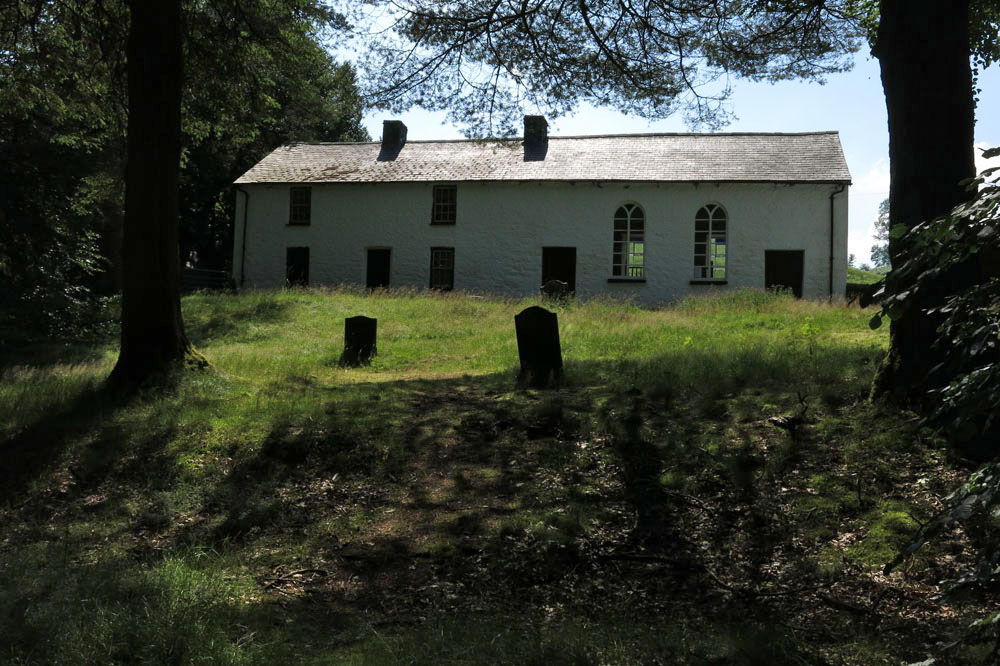
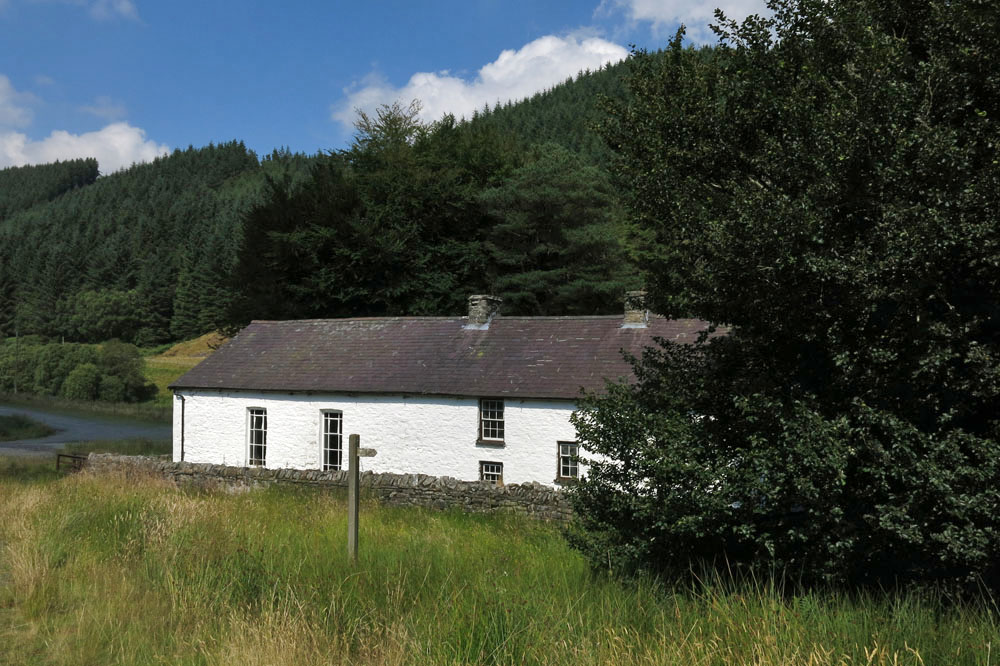
The isolated Calvinist Methodist chapel of Soar-y-mynydd is often claimed to be the remotest in all of Wales. Certainly, it lies in a very quiet spot: close to the eastern limit of Ceredigion, eight miles southeast of Tregaron within the parish of Llanddewi Brefi (of Little Britain fame)

Built in 1822 to serve a widely scattered congregation of farmers and sheep drovers, it would have originally stood close to the road to Llandovery that followed the Cammdwr valley south. Like many other central Welsh valleys, this was flooded in the 1970s to provide a reservoir that now extends close to where the chapel stands.

Despite its relative isolation the chapel has seen illustrious visitors over the years. Many poets and artists have been inspired by its whitewashed simplicity and even former US President Jimmy Carter was impressed when he visited on a fishing holiday in 1986. (A painting of the chapel by Ceredigion artist Wynne Melville Jones was subsequently presented to the former president in appreciation of his visit.)

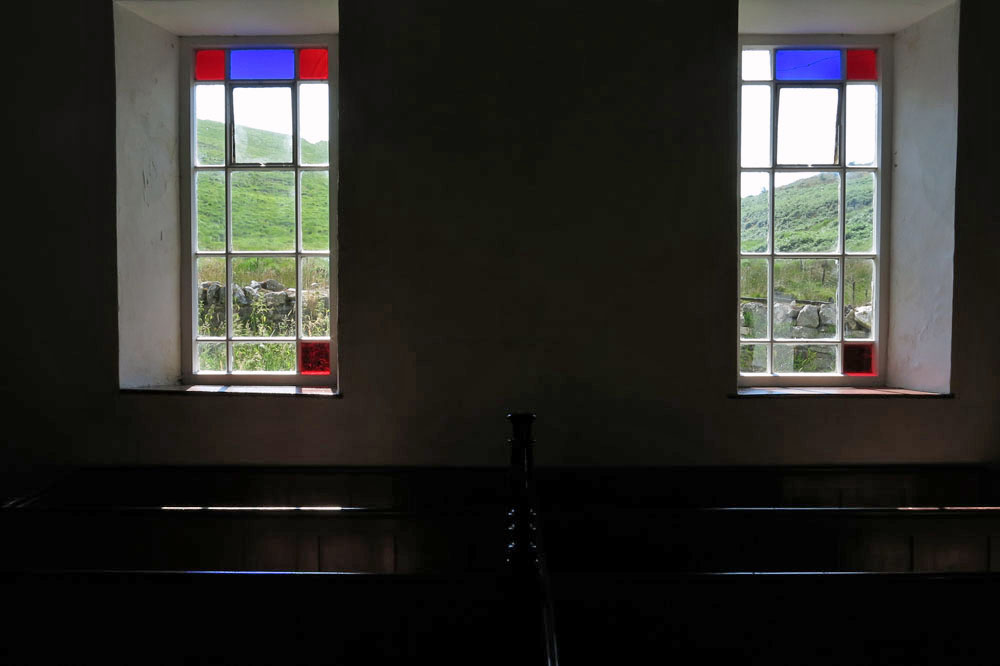
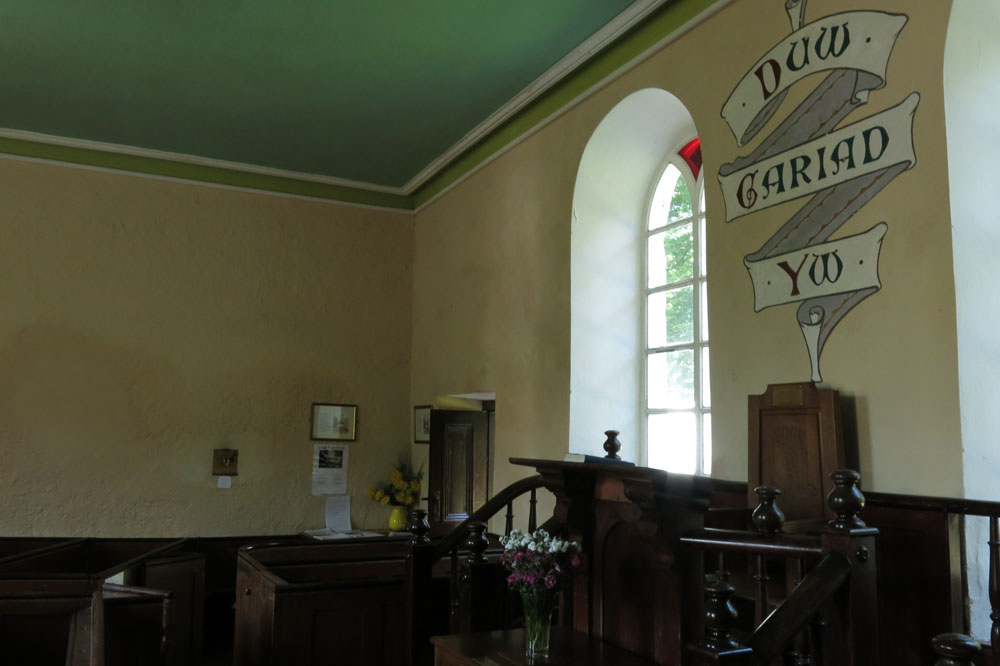
The chapel interior is simple, not exactly austere but unfussy: tightly packed wooden benches dappled with red and blue light from the Mondrian-esque stained glass; plain walls that seem to resonate with earnest drovers’ prayers and ancient Welsh voices. On one of the walls a painted scroll bears the simplest of messages: Duw cariad yw (‘God is love’).


To the Lighthouse

img_7066

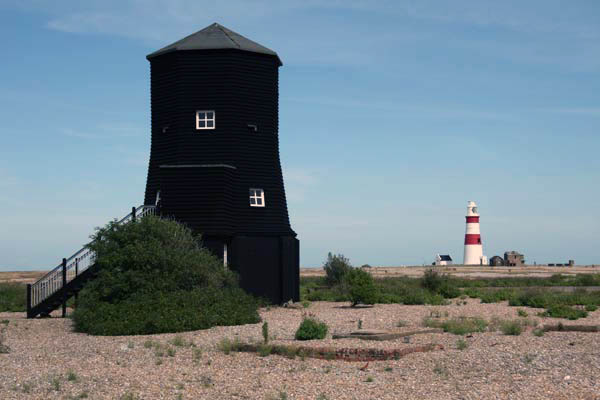
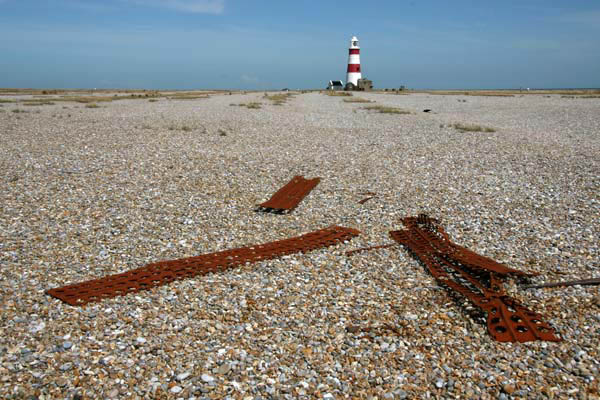
They are taking the lighthouse down. It was really just a matter of time. Time and tide, it is said, wait for no man, and the two make for a powerful combination on this rapidly changing shoreline. The Orford lighthouse has stood here on the Suffolk coast since 1792, the 11th to stand on the same spot. All the previous lighthouses, mostly flimsy wooden structures, were lost to the sea; this one built by Lord Braybrooke of Audley End has lasted longer than any before it.

The ongoing demolition is simply a matter of being one step ahead of what will happen naturally as a result of longshore drift. Built as a very necessary warning for shipping and continually in service until its decommission in 2013, in more recent times the lighthouse has served as a bold territorial marker for this curious – and one-time secretive – strip of coastline. What it stands upon is not an island as it may seem but a spit – a long stretch of shingle, marsh and sand that sits between the estuary of the River Alde and the North Sea like a curving finger pointing south. Along with an expanse of pylons and weapon-testing ‘pagodas’, this red-and-white band structure has been an icon for the territory of Orford Ness, a place of Cold War secrets, sea-scraped shingle, wildlife and, in recent years, National Trust day trippers. Because of its dark history and evocative, lonely location, the Ness has also seen service as an unsanctioned psychogeographical theme park, a go-to liminal zone for enraptured lone males and Sebaldian shore-shufflers (myself included).

img_7051

While we are all losing a lighthouse, I am losing a gravatar for my blog and twitter feed. I suppose I ought to replace it with something new but I will keep it for a while as a tribute to the lighthouse’s ghosted memory. As for the lighthouse itself, it is hoped that the lantern will be reused to form part of a memorial structure on land across from the Ness on Orford Quay.

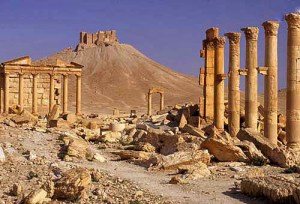
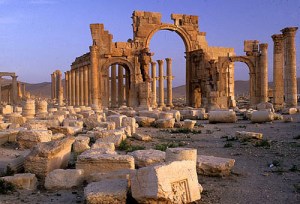
Not for the first time have iconic buildings world vanished overnight. The lighthouse’s destruction is, at least, planned and been a long time coming. Other well known places I have visited have met more violent ends – vicious executions rather than gentle euthanasia. I refer to some of these in a post on Palmyra from five years ago. Syria seems like a dream now; something I might have imagined. The reality is that the country I experienced as a welcoming place nearly twenty years ago has since become a land of nightmares.

SYR006LM          syr025lm

Going further back in time, it feels equally strange to recall having once spent several days in a hotel that overlooked the enormous sandstone Buddhas of Bamiyan in central Afghanistan. This was back in the halcyon days when the country was a way-station on the so-called Hippie Trail to India, long before the Taliban decided to blow the Buddhas up as blasphemous objects of idol worship (even then, the statues’ faces had already been disfigured by angry iconoclasts).

To continue a tally of Zelig-like appearances at places associated with doomed futures, I might also mention a visit to the World Trade Centre in New York on my first visit to the city in 1986 – of having once stood in a small room at the very top of the structure, a space that now existed as just a cube of empty sky above a disaster zone. Or a visit to a place that languished in a void between destruction and repair: Mostar in Bosnia and Herzegovina, still a broken city when I visited in 2003, the absence of its beautiful 16th-century Ottoman bridge hanging like a question mark above the rubble-filled turquoise of the River Neretva. The bridge was faithfully rebuilt with foreign investment and reopened in 2004. As beautiful as before but somehow sad and perhaps even futile, the reconstruction was a gesture of hope more than anything else — the Muslim east and Croat west banks of the river would remain as places apart in terms of religion, culture and political allegiance.

Less exotically, I also recall the cooling towers that used to stand next to the M1 in Tinsley, Sheffield – twin behemoths that could be seen from the windows of the school where I did my first teaching practice in the city. The towers, devoid of function since 1980, possessed a grace and heft that seemed to perfectly symbolise Sheffield’s industrial past (as did the abandoned steelworks of the Don Valley, which were eventually cleared to provide the land for the inevitable – a massive shopping complex, Meadowhall). Like the Orford lighthouse, and also the equally iconic cooling towers that stood at Ironbridge until last year, the Sheffield towers were finally expunged from the landscape. It took just seven seconds to reduce the 76 metre towers to rubble. For now, like the Orford lighthouse, they remain as a memory, a ghost of landscape that will fade with time.