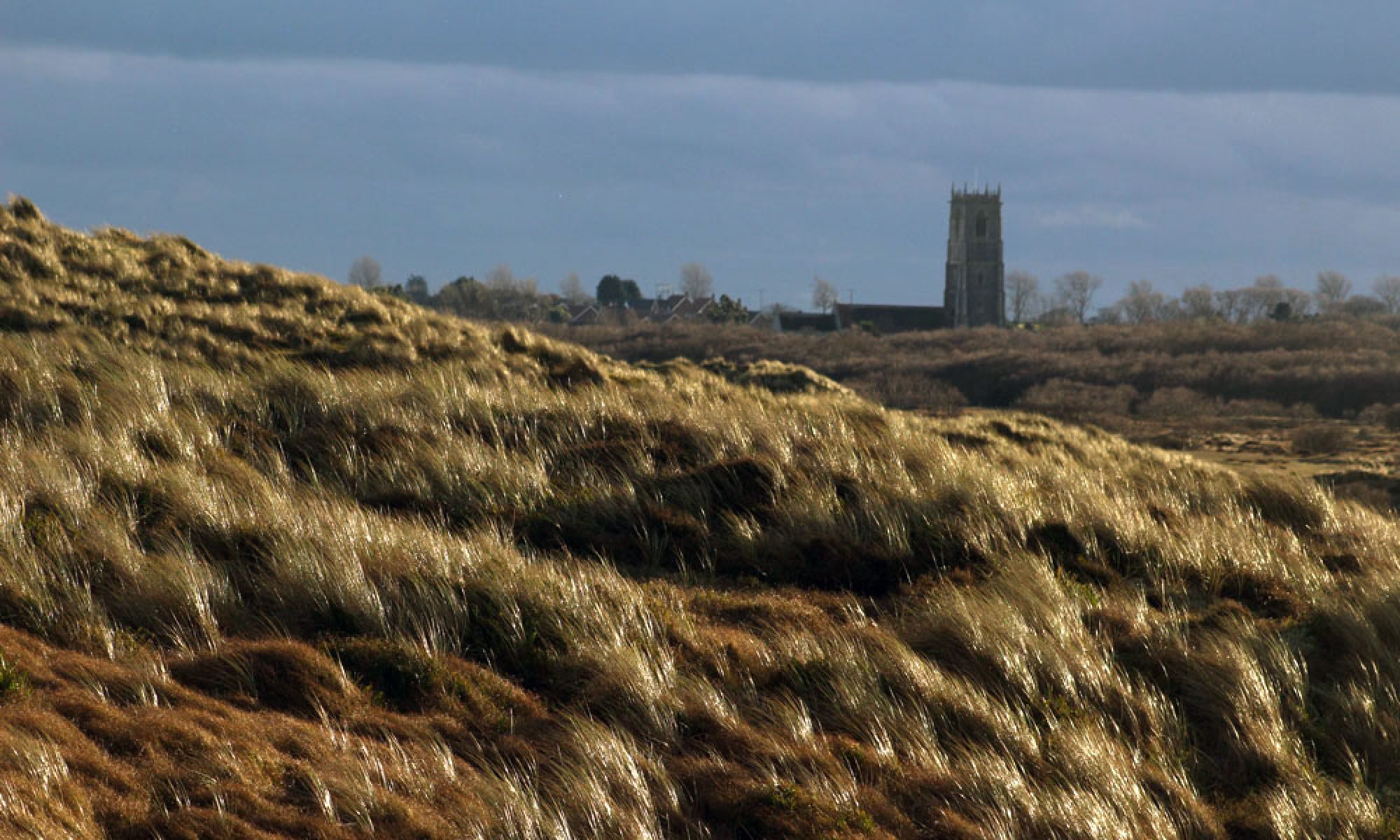
‘It is just the one crag of rock, as everybody knows, but great enough to carve a city from.’
Robert Louis Stevenson Catriona
Japan’s Mount Fuji is a dormant volcano that looks just like a volcano should. An almost perfectly symmetrical, snow-capped cone, its image is deeply embedded in the Japanese psyche. Sacred, beautiful, mysterious, its most iconic representation in art is the Thirty-Six Views of Mount Fuji series painted late in life by the ukiyo-e artist Katsushika Hokusai (1760—1849). Probably the best known of the series is Under the Wave off Kanagawa, which depicts a distant Fuji framed by a terrifying tsunami wave. My own favourite is no. 33 Fine Wind, Clear Morning, which shows Fuji’s cone rendered deep crimson by the rising sun. Featuring delicate cirrus clouds against a blue sky and iconic sun-lit mountain, its aesthetic simplicity ticks all the essential boxes of classic Japanese woodblock art.

In the United Kingdom, a long way from the tectonic frontline of the Pacific’s Ring of Fire, our volcanoes are of a more ancient vintage. Not so much dormant as comatose, long inactive through an aeon-slow unfolding of geological time, all that we have are fossilised remnants of our islands’ distant fire-spewing past. In Scotland, Arthur’s Seat just outside Edinburgh is one such example, as is the rock upon which Edinburgh Castle sits — both volcanic remnants from the Carboniferous period that gripped the Earth over 330 million years ago. Further east, close to the mouth of the Firth of Forth, the island of Bass Rock, located about two kilometres offshore, is of similar pedigree. An igneous volcanic plug created when magma hardened within the vent of an active volcano, the surrounding rock eventually eroded to expose the plug and leave an upstanding landform that rises 100 metres above the water it finds itself in today.
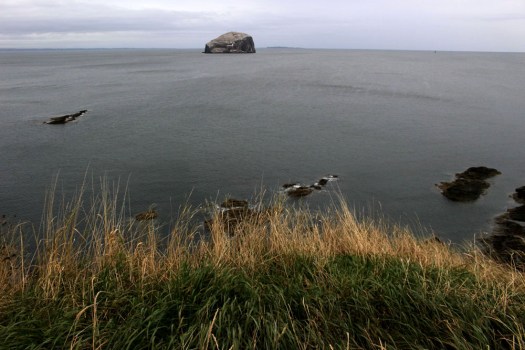
Bass Rock is probably better known for its bird life than its geology. Northern Gannets nest here in enormous numbers — something in the order of 150,000, making the rock the largest colony of the seabird in the world. The gannets are not permanently resident but leave the rock after breeding each year, migrating their way south for the winter. They were still present when we viewed the rock from the East Lothian shore at Tantallon Castle in October, a small number of the birds straying from the security of the rock to fish close to the shore.

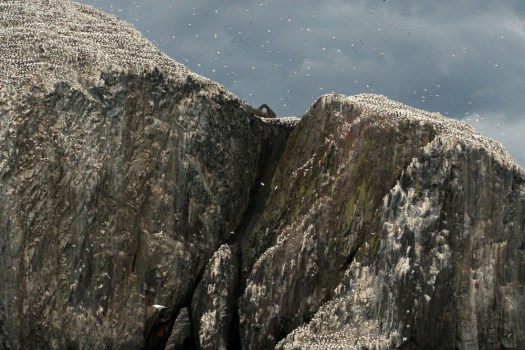
We had seen Bass Rock from a much closer viewpoint six years previous when we had sailed past it on a boat. It was June then, the height of the breeding season, and the birds seemed to fill the sky above the guano-washed rock, crisscrossing haphazardly above our heads before peeling off to plunge vertically at great speed into the sea in pursuit of fish. On that occasion we were able to smell the colony long before we arrived – an ammoniacal stench so strong that you could almost see its vapour shimmer skywards. Our boat drew close enough to the rock to be able to identify the individual nests of birds, and we could also make out the ruin of St Baldred’s Chapel atop the rock – not the most obvious place for a retreat into the spiritual life given the omnipresence of eye-watering guano deposited by the rock’s hyperactive tenants.
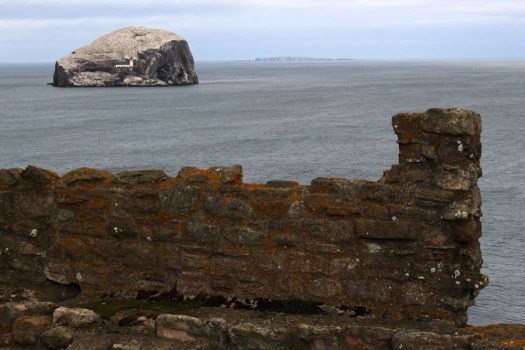
Even from the more distant viewpoint of the shore we could discern the rock’s landing places, a fragment of the old castle remains and the white lighthouse, designed by Robert Louis Stevenson’s cousin, David. Although there was nothing to be seen now, there was also once a gaol here. James I incarcerated a number of political enemies here in the 15th century, and two centuries later religious prisoners, Presbyterian Covenanters mostly, were also held on this island prison.
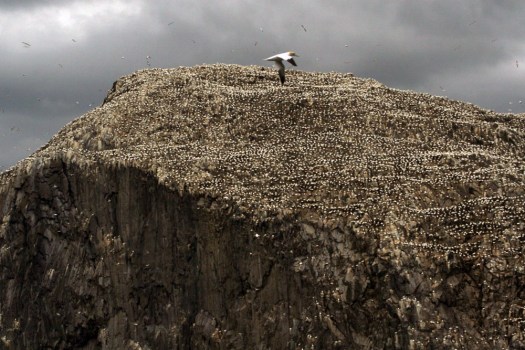
Comparisons between Mount Fuji and Bass Rock are, of course, futile. But there is at least some commonality: both are/were volcanoes; both are capped with white. Hokusai famously produced 36 different views of his beloved mountain, each work unique in terms of distance, viewpoint and time of year. I can only offer something far more modest. Here then, are six views of Bass Rock, taken either in June or October, from shoreline (Tantallon Castle and North Berwick) and from sea.

 Today is St Patrick’s Day and March 17 is the supposed date of the 5th-century missionary’s death. Patrick was the forerunner of many early missionaries who came to Irish shores to preach Christianity, the island more receptive to new ideas about religion than its larger neighbour to the east across the Irish Sea. Consequently Ireland abounds with relics and ruins of early Christianity, sometimes in the most improbable of places.
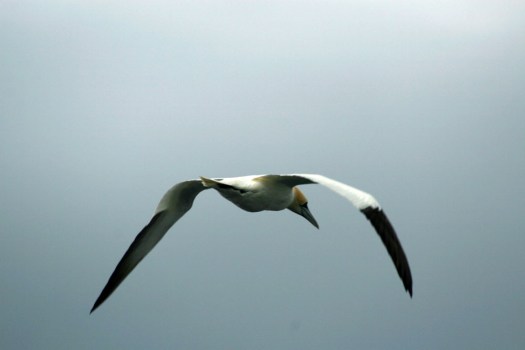
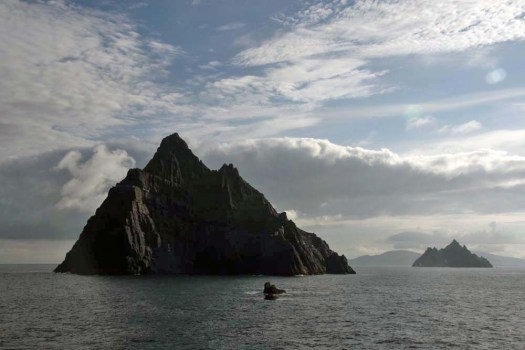
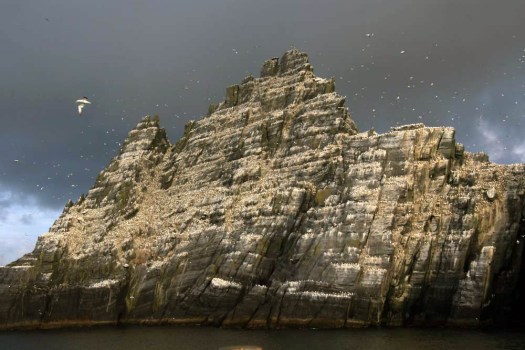 Sailing around Ireland’s southwest coast, skirting the peninsulas that splay out from the Kerry coast, the two islands of the Skelligs come into view after rounding Bolus Head at the end of the Inveragh Peninsula. Both islands are sheer, with sharp-finned summits that resemble inverted boat keels. The smaller of the two appears largely white at first but increasing proximity reveals that the albino effect is down to a combination of nesting gannets and guano. The acrid tang of ammonia on the breeze and distant cacophony announce the presence of the birds well before the identity of any individual can be confirmed by binoculars.
 As the boat draws closer, the sheer volume of birds – gannets, fulmars, puffins, terns – becomes plain to see. With something like 70,000 birds, Little Skellig is the second largest gannet colony in the world. But on the larger island of Skellig Michael, although seabirds abound here too, there is also the suggestion of a human presence, albeit an historic one. High up in the rocks, small stone structures can be discerned: rounded domes that are clearly man-made and which soften the jagged silhouette of the island’s summit. These are beehive cells, the dry-stone oratories favoured by early Irish monks for their meditation. Sitting aloft the island on a high terrace, commanding a panoramic view over the Atlantic Ocean in one direction and the fractal Kerry coast in the other, these simple stone cells came without windows – the business was one of prayer and meditation not horizon-gazing. Such isolation was necessary for reasons of both safety and spirituality. And Skellig Michael was the acme of isolation. In the early Christian milieu the Skellig Islands, facing the seemingly limitless Atlantic off the southwest coast of Ireland, were more than merely remote: they were at the very edge of the known world.
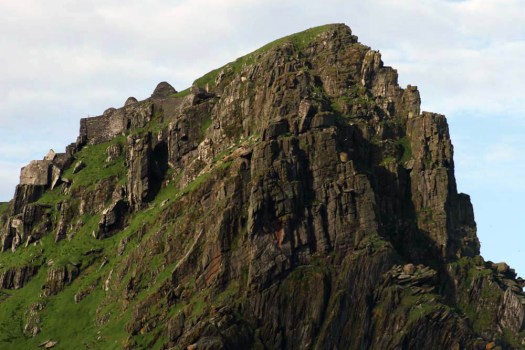 The island’s monastic site is infused with mystery, as all good ruins are, but is thought to have been established in the 6th century by Saint Fionán. Consisting of six beehive cells, two oratories and a later medieval church, the site occupies a stone terrace 600 feet above the swirling green waters of the sea below.
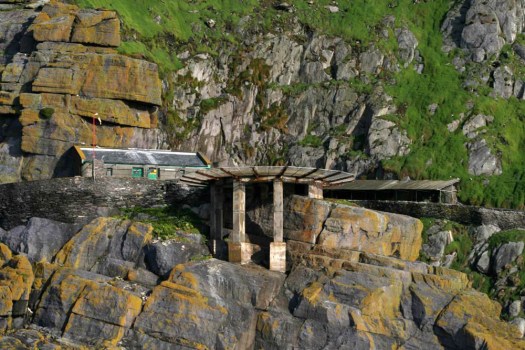 Skirting Skellig Michael, a landing stage with a helicopter pad comes into view. A vertiginous path of stone steps leads up towards the beehive huts close to the island’s mountain-like summit. We do not disembark. Instead we keep sailing, bound for a safer harbour in Glengarriff in County Cork. No matter, the sight of the rocks, the winding, climbing path and the austere cells on the terrace at the top is already imprinted on our memory.
 Without doubt this was a life of supreme hardship: the isolation, the relentless diet of fish and seabird eggs, the ever-battering wind and salt-spray. Such was the isolation, and so extreme the privations of this beatific pursuit, that one might assume that the monks would have been left in peace to practice their calling. This was not to be. Viking raiders arrived here in the early 9th century and took the trouble to land, scale the island’s heights and attack the monks. For most of us it is probably difficult to comprehend the blind-rage fury of the raiders, the wrath invoked in them by pious upstarts with their new Christian God. Easier perhaps is to imagine the dread that must have been felt by the monks as the Vikings approached their spiritual eyrie.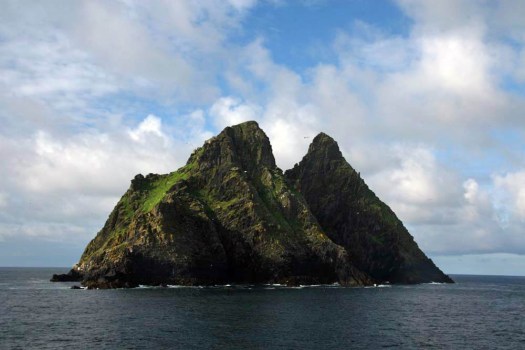
 East of Elveden