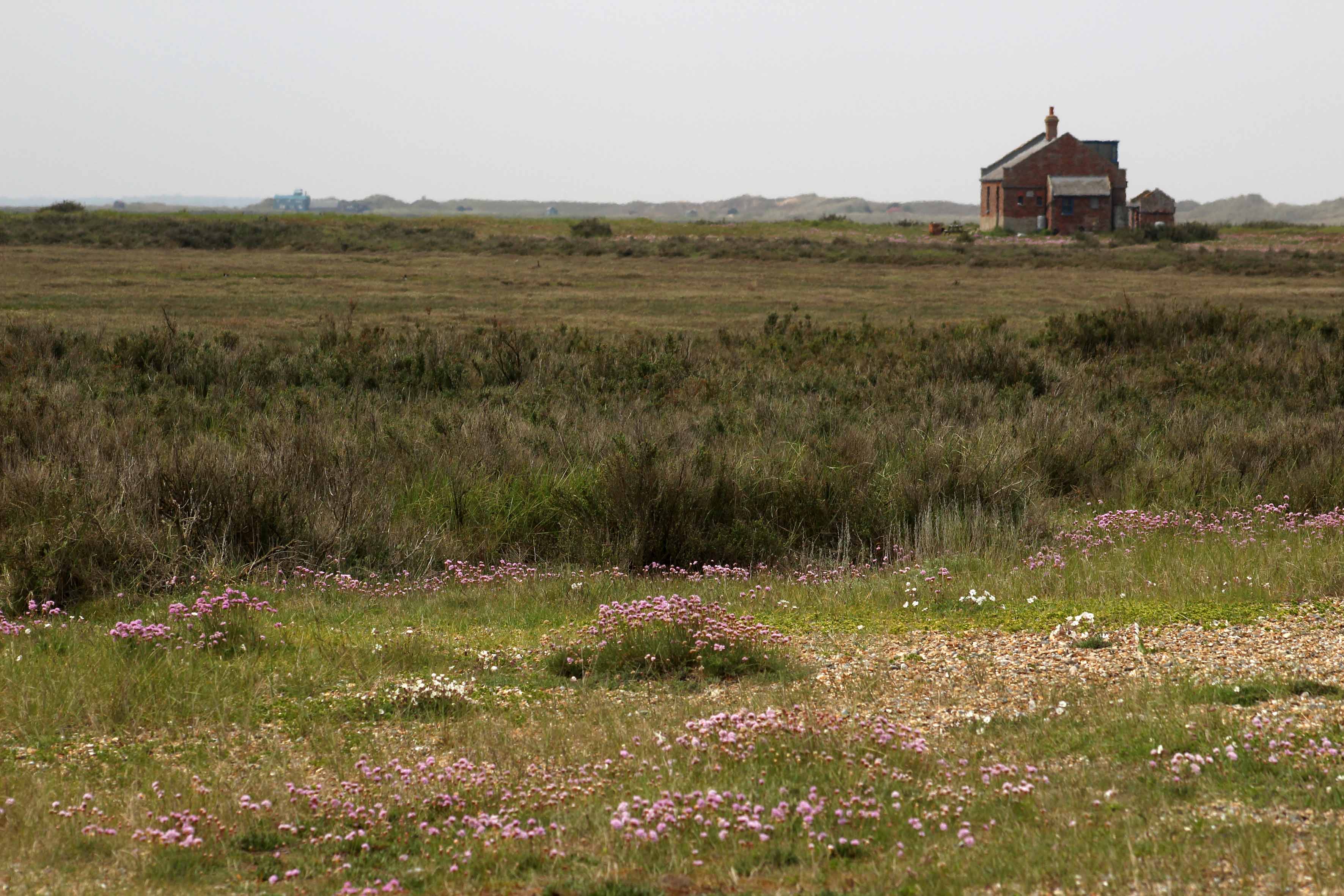
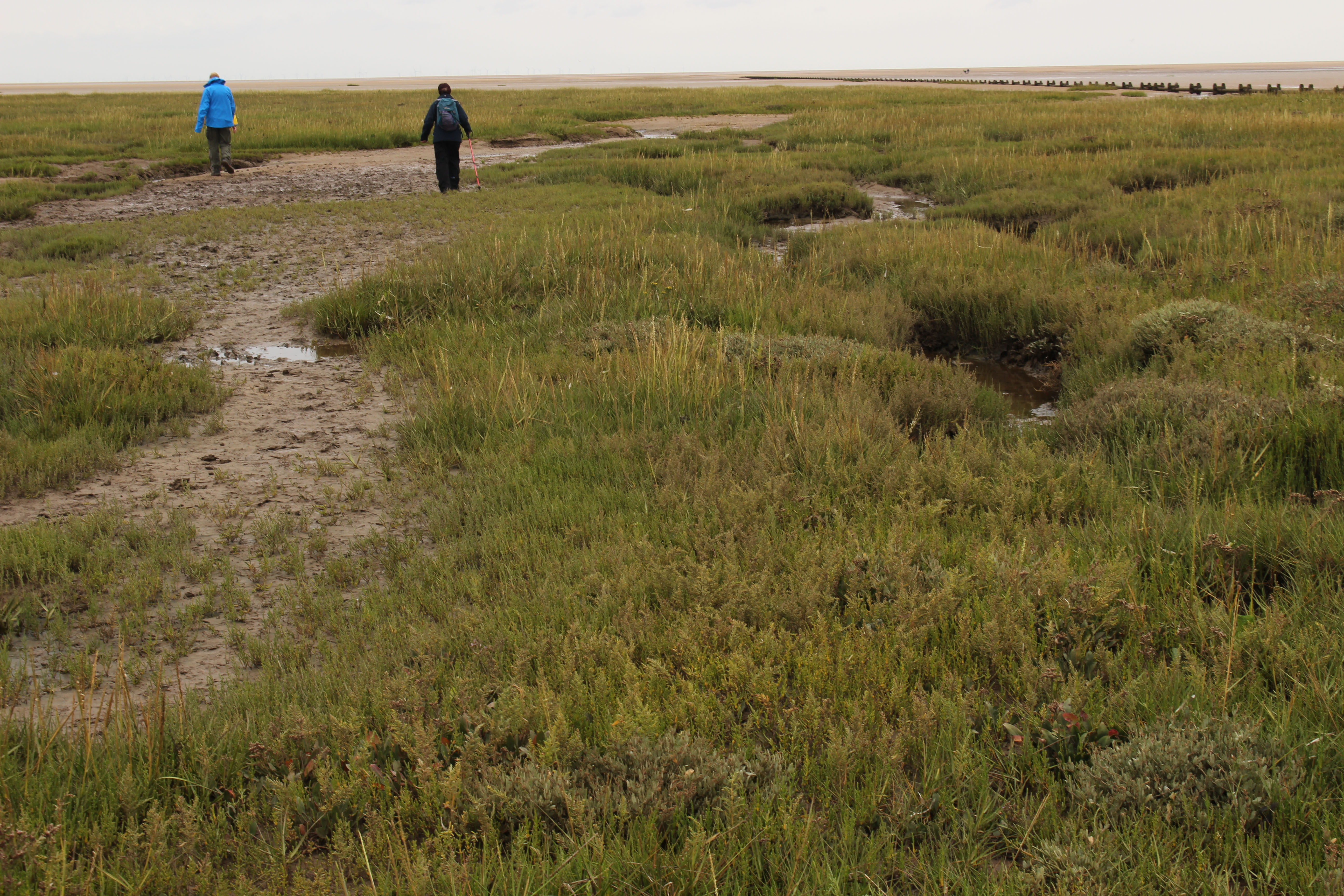
A warm, slightly hazy day on the north Norfolk coast; a day caught on the cusp as an unusually cold spring stumbles into an, as yet unknown, summer. We walk west past a few lobster boats from the beach car park at Cley-next-the-Sea, scrunching through the shingle to reach a meandering path that leads through low glaucous shrubs at the edge of a salt marsh. Just beyond the shingle ridge to our right is the North Sea, a constant mineral grumble of pebbles grinding on the tide; an aural massage – maritime poetry in motion. In the distance ahead, a solitary single–storey building, ‘Halfway House’, cuts a lonely figure in the landscape. Beyond this, in the murky haze at the very end of the Point, is the bright blue of the onetime lifeboat station that now serves as a visitor centre.
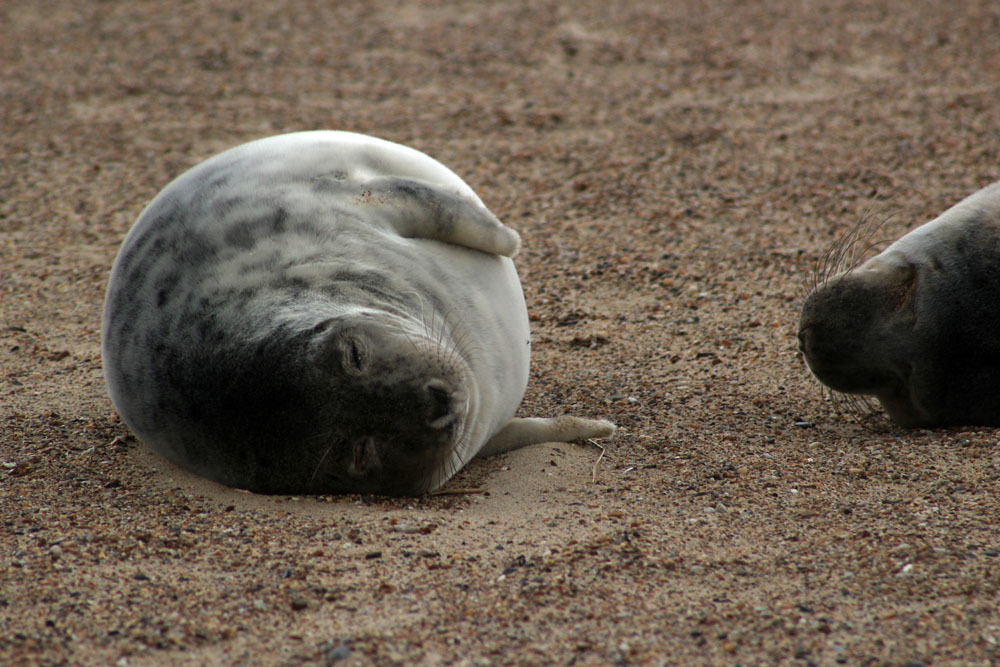
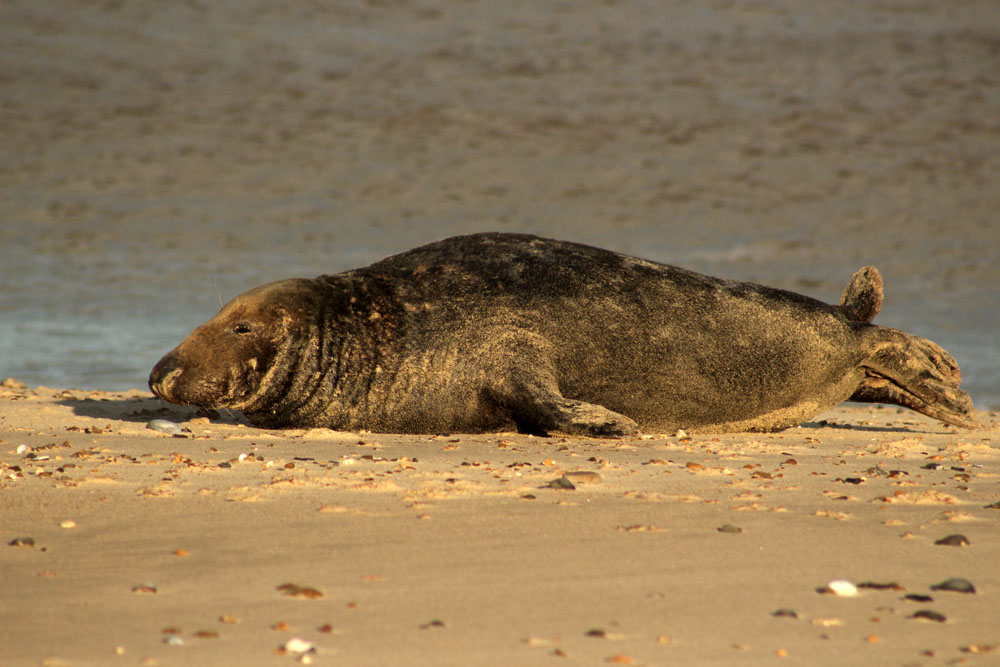
So what’s the point? Or rather, where is the Point? Blakeney Point is a shingle spit that begins at Cley Beach and extends like a claw nearly four miles to the west, the result of centuries of longshore drift piling up sand and stone to create new land. Although famous for its breeding population of harbour and grey seals, we are here today for its little terns, which nest at awkward and not particularly sensible places in the shingle leaving their eggs vulnerable to high tides and attack by opportunist predators like gulls and kestrels. Our friend Hanne is one of several volunteers responsible for keeping an eye on the birds.
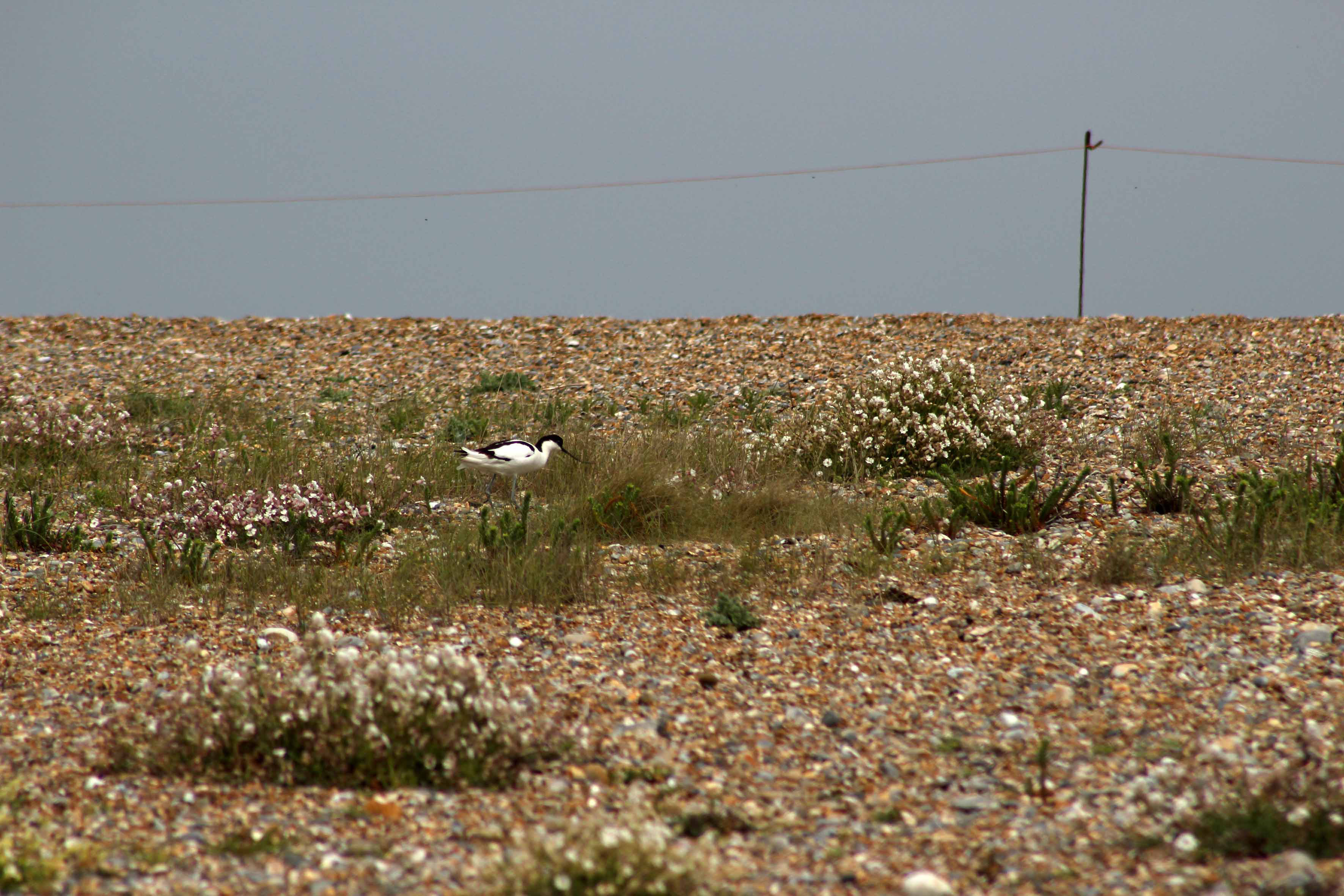
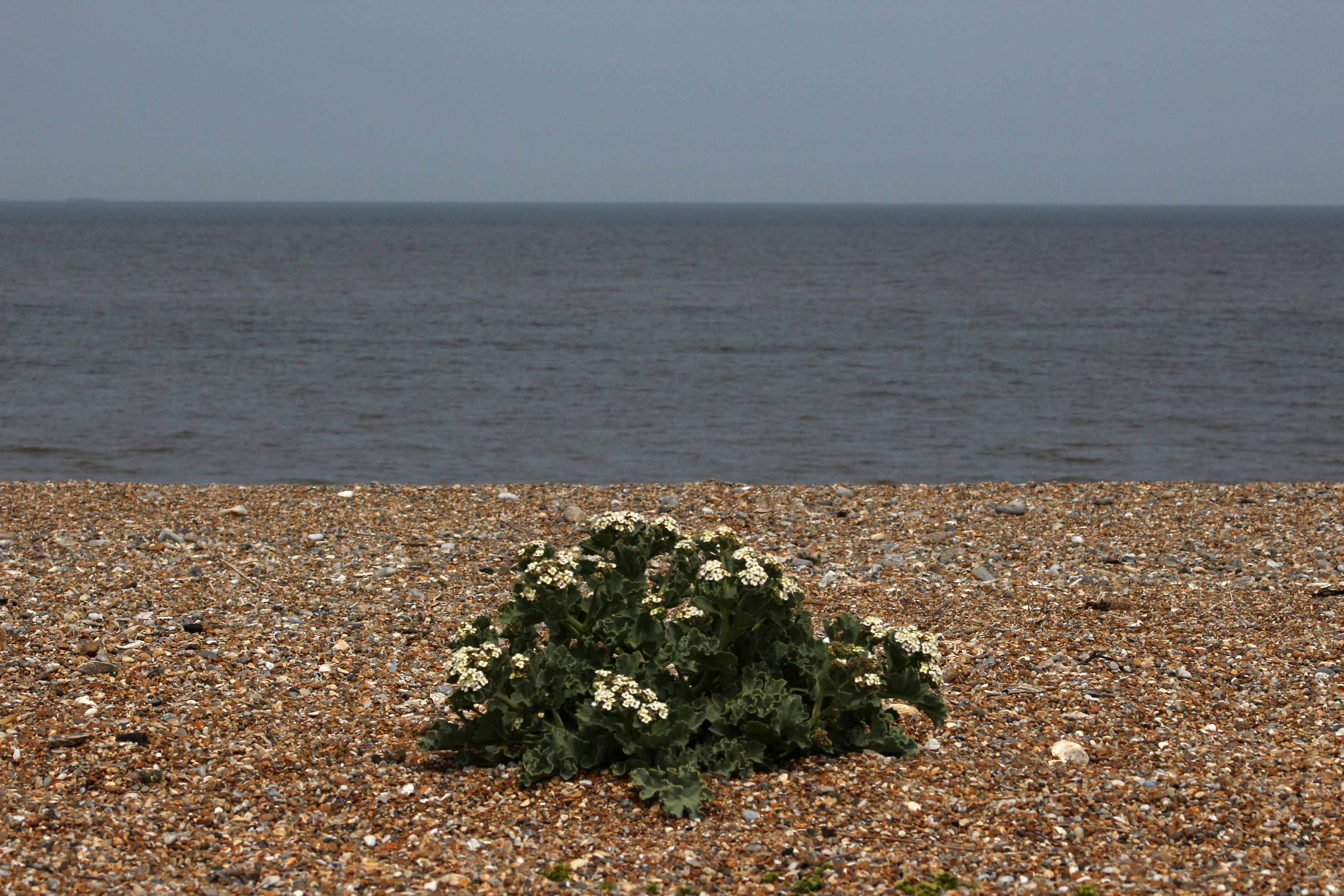
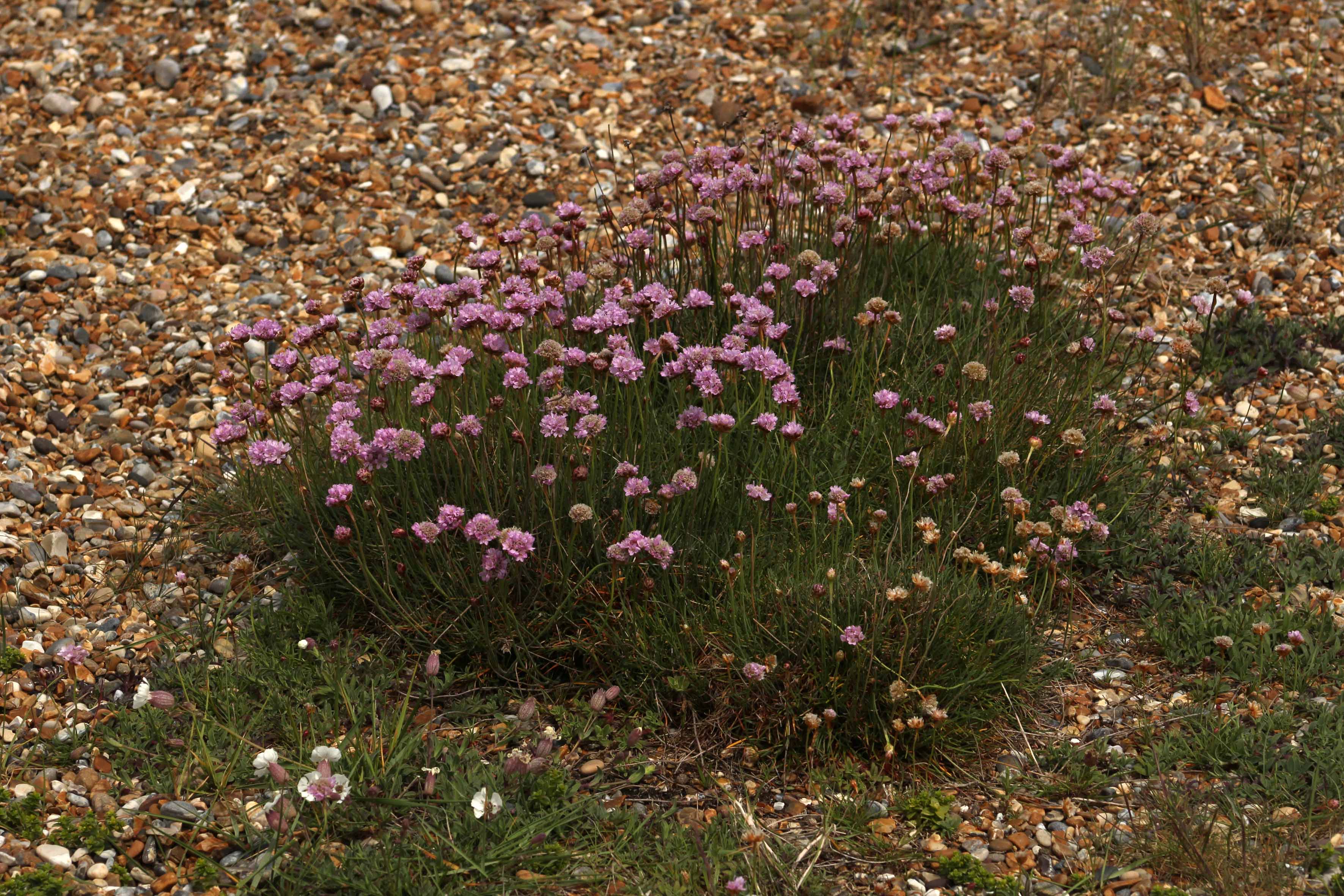
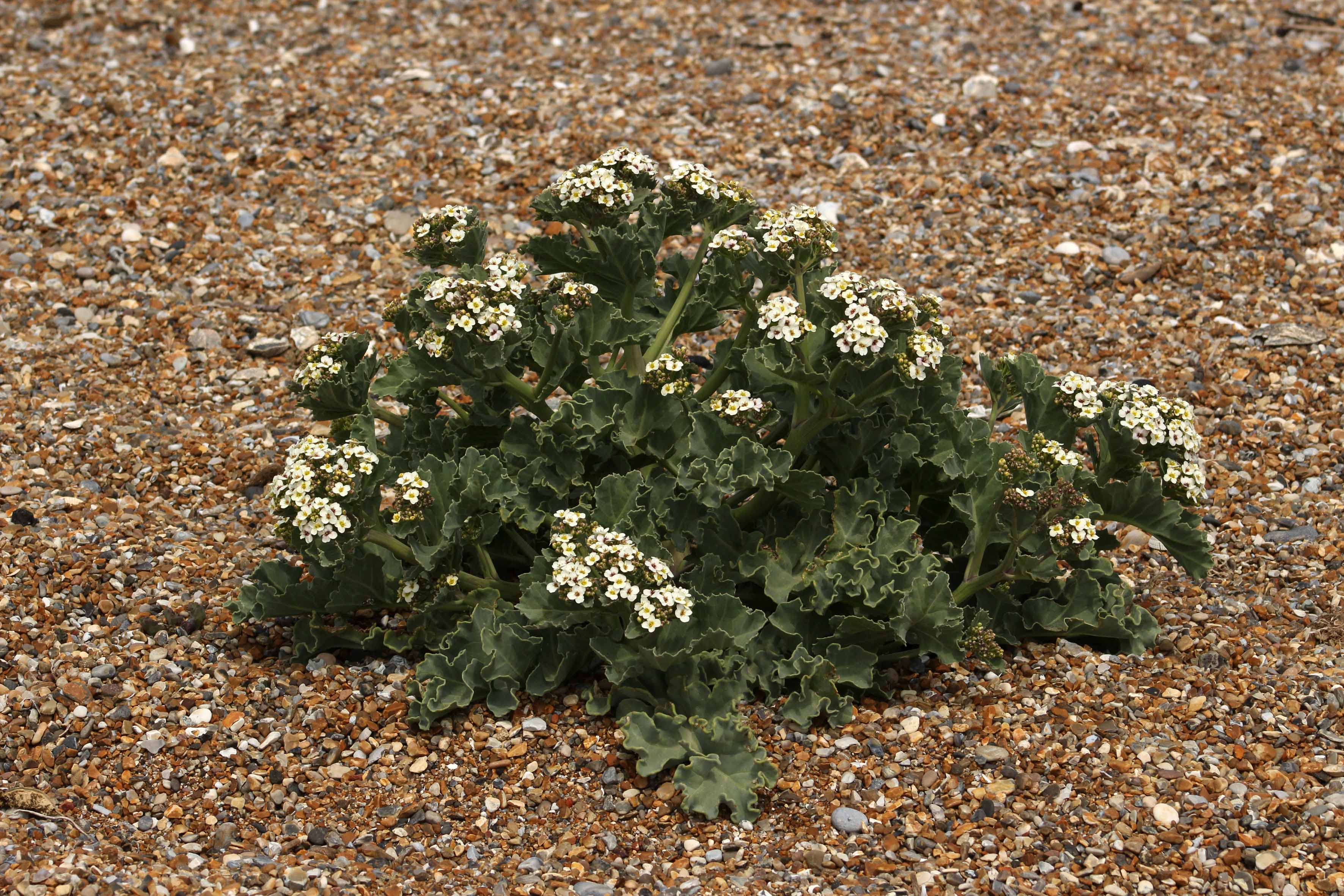
A cordoned-off area of shingle encloses some of the tern’s nests, although many by now have moved on west to the end of the Point. There are oystercatchers too, and avocets – each species doing its best to mind its own business. Salt-tolerant plants like sea beet, sea campion and biting stonecrop are all anchored in the firmer shingle, while at the looser-stoned apex of the ridge that slopes steeply down to the water seakale is in full bloom. Elsewhere, clumps of yellow horned poppy, another shingle specialist, are starting to throw up flower heads in readiness for blooming. A place that instinctively you feel should be barren; it seems remarkable that anything can grow here nurtured by little else but stone, sand and saltwater.
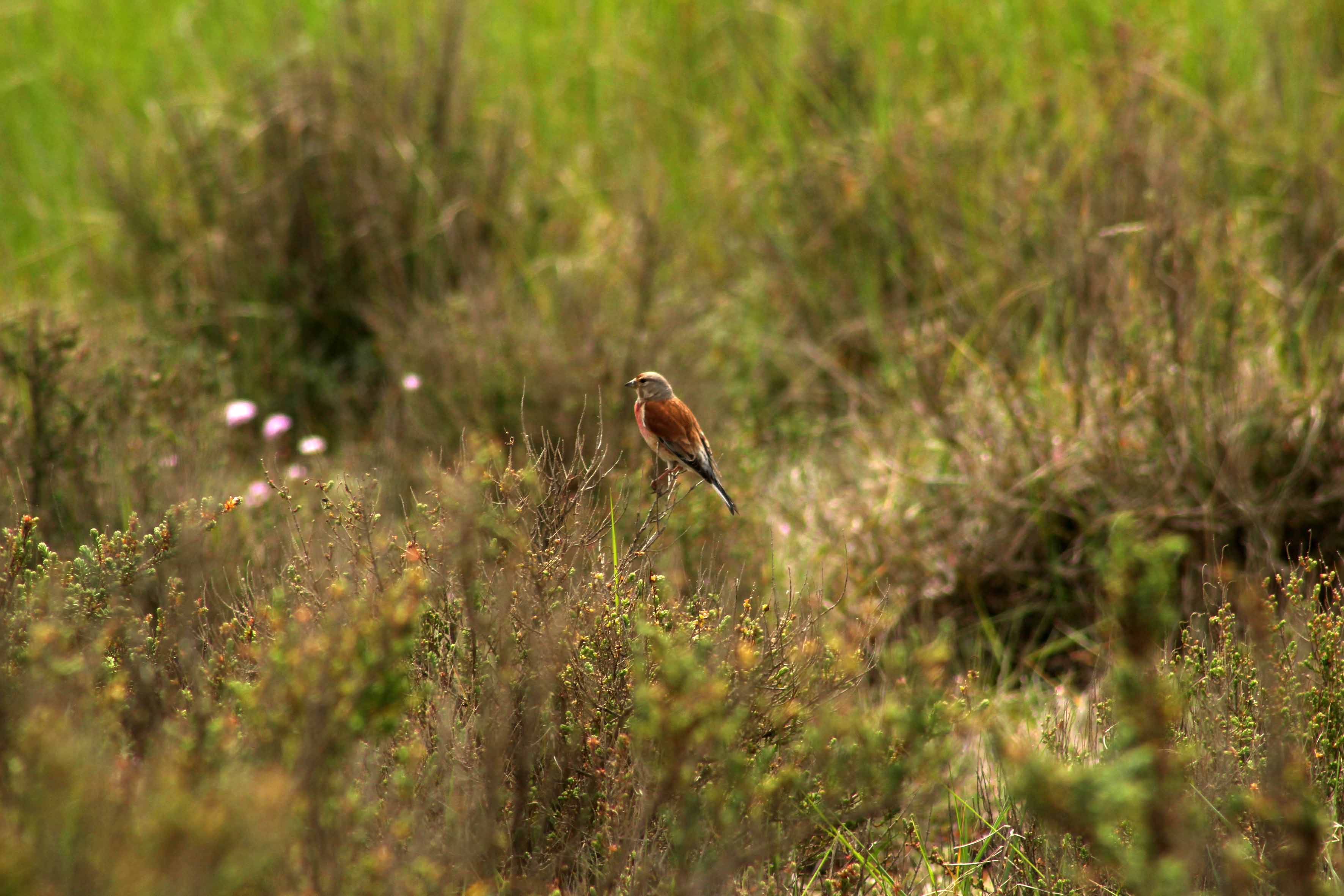
Hanne takes us for a walk up towards Halfway House. A skylark sings high overhead, little more than a high fidgeting dot to the naked eye. In the distance, across the marshes close to Blakeney Channel, we catch sight of the unmistakable form of a marsh harrier quartering the reed beds. On the Point itself the bushes are alive with restless flittering birds that turn out to be a mixture of meadow pipits, linnets and reed buntings, although at times of migration almost anything could turn up here. And it does: as first point of landfall for any bird carried unwittingly by powerful winds from the north, Blakeney Point has an impressive record of rare sightings.
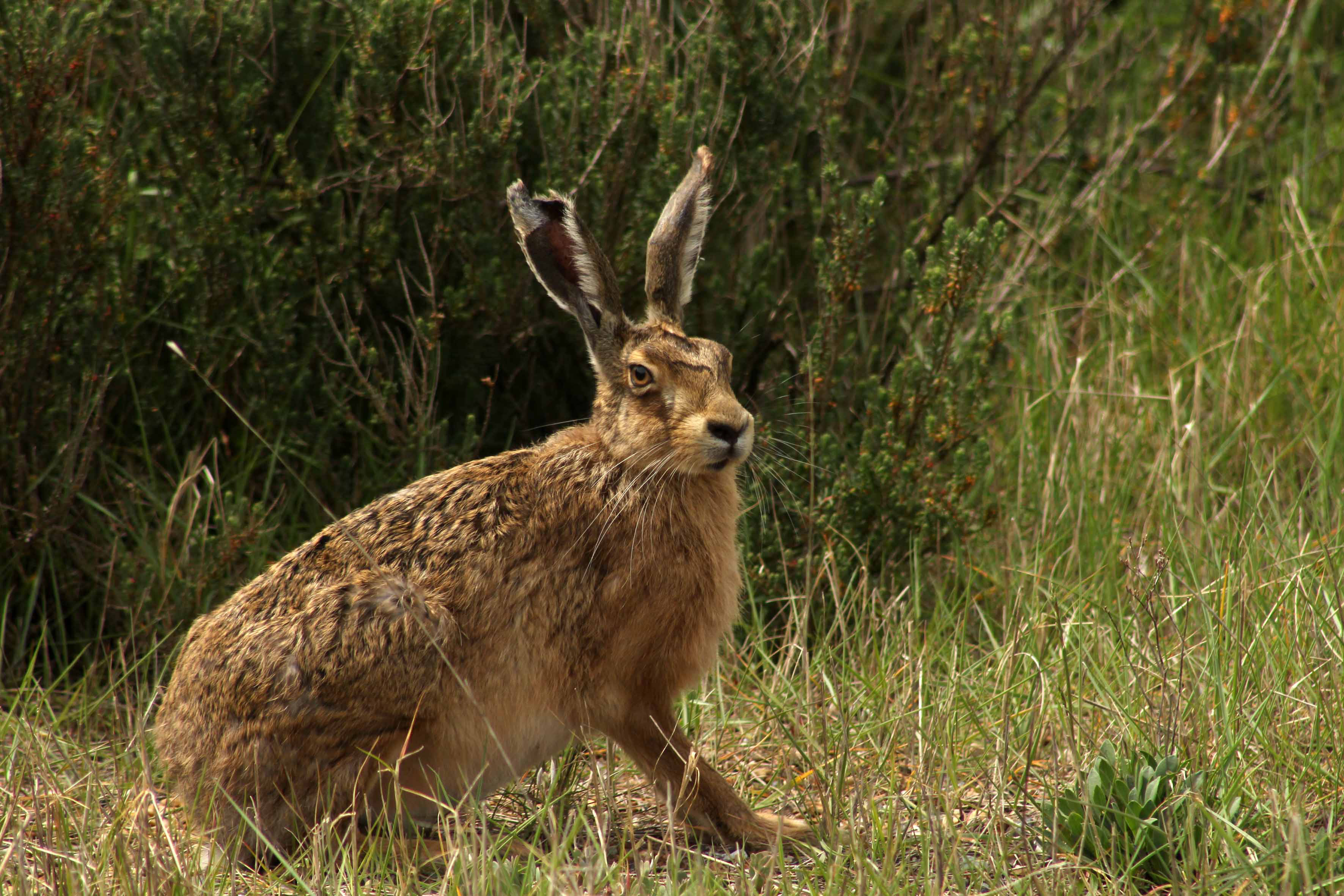
Our most impressive sight by far, though, is a meeting with a brown hare – or, rather, a pair. One of them makes a run for it and disappears into the Suaeda (shrubby sea-blite), the other remains, frozen in its tracks, hunched with long ears flattened to its head in an effort to make itself small. In some ways more resembling a small deer than a large rabbit, with improbably long ears and soft, intelligent eyes, it is easy to see how hares have always been revered in British and European folklore. Long gifted magical properties by those whose livelihood affords them a close relationship to the soil, hares engender a strong sense of ‘the other’: a sacred animal, a spirit familiar, a symbol of fecundity, sex and madness. A means of divination too: the Iceni warrior queen Boudicca is said to have read the entrails of a hare as an augury for victory against the Romans in her uprising of AD61.
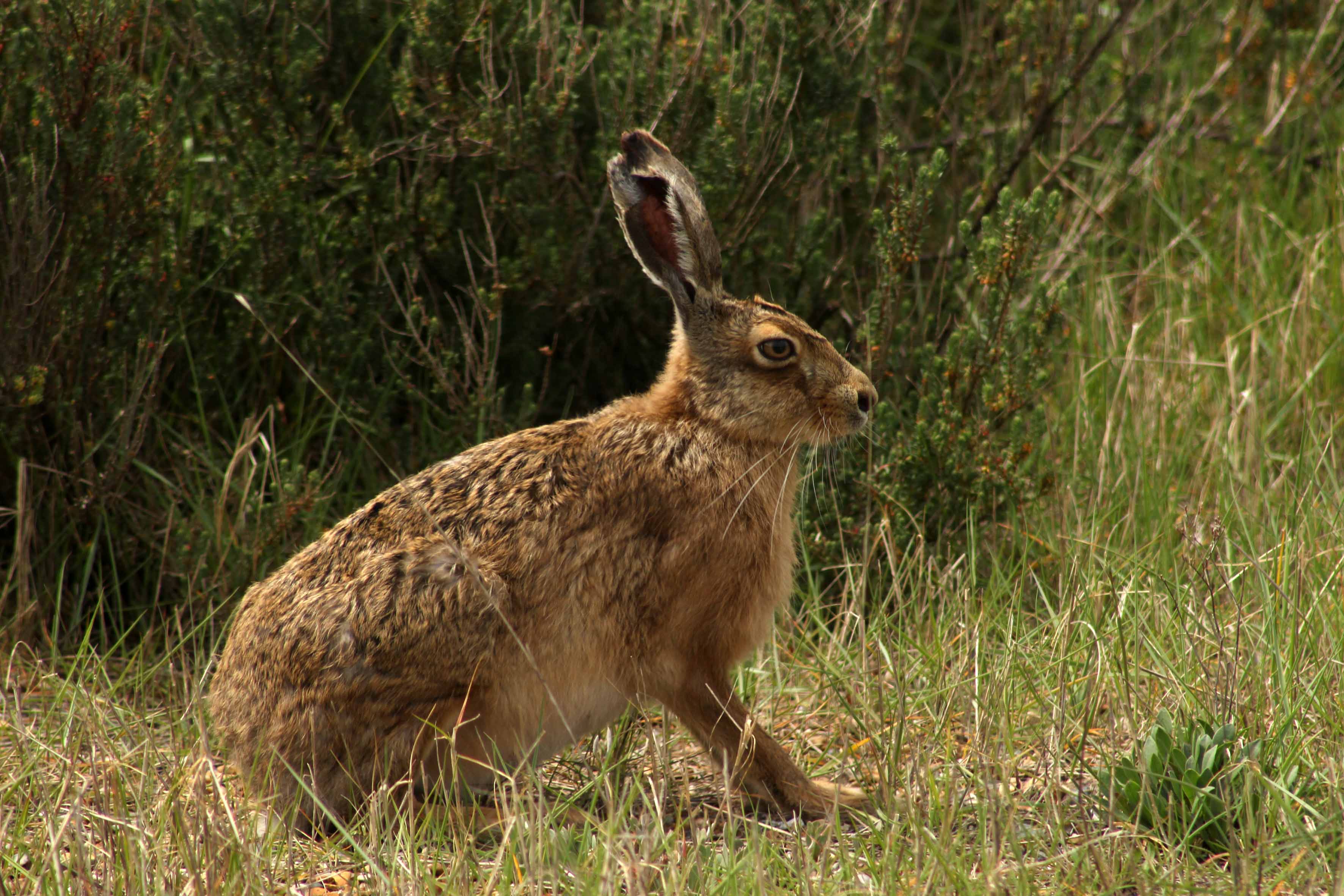
The hare slowly adjusts to our presence and cautiously and slowly raises its ears, then straightens its legs before finally bolting off to join its companion. Our serendipitous encounter has been no more than a minute in total but the whole incident has put a temporal brake on the space-time continuum. As the hare moves off, time – at least the quotidian linear time that embraces cause and effect – is finally unfrozen.
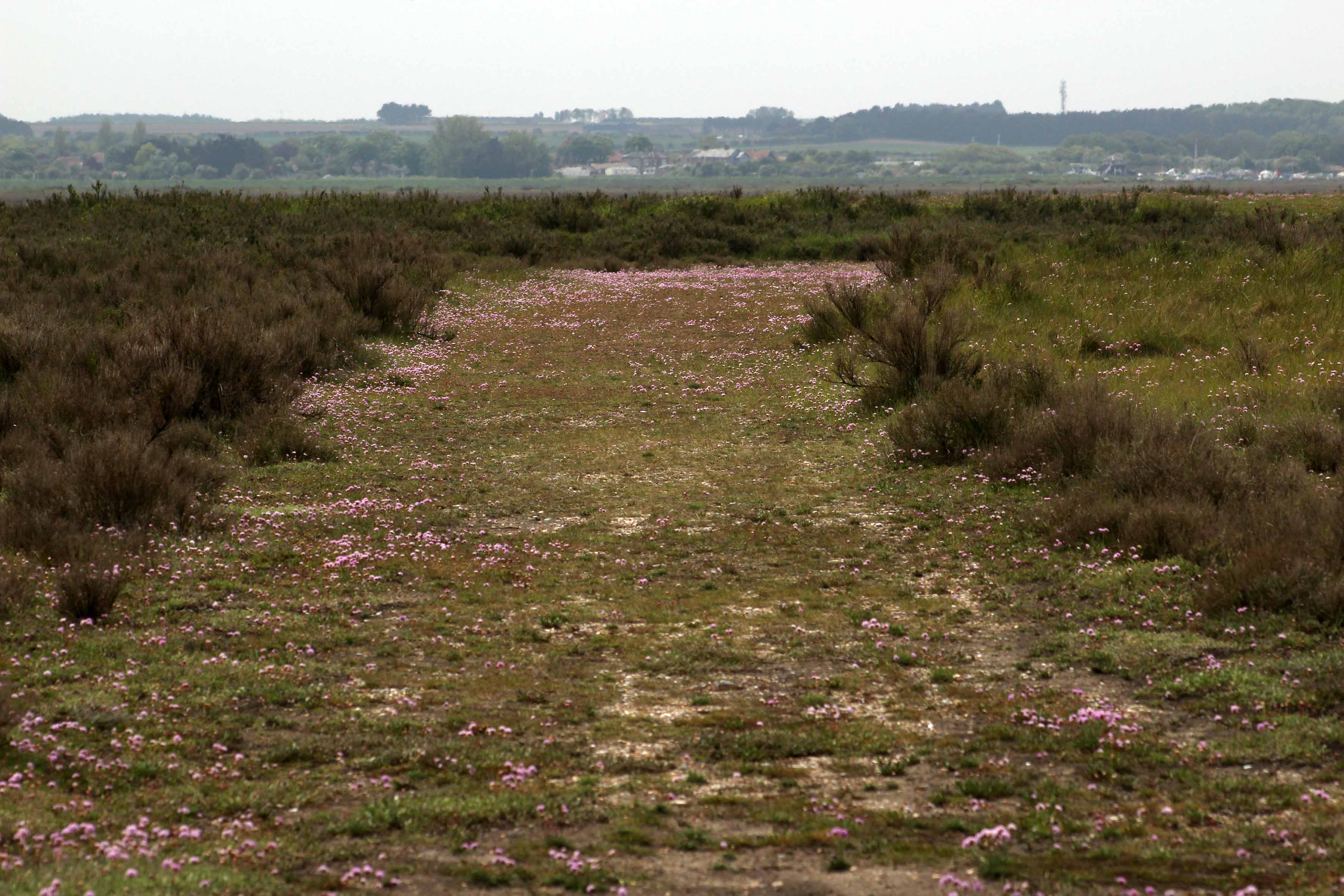
We continue our walk to head down a wide swath of firm shingle and sea thrift that Hanne calls the Fairway. It leads to the edge of a tidal creek close to Halfway House. The highly prized real estate of Blakeney village is clearly visible across the channel that separates us from the ‘mainland’, as is St Nicholas’ church high above the houses and, west of this, the iconic windmill at Cley. In the network of creeks and mudflats that fringe the channel, redshanks alternate between stabbing the mud in search of invertebrates and flying short distances, calling plaintively as they go. At the muddy margins, marsh samphire is starting to emerge, although it is still too early to pick. Heading back to the car park, we walk along the sloping beach alongside the outgoing tide. Beyond the silhouetted fishing boats ahead, the distant cliffs of West Runton are visible in the sea-hazed distance. Just pure sea-sound now: no motor vehicles or human voices, just the swash of waves on pebbles, the piercing cry of terns and the aerial clatter of a skylark beyond the ridge to our right.
Many thanks to Hanne Siebers and Klausbernd Vollmar for their company on the Point. Check out Hanne’s wonderful photographs of Casper, Cley’s leucistic barn owl at The Silent Hunter
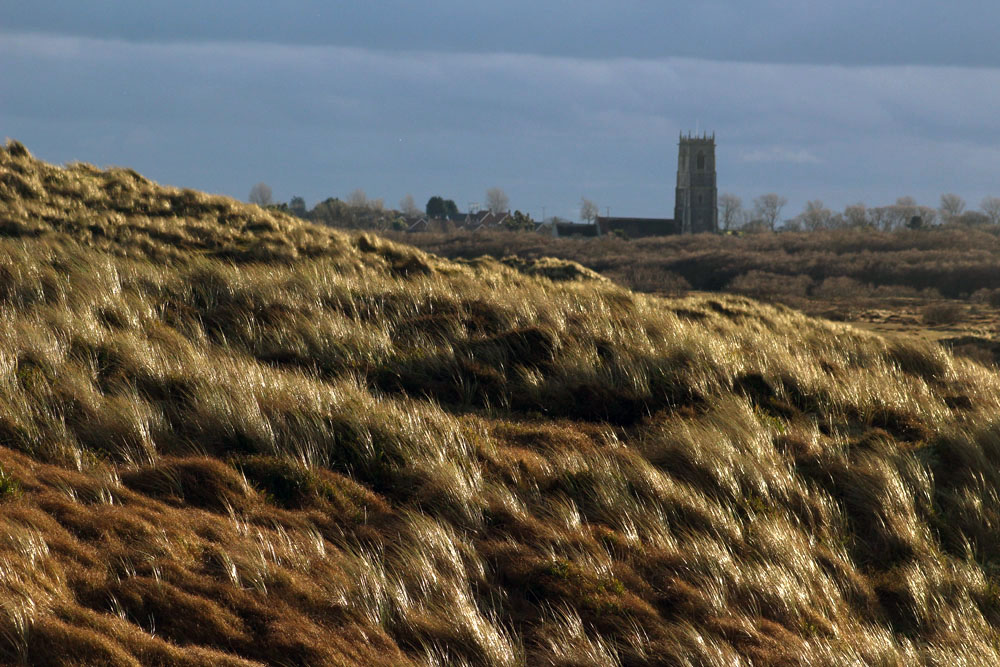
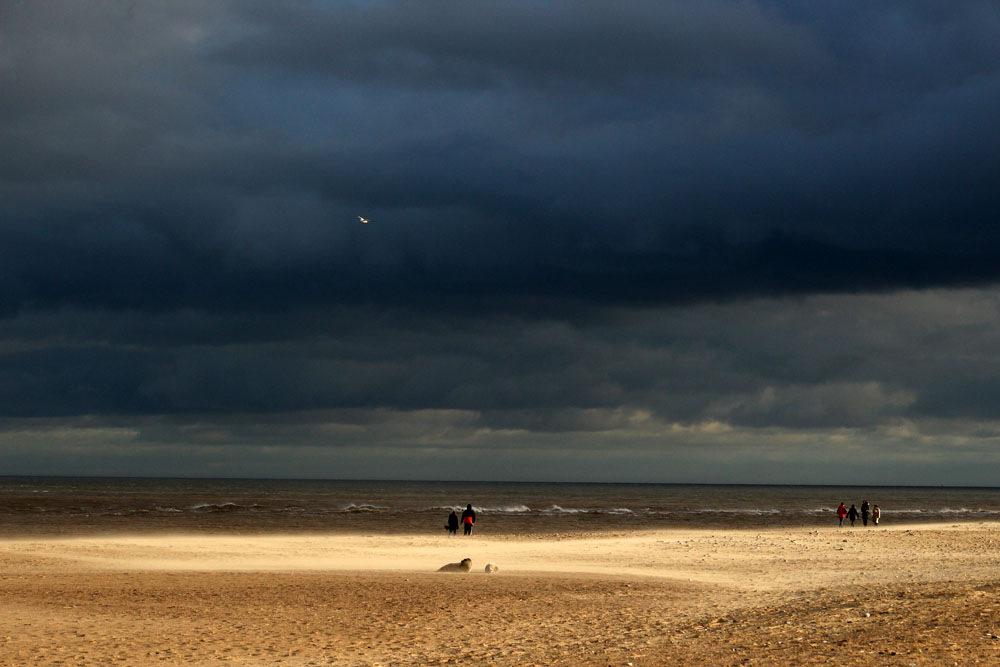
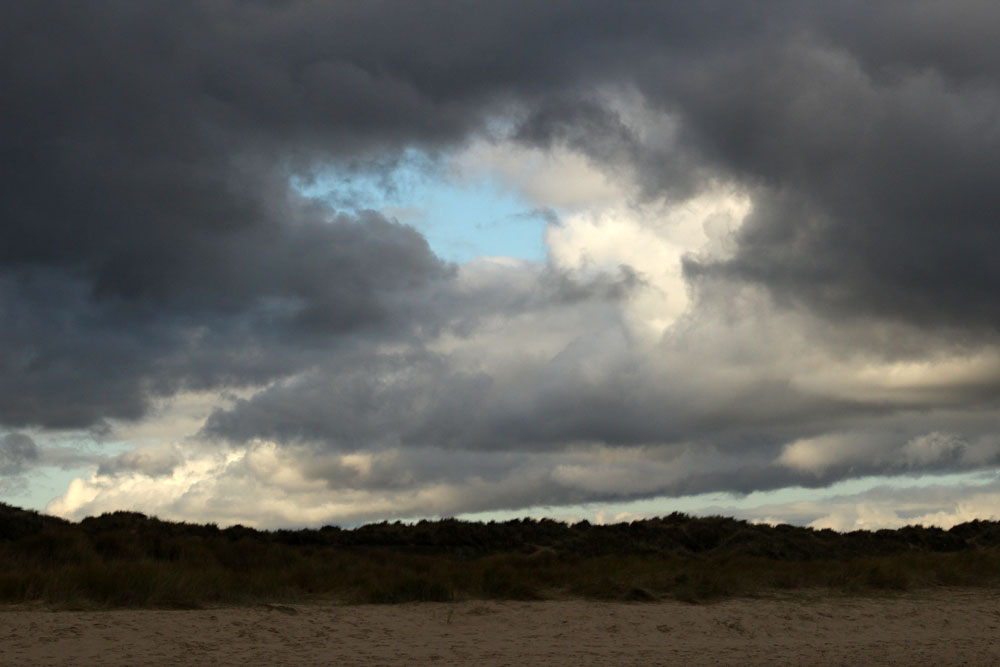
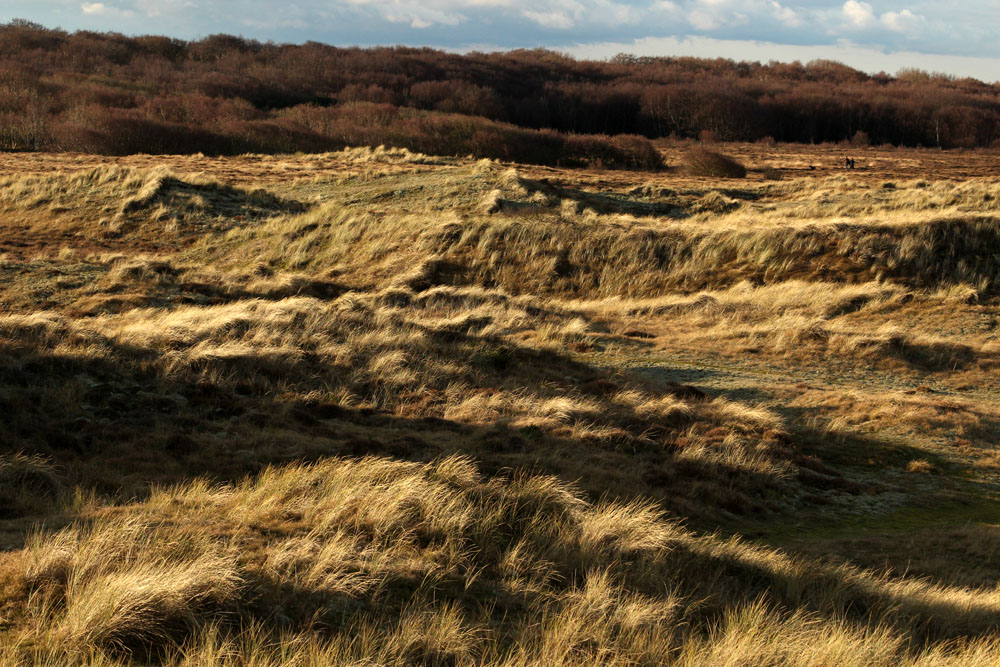
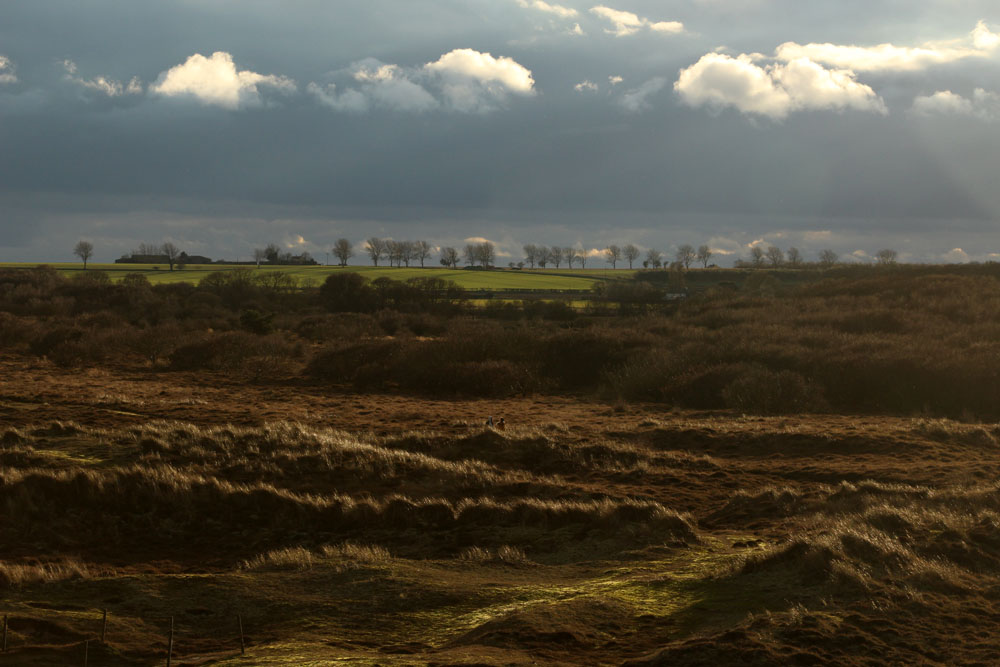
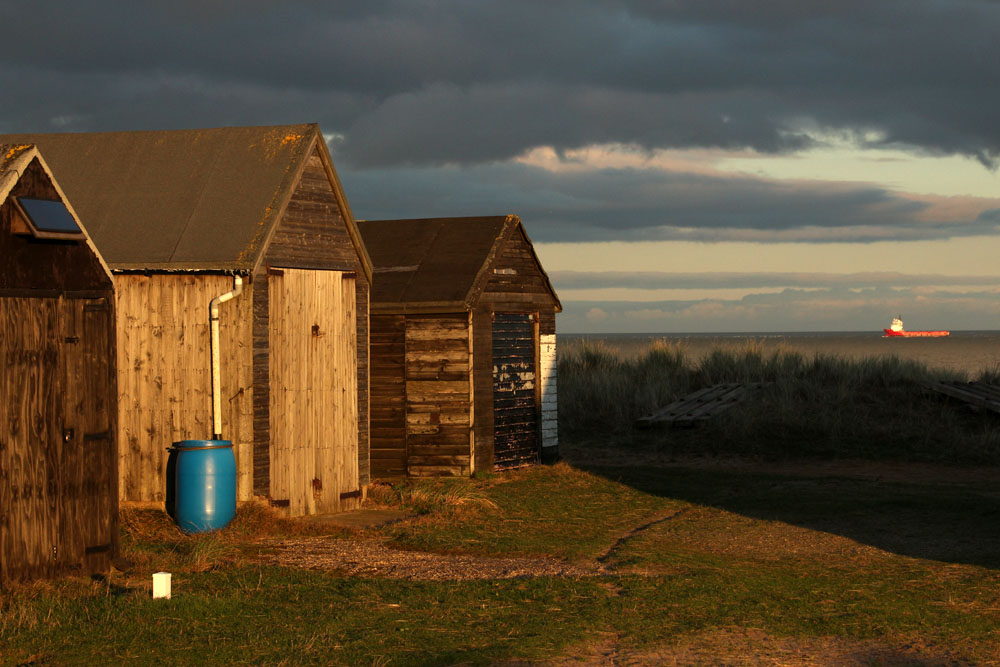

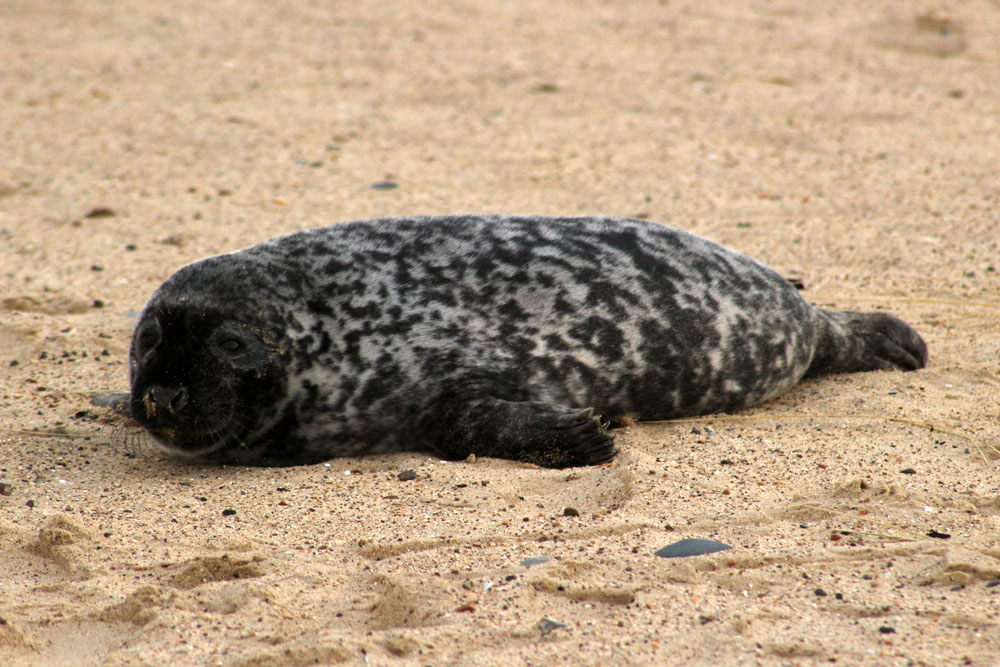
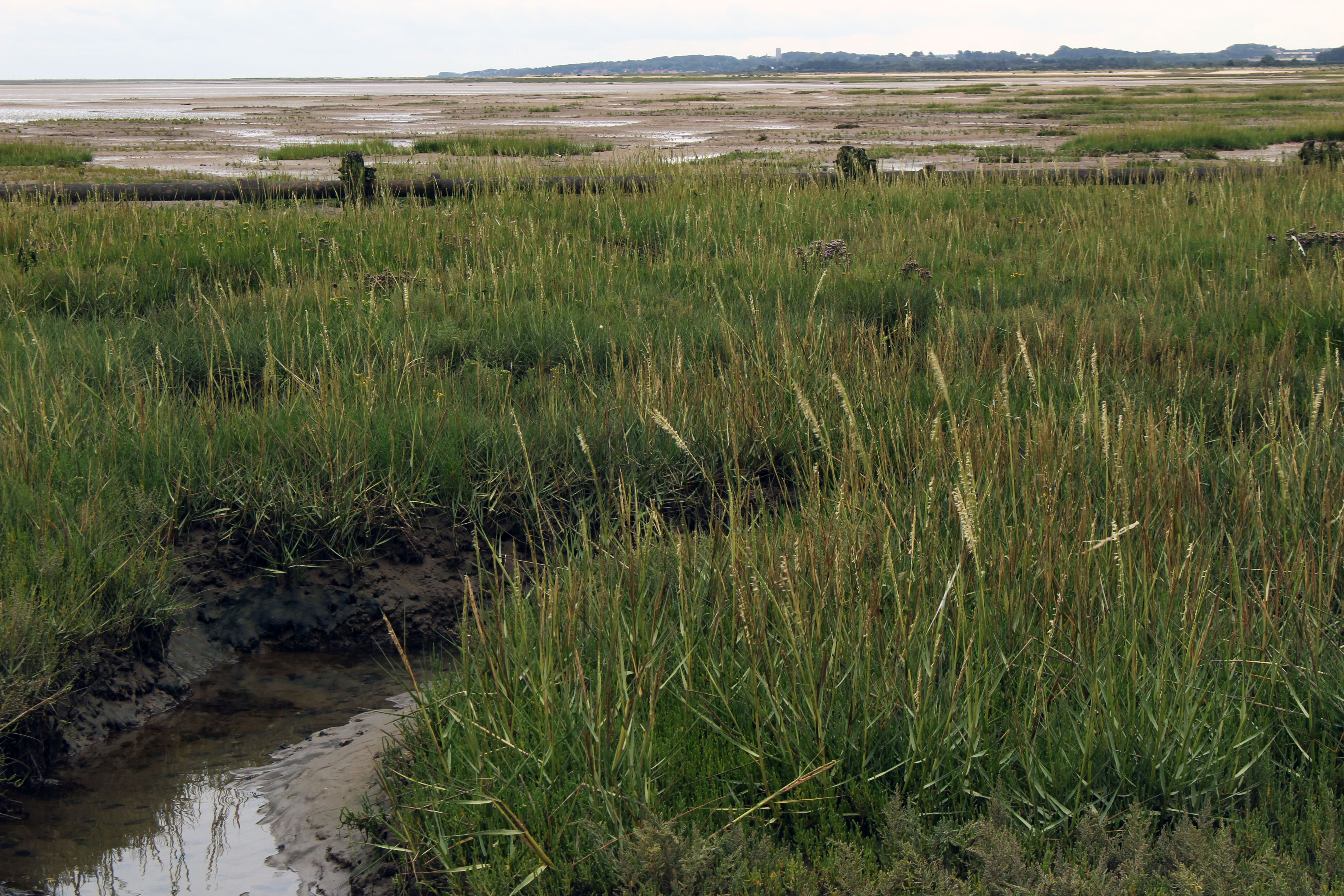
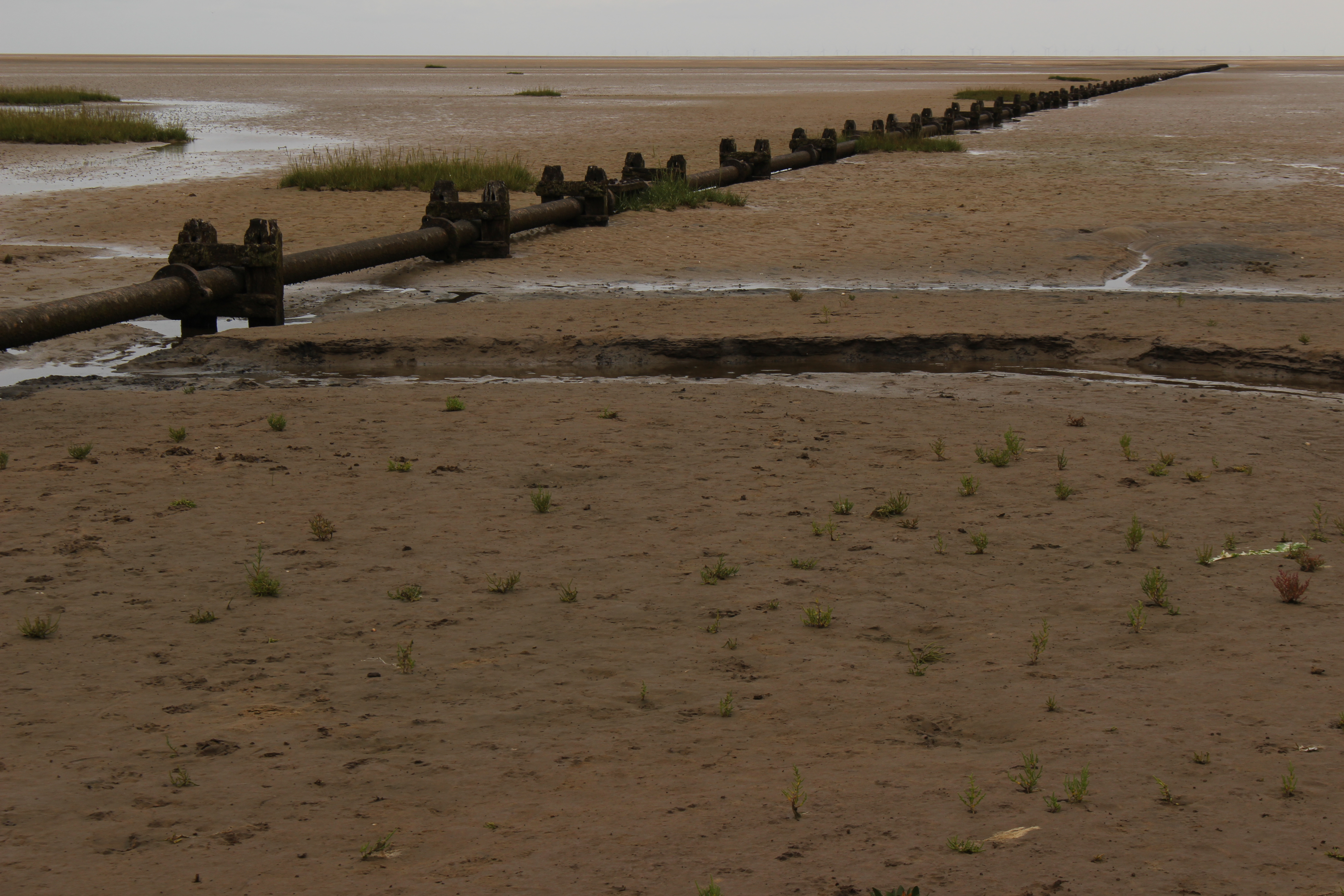
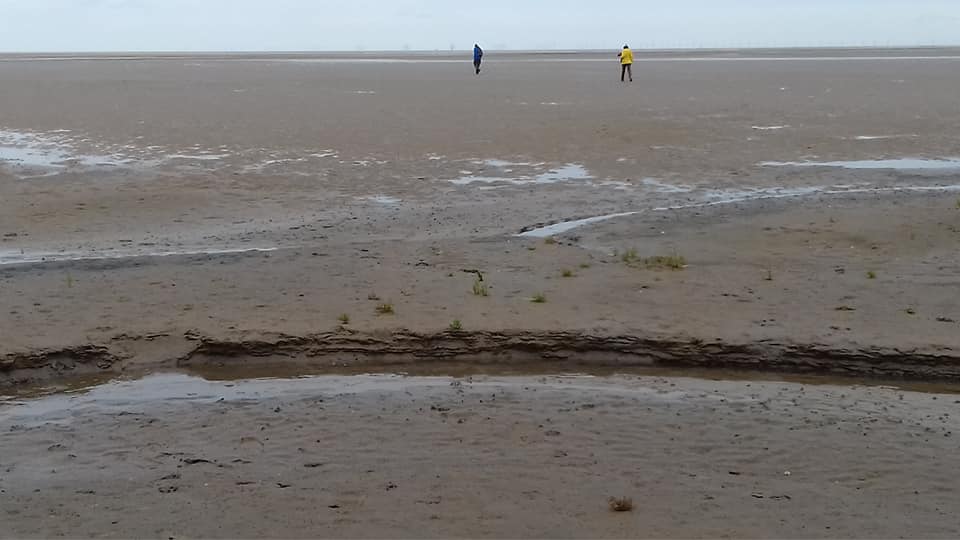
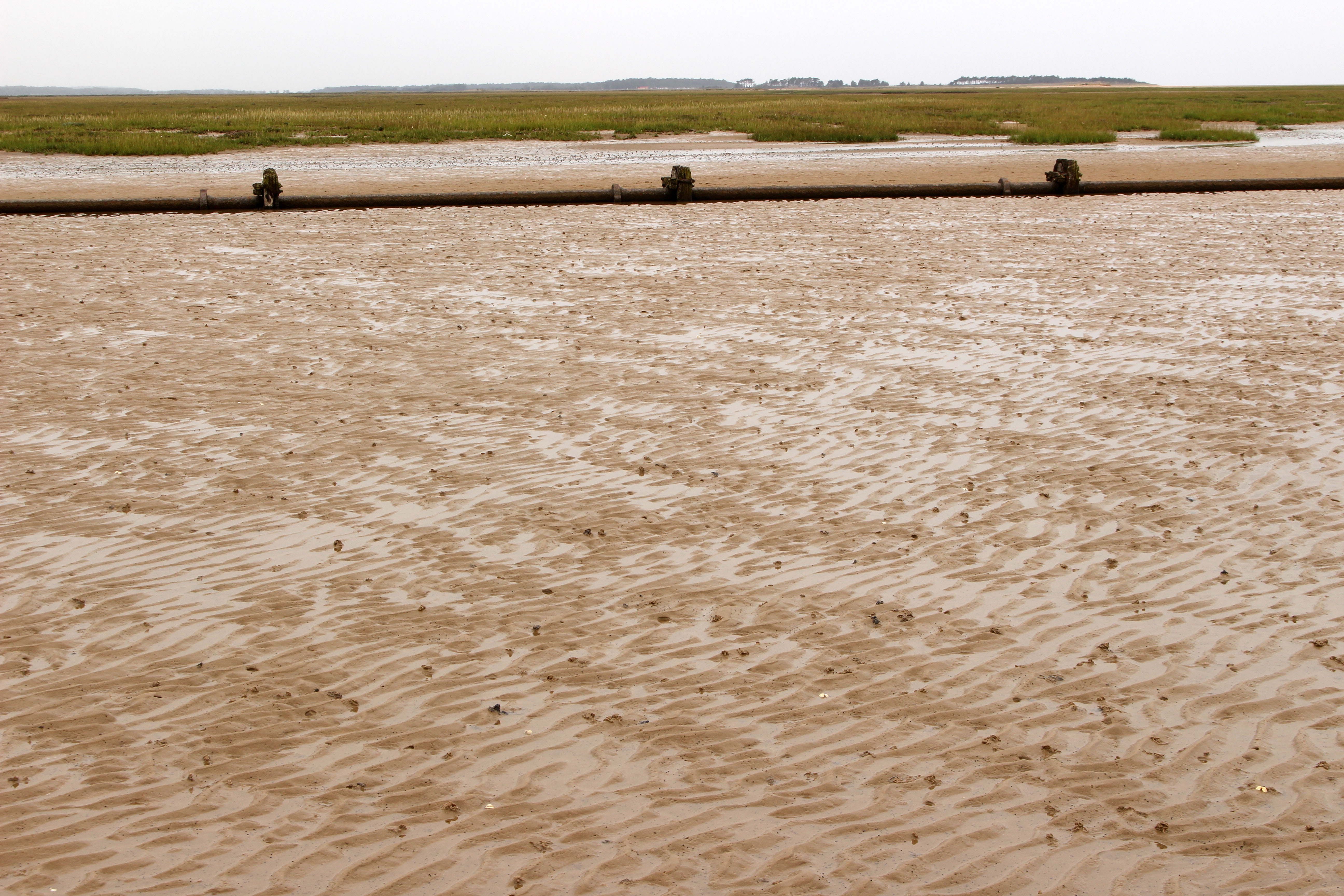
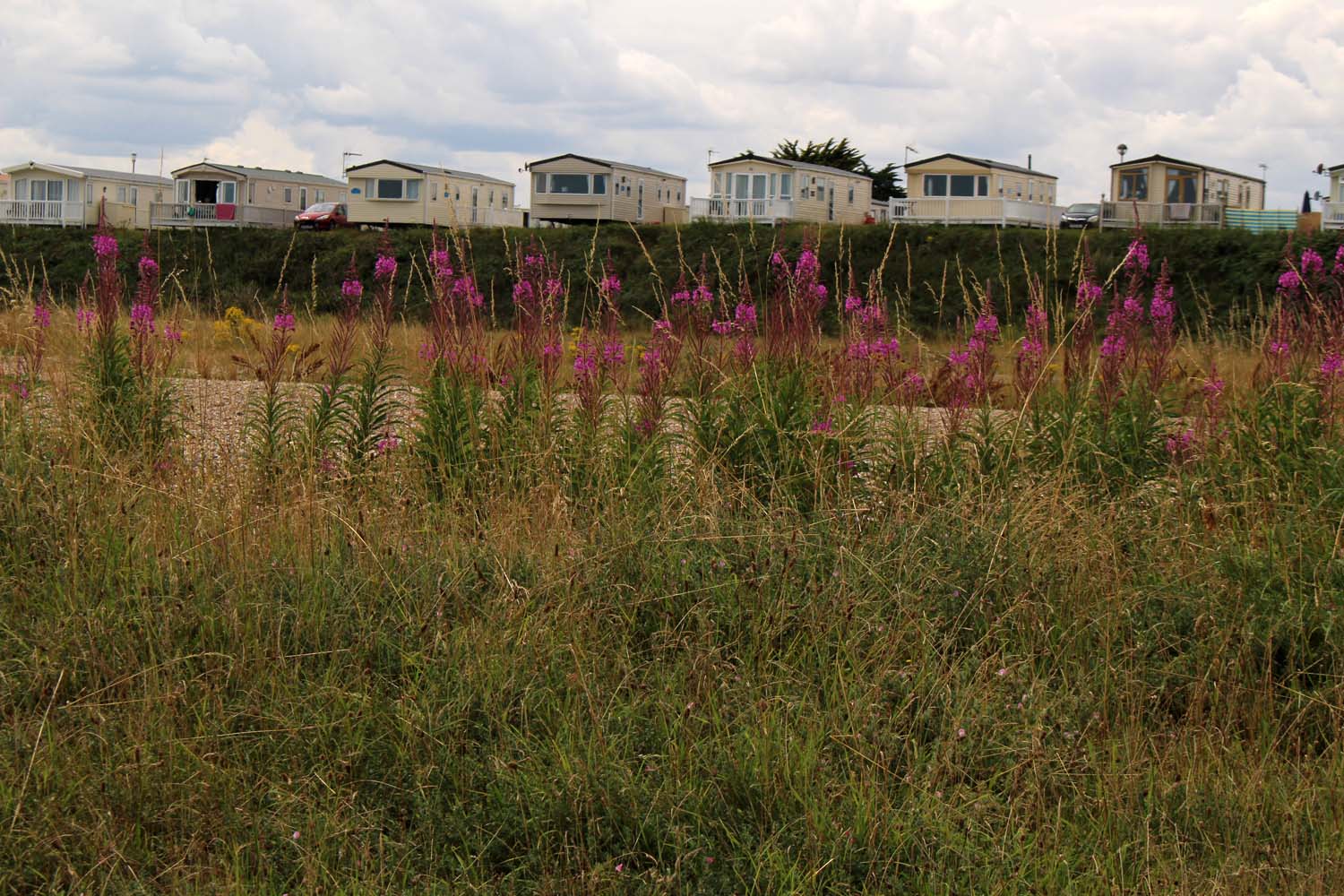
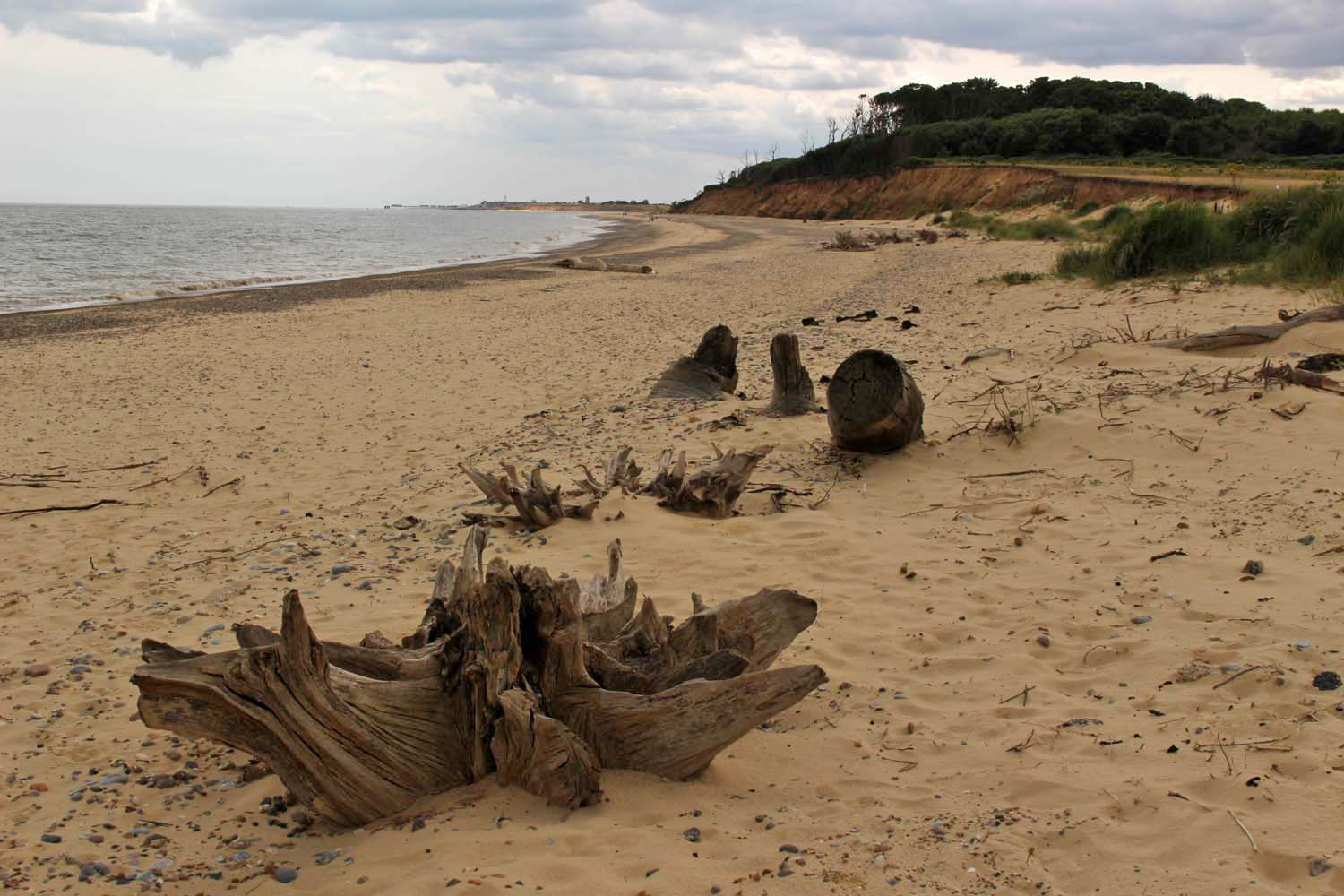
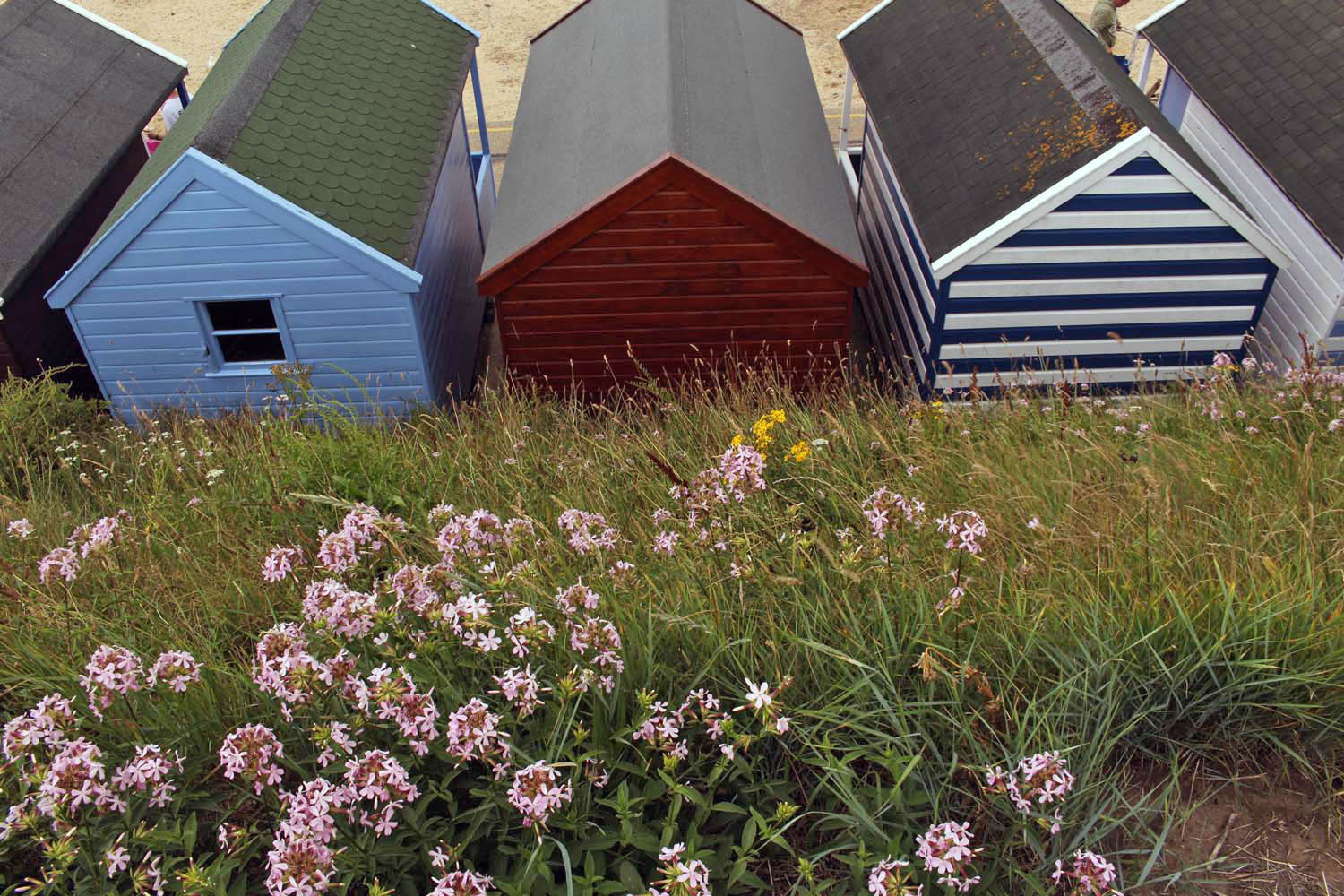
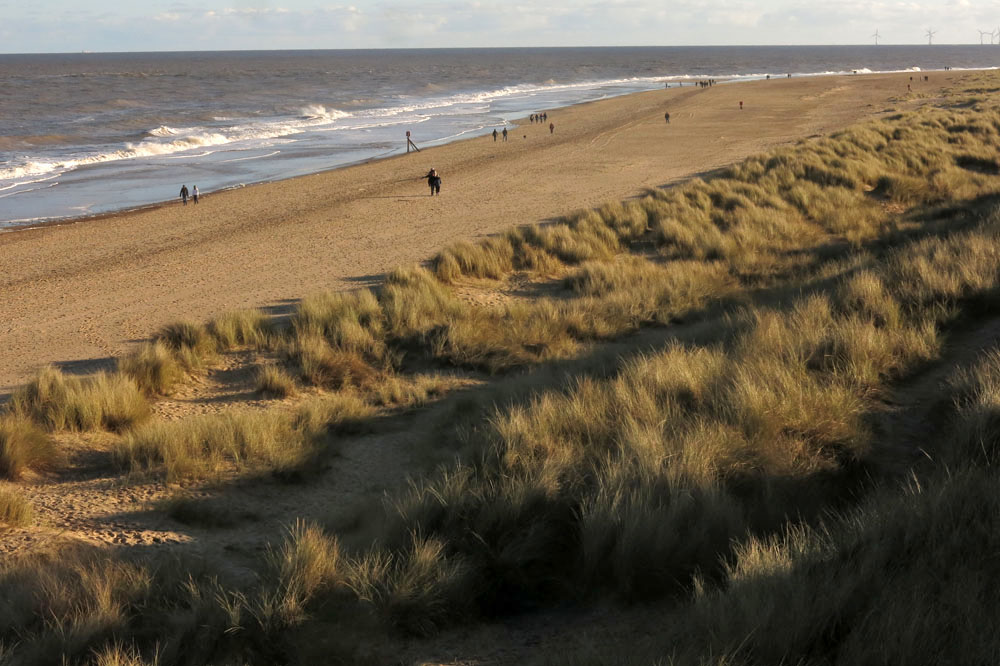
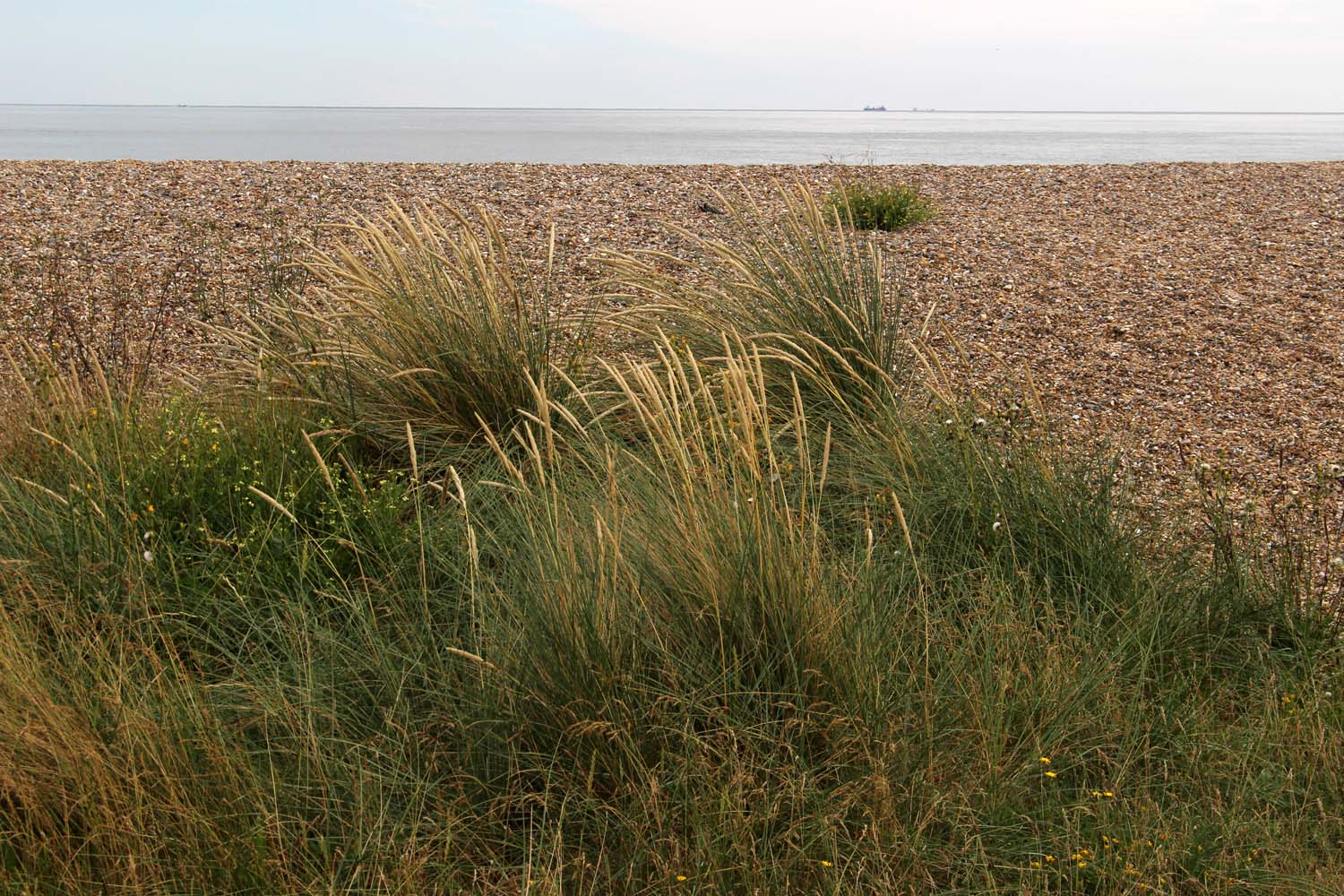 I set out from Kessingland, just south of Lowestoft, where a large expanse of dunes and shingle separates the sea from the holiday homes and caravans that line the low clifftop like racing cars at a starting grid preparing to rush towards the sea. Truth be told, there is little in the way to stop them. It may be August but even now the beach is relatively quiet – just a few families and dog-walkers clambering over the dunes to reach the sea, which today is grey, grumpy and not particularly welcoming. The Kessingland littoral is distinguished by its specialist salt-tolerant flora: sea holly, sea pea, sea campion, sea beet – in fact, place a ‘sea’ in front of any common plant name and there is a good chance that such a species will exist and flourish here. Also rooted into the shingle, thriving on little more than sunshine and salt spray, are clumps of yellow-horned poppies with long twisting seed pods. The poppies are mostly past their flowering peak but elsewhere, where there is a thin veneer of soil to root into, colour is provided by stands of rosebay willow herb – a rich purple layer of distraction between the straw-hued shingle and the cloud-heavy sky, both washed of colour in the flat coastal light.
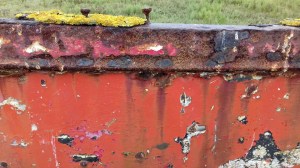
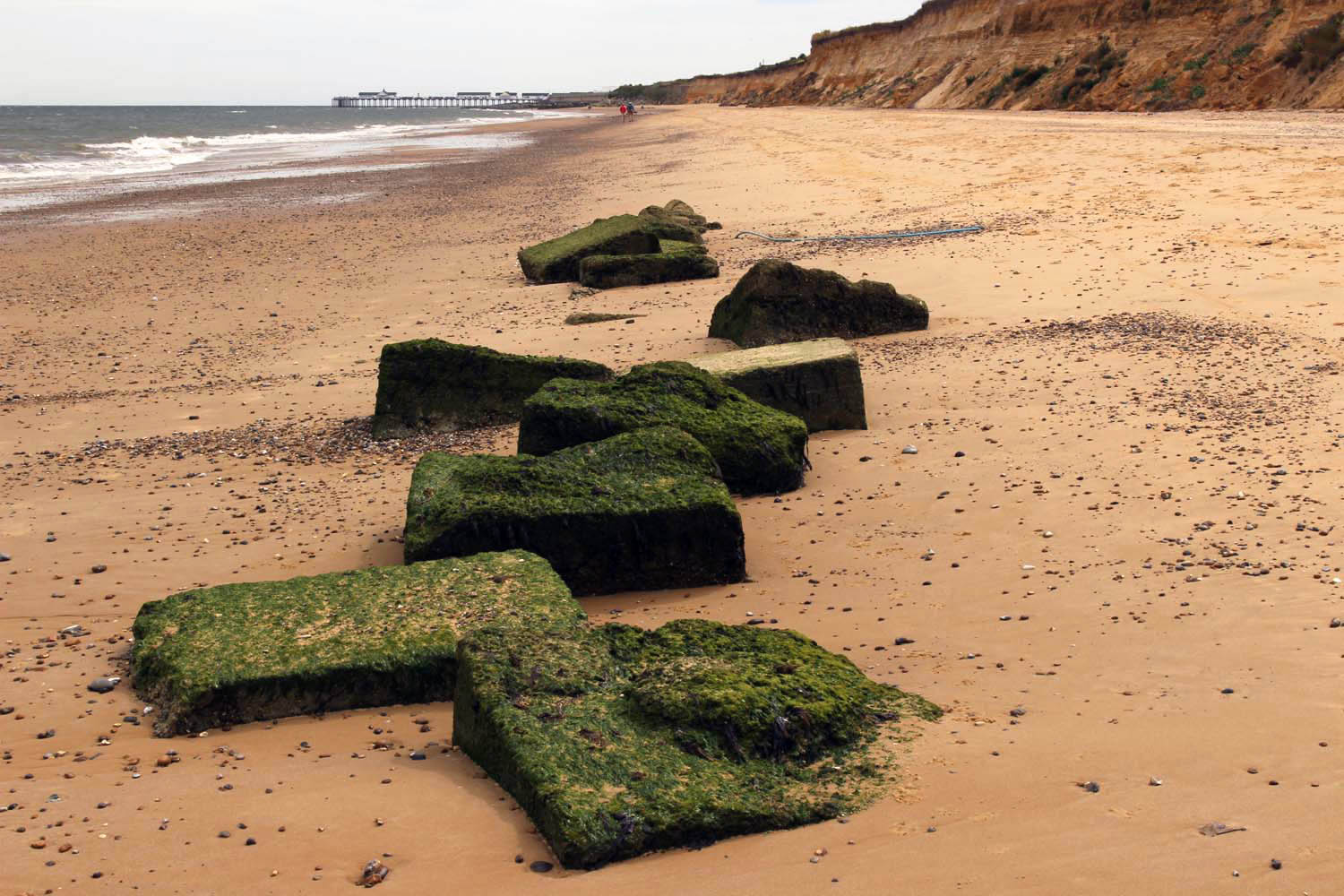
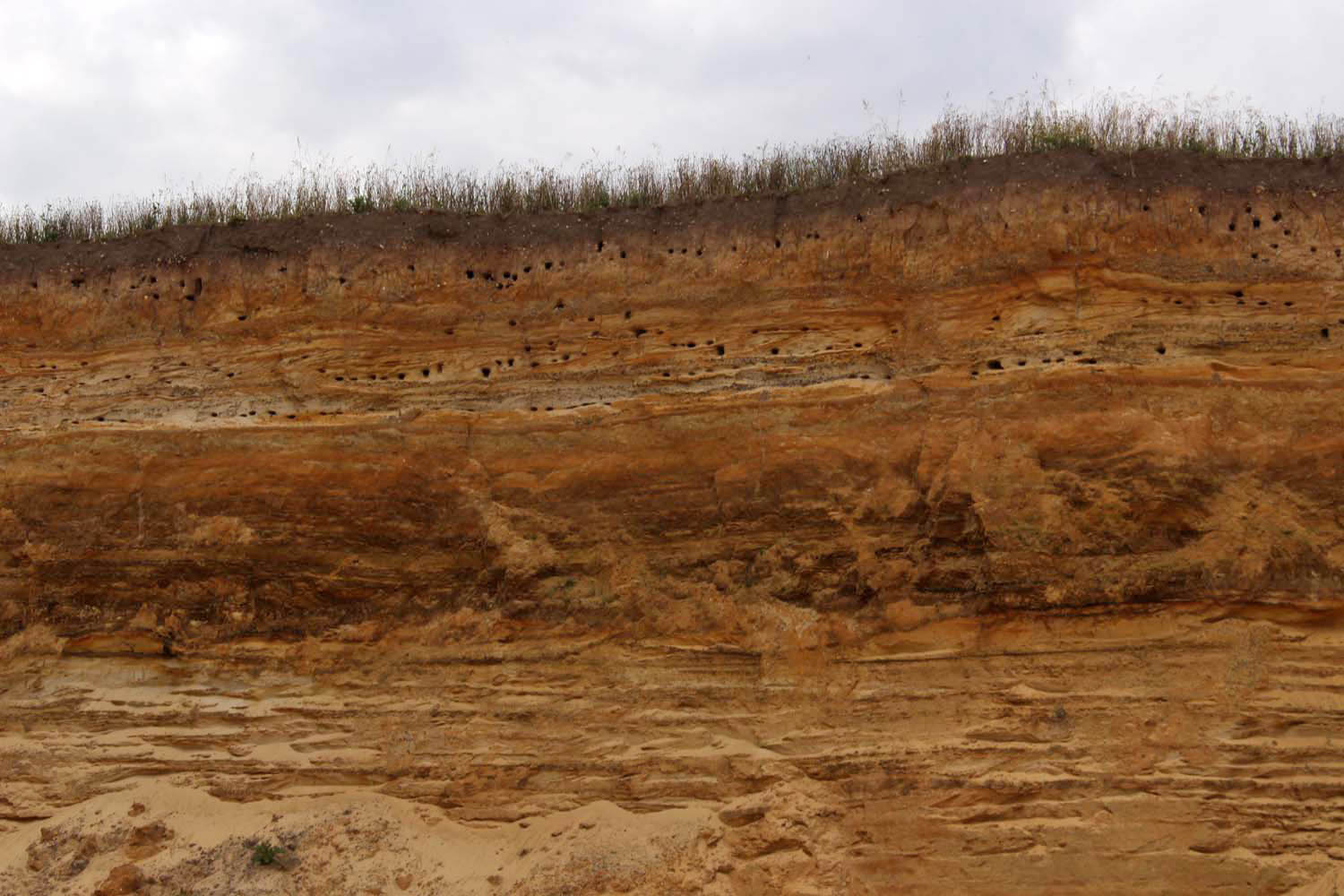
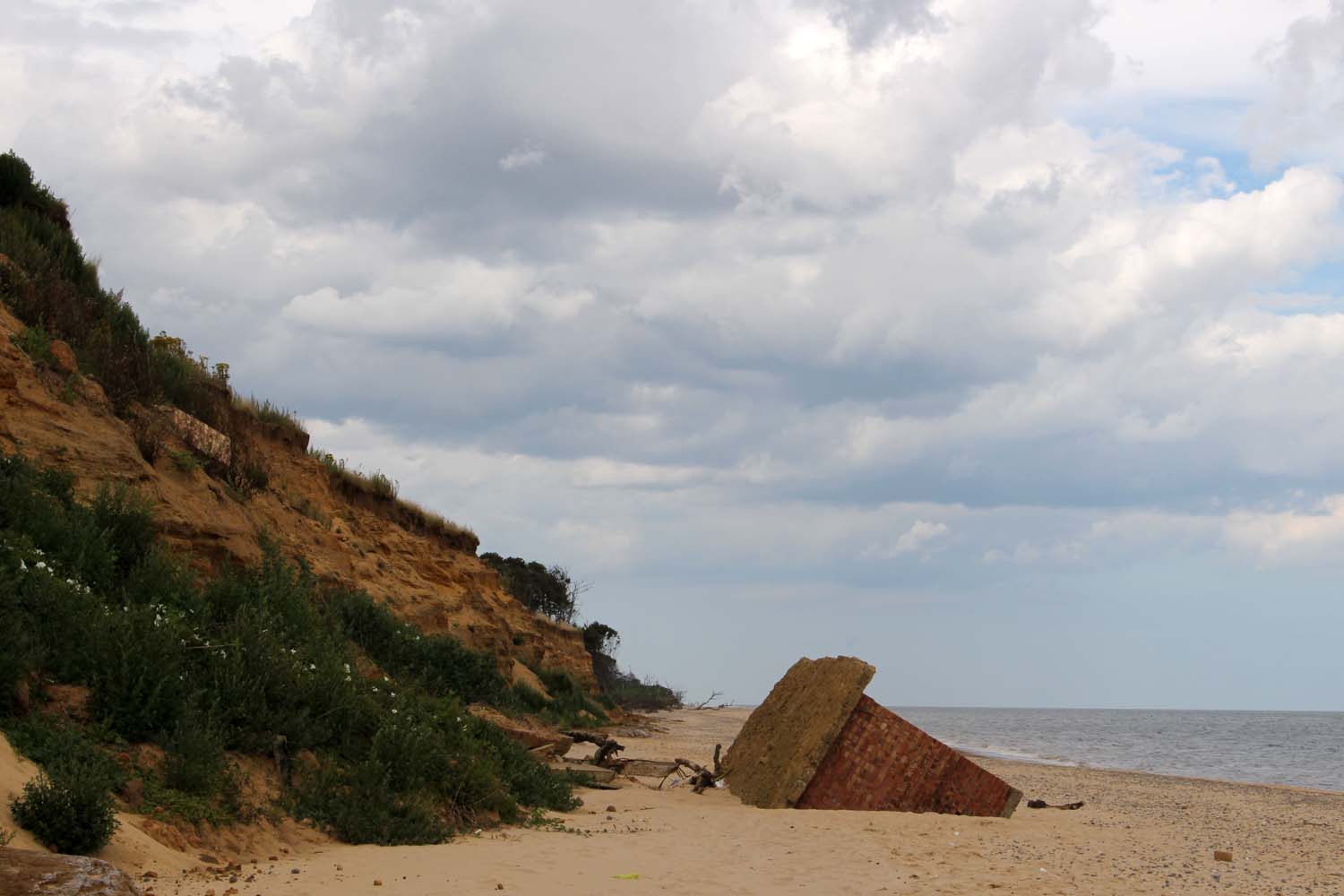
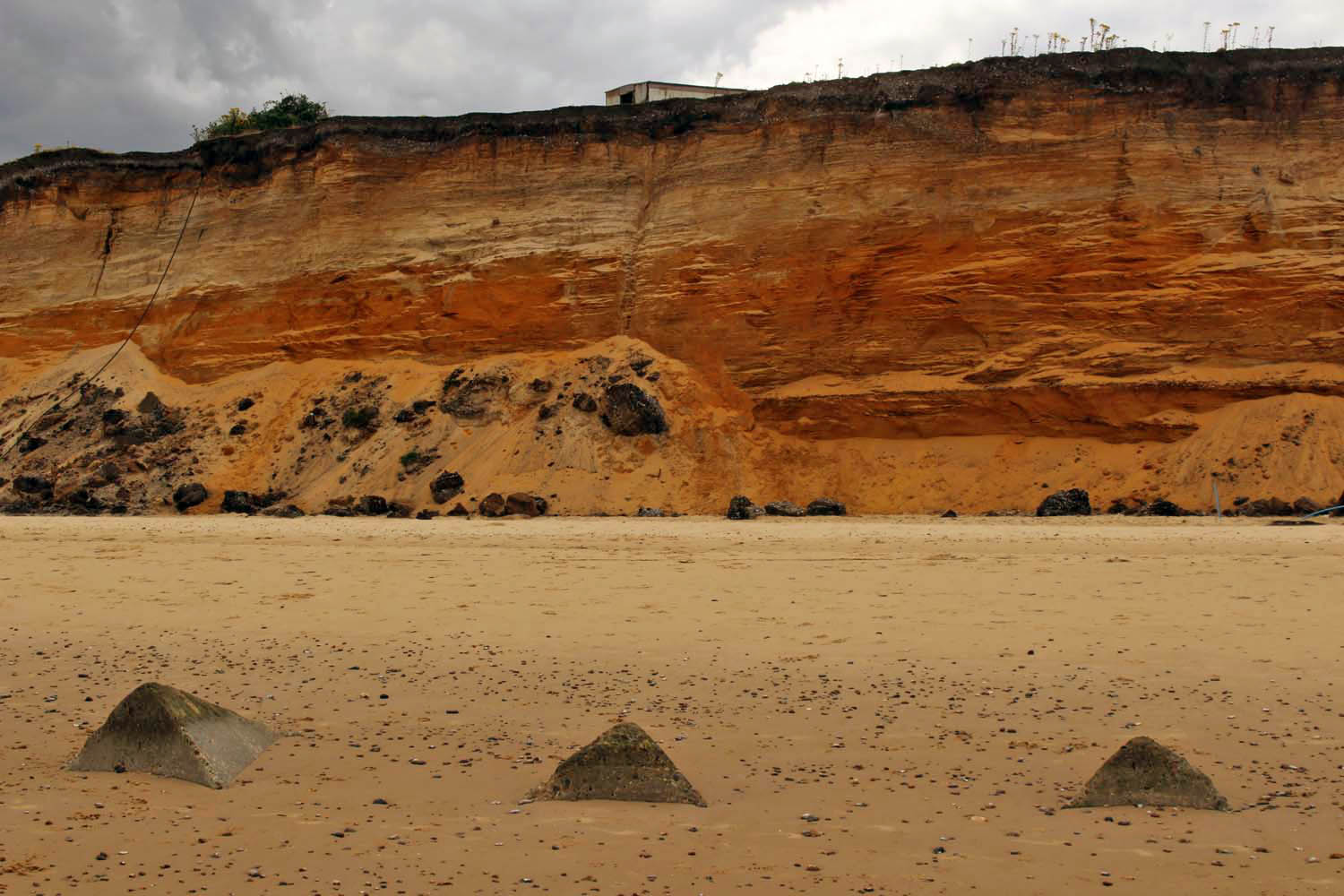
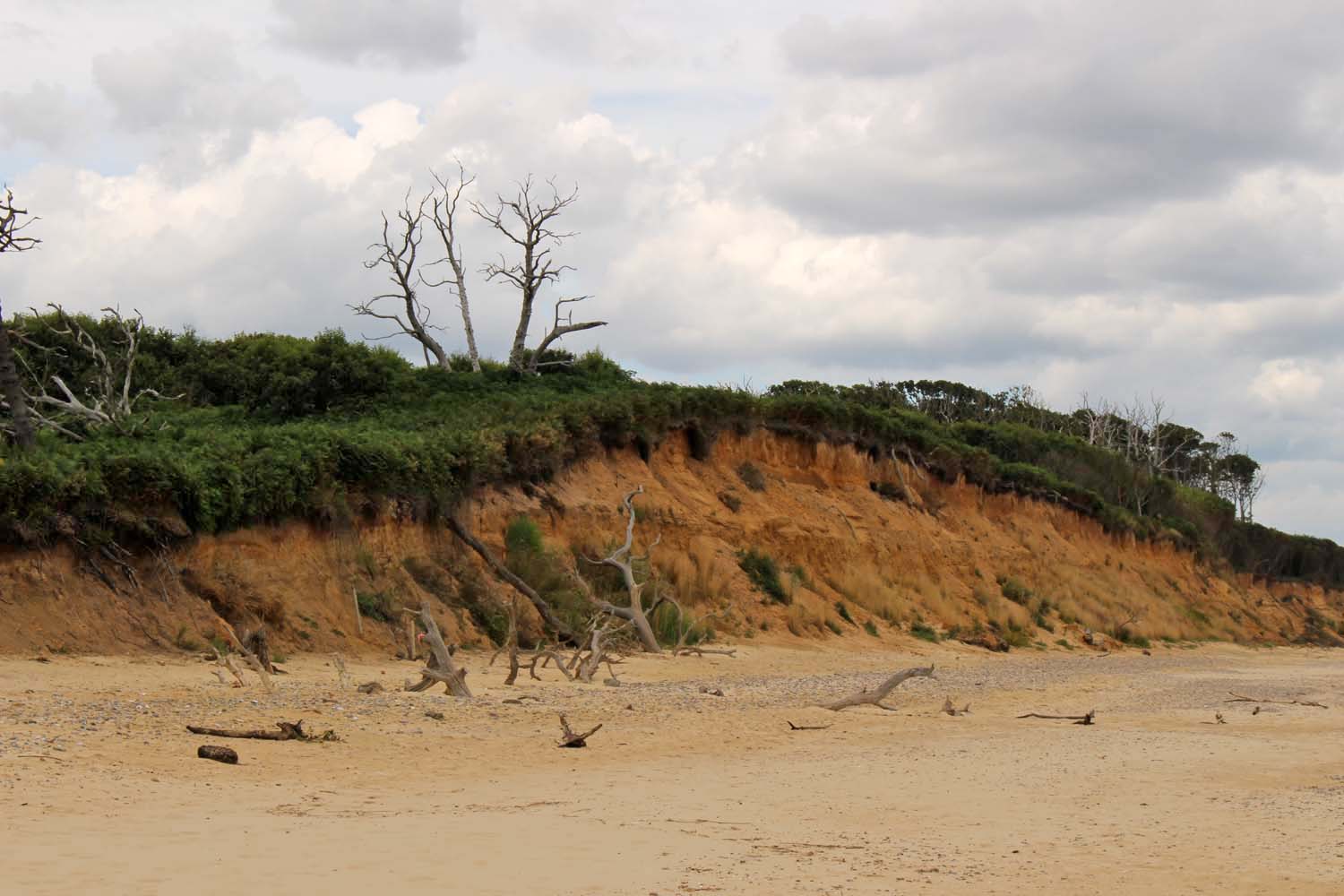
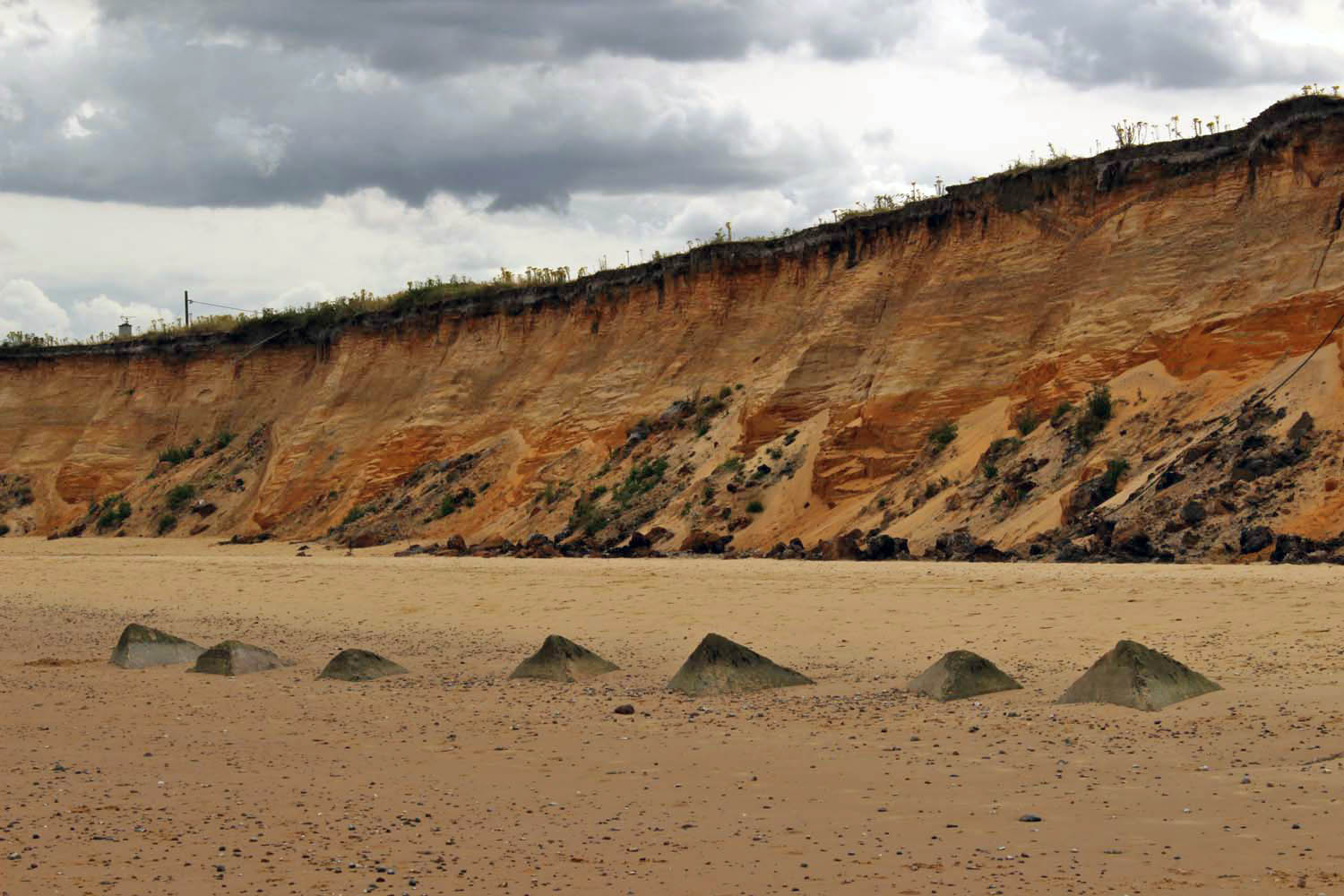
  Further south, the cliffs grow a little higher. Ferrous red and as soft and powdery as halva, they are irredeemably at the mercy of the North Sea tide. And it shows: the cliffs are raw and freshly cleaved, with collapsed chunks that have been further eroded by the incoming tide such that they appear to seep from the cliff bases like congealed gravy. Man-made objects receive no preferential treatment – a collapsed WWII concrete defence bunker slopes between cliff and sand at one point, its long process of total disintegration still in its infancy as its perches ignominiously at 45 degrees, an involuntary buttress for the flaking cliffs.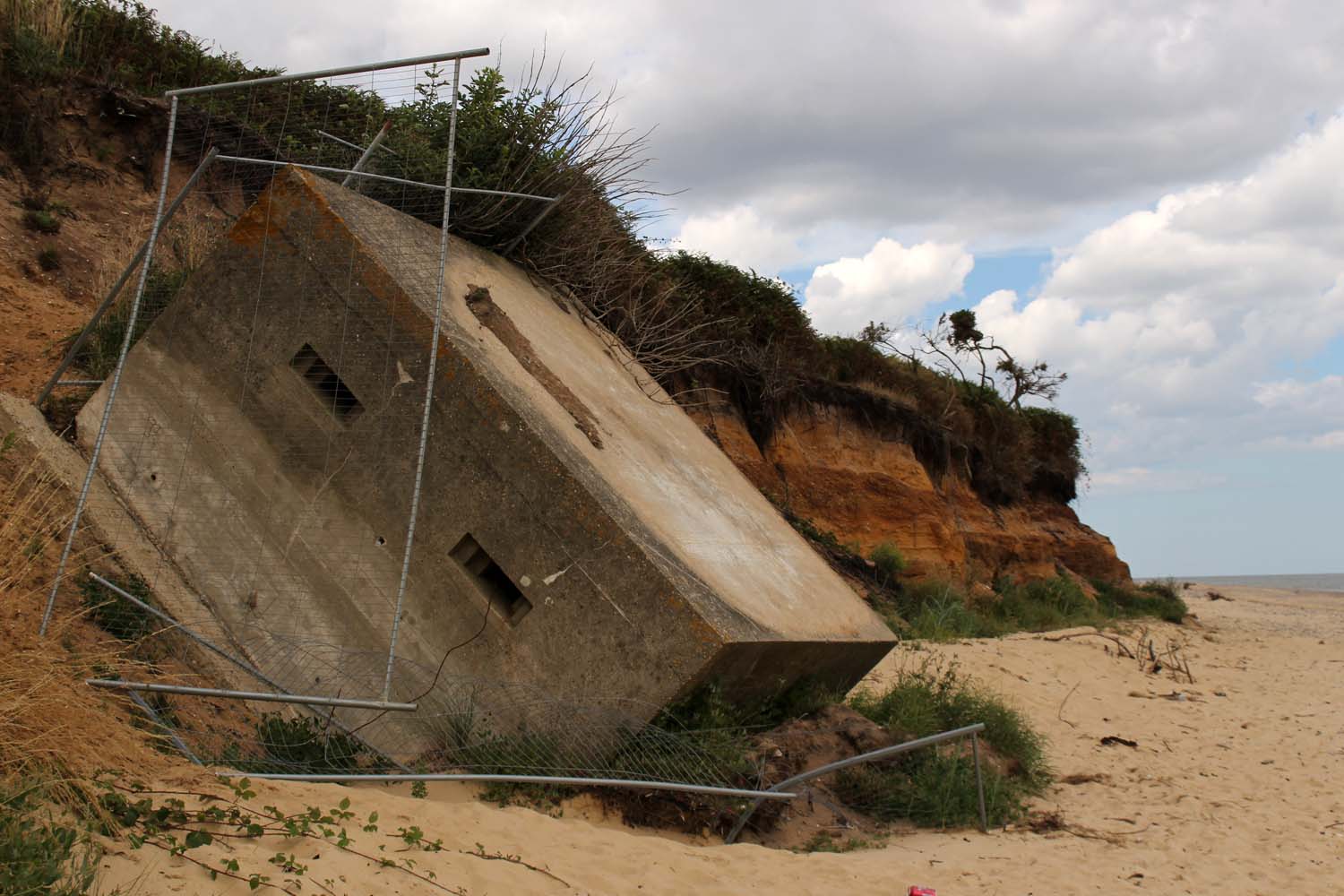


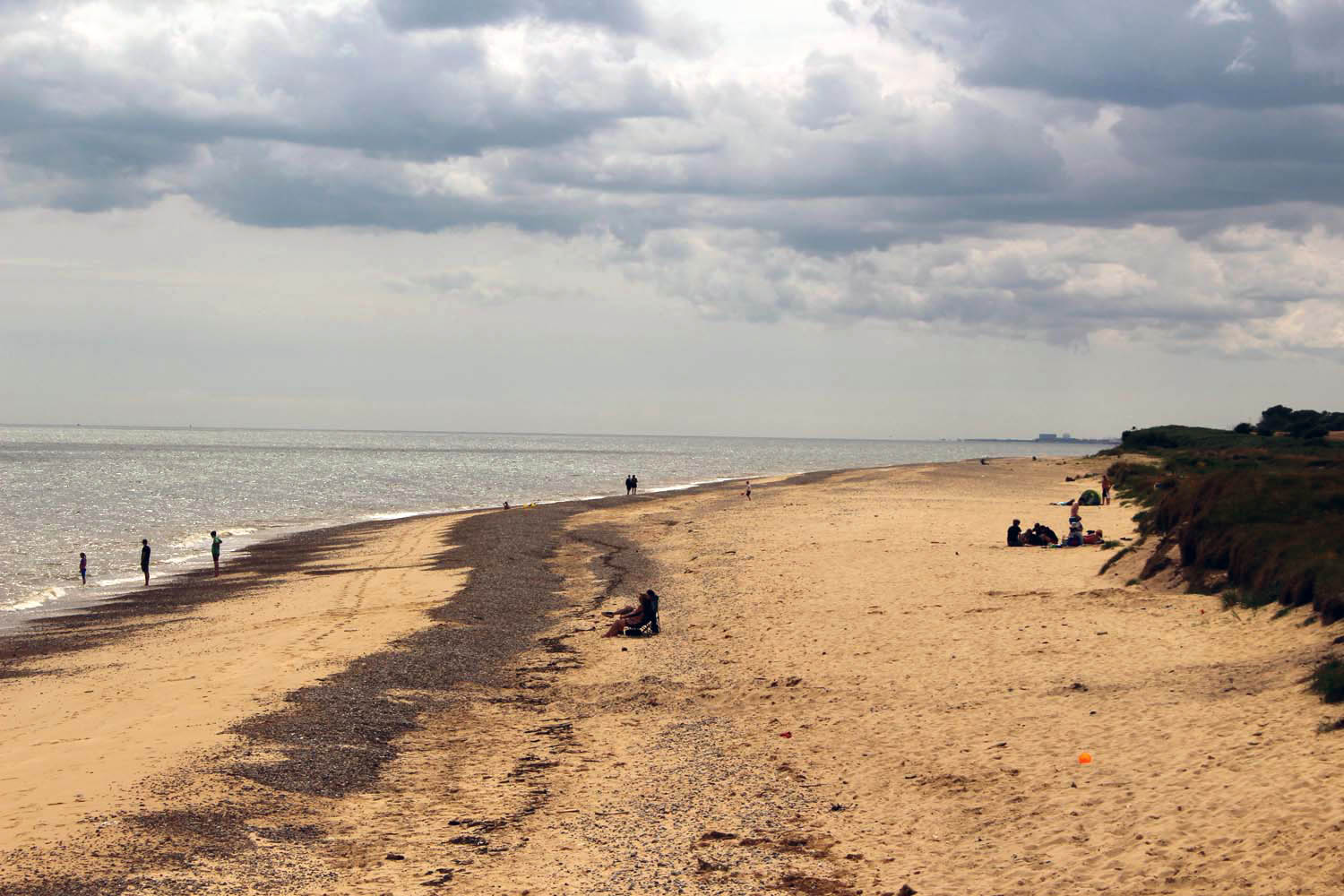
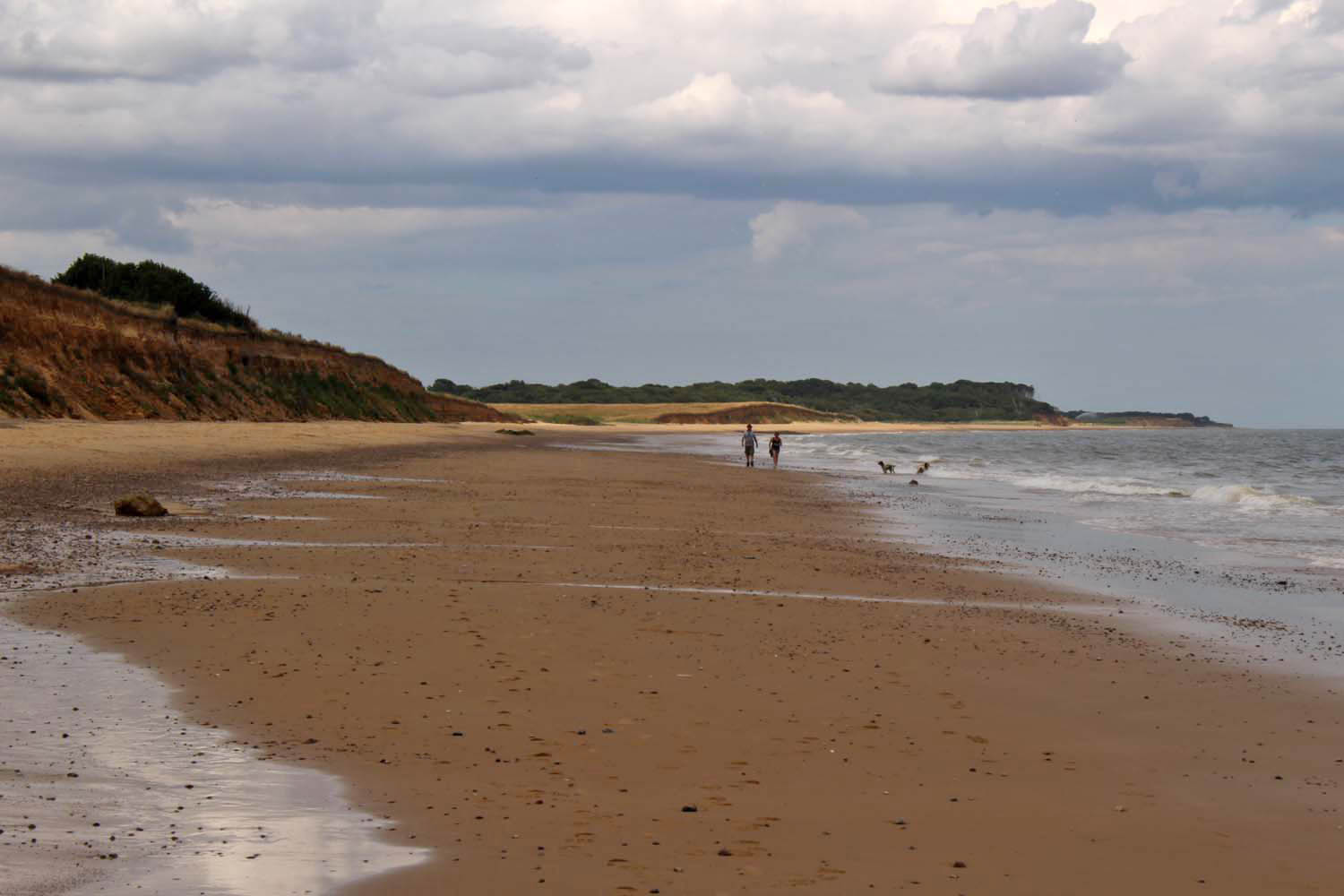
 What is it that draws us to the sea; to the coast, the beach? On hot days in summer the answer is fairly obvious: to sunbathe, to swim, to cool off in the sea. Hot summer days are not such a common commodity these days – not in the British Isles anyway – but, whatever the weather brings, people tend to be drawn to the coast like moths to lanterns.
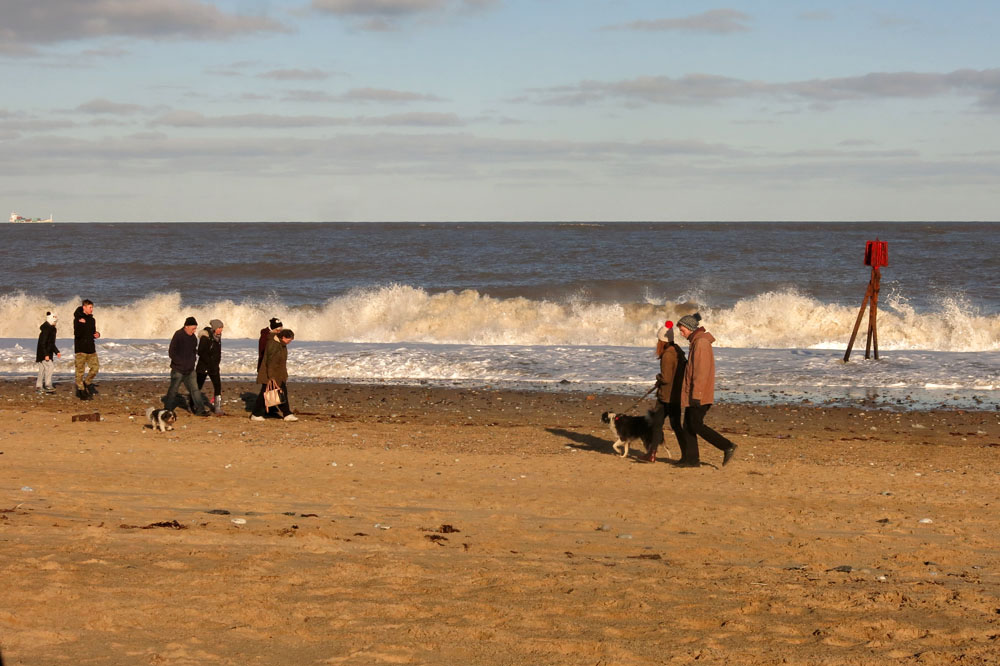
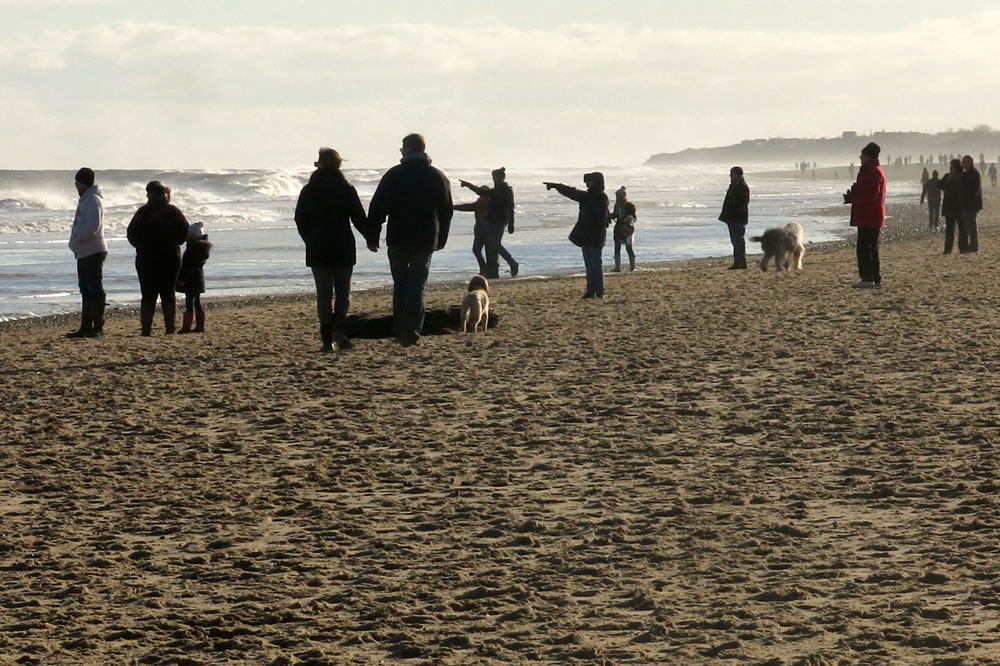
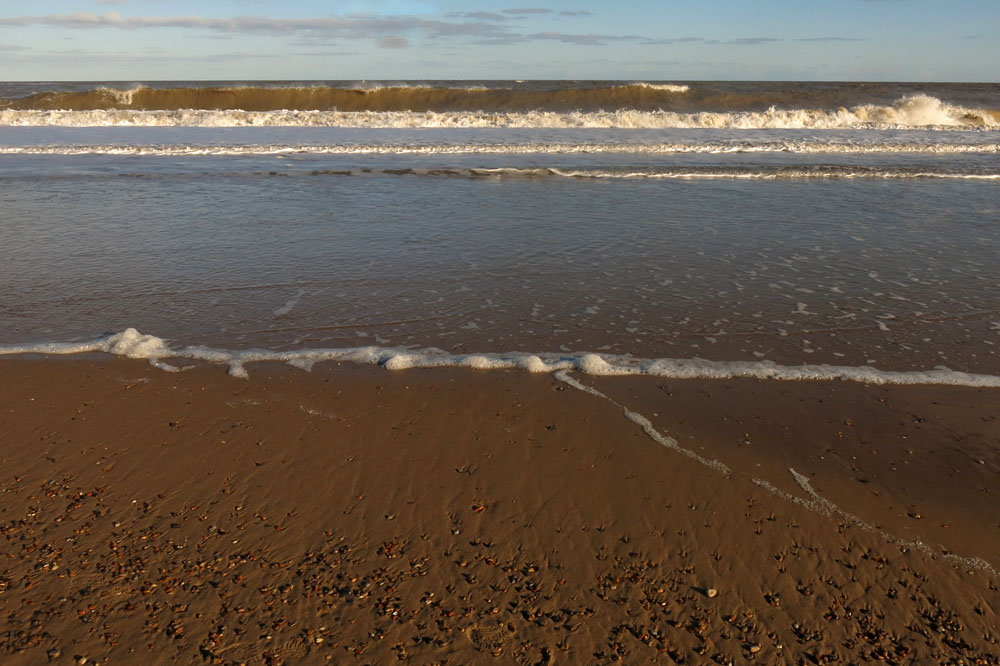 Perhaps it is part of an unwritten code of leisure etiquette, something that established itself in the British collective unconscious in Victorian times when those who could afford it caught trains to the newly developed resorts on the coast in order to take the air. The tradition persisted into the 20th century when, given more leisure time and improved public transport, the working classes too could enjoy the same privilege. Nowadays a trip to the coast is a commonplace activity: a Sunday outing, an hour or two spent strolling on the beach, exercising the dog, dragging the children away from the virtual Neverland of their electronic screens.
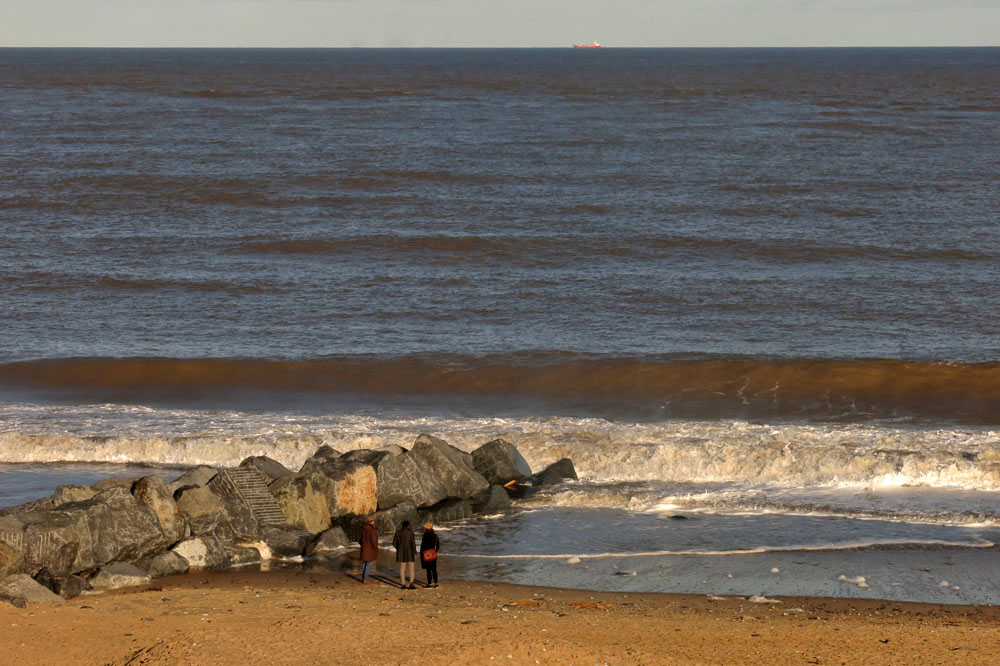
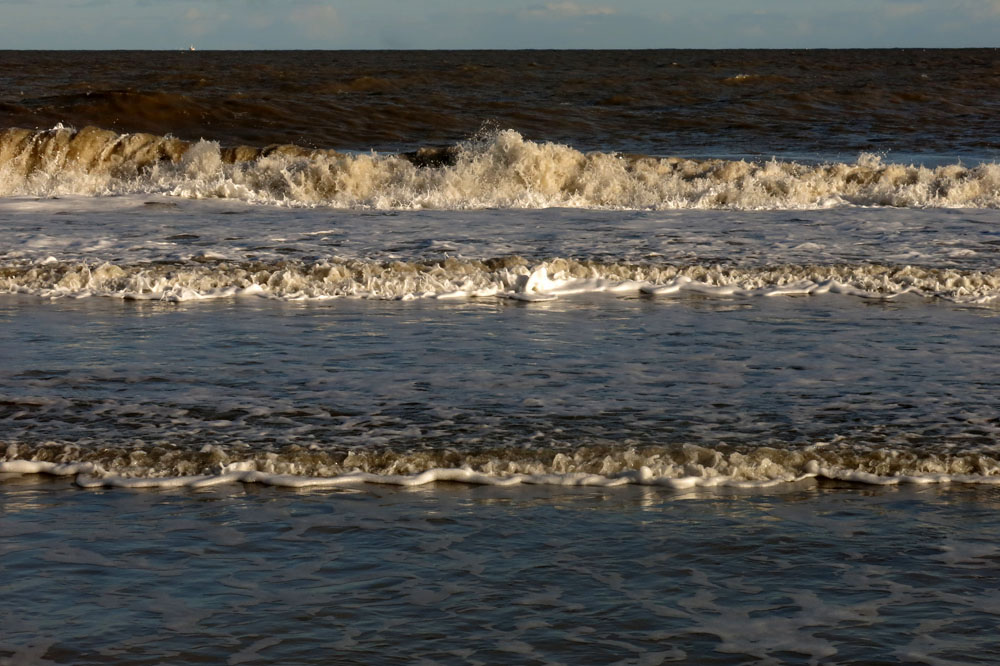 But maybe there is something that lies deeper? Some sort of atavistic compulsion to gaze at the sea, to see where we come from, from land masses beyond the horizon, from the primal sludge of the seabed. An urge look at the edge of things where seawater limns the shore and shapes our green island. We are, after all, an island race.
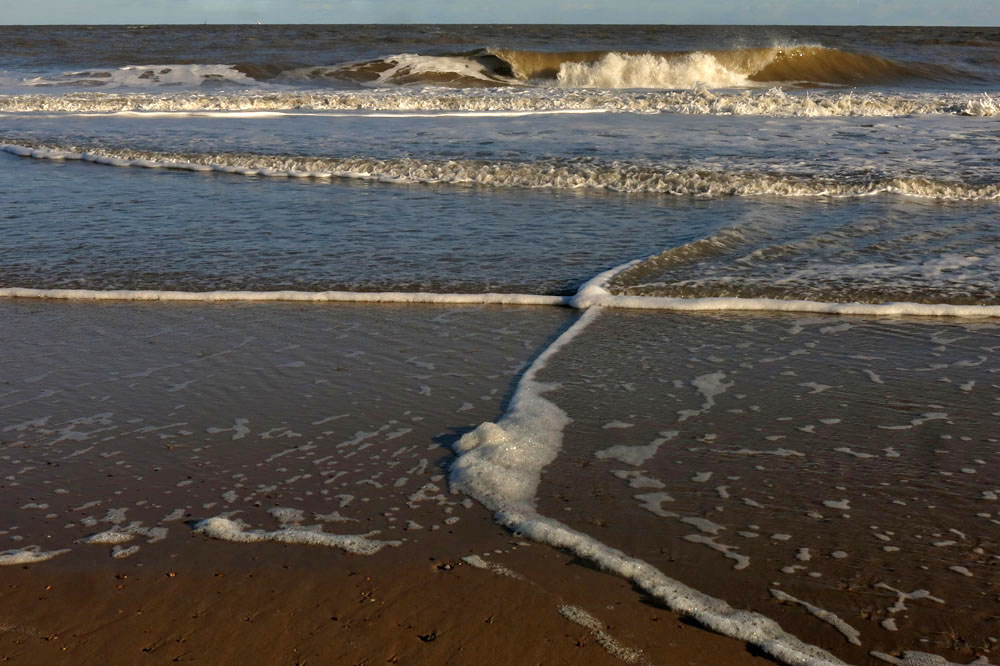 Either way, there is beauty on the beach. Sensuous ripples of sand adorned with calcium necklaces and bangles; the pure white glint of breaking waves. Serried ranks of breakers on the incoming tide, parallels of swell and surf creating a liquid stave for the ocean’s moonstruck music: swash and backwash, the gentle abrasion of pebbles, the faintest tinkle of dead bivalves.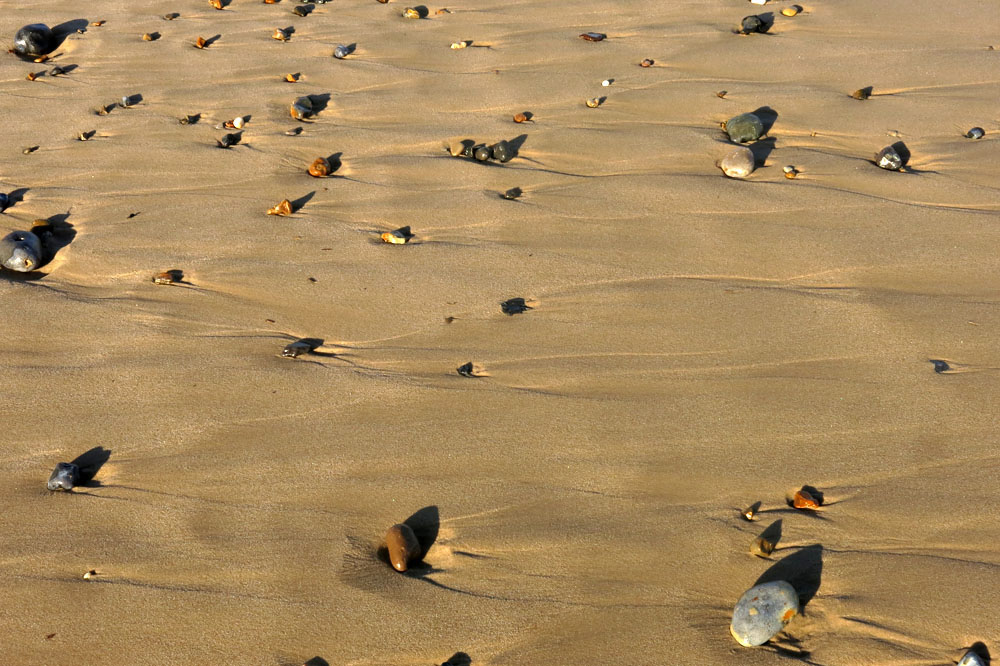

 East of Elveden