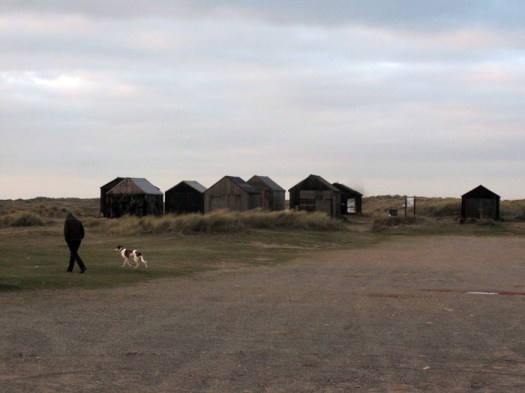
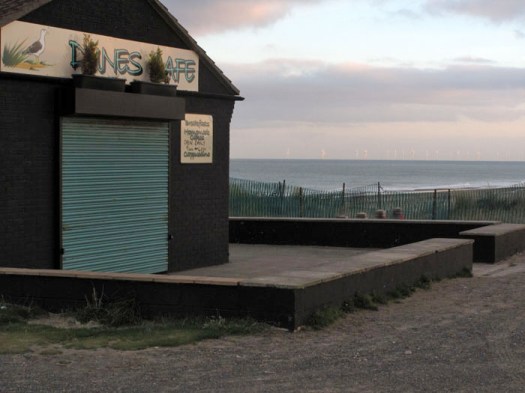
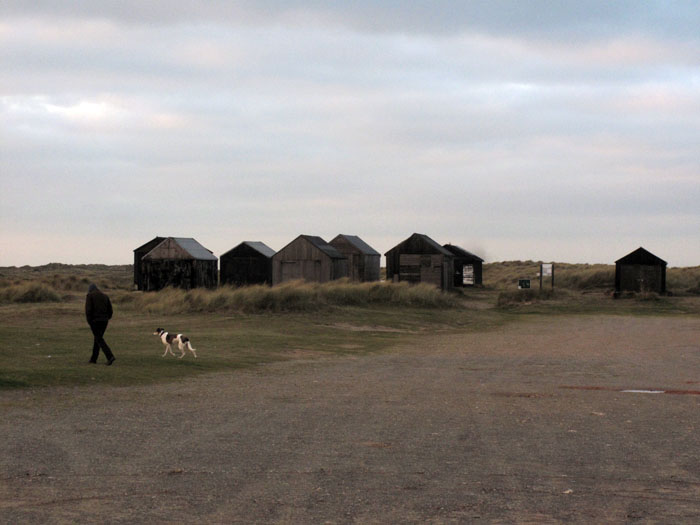
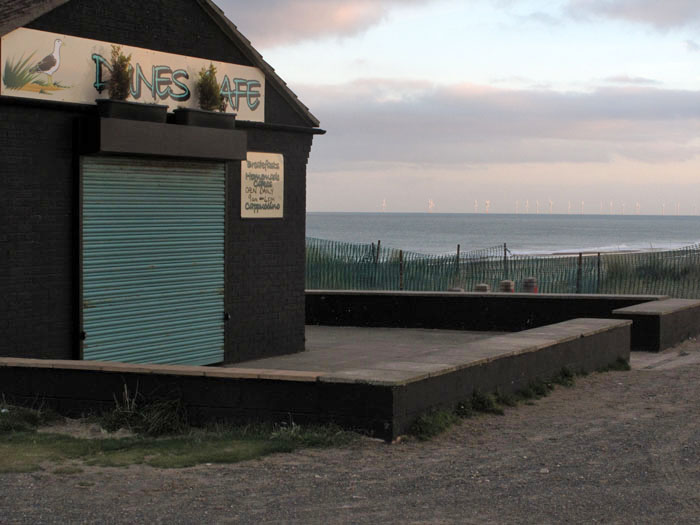
 I did a circular walk at Winterton-on-Sea a couple of weeks ago, striking out from the beach car park that looked a little forlorn out of season – largely devoid of vehicles, its wooden hut cafe bolted shut for the winter.
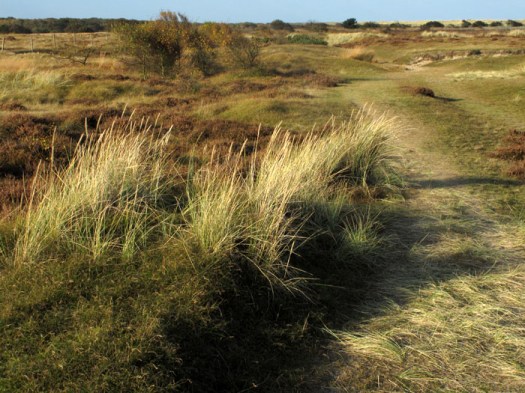
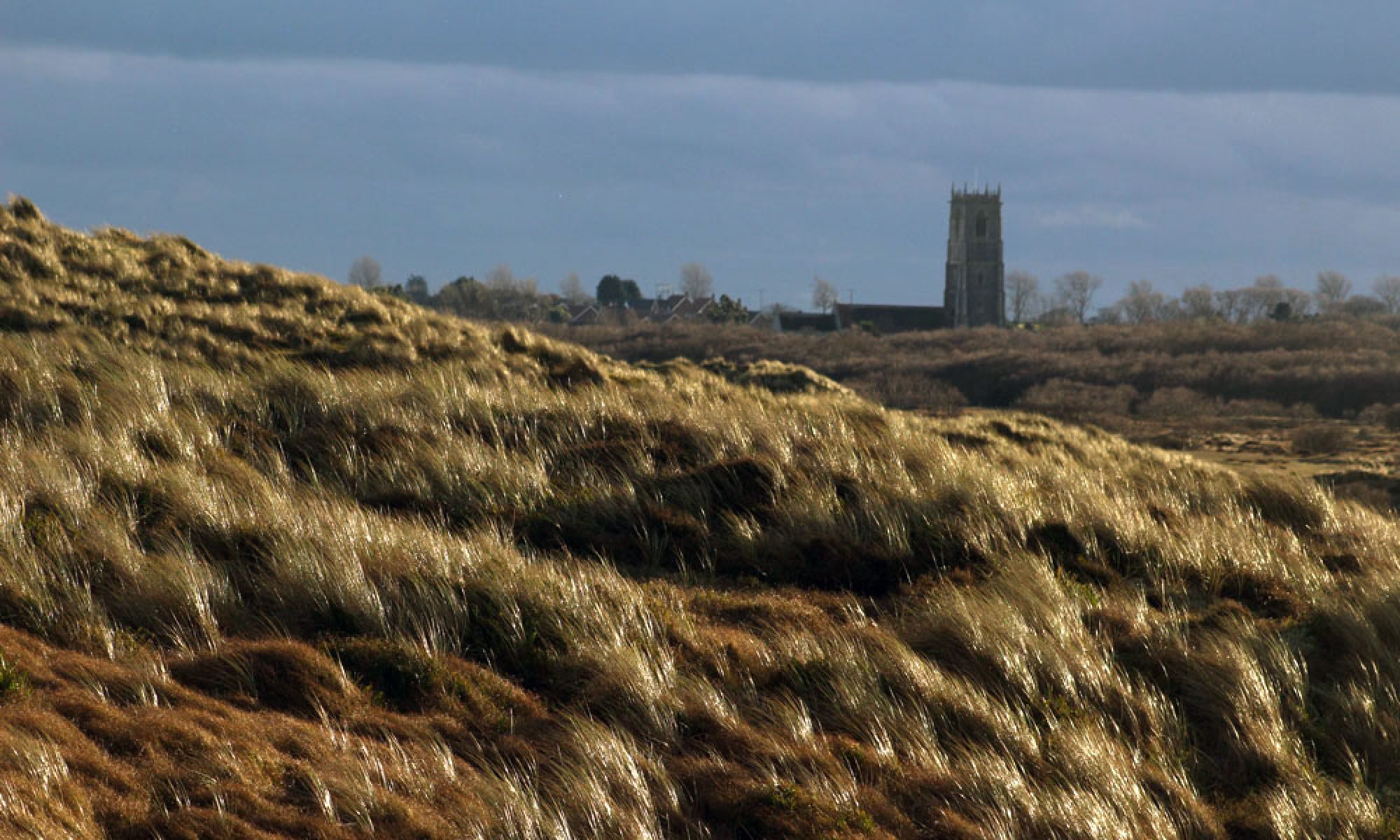
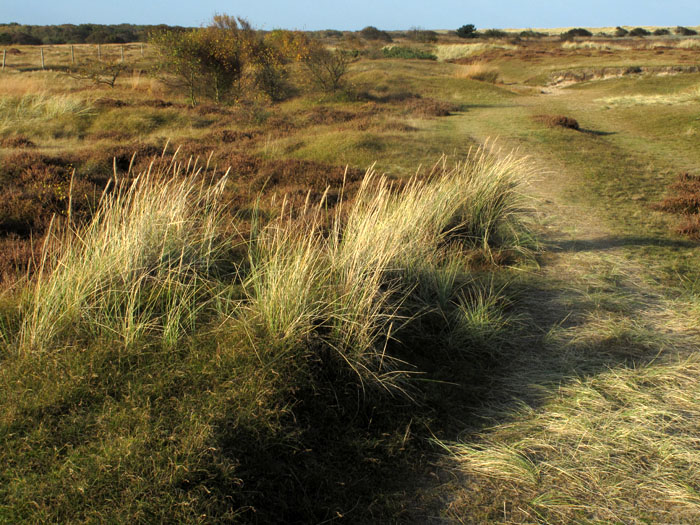
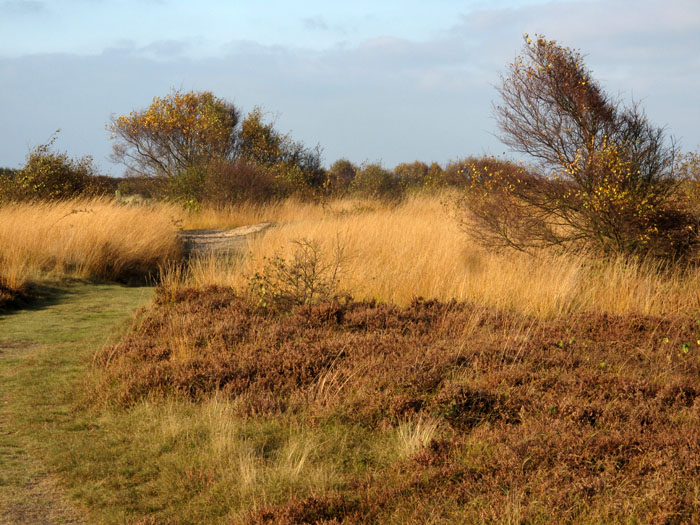
Winterton Dunes immediately north of here is a nature reserve known for its natterjack toads but, this being November, the toad population was in deep amphibian sleep, no doubt dreaming of munching insects in warmer times to come. But, even without the toads, it’s an affecting place – an undulating swathe of sand and gorse, birch trees and heather; a border zone where sea meets land meets sky. There are other animals to consider as well: over the dunes on the beach grey seals have arrived in number to pup, their sluggish forms slumped awkwardly on the sand – plump, blotchy grey and vulnerable.
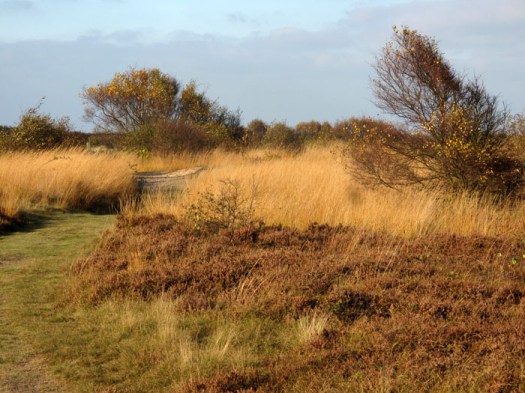
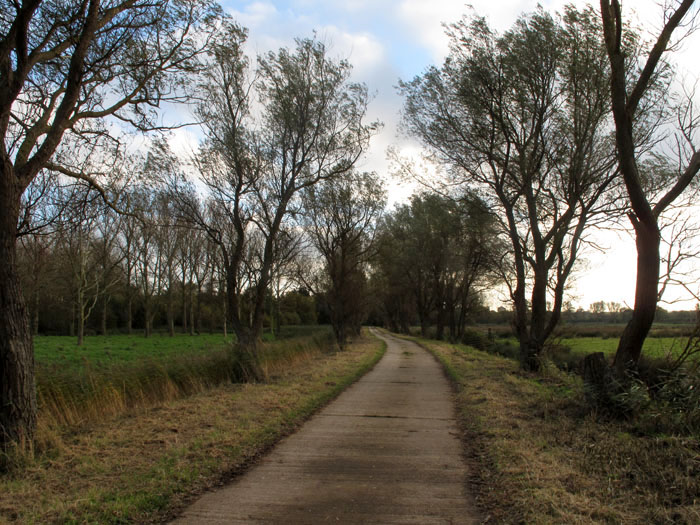
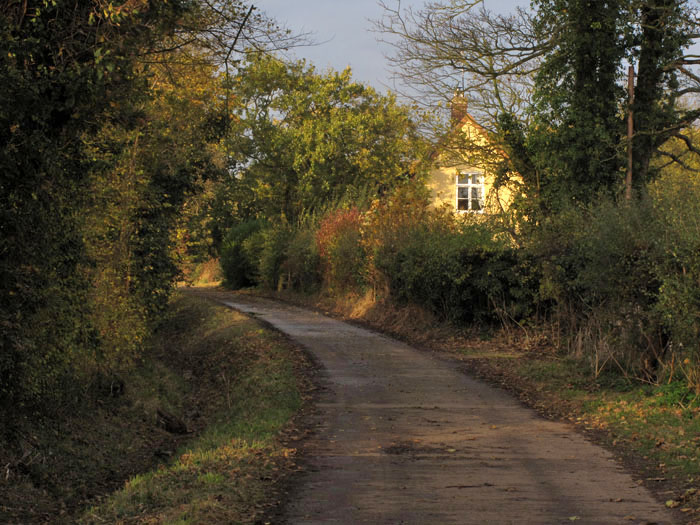
At Winterton Ness, where I leave the dunes to venture inland, large concrete blocks flank the track, a reminder that invasion was a constant threat along this coast back in the dark days of World War II. I walk inland along a farm track, through an isolated cattle yard that has leaked several inches of malodorous slurry over the concrete, before heading across fields to walk south. Here, pheasants are so prolific that I soon become immune to the shock of their flying up unnanounced in my wake – an explosive flurry of undersized wings struggling to lift over-the-top plumage clumsily into the air. There are so many pheasants here. This year, they seem almost plague-like.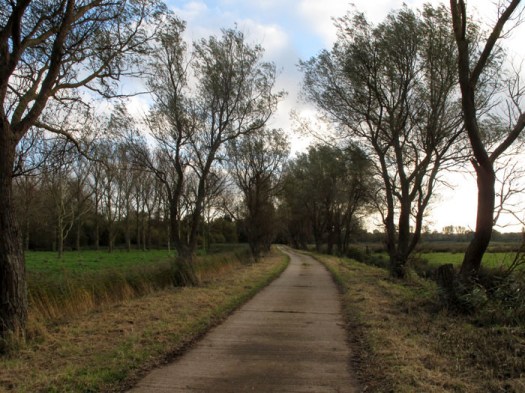 Walking along a lonely concrete road in the general direction of Winterton I come across a man on a bicycle, who dismounts to walk and talk with me awhile. He is a font of local knowledge. According to him, the supersized pheasant population is the result of the local landlord releasing 15,000 chicks into the wild – an awful lot of shooting for even the most enthusiastic rifle-wielder. We talk of other wildlife: the cranes that breed around here, the red deer that rut nearby, the barn owls and hen harriers that quarter the winter marshes. Then, as we approach a corner ahead, he utters, “I won’t walk along here at night on my own. Even the beaters won’t come here at night – and they’re a pretty hard bunch on the whole.” Before I have time to ask why, he answers for me, “It’s haunted, and so is the house by the corner.”
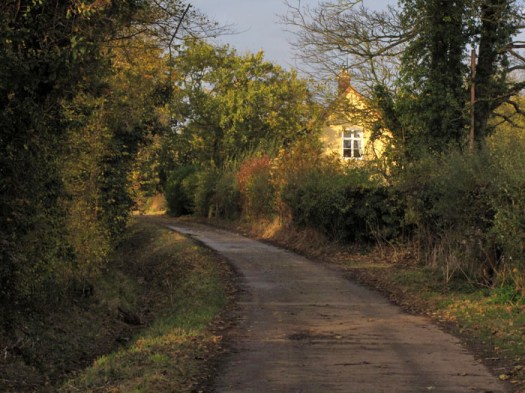 The man with the bike starts to relate a story about a local who lived around here a couple of centures ago. Like many along this eastern extremity of the Norfolk coast, he was given to smuggling and shipwrecking but this particularly unpleasant individual was also reknowned for his cruelty to women and his wraith – a cold, shadowy presence that is said to follow anyone foolish enough to wander around here at night – still haunts this stretch of the road.
We go on to discuss Winterton’s shipwrecking tradition and reputation for lawlessness that persists to this day (“The Yarmouth police don’t want to know about any trouble here, although they’ll come to Horsey just up the road”). Then, as soon as we turn the corner, he bids me goodbye and disappears into the garden of a roadside cottage – the same one he had said was haunted.
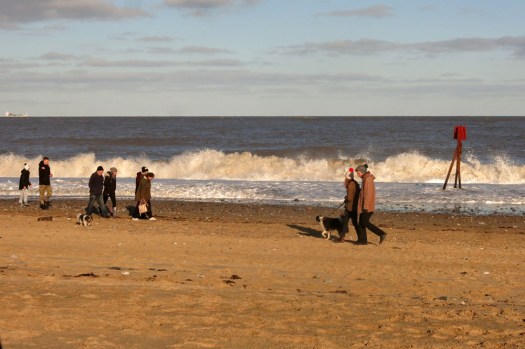
Back at the beach car park, a couple of dog-walkers catching the last hour of silvery daylight eye me (conspicuously dog-less) with suspicion. In north-east Norfolk if you don’t have a furry friend with you then you are probably up to no good. If it’s the liminal hour just before dark then you almost certainly are.
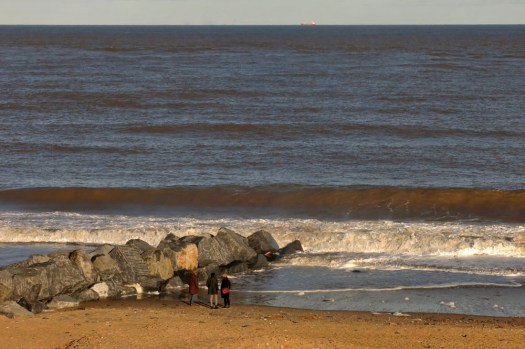
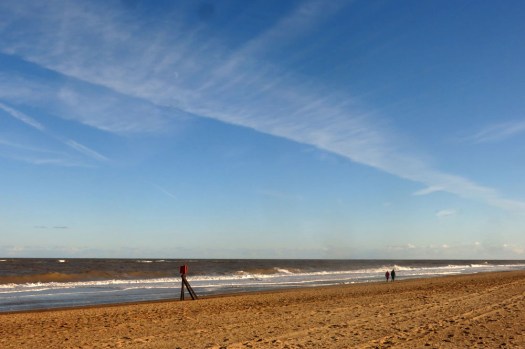 What is it that draws us to the sea; to the coast, the beach? On hot days in summer the answer is fairly obvious: to sunbathe, to swim, to cool off in the sea. Hot summer days are not such a common commodity these days – not in the British Isles anyway – but, whatever the weather brings, people tend to be drawn to the coast like moths to lanterns.
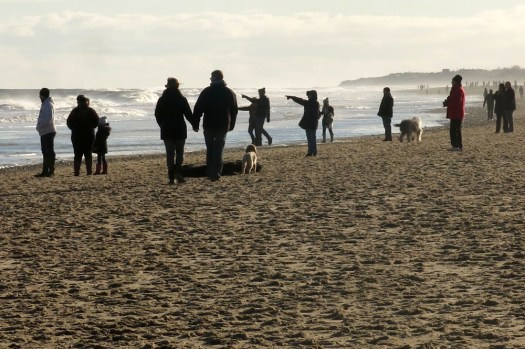
 Perhaps it is part of an unwritten code of leisure etiquette, something that established itself in the British collective unconscious in Victorian times when those who could afford it caught trains to the newly developed resorts on the coast in order to take the air. The tradition persisted into the 20th century when, given more leisure time and improved public transport, the working classes too could enjoy the same privilege. Nowadays a trip to the coast is a commonplace activity: a Sunday outing, an hour or two spent strolling on the beach, exercising the dog, dragging the children away from the virtual Neverland of their electronic screens.
 But maybe there is something that lies deeper? Some sort of atavistic compulsion to gaze at the sea, to see where we come from, from land masses beyond the horizon, from the primal sludge of the seabed. An urge look at the edge of things where seawater limns the shore and shapes our green island. We are, after all, an island race.
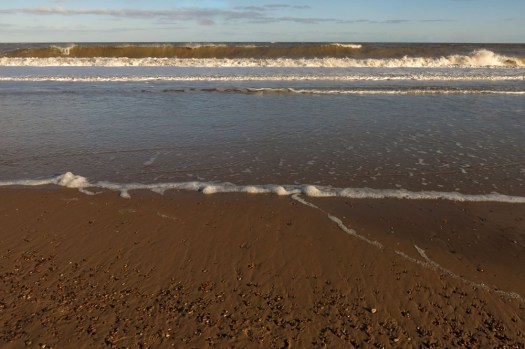
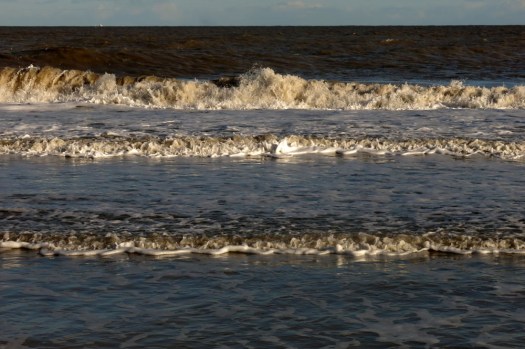
 Either way, there is beauty on the beach. Sensuous ripples of sand adorned with calcium necklaces and bangles; the pure white glint of breaking waves. Serried ranks of breakers on the incoming tide, parallels of swell and surf creating a liquid stave for the ocean’s moonstruck music: swash and backwash, the gentle abrasion of pebbles, the faintest tinkle of dead bivalves.

 East of Elveden