Esfahan nasf-e jahan est (‘Isfahan is half the world’)
‘… and rank Isfahan among those rarer places, like Athens and Rome, which are the common refreshment of humanity.’ Robert Byron The Road to Oxiana
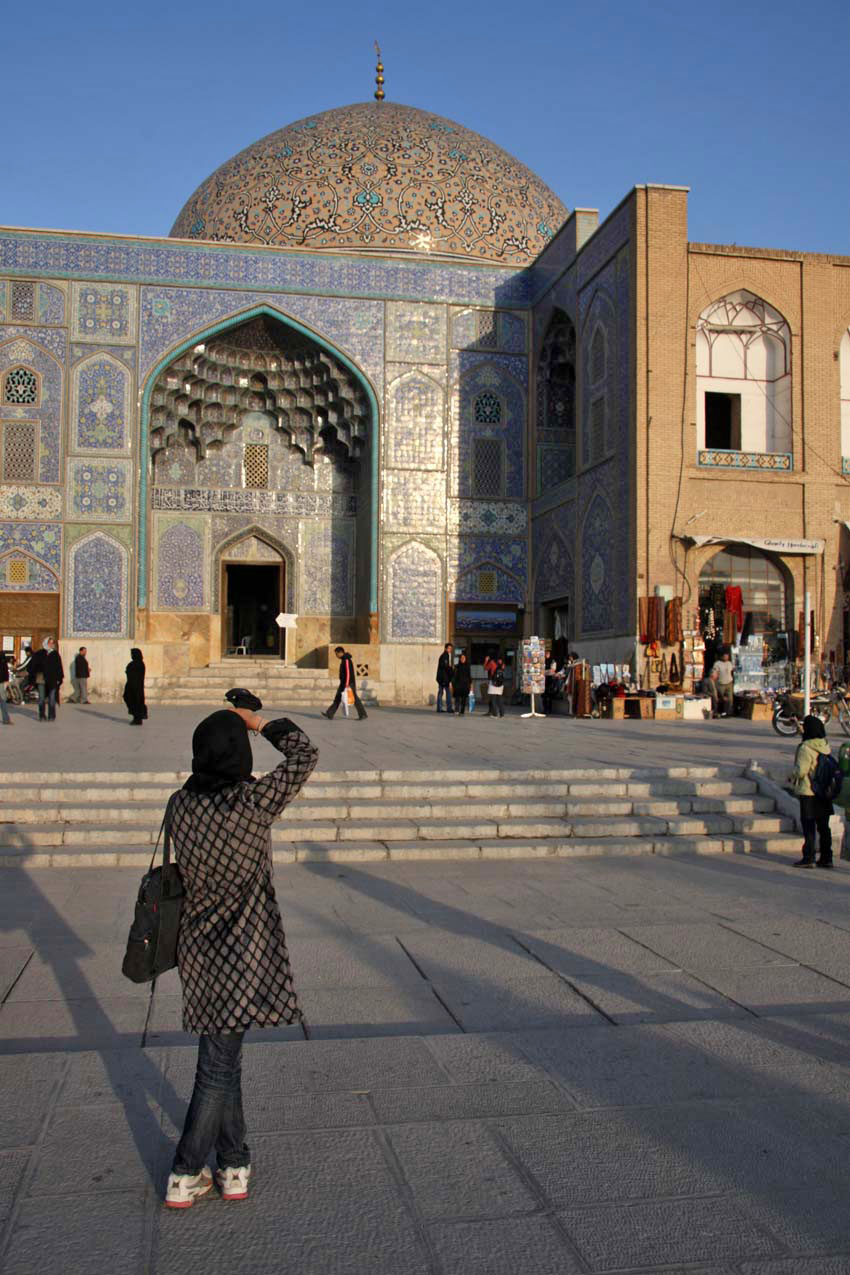
Isfahan, so the Persian phrase goes, is ‘half the world’. This, the third largest city in Iran, has quite a reputation to live up to. But it doesn’t disappoint. I was there in 2008, which I realise, somewhat astonished, was almost two decades ago. It really doesn’t feel that long since my visit but perhaps that is a consequence of the increasingly capricious nature of time as those of my generation navigate the autumn of our lives.
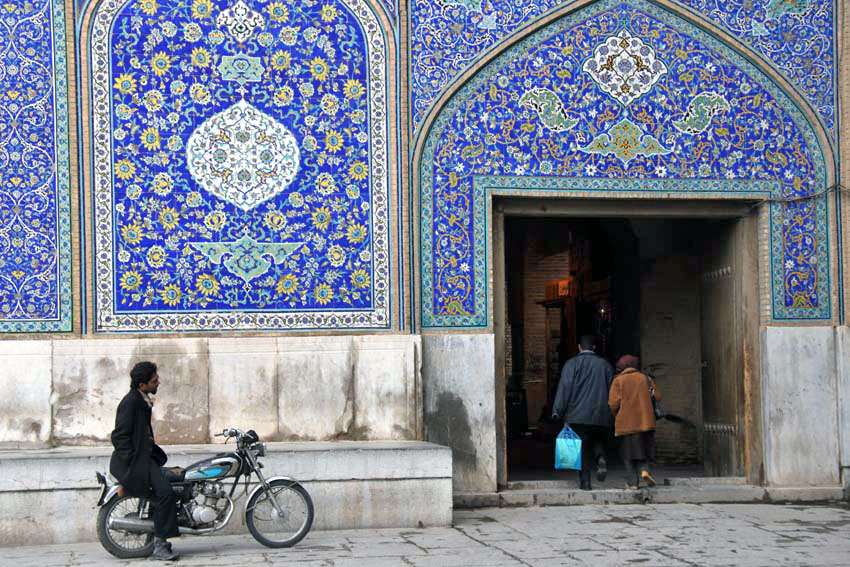
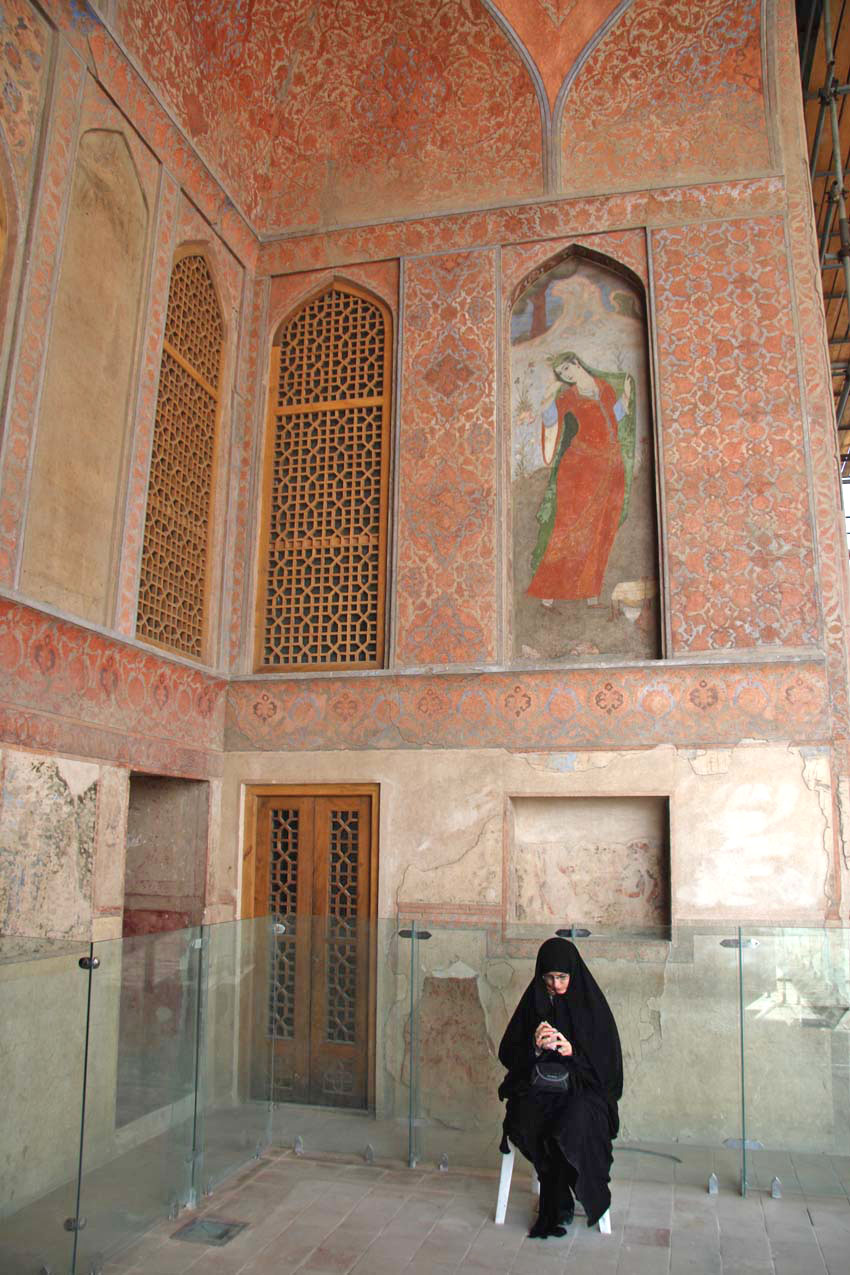
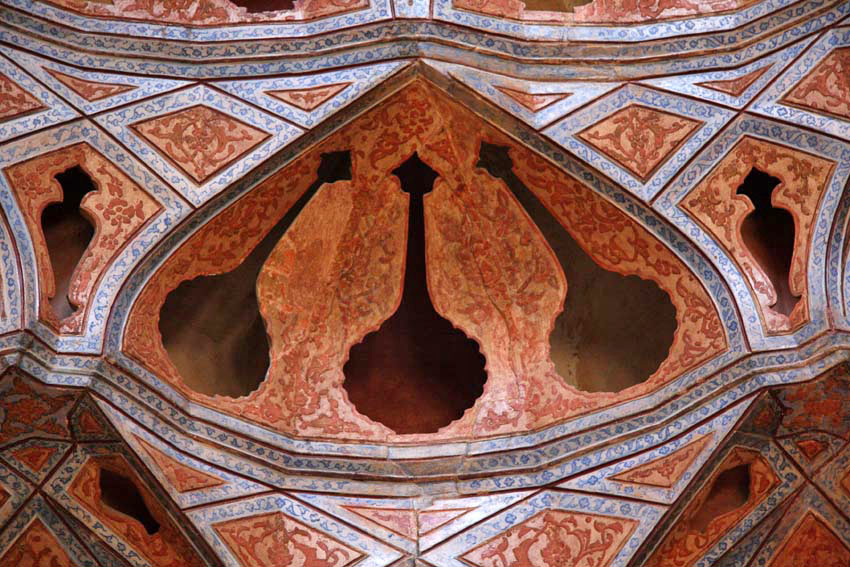
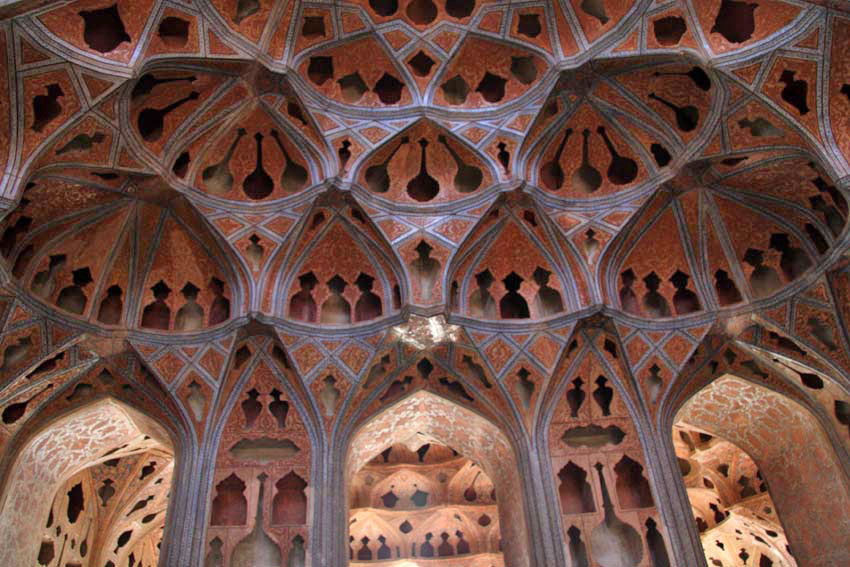
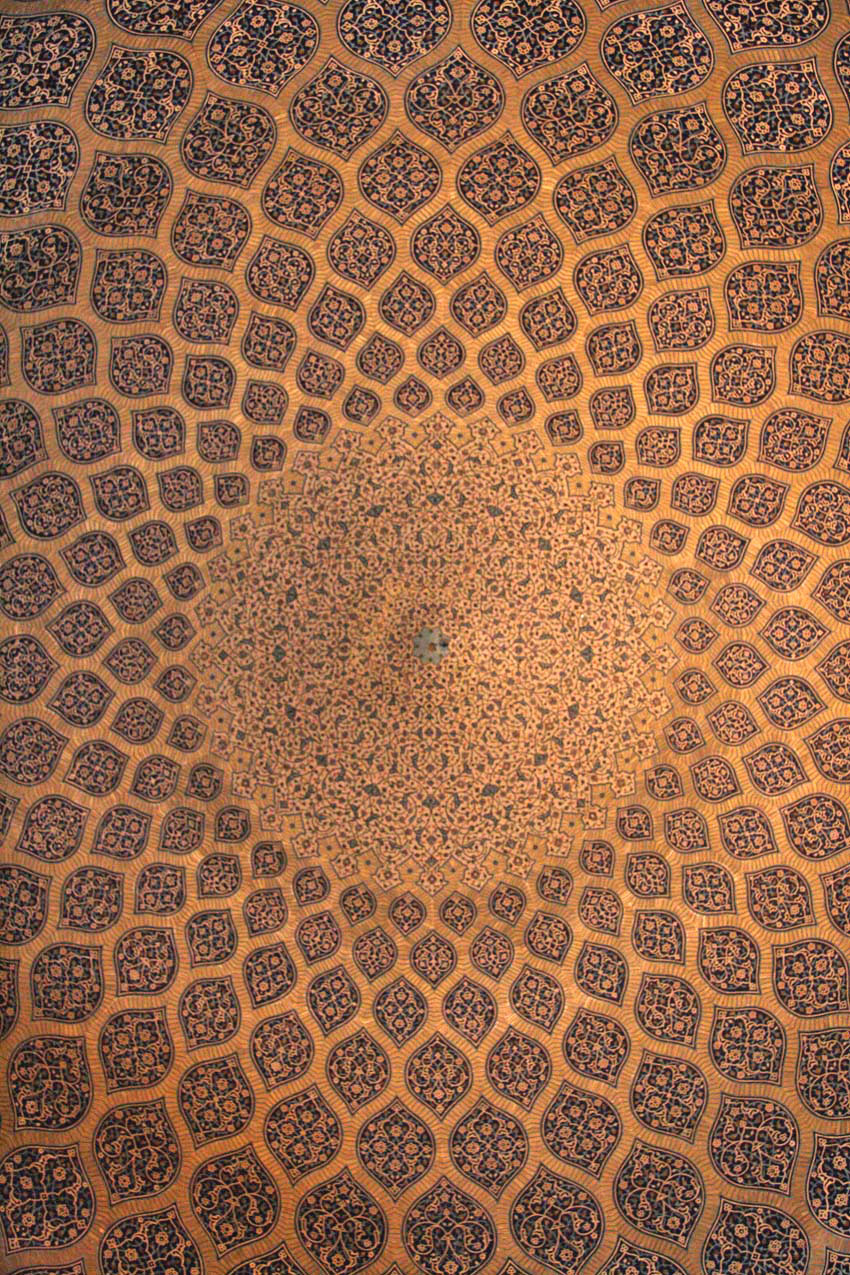
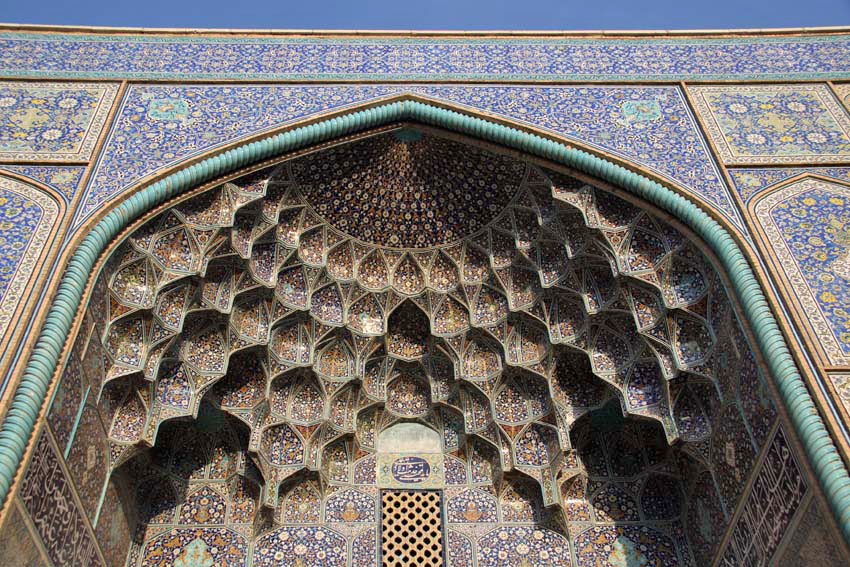
Isfahan, perhaps more than most places, lingers long in the memory – for its beauty, for its timeless grace. It’s enormous central square, a UNESCO World Heritage Site called Naqsh-e jahan, is an airy expanse of fountains and flower beds around which are arranged some of the most beautiful buildings you may ever see: the Ali Qapu palace, the Shah Abbas Mosque and the sublime Sheikh Lotfollah mosque. These all date back to the glory days of the Safavids, whose ruler Abbas the Great, made Isfahan the Persian capital.
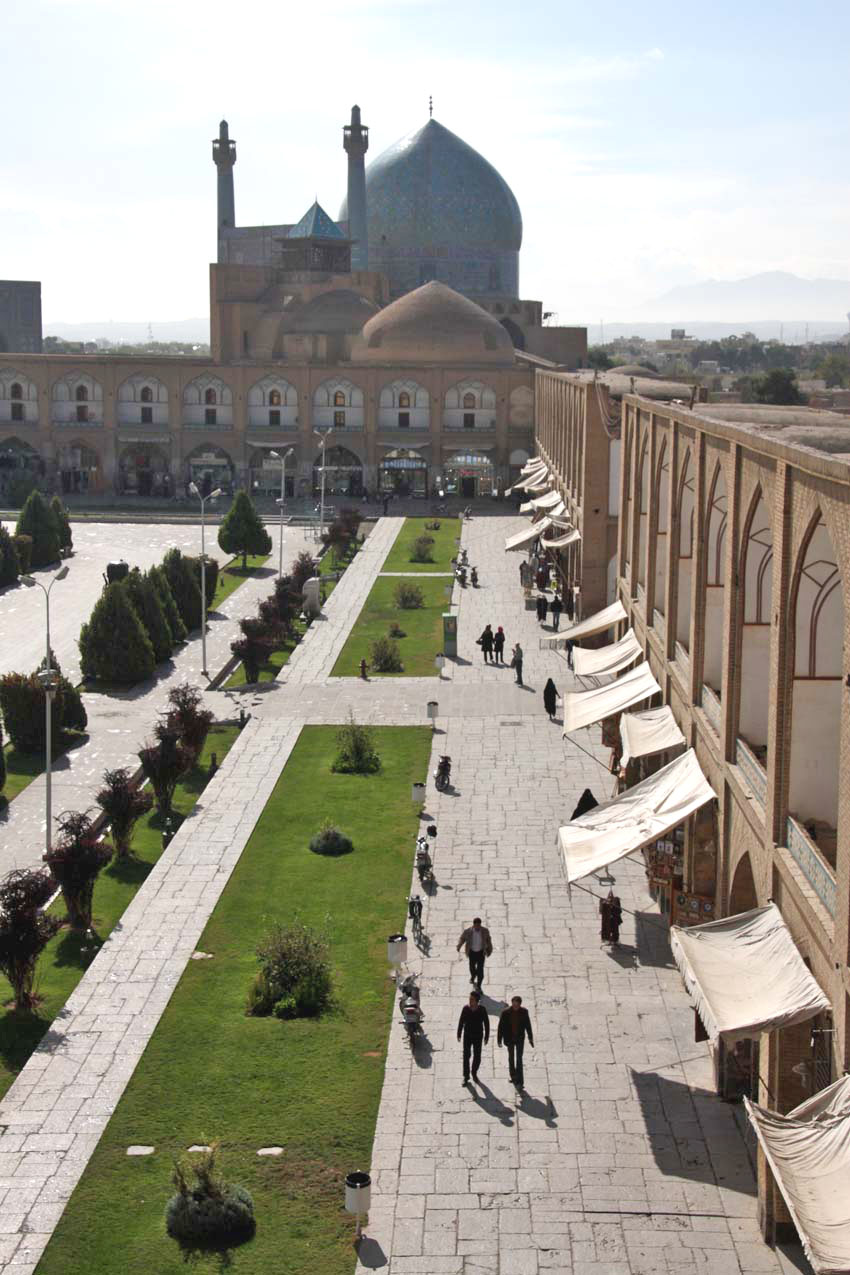
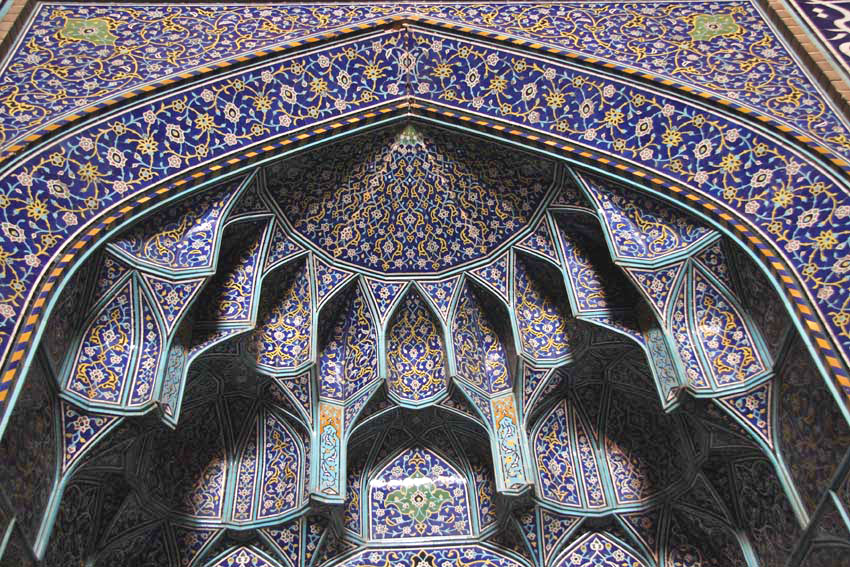
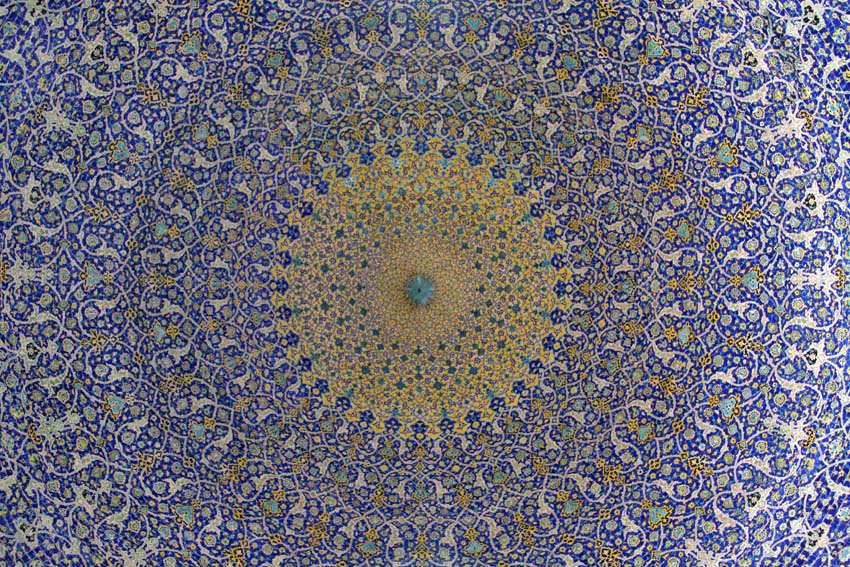
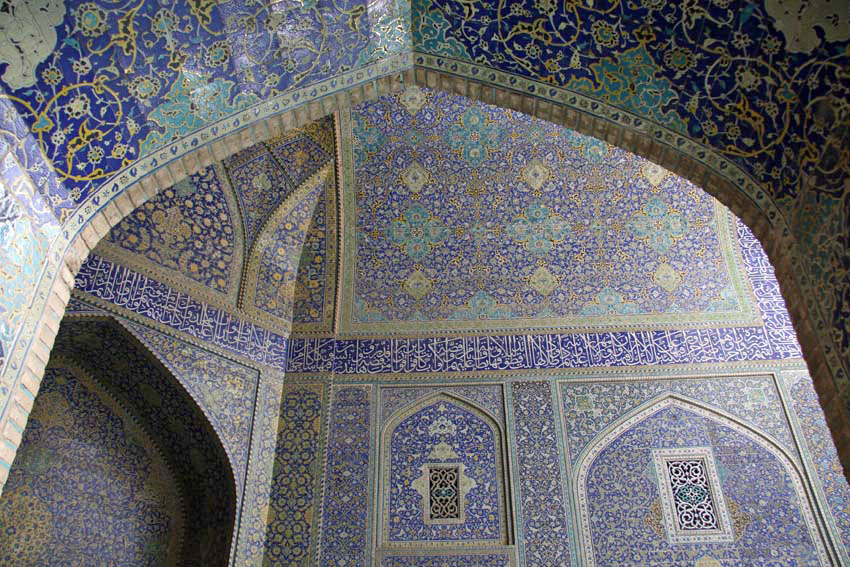
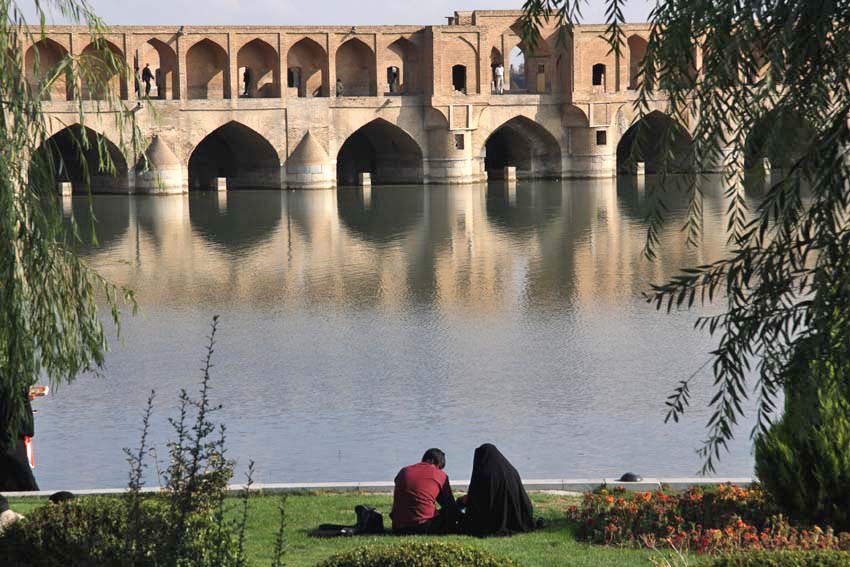
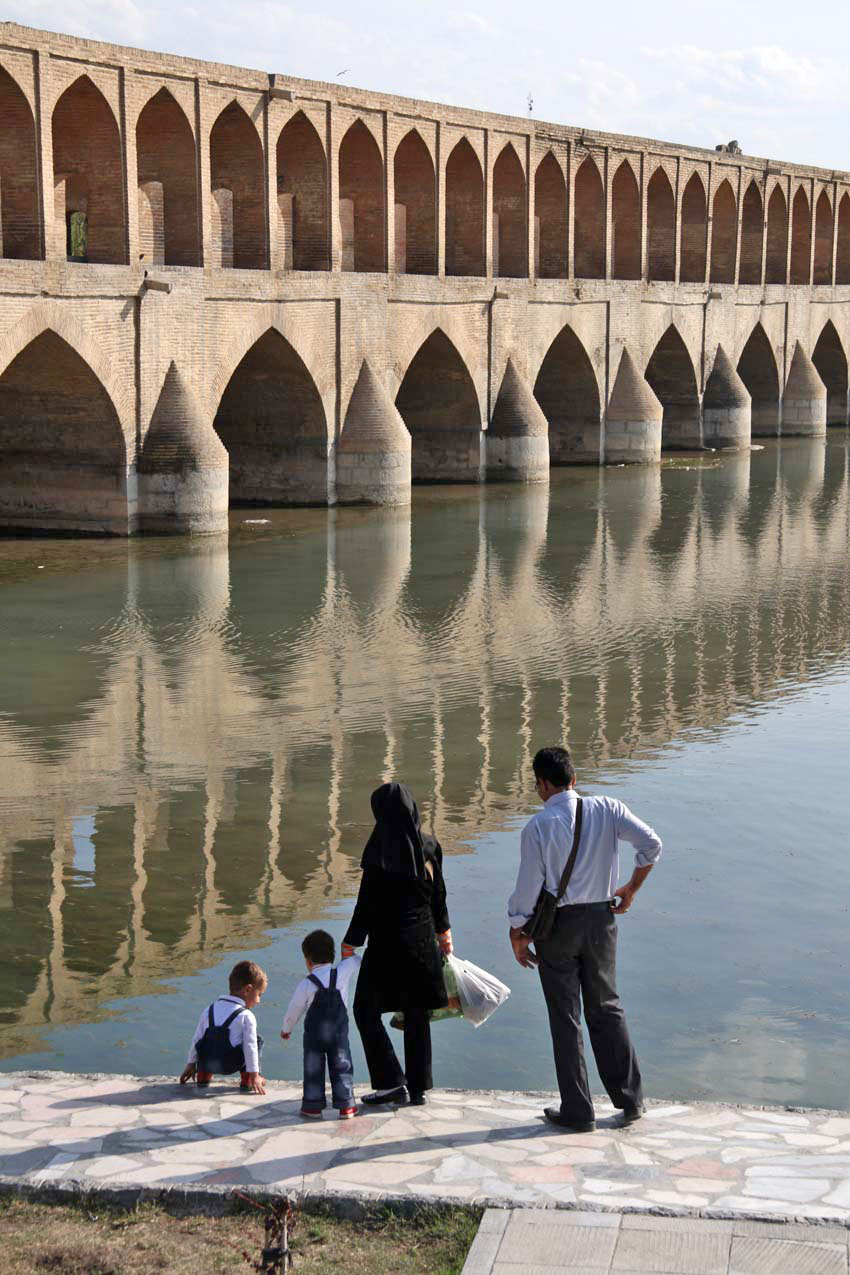
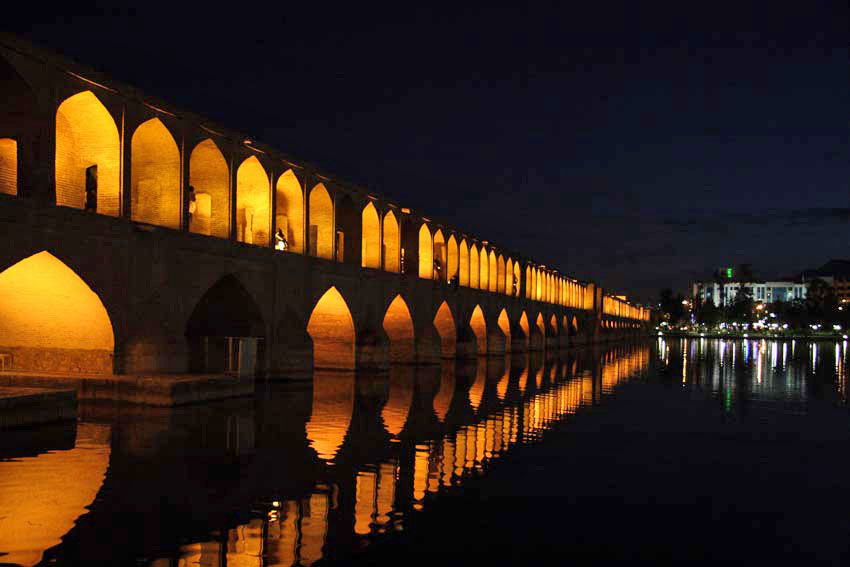
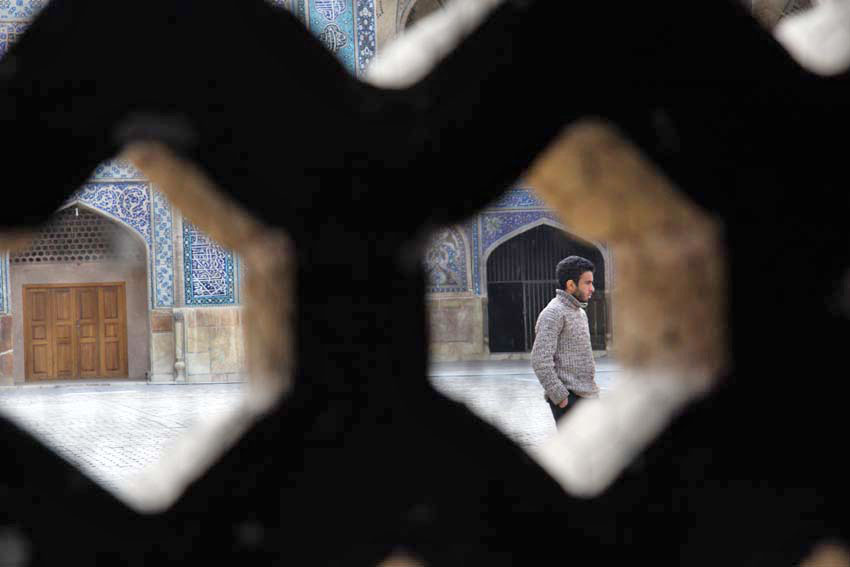
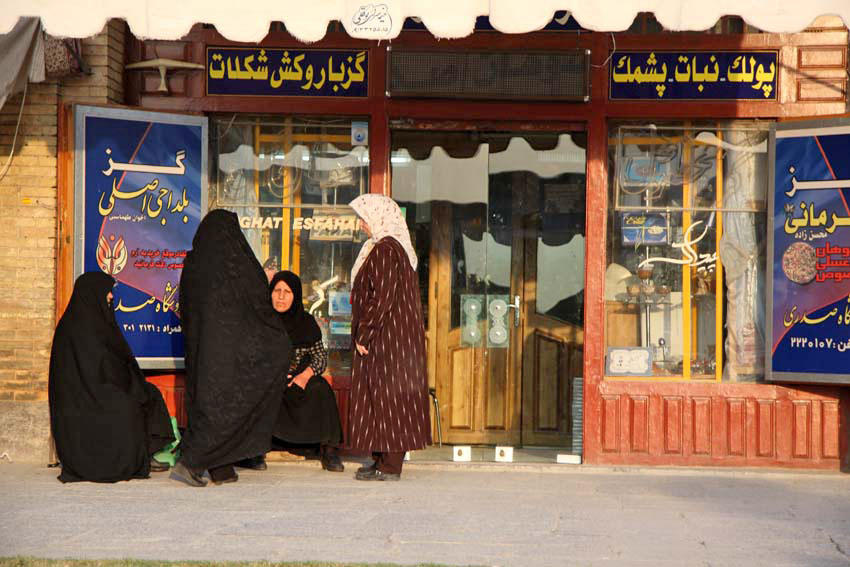
Elsewhere is the picture-perfect, 33-arched Si-o-se pol bridge, which, like the square, is another favoured location for Isfahan’s citizens to sit and drink in the beauty of their city. And they do – young lovers, groups of middle-aged women, young families, old men. It is the memory of these people – ordinary citizens, proud of their city and ancient Persian heritage (whatever their opinion of the current theocratic administration) – that stays with me as much as the memory of its exquisite blue architecture. Their country – Persia/Iran – is one of the world’s oldest continuous civilisations. Through the ages it has seen off invaders like Arabs, Mongols and Alexander the Great’s Macedonians. Once it built the glory of Persepolis. Once it worshipped fire. And one of its cities might still be considered to be half the world. As Robert Byron said, Isfahan serves for ‘the ‘common refreshment of humanity’. Long may it continue to do so.