Dudley Ay It

We were driving home from North Wales, and it is a long way to East Anglia from there. So we were looking for a break in the journey somewhere: a place to rest overnight before A14-ing onwards to Norwich? While it might not be everybody’s destination of choice, Dudley, de facto capital of England’s Black Country, has some points in its favour, its West Midlands location midway between coasts being one of them. Besides, I wanted to have a look at Wren’s Nest, the geopark on the town outskirts, where all manner of weird and wonderful fossils from the Silurian period might be found.

I had been here before, several years earlier, a brief stop on a coast to coast pilgrimage that I wrote about in my book Westering. Back then I had passed through Dudley as I traced my way through the Birmingham – Black Country conurbation by way of its extensive canal network; an interesting route, although Venice didn’t spring very much to mind as I traipsed westwards through a decayed, post-industrial landscape.

I wrote then:

I arrived at a large, five-way roundabout and a dual-carriageway, which I followed further uphill towards Dudley Castle, which I could see, noble but not entirely fairytale, flying its flag on top of the hill ahead. The next roundabout held several large, Black Country-themed sculptures: a steel crucible, bronze cannon, heraldic lion and medieval plough. It looked as if Dudley was doing its best to make the most of its industrial heritage.  I wanted to take a closer look but was stuck on the wrong side of the dual carriageway with no safe means of crossing. Eventually, I spotted a footbridge ahead that conveniently led me straight to Dudley’s bus station at the foot of Castle Hill, an outcrop of the Wenlock Group limestone that had played a significant part in the town’s industrial development.

This time, coming from Wales by way of Shrewsbury and Telford, we came upon this same roundabout as we were driving around looking for the hotel we had booked for the night. Travelodge found, and bags deposited, we went off in search of food and drink. A peremptory Google search of the vicinity revealed a pub close to the castle that might be a possibility but when we arrived at the Fellows things didn’t look very promising. A tribute singer was belting out a cover of Red Red Wine by UB40 at deafening volume and the courtyard was packed with smokers who were intent on avoiding the aural onslaught inside. Besides, it was Sunday evening and the availability of lunchtime roasts had been and gone. It looked as if we would have to try elsewhere.

On the way up to the Fellows we had passed an even more unpromising establishment on Castle Hill, a single-roomed place that called itself the Star Bar, which resembled more a garage lock-up than a place for food and drink, although the former was clearly available as boisterous yam yam* voices echoed from behind it half-closed metal portal. Also on Castle Hill was a once-splendid Art Deco cinema that now served as a Jehovah’s Witness Kingdom Hall. Next door, a Tudor Gothic pile had similarly been converted to serve as a place of worship for the town’s Muslim community: Dudley Central Mosque. The building, I found out later, was Grade II-listed and had once been a school.

* yam yam = Black Country dialect
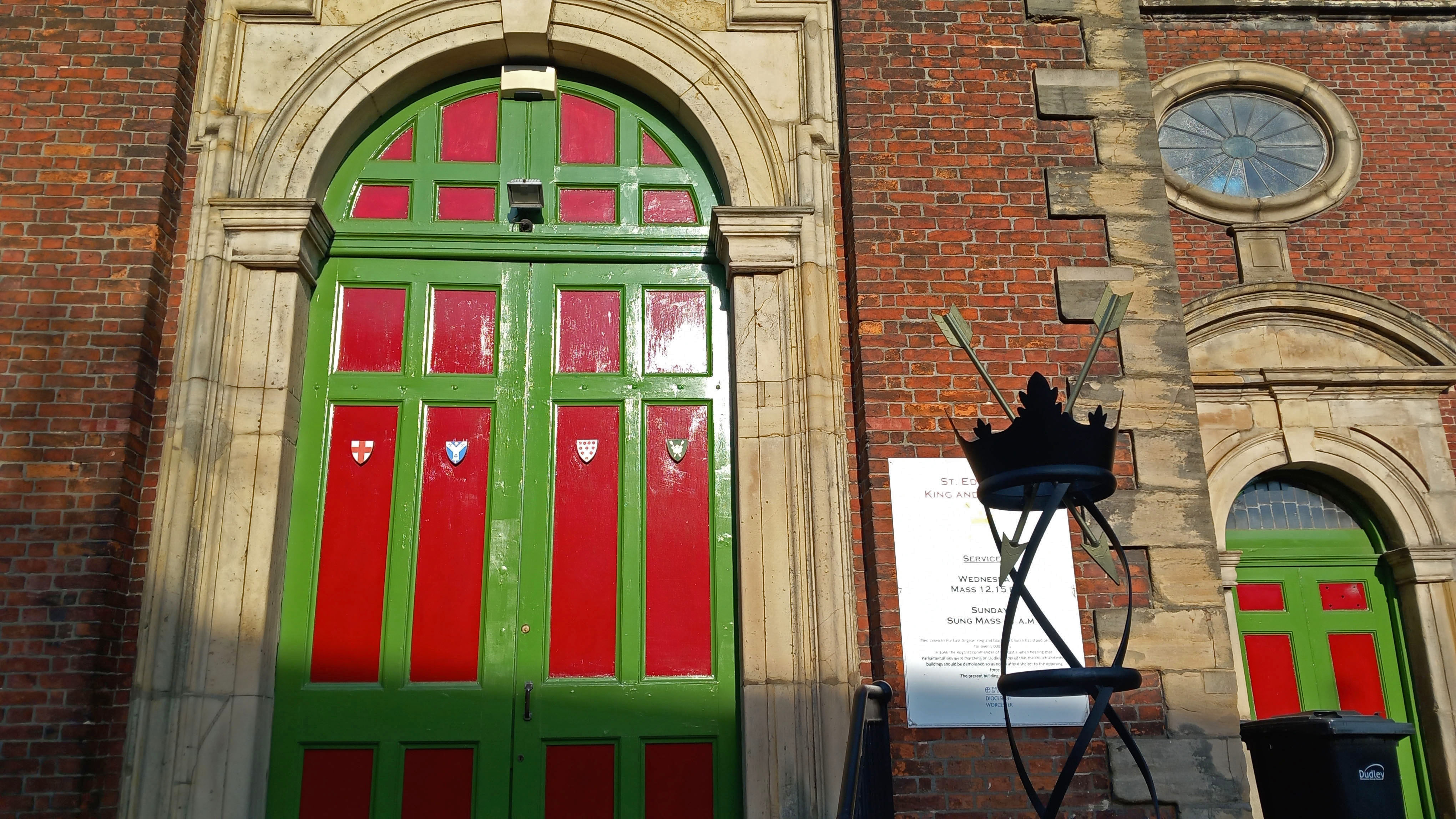
Across the road from the Fellows, a grand statue of the First Earl of Dudley stood at the top of the town’s pedestrianised shopping zone and market place. A little further on we passed St Edmund’s Church, an 18th-century replacement of earlier place of worship of Anglo-Saxon origin destroyed in the Civil War. To symbolise its dedication, twin crowns and the arrows of the saint’s martyrdom were on display in front of the church entrance.

This being Sunday evening, the area was largely deserted; its market stalls locked up, although some of the shop fronts gave the impression of having been closed up for some time. There were several interesting statues scattered about to restore some sense of civic pride. Most notable of these was that of local football hero Duncan Edwards. Born in Dudley in 1936, Edwards had been a Manchester United ‘Busby Babe’ and highly respected England defender before dying tragically, aged just 21, from injuries sustained in the 1958 Munich Air Disaster. Further down, just beyond the market place, was a life-size bronze statue of a top-hatted Victorian gentleman sitting on a bench: the poet Ben Boucher (1769 – 1851), who wrote ‘Lines on Dudley Market’, some of which were etched into the curved Portland stone bench. While Boucher lived a much longer life than the unfortunate footballer, the Dudley Poet’s own sad fate was to end up impoverished in the town workhouse.

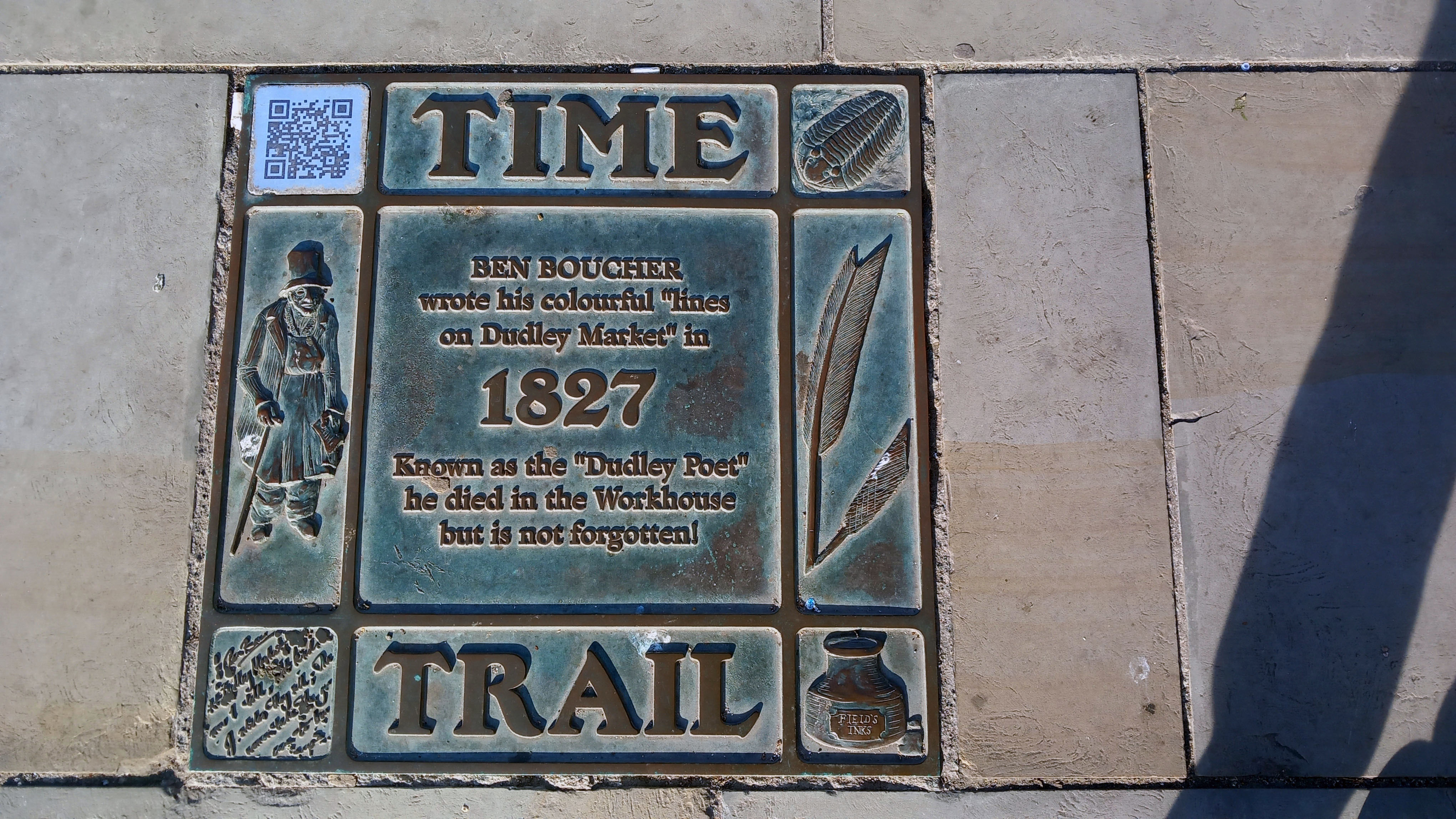
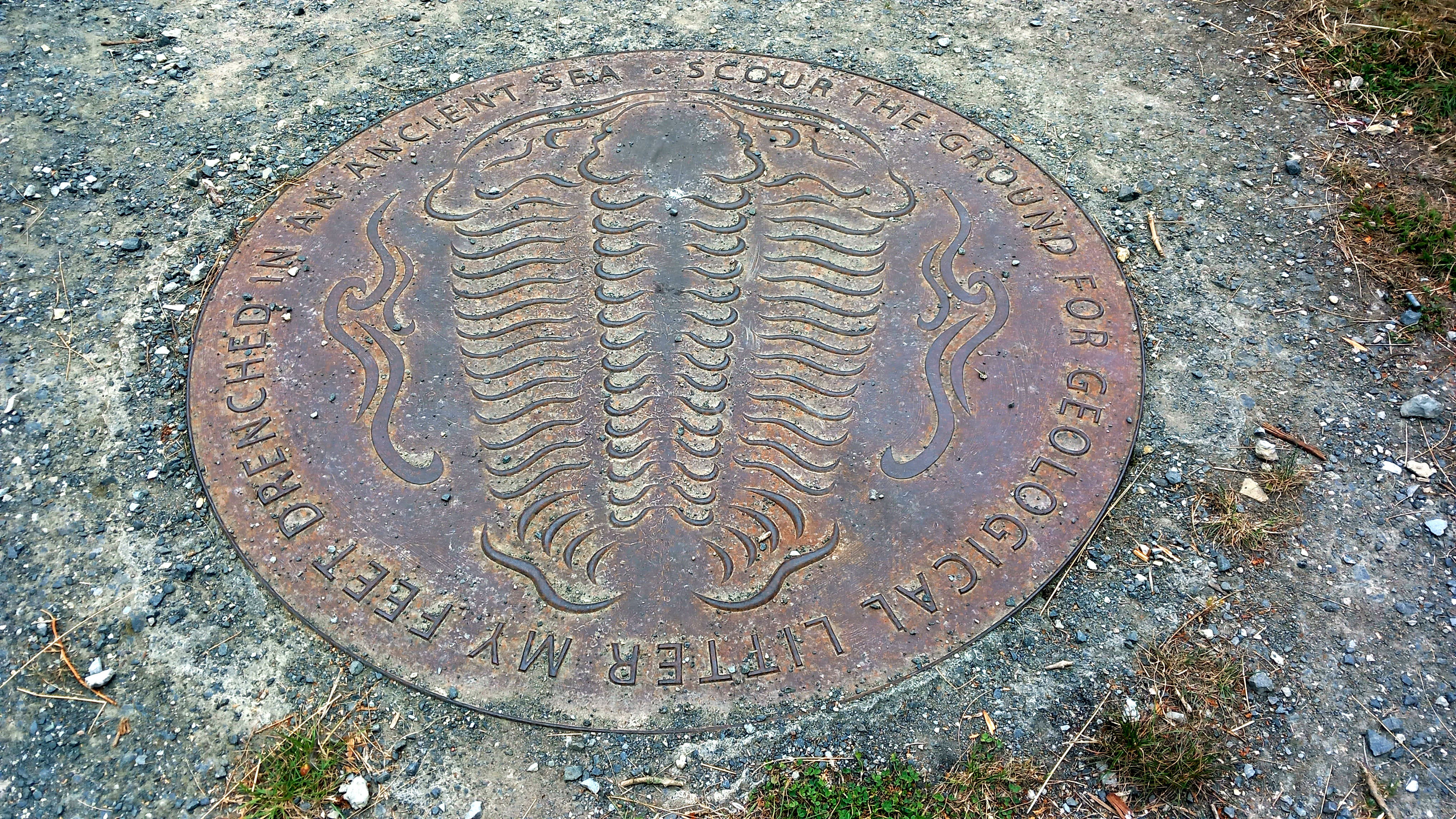
This brief glimpse of the town centre reinforced the impression I had taken from my previous visit: one of decline and closure, one of faded glory. The re-purposing of grand old buildings; the closure of town centre shops and department stores – out-competed ever since the opening of Merry Hill Shopping Centre at nearby Brierley Hill towards the end of the last century. Counter to this sense of decline were the upbeat Town Trail pavement plaques that told with pride the town’s unique geological and industrial history. It was here in the Black Country that the Industrial Revolution had originated and then swiftly gained momentum in the late 18th century. A serendipitous convergence of factors had come into play. The area had all the necessary raw materials – coal, limestone and iron ore. It had – or, rather, soon acquired – the labour, skills and engineering talent. It also had the means of distribution – canals, and later railways. It could even be argued that the Anthropocene – the recent epoch in which human activity has been the dominant factor in changing the world around us – began hereabouts. I touch upon this in the final chapter of my recent book Flint Country, where I write:

The precise date of its onset remains a matter of debate. James Lovecock, originator of the Gaia concept, claims that the Anthropocene started with the Industrial Revolution in the early nineteenth century, the period in modern history when the use of fossil fuels for manufacturing and transport got fully underway. Fine-tuning this connection between the dominance of human influence and technological progress, it could even be said that the Anthropocene began with the invention of Thomas Newcomen’s steam-powered pump, a machine first used to remove water from a coal mine near Dudley in the English Black Country in 1712.

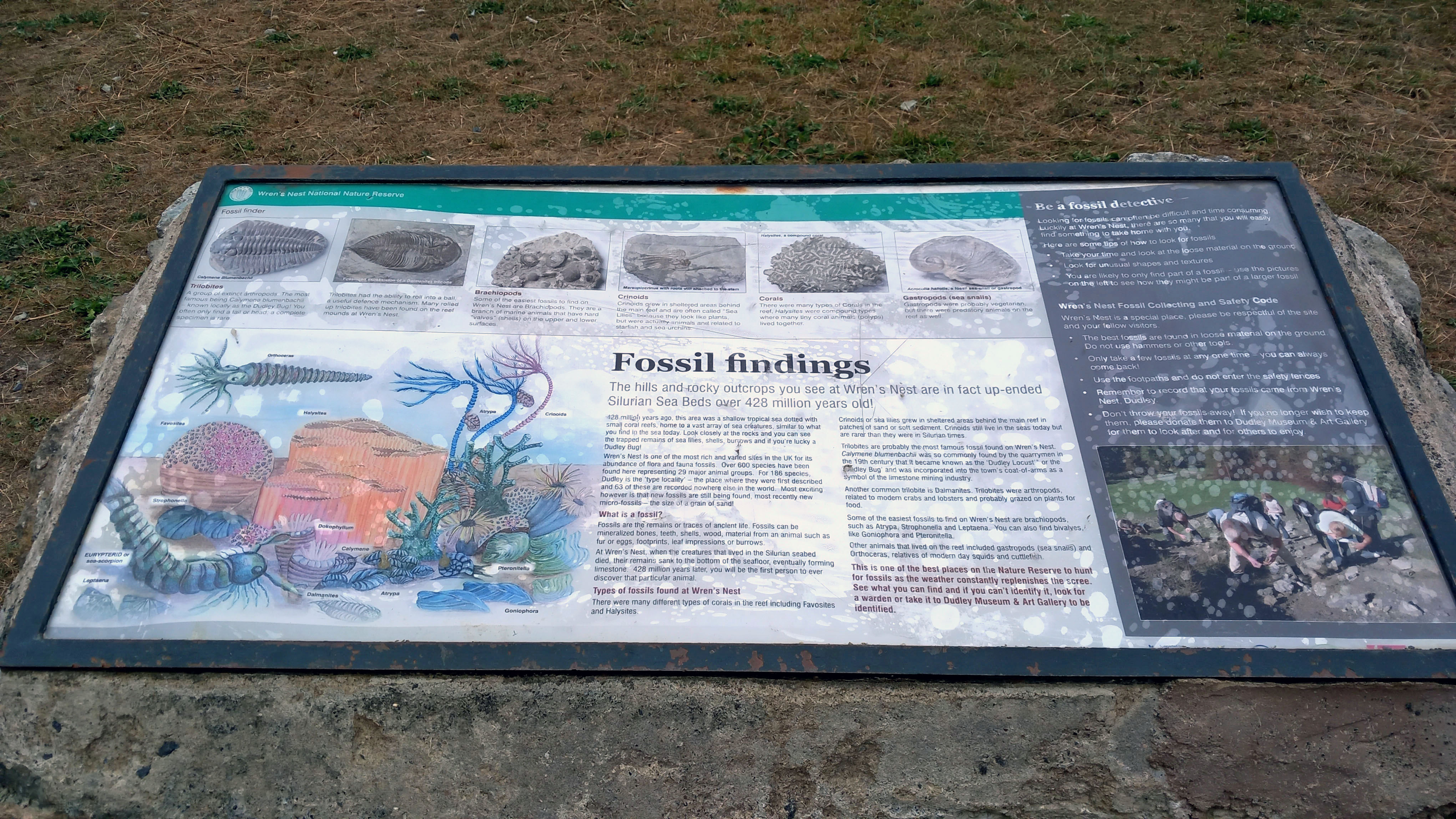
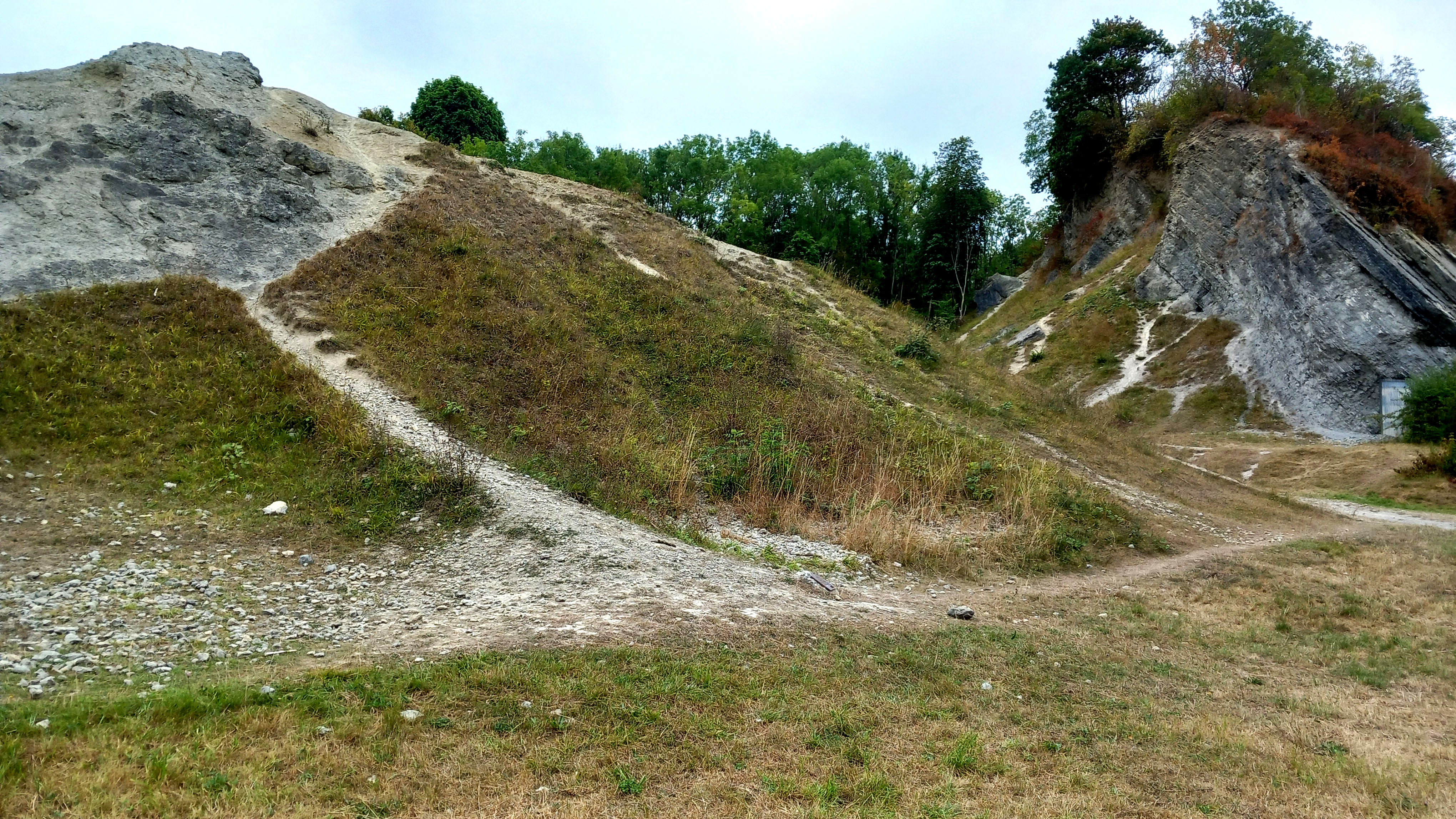
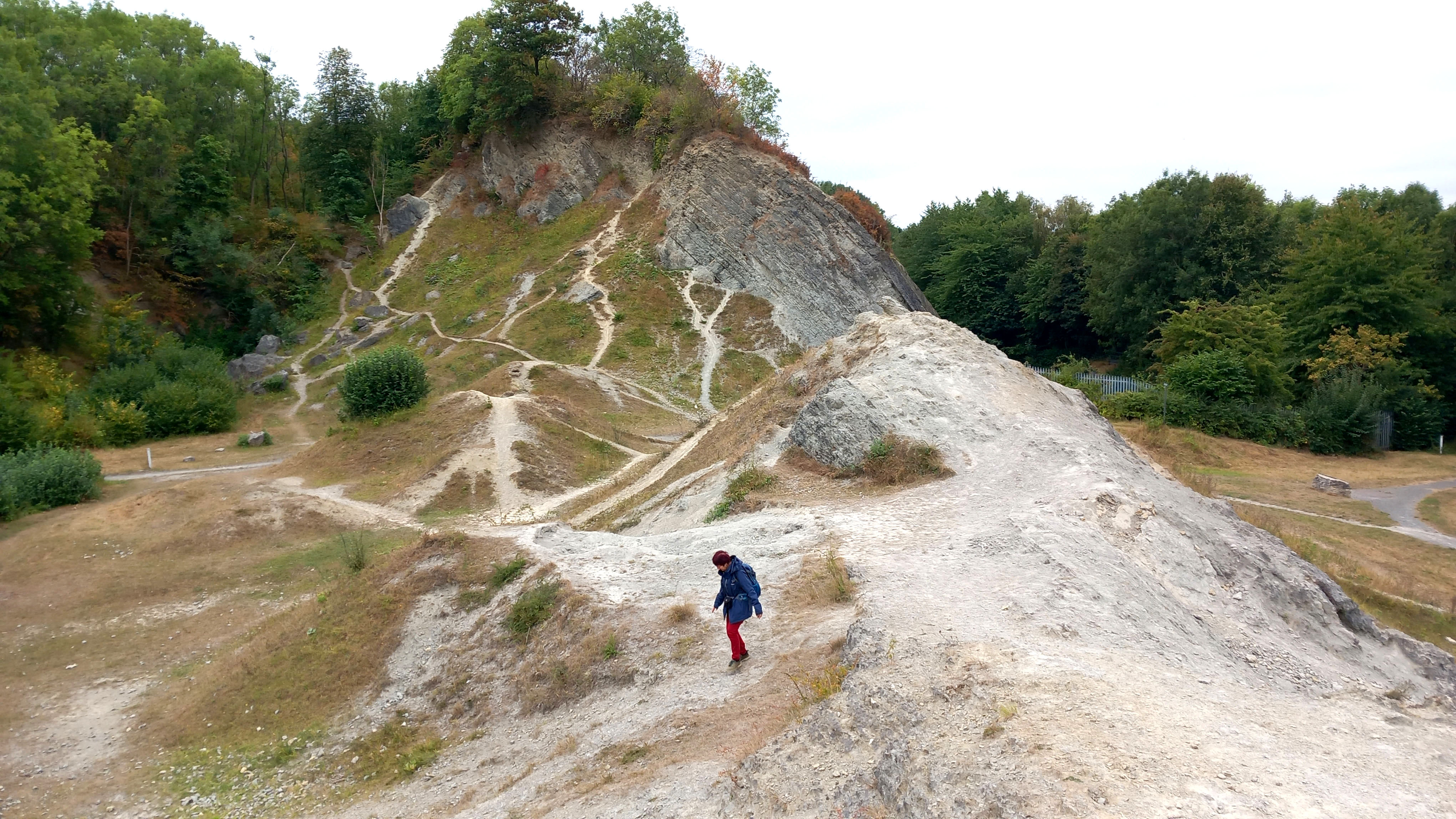
Next morning we made our way to Wren’s Nest, where I noticed that the suburban streets approaching the site had pleasingly apposite names like Silurian Mews and Fossil View. It was a grey, overcast, not-very-warm-for-August sort of day, and the site was fairly quiet apart from a couple of dog-walkers and kids on bikes. At the entrance, an information board gave us the lowdown on the site’s remarkable geological pedigree. Wren’s Nest is effectively a 428 million-year-old tropical seabed that was once covered by coral reefs and uplifted within the Much Wenlock limestone that gifted this region its industrial resources.

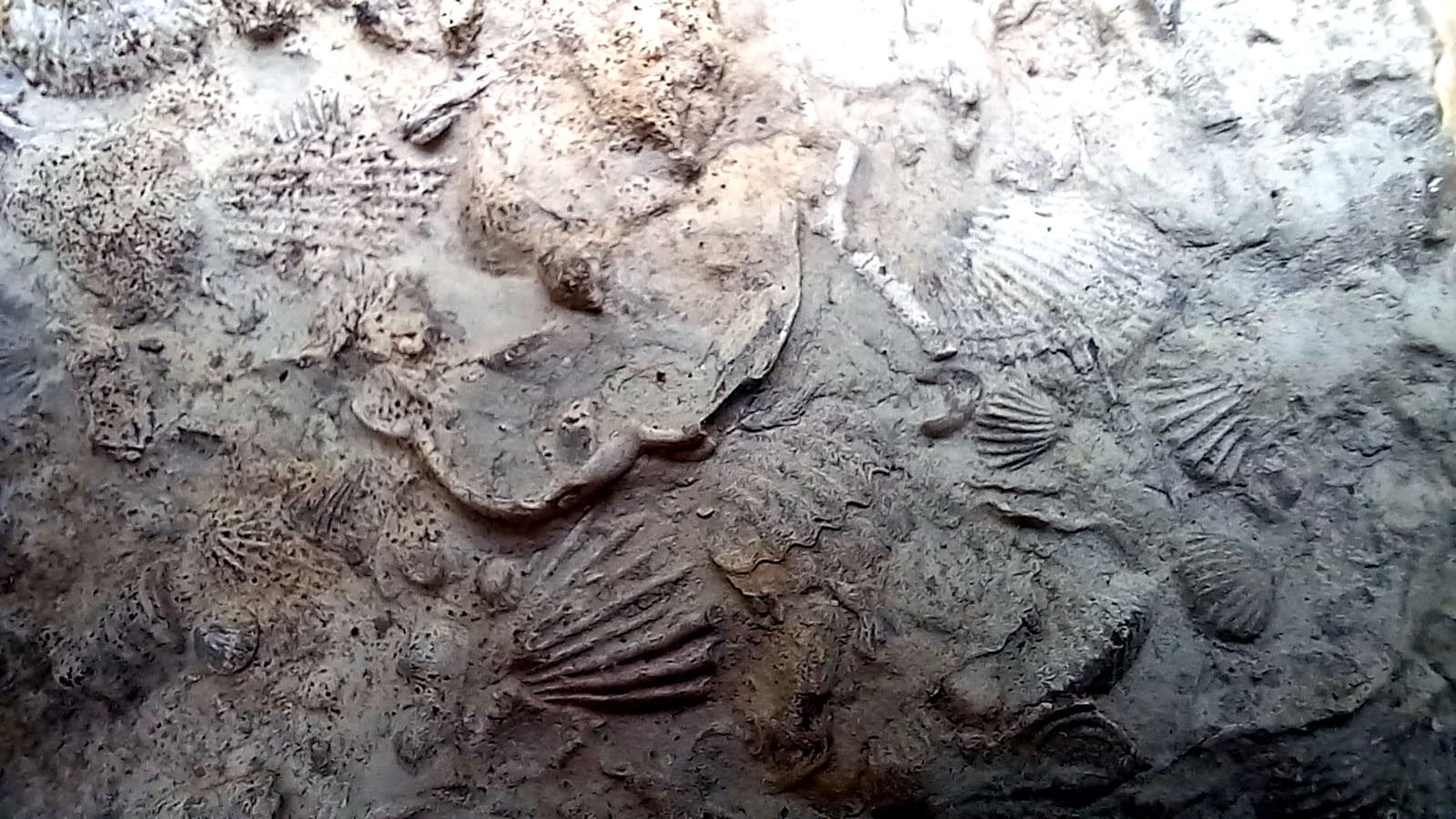
The prize fossil here is a species of trilobite, Calymene bumenbachii, known colloquially as the ‘Dudley Bug’, which looks like a scarily, super-sized woodlice, although it is more closely related to modern day crabs. To find one of these would have made me very happy but they proved to be elusive. What I did find after an hour and a half of turning over scree were several bits of coral and all manner of fossilised brachiopod shells. Best of all was a small flat piece of rock embedded with dozens of tiny shells: a fragment of ancient sea floor that revealed a microcosm of life 428 million years ago, a time when the existing continents were yet to separate and the territory of what would become the British Isles lay south of the Equator. To contemplate such scales of time and distance takes the breath away. William Blake wrote of seeing ‘the world in a grain of sand’. Here you could see a long-vanished world in a small piece of rock.
We left the car park and drove northeast through Tipton and Wednesbury to reach the M6 with its relentless parade of thundering traffic. It was a timely reminder that we were now firmly back in the age of man and machine, the Anthropocene. In comparison with the aeons that had passed since the fossils of Wren’s Nest were deposited at the bottom of a tropical ocean, the 19th-century heyday of the Industrial Revolution in the Black Country with its smoke, red-sky furnaces and metal-clanging workshops was as if just yesterday.
Ghost Factory

Much of the fabric of Birmingham’s history is, like the city’s modest river, the oft-culverted Rea, half-hidden or tucked away from sight. Occulted beneath flyovers and underpasses, the city’s past flows sluggishly beneath redundant factories and car parks. Unconvincingly disguised, and with the vaguest hint of rusting metal, it escapes as vapour from drains and manholes. It goes with the territory: this is a city where there is a strong tendency for destroying evidence of the past, of knocking things down only to build them again in rearranged form. As the city’s coat of arms proclaims in its simple motto, it is the Birmingham tradition – ‘Forward!’ The subtext is ‘Don’t Look Back!’ The past is bulldozed. Even so, modern high-rise Birmingham, brash and shiny though it may be, is replete with ghosts of the past, of industry, of once busy factories and workshops. The whole city is a ghost factory.

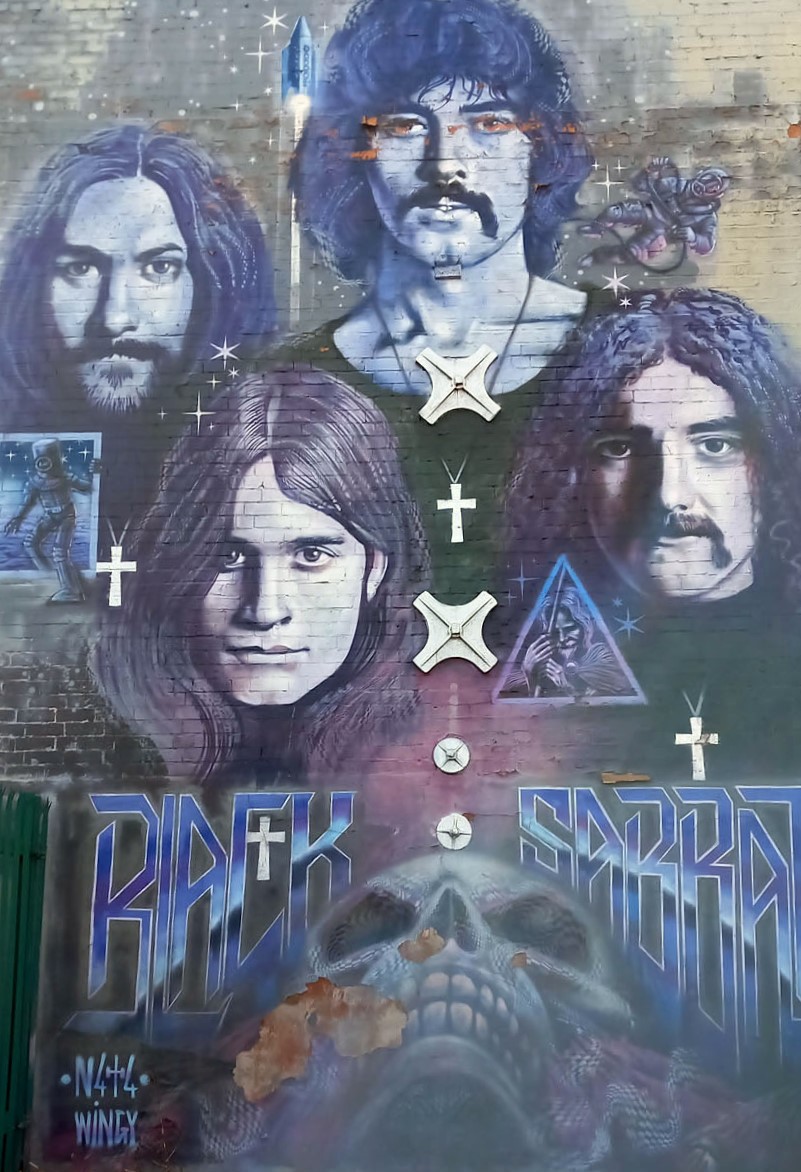
 These days there is a new-found reverence for some of Birmingham’s more iconic anti-heroes.  Peaky Blinders with its skewed myth-making has afforded the city some retro-gangster glamour, while established city brands like Black Sabbath have become the stuff of legend. Now there is even a Black Sabbath Bridge on Broad Street spanning the canal, where the likenesses of Aston’s own heavy metallists – Geezer, Bill, Ozzy and Tony – are immortalised on a bench (iron, naturally). Who’d have thought that in the halcyon days of my Birmingham Town Hall gig-going youth it would be faux-demonic Black Sabbath who would be chosen as the musical emblem of the city? My money would probably have been on the Moody Blues or Roy Wood.

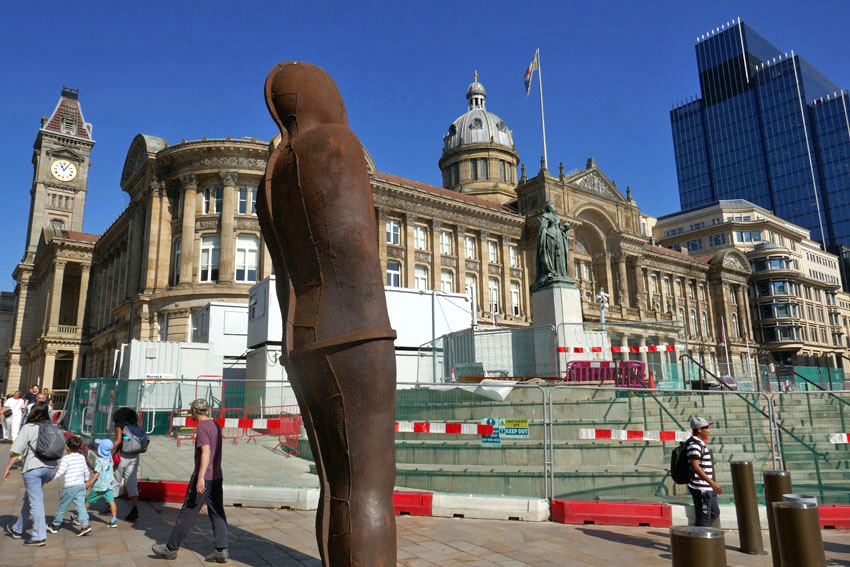
In Victoria Square, the neoclassical Town Hall is just as I remember it, all pale stone and Corinthian columns, but its immediate surroundings have changed dramatically in recent years. A tram line now passes in front of it that follows a route through the Black Country to Wolverhampton, somewhere that seems exotically distant from this city centre ground zero. Between the town hall and the tram tracks stands Antony Gormley’s Iron:Man, a six-metre-tall leaning metal figure that pays tribute to Birmingham’s erstwhile industry, its original heavy metal heritage.

Head downhill from Victoria Square, past the stainless steel, baking foil roof of New Street station, past the aluminium-disc-clad blobitecture of Selfridges, through the Southside district and the areas that are now marked on maps as Gay Village and Chinatown. Soon you’ll arrive at the former industrial district of Digbeth, which nowadays is probably the closest thing Birmingham has to a Bohemian quarter. This part of the city is actually the oldest quarter, the location of the original Saxon village at a ford on the River Rea, around which the satanic mills of Victorian Birmingham would later cluster.

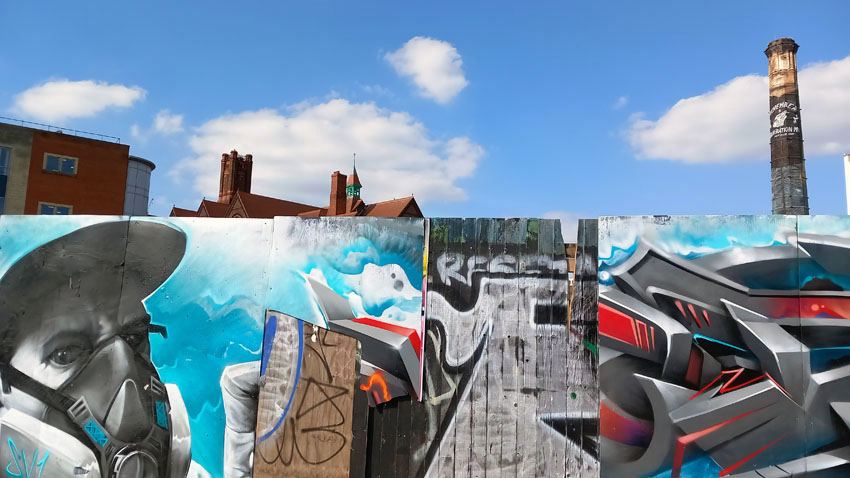
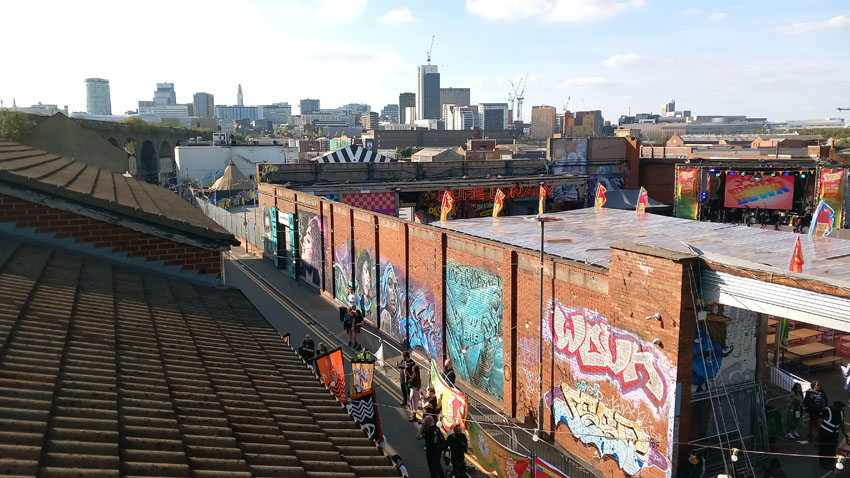
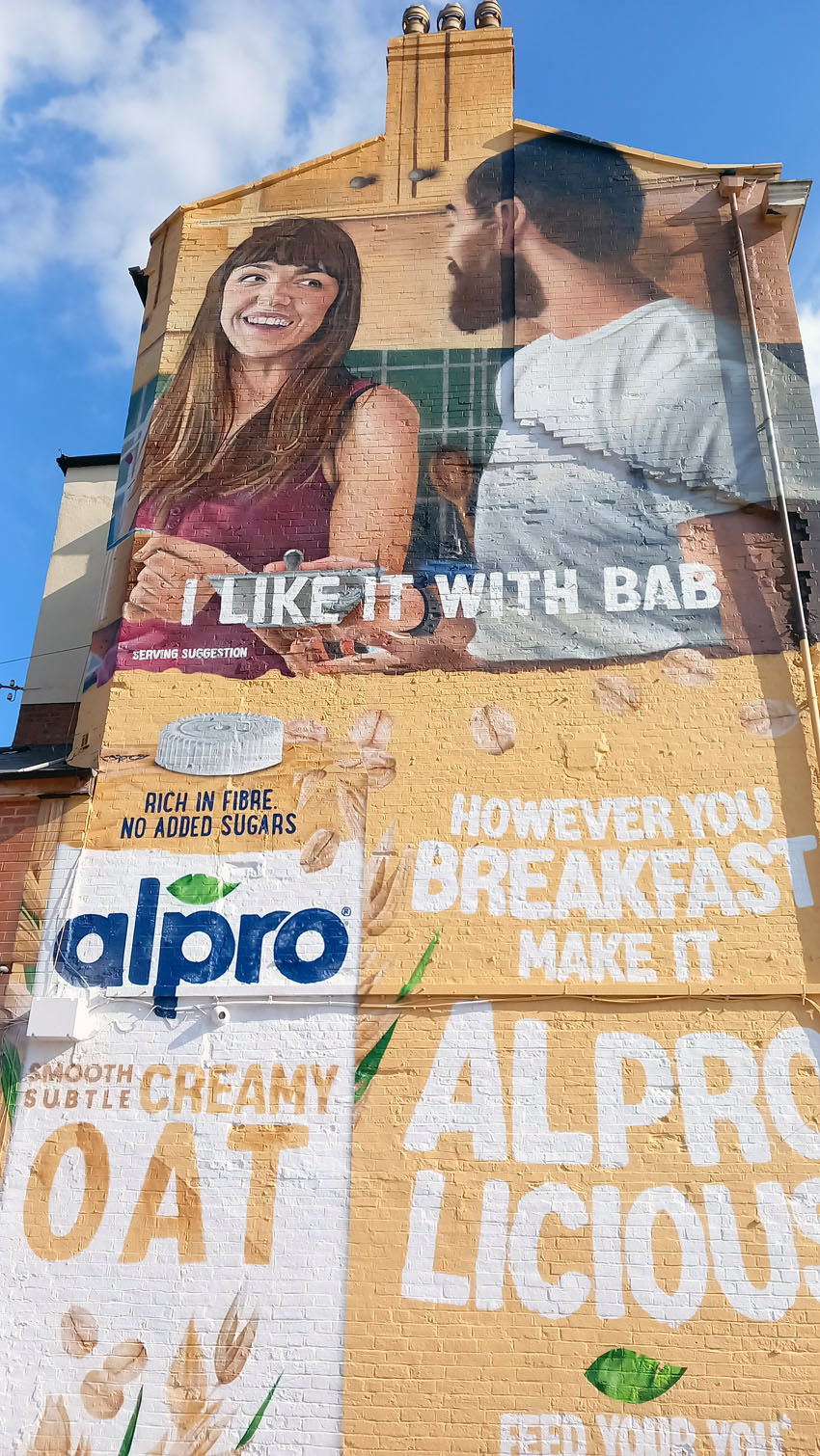
Digbeth High Street is in a state of flux, one side of it enclosed in chain-link. Gentrification might be too strong a term, but Digbeth is undergoing change: empty factory sites are being cleared to await new development. Tram tracks are being laid down; pavements are being widened and made pedestrian-friendly, flower beds are being set out awaiting planting. The side streets that slope down beneath the railway arches are lined with one-time industrial buildings that have morphed into event spaces – ghost factories stand at every corner. The wall murals that abound have already been here long enough to develop a patina of age. As I wrote in an earlier post, the transformation has already been going on for several years.

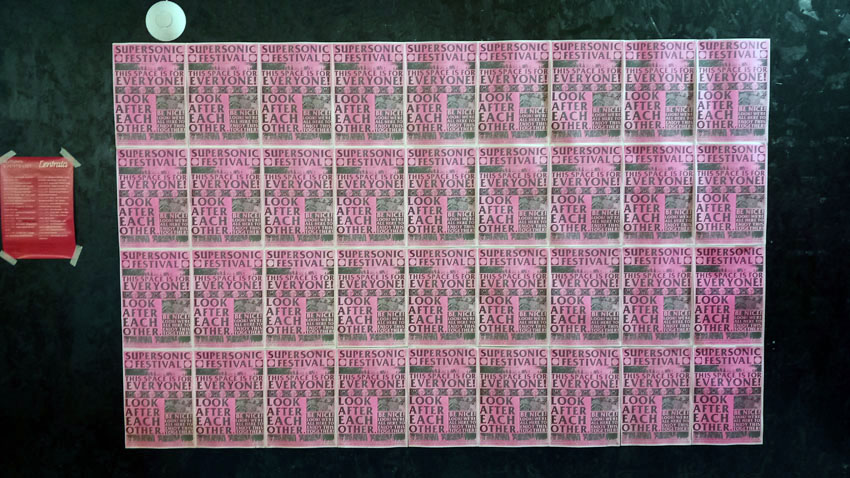
Digbeth is the location for Supersonic, an annual festival of experimental music that celebrated its twentieth anniversary this year. Supersonic is by no means a heavy metal festival but the spirit of Black Sabbath permeates like a benign, if mischievous, presence. Performances take place in two neighbouring buildings, one of which served as a warehouse in a previous life. Dark clothing is almost de rigueur, as are Sunn O))) T-shirts. Light-hearted doom is perhaps the oxymoron that best fits an atmosphere that I can only describe as feel-good apocalyptic. The music is loud but the mood is calm; the ethic is kind, inclusive and super-friendly. Perhaps it helps that this is Birmingham. Would it be the same in Manchester or London?

The Sunday night headliners Lankum play a glorious set of drone-laden alt-folk to an ecstatic crowd. Alternating between heart-rending murder ballads, frantic Irish jigs and dark sea shanties, the music veers from gentle to violent, from elegiac to almost frightening. In one of the between-song chats with the audience, guitarist Daragh Lynch mentions that he was delighted to discover that both of Sabbath bassist Geezer Butler’s parent’s were Irish and concludes from this that heavy metal must therefore be an Irish invention. We all laugh. But Birmingham, and especially Digbeth, did once have a sizeable Irish presence. It’s all part of Birmingham’s proud black, white and brown cosmopolitanism. The city was built on metal and people. Iron Man (Black Sabbath); Iron:Man (Antony Gormley) are both worthy tributes. While Birmingham’s iron has rusted to be replaced by stainless steel and aluminium, its people shine on.

All Fall Down

IMG_4233

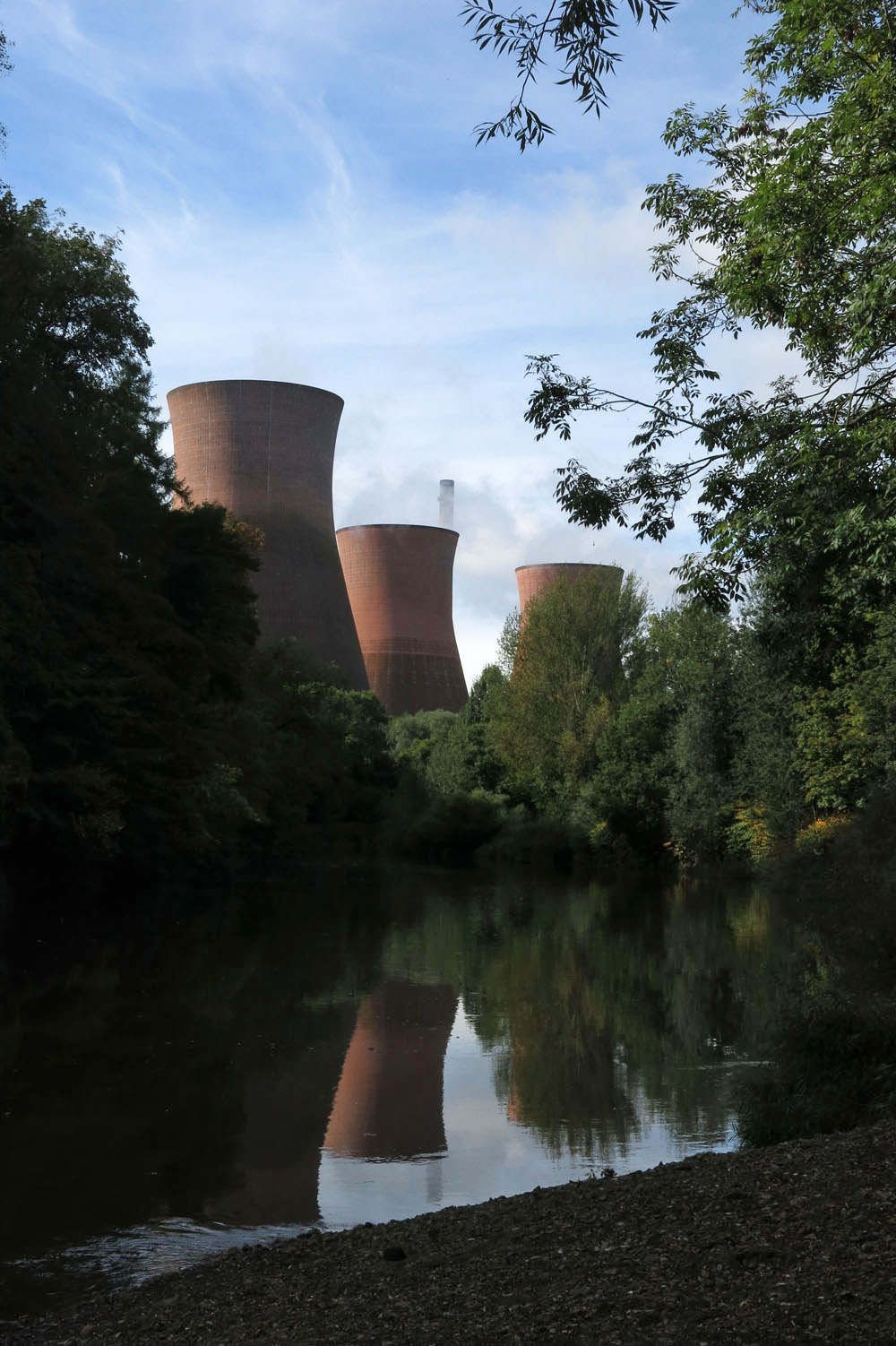
Two weeks ago I read a news article about the demolition of the cooling towers at Ironbridge on the River Severn in Shropshire. Their final demise was witnessed by many who came to see the four great towers collapsing after a controlled detonation. The towers had stood for exactly half a century. Opened in 1969, the power station they belonged to had stopped generating electricity in November 2015. At one time it had provided enough electricity to power the equivalent of 750,000 homes. The space that will be made available by their removal should be sufficient for around 1,000 new homes, a park and ride, a school and leisure facilities.

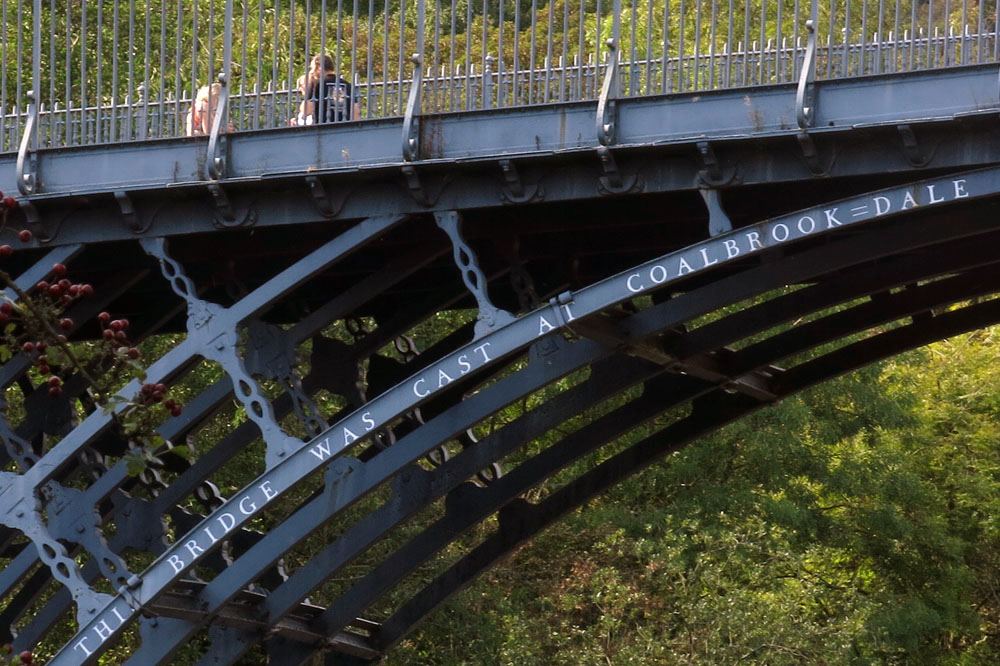
Before they came down the towers received a musical farewell when Zoë Beyers from the Royal Birmingham Conservatoire performed a solo violin piece on one of the tower platforms. The music was elegaic, an echo of the mournfulness felt by local residents and former power station workers for whom the towers had been a large part of their life. Reduced in seconds to a mere imprint of memory, the Ironbridge geography was instantly transformed for those who lived there. Particularly poignant was the fact that a little way downriver was the original Iron Bridge built in 1781, the first major bridge of its kind in the world. It was no stretch of truth to infer that it was here in Shropshire at Ironbridge and nearby Coalbrookdale that the Industrial Revolution really began.

IMG_4251

In my, admittedly limited, experience cooling towers have always stood for something. They were markers on the landscape that held deeper meaning than just supersized industrial chimneys. Travelling north up the A1(M), the cluster of eight towers at Ferrybridge in West Yorkshire always seemed to mark an arrival in the North far more effectively than any roadside sign could. Their presence spoke of a cultural transition as much as a geographical one, a shift of emphasis from pastoral to industrial. But these too were earmarked for destruction, and in 2019 five of the towers were demolished. The remaining three will be removed by summer 2021. Similarly, the pair of cooling towers that used to stand outside Sheffield at Tinsley overlooking the M1 motorway always seemed like an omphalos for Don Valley industry – a centre of gravity for the steel, coal, fire and dirt of South Yorkshire. These were of particular significance for me as they were visible from the classroom where, in a previous life, I had my first practical experience as a geography teacher. These twin towers – the ‘salt and pepper pots’ as they were sometimes known – had been redundant since the 1970s, although they managed to remain standing until 2008. Despite a scheme to convert them into giant works of public art they could not be saved. Now they are gone, redacted from the landscape, as are the steel foundries of Sheffield’s Brightside – the industrial endeavour of generations of Sheffield lives reduced to little more than memory and a plaque at a shopping mall

I do not wish to romanticise coal-fired power production – it is undeniably dirty, polluting and a significant contributor to climate change – but I cannot help but find some of the fabric of its production strangely beautiful. Smoke-belching cooling towers may well be the embodiment of Blake’s dark satanic mills but, once abandoned, the heft of their curving brickwork seems to take on an eerie beauty. Silent witnesses of the recent industrial past, their inhuman scale and brooding presence make them emblematic of the hubris that persists in these uncertain times.

IMG_4258