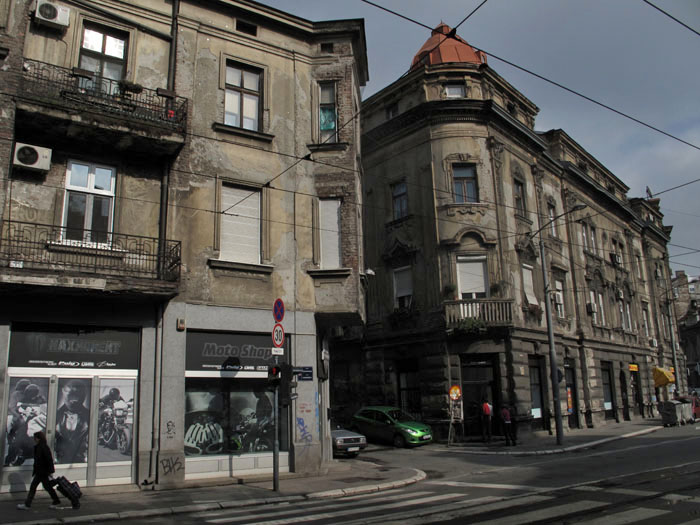
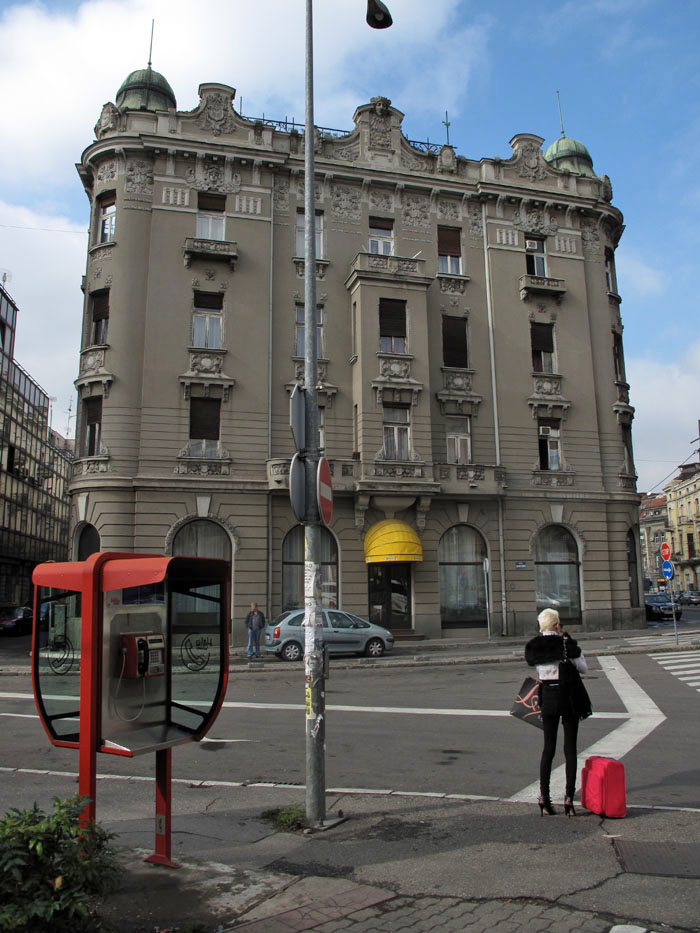
 I have just returned from Belgrade, the Serbian capital, where I have been doing research for the fourth edition of my Bradt Serbia guide that will be published next summer sometime. Belgrade never was the white city that its name (Beo = white, grad = city) suggests but some parts are certainly more grey than others. One such ‘grey area’ is the Savamala district that lies along the traffic-choked thoroughfare of Karadjordjeva close to the railway station and River Sava port. Heavy traffic, air pollution and decades of neglect have seen to it that, at first glance at least, this would appear to be one of the more down at heel neighbourhoods in the city. A closer look, though, reveals a wealth of wonderful, if slightly crumbling, architecture in Secessionist style.
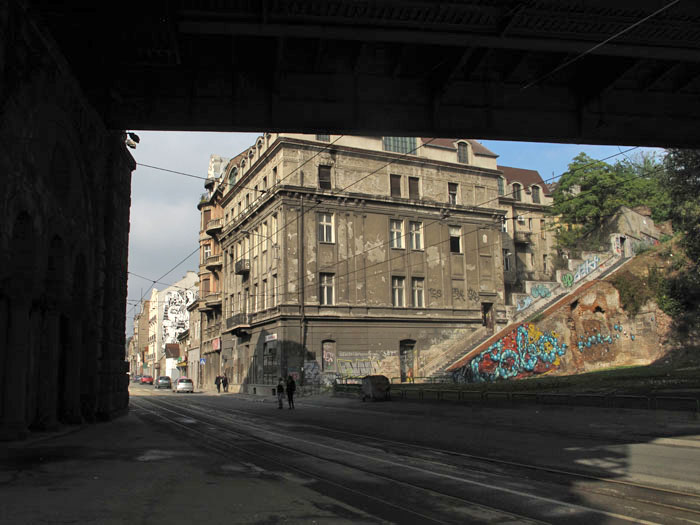
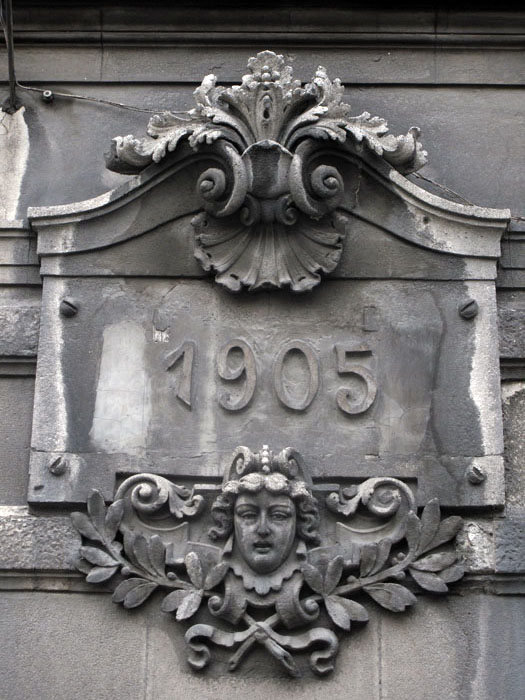
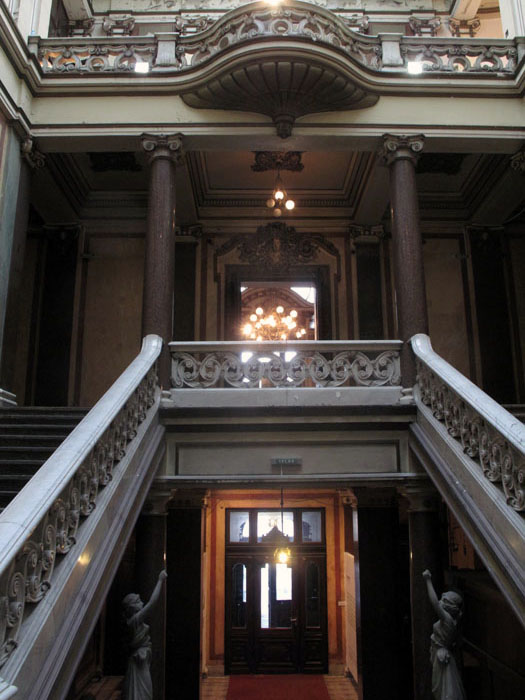
 The best of all the buildings here, albeit in poor shape these days, is the Geozavod building that started life as an Austro-Hungarian stock exchange before later becoming Yugoslavia’s State Geological Institute. Normally it is impossible to get inside as the building is considered to be unsafe but as it has been used to house this year’s 53rd October Art Salon I managed to gain access thanks to my artist friend Ivana.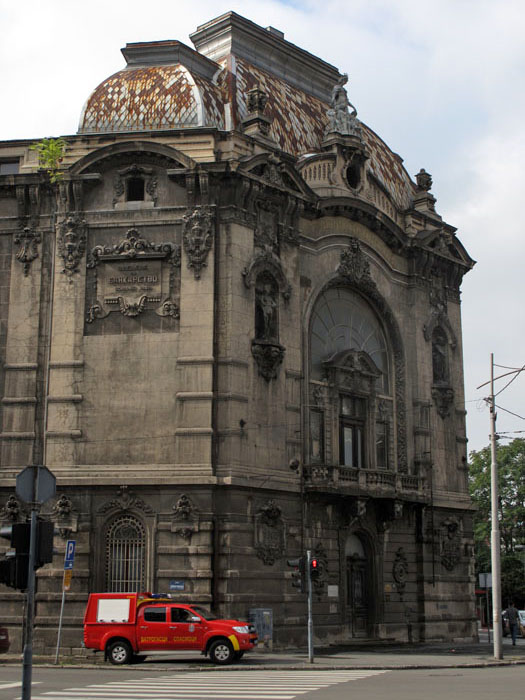
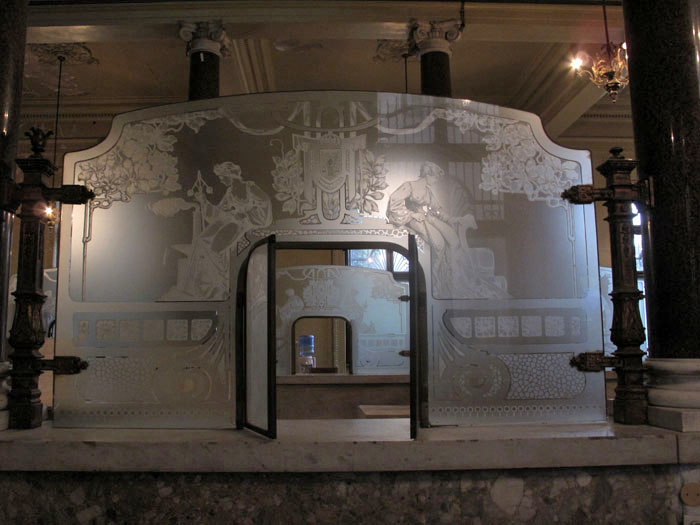
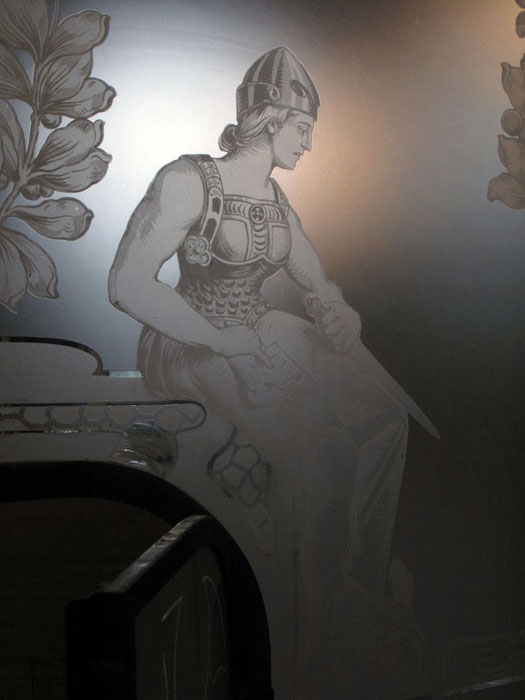
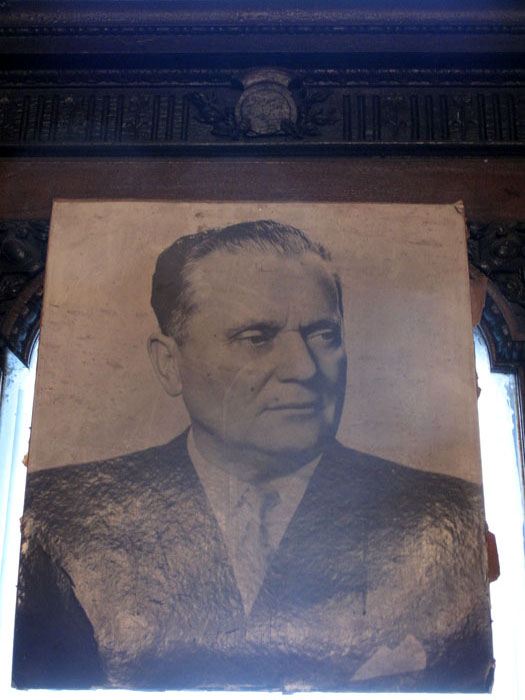
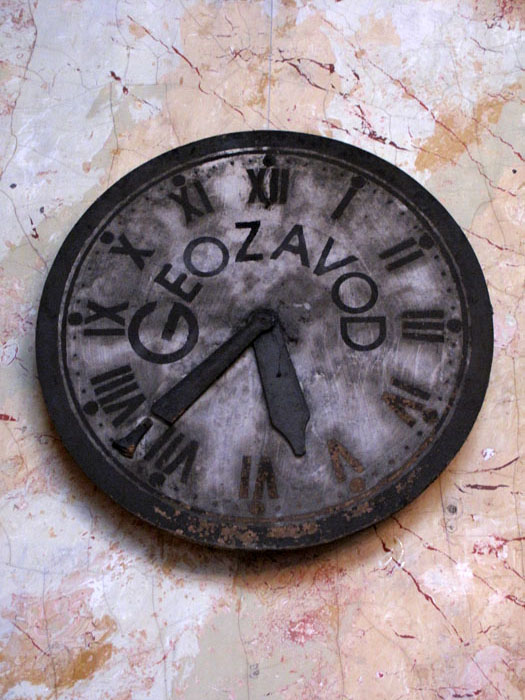
Evidence of the building’s original use can still be seen on the ground floor, where as well as solid German-made safes, the exchange counters are still in place, their marble and finely engraved glass pristinely preserved. Elsewhere a broken clock and cupboards filled with dusty tomes tell of its time as a geological institute. A portrait of Tito adds to the feel of a vanished world -the once powerful and influential nation that was Yugoslavia.
 East of Elveden