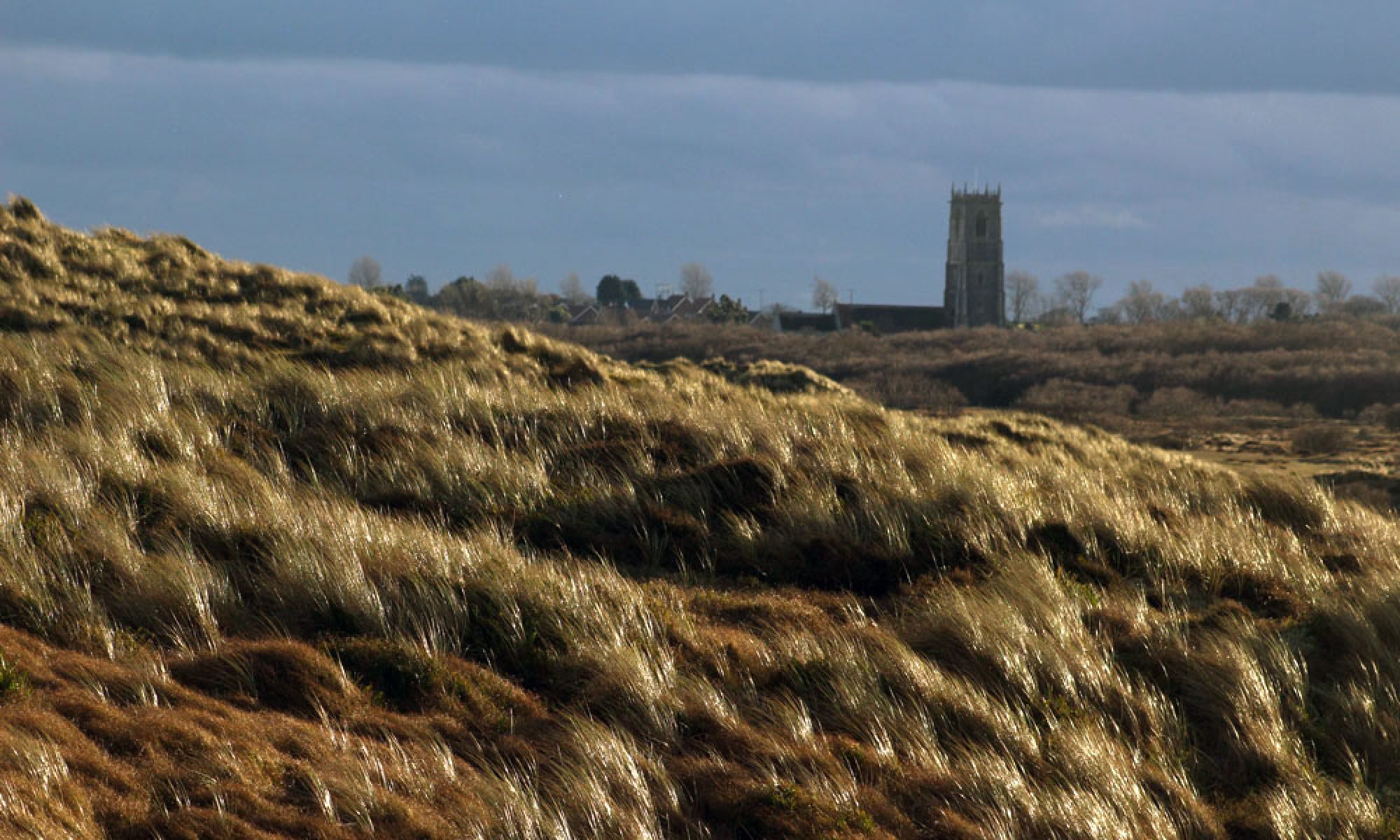
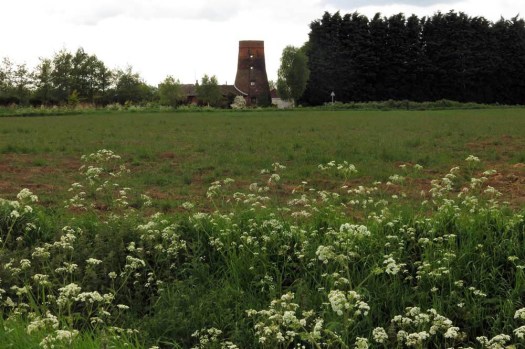
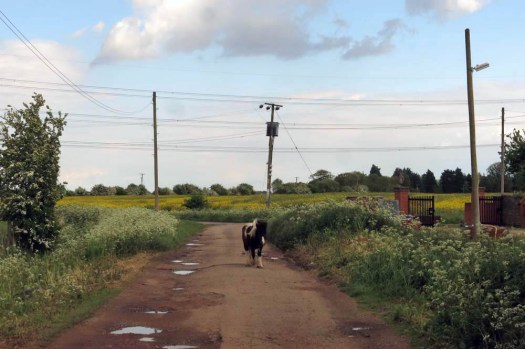
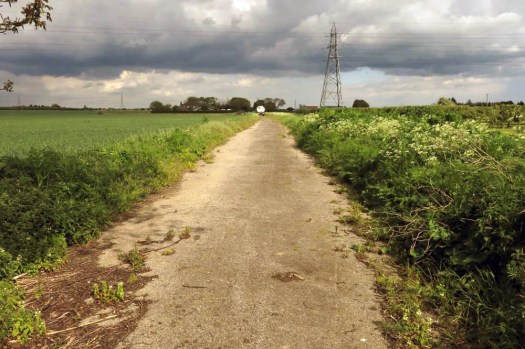
 The far west of Norfolk between Terrington St John and Walsoken on the Cambridgeshire border is often referred to as Fen country but technically it is part of the Norfolk Marshland. John Seymour in his Companion Guide to East Anglia (1970) writes: “The Marshlands are not to be confused with the Fens. The Marshlands, nearer to the sea than the Fens, are of slightly higher land, not so subject to flooding, and have been inhabited from the earliest times”.
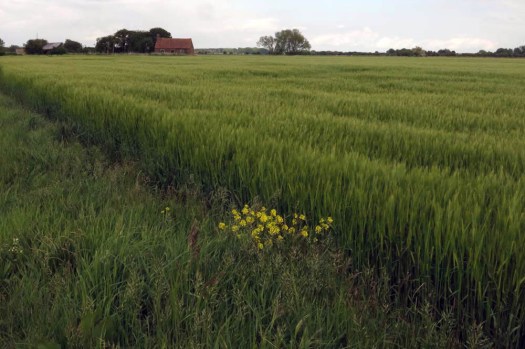
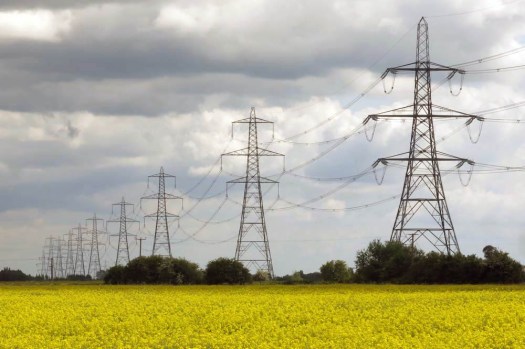
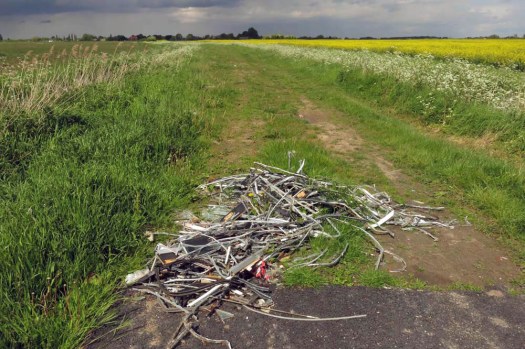
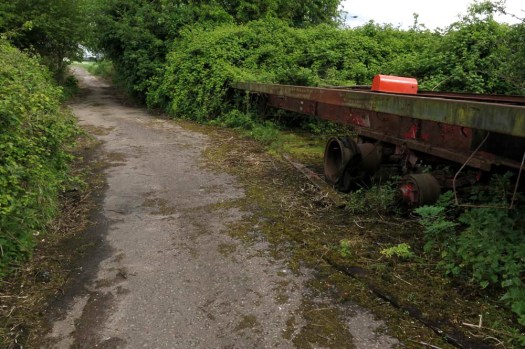
 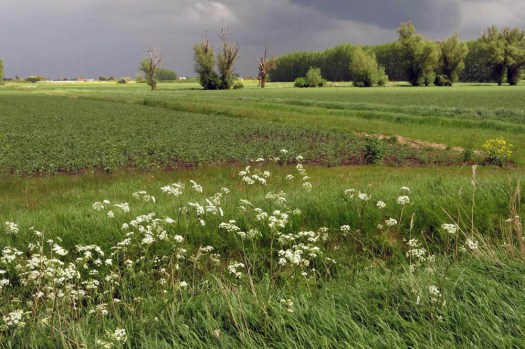 Like the Fens proper this is a region of wide horizons and big skies, a table-flat landscape of barley and mustard fields, of plantations of poplars and lonely farmsteads, of electricity pylons that march across the landscape like robotic sentinels. This is the countryside of The Goob, of Eastern European farm labourers and itinerant travelling folk. This is Tony Martin territory, where the stark cereal prairies of west Norfolk give way to the reclaimed farmland of the Cambridgeshire Fens. No airs or graces, no romantic rural idyll, this is countryside without finesse, without apology.
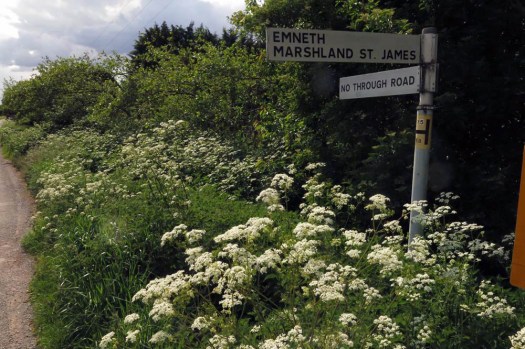
  This region, along with the Fens to the west, is a Brexit stronghold where many bear a grudge towards the Eastern Europeans who come to work in the fields here. Antipathy to itinerant farm labourers is nothing new and Emneth, a village located hard against the Cambridgeshire border, has become particularly, and probably unfairly, infamous thanks to its Tony Martin connection. Interestingly, John Seymour, writing in the late 1960s, describes Emneth as having “one of the pubs in the Wisbech fruit-growing district that does not display the racialist (and illegal) sign: NO VAN DWELLERS, and consequently it is one of the pubs in which a good time may often be had”. They still grow fruit in the Wisbech district but I cannot vouch for the welcome currently proffered by its pubs.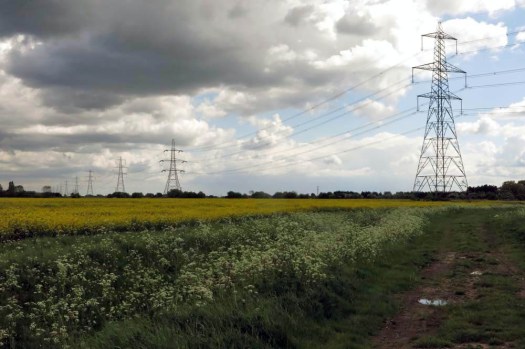
White City Blues
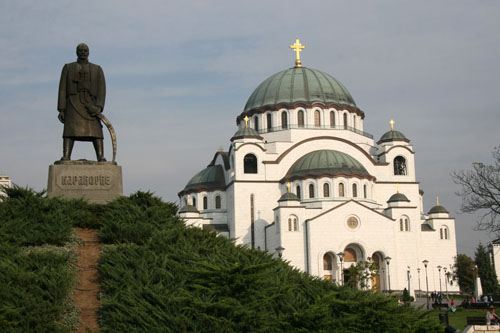 A couple of weeks ago I attended an event called A Taste of Serbia in London. The evening was arranged by the National Tourism Organisation of Serbia and we were all generously plied with tasty nibbles and a wide range of excellent wines from that country.
Of course, this being a press event the main emphasis was to promote all that Serbia has to offer British would-be travellers. To serve this purpose a promotional video was shown that featured a Belgrade DJ walking through the city’s streets whilst waxing lyrical about his hometown to chill-out music. The video showed a cool yet ecstatic crowd dancing in a Belgrade nightclub before cutting to our DJ hero walking through oddly unpeopled streets; then it swooped to Kalemegdan Park before cutting to the DJ encountering a dark-eyed beauty in an apparently deserted shopping mall. It told a story, certainly, but it seemed a strangely incomplete one.
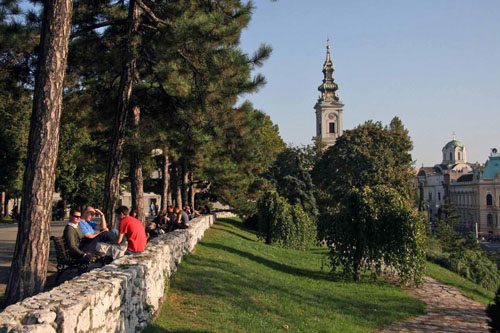 I recognised Belgrade alright but the video did little to flatter the Serbian capital. OK, it may not be Prague but the city does have a certain maverick charm that had been sorely overlooked. Maybe it was trying attract a young, ‘cutting edge’ crowd but the promotional film made the ‘White City’ look grey and drab — just like the stereotype. As someone remarked as we watched it: ‘There’s nothing in this video that makes me want to go there.’ I had to agree. Where was Skadarlija – the so-called Bohemian quarter? Where were the floating splav cafes and restaurants on the river? Where were all the quirky cafes and wacky restaurants? Why was Kalemegdan Park, that wonderful spot above the confluence of the Danube and Sava rivers, so devoid of people? Where was the Zemun waterfront? Where was the Danube? Ada Ciganlija island? The list goes on. Why didn’t the film crew wait for a spot of sunshine to brighten things up?
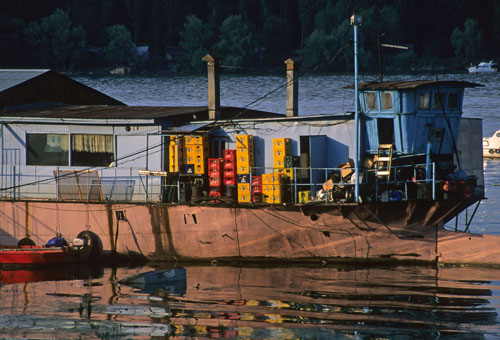
Anyway, Serbia has a lot more to it than just its capital city, wonderful as that may be. To me, it’s forested hills, hidden Orthodox monasteries, Roma men driving carts, cartoon-book haystacks in fields, old rusting Zastavas serving as corn stores, solitary men fishing in rivers, storks clattering their bills on village roofs. It’s the smell of Turkish coffee, grilling meat, roasting peppers and lime blossom. It’s the taste of sljivovica (plum brandy) and kajmak (a sort of cream). It’s tall men and elegant women; sometimes even tall women and elegant men. It’s the sound of violins, accordians and shuffling feet.
Perhaps all these things that I hold dear are considered a bit too backward and Old Europe for the marketing people? Still, at least they noticed the dark-eyed beauties. They got that bit right.
 East of Elveden