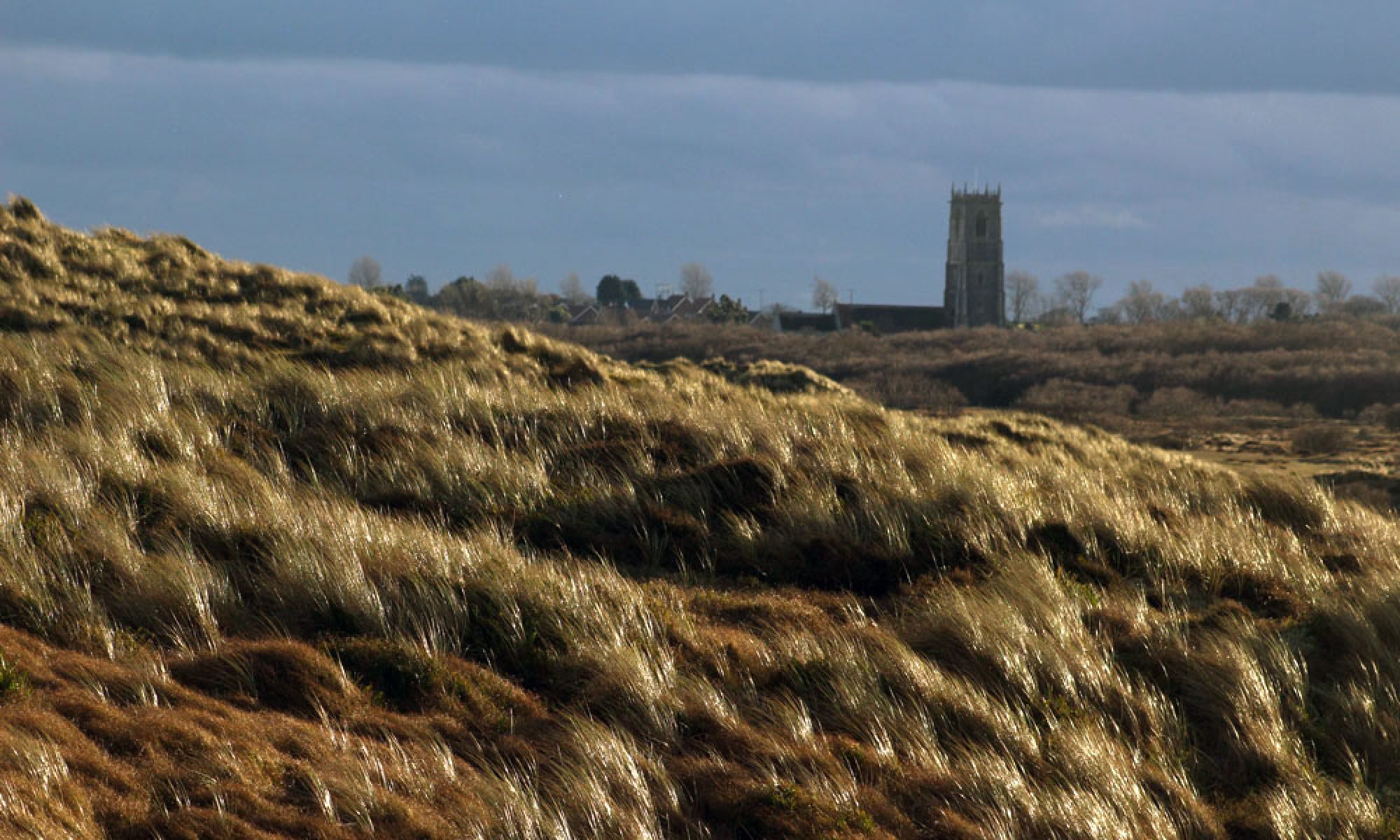
Reading a recent article on the excellent Earthlines blog about Gerry Loose, and then finding out more about the Scottish hutting movement and specifically the Carbeth hutters community in Stirlingshire, I have come to the conclusion that I am probably something of a closet hutter at heart. The best that I can ever probably hope for though is to have my own shed one day.
It is a common enough passion – indeed, books have been written about British (predominantly male) shed culture. But, with no rear garden and a backyard too small to comfortably squeeze a shed into, the closest I currently get to fulfilling my fantasy is my city allotment where I have inherited a tumbledown structure without door or window glass that is filled with garden tools and grumpy secretive spiders. Too small and decrepit to serve as a comfortable retreat, this shed is clearly no place to linger but at least I have a plastic chair en plein air for whenever I need a rest from wrenching couch grass out of the ground.
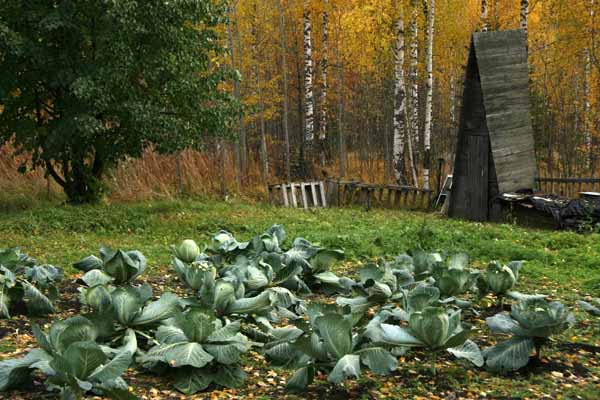
In northern Europe, and especially in Scandinavia and Russia where even the middle classes live in apartment blocks, the situation is quite different. Here, many city dwellers have a wooden hut and a patch of ground to call their own – a simple rural haven where they can enjoy a little R&R and temporary respite from urban life. No nation embraces this tradition more than Russia, where a country dacha is seen not only as a place to grow vegetables but something akin to a holiday home: a base for collecting berries and mushrooms in autumn, for fishing, for sunbathing; a place for friends and family to gather around food, to drink vodka, play games and sing. A dacha is a place to spend summer weekends al fresco, a place where city children can learn about nature. In Russian society, a dacha serves a function that is a combination of allotment garden, beach hut and social club. To have a dacha is not a Walden-like solitary pursuit but, rather, something that proudly shouts out ‘community!’
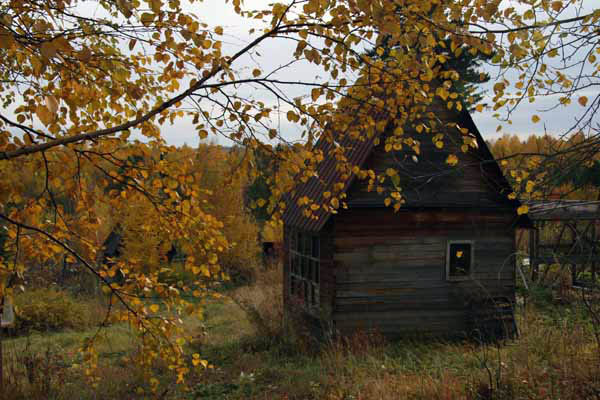
I was lucky enough to visit a dacha a couple of years ago on a long, late-summer Russian journey from Pskov, close to the Estonian border, to Irkutsk near Lake Baikal in eastern Siberia. At Krasnoyarsk, 18 hours west of Irkutsk on the the Trans-Siberian railway, I had arranged to stay in the family apartment of a local tour guide and political science lecturer called Anatoliy. After picking me up at the station and meticulously showing me all the permutations of the city bus route to and from his identikit Khrushchevki apartment block (the very last stop, thankfully) he took me out to show me his country dacha that, coincidentally, was close to the railway tracks that I had just travelled along.
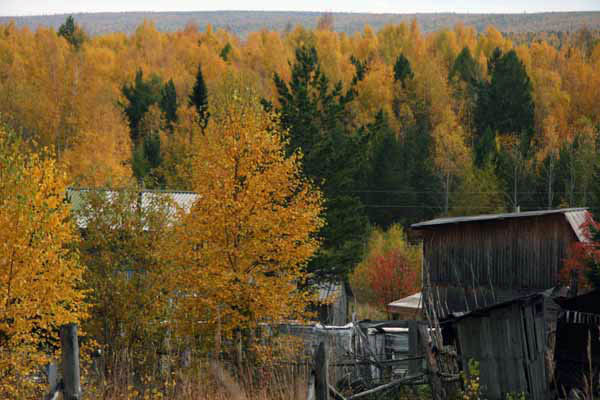
There is more to Siberia than gulags and permafrost but life is hard nonetheless. In the few months of the year when the ground is not snow-covered there are plenty of other things to contend with, notably predatory mosquitoes and nasty infective ticks everywhere in the grass. Given such limitations, I was hugely impressed by the size and vigour of Anatoliy’s cabbages and also by the efforts he took to tend them given that we had driven for more than an hour to reach the dacha. Even more impressive was the air of autumnal tranquility that seemed to hang over the place like a healing balm. In Siberia, autumn may be just a brief golden precursor to a long dark winter but September is the most glorious of months.
 East of Elveden