Another London

Trinity Buoy Wharf, down by the River Thames on the Leamouth peninsula in Poplar, is a place where the past is deeply layered. It is also somewhere that seems to beckon an uncertain future. Even to reach it is to cross some sort of temporal boundary, from humdrum modern metropolis to another London where the past and future converge. Waters come together here too: Trinity Buoy Wharf lies at the end of Bow Creek, the meandering estuarine section of the River Lea, the city’s largest tributary. Here, at London’s eastern edge, is its confluence with the Thames. To reach the wharf on foot from East India, the closest DLR station, you are obliged to trace a dual carriageway through an anonymous, rather faceless part of the city. The only thing that holds any sort of familiarity is the logo of a Travelodge glimpsed in the distance across the busy highway.
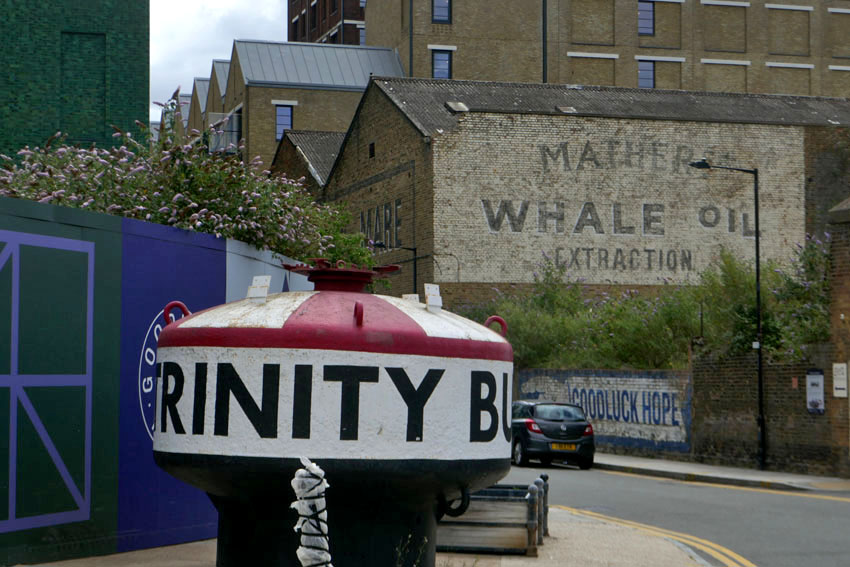
The entrance to the wharf announces itself with a large red-painted buoy. It is an apt introduction, as, in a previous life, this was a place centred upon the manufacture and repair of buoys. Further along Orchard Place, the almost traffic-free main thoroughfare, are the high brick walls of old warehouses and industrial buildings. One bears the ghost lettering: Mathers Whale Oil Extraction. It feels almost a little too self-aware, as if history has been carefully curated to engender a tangible sense of place in this heavily revamped zone of erstwhile maritime London. A couple of information boards do much the same thing, expanding on the theme of whale oil production that dominated this neighbourhood in the late 18th century. But such industry is now a thing of the past and the new focus is on comfortable living in a post-industrial setting.
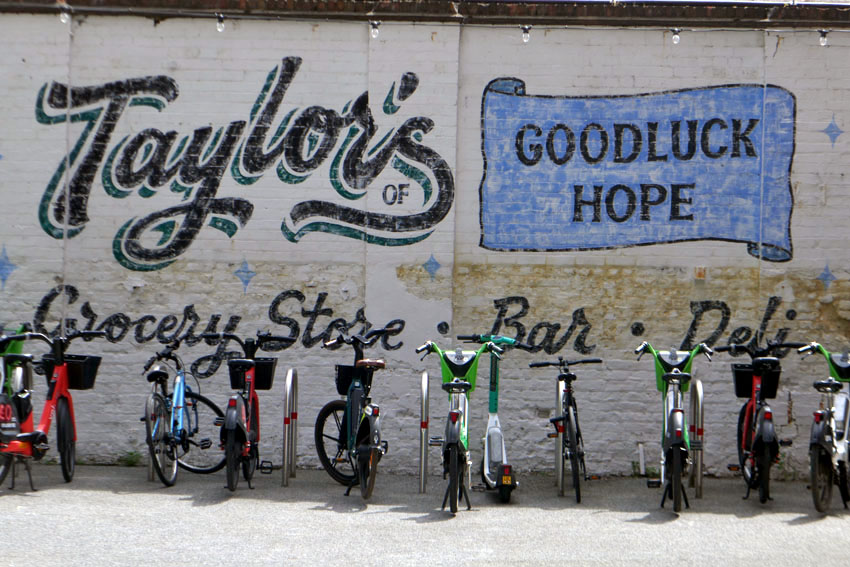
You can tell that estate agents and developers have already been busy here, doing their utmost to create a desirable brand that combines housing, place and historical context. The bakers and baristas have already moved in, and so we spend a pleasant half-hour sipping cappuccinos at a newly opened artisan bakery. Sitting outside, shaded by geometrically spaced trees and new-build apartments with balconies, I wonder who actually lives here; or, more to the point, who is meant to live here. I suspect that many of the properties have already been snapped up by members of the owner-occupier niche that estate agents term ‘young professionals’.
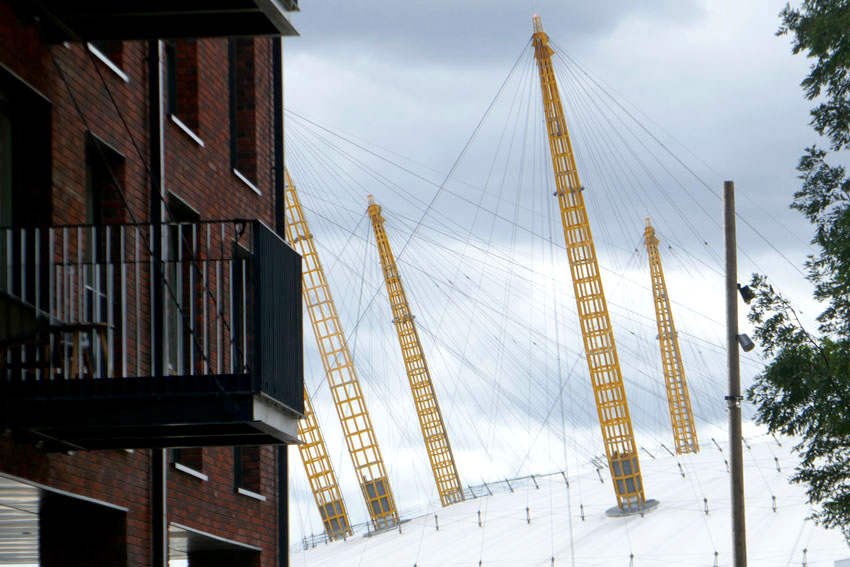
In plain sight, immediately across the Thames, is the O2 arena on the Greenwich Peninsula. The view is telescopic; the O2, née Millennium Dome, a semi-collapsed Bedouin tent (or ‘sorry meniscus’ as Iain Sinclair has more scathingly described it) seems almost close enough to touch. At the next table a young couple in wedding outfits greet a photographer before they leave together to find a suitable backdrop for shots for their nuptial photo album. The O2 is clearly a romantic location as well as a capacious centre of entertainment, which brings to mind couples in Eastern Europe doing much the same with historic churches, castles and mosques in their country: the notion of iconic viewpoint as wedding photo setting.
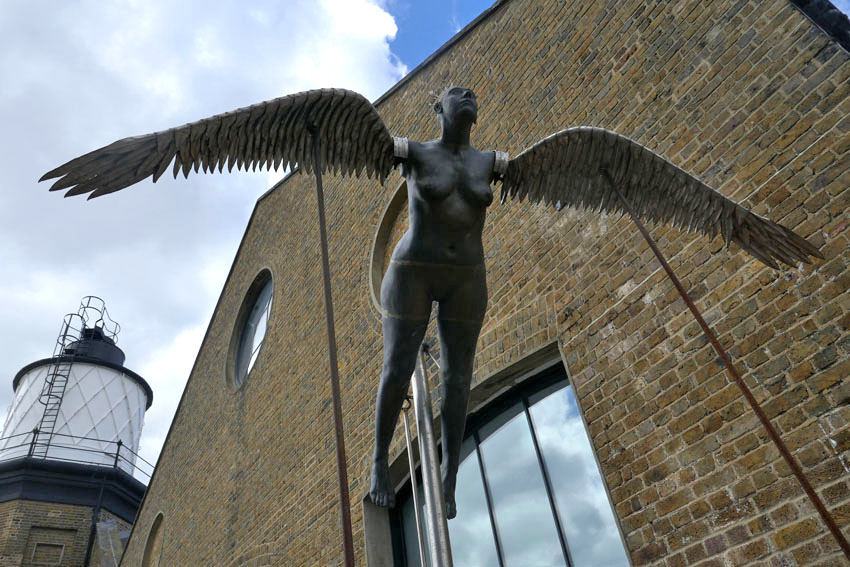
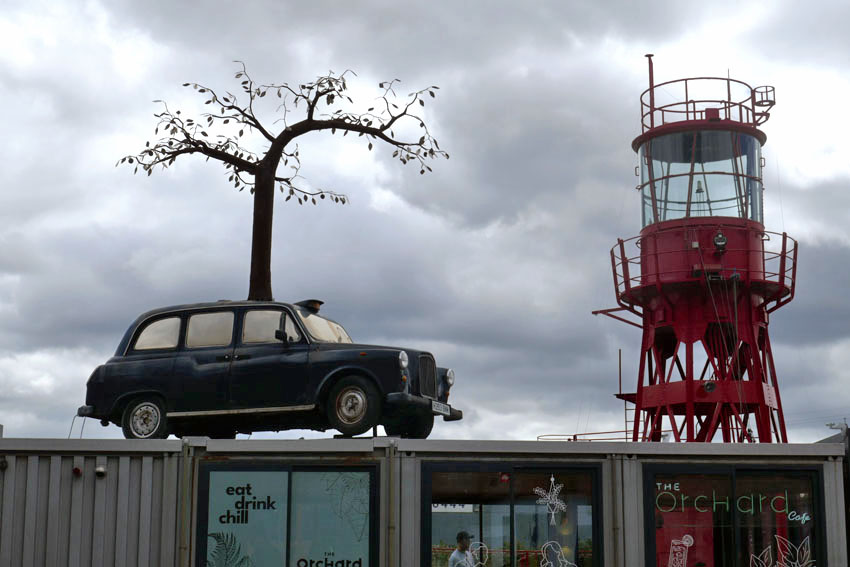
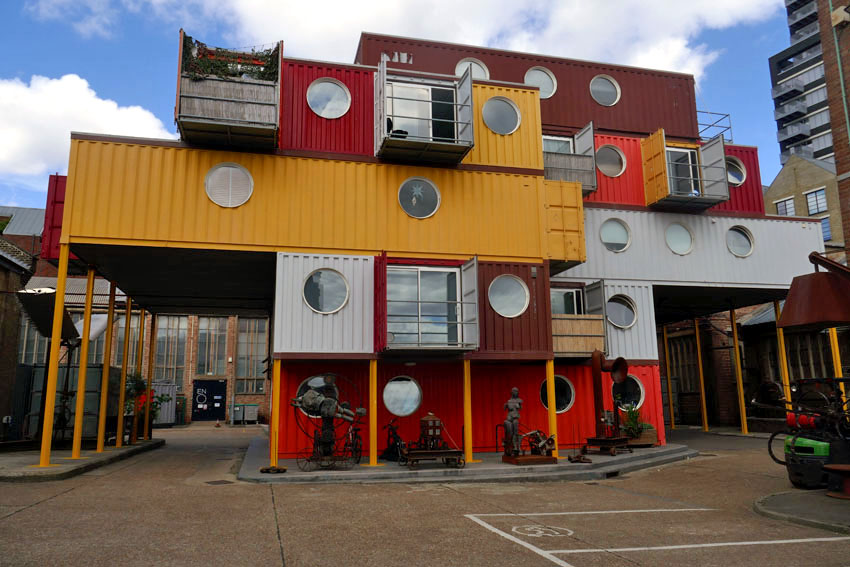
Trinity Buoy Wharf is more than simply a photogenic backdrop and fresh location for city living, it is also an artistic hub, something apparent in the quirky statuary and murals that abound here. A little further on along Orchard Place is a café housed in a shipping container that has a black cab taxi with a tree sculpture growing out of it on its roof. What does it signify: green roots taking hold of familiar London emblems, or a post-apocalyptic vision of an abandoned city of the future? The same artist, Andrew Baldwin, has several more works around the wharf, and art is clearly encouraged here, with a choice of galleries and workshops available for hire. Most eye-catching is a colourful ziggurat of repurposed shipping containers that serve as offices and arts studios.
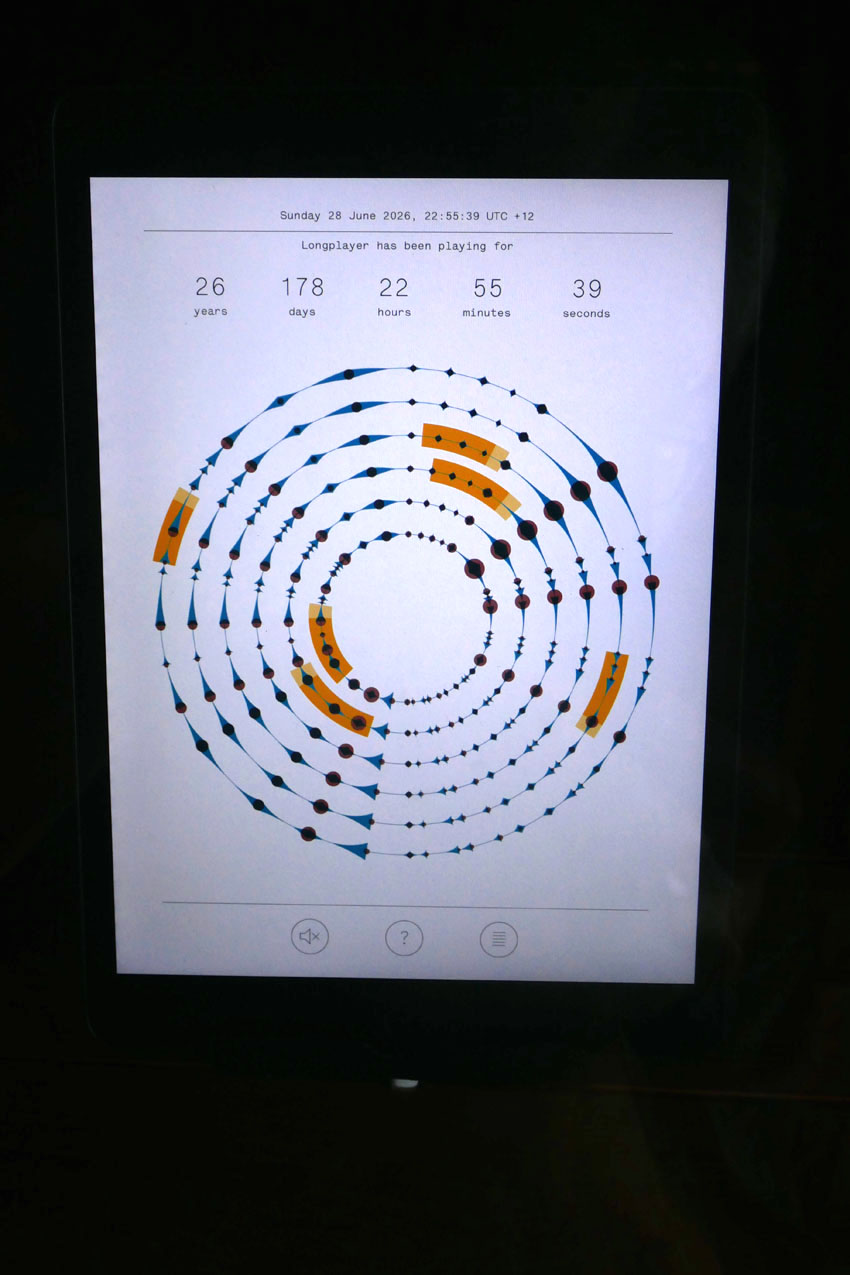
But we are here for something else; something that will outlive all of this worthy but ephemeral creativity. If the past has been remodelled to provide a new vision of the present, then what of the future? At the end of the wharf, occupying the upstairs space of the Bow Creek Lighthouse, is Longplayer. Longplayer utilises an instillation conceived and designed by former Pogues banjoist, Jem Finer. Materially, it consists of 234 brass ‘singing’ bowls and gongs of various size and pitch, although Longplayer in essence is actually a musical composition designed to last for a thousand years. Based on an original piece of music recorded in December 1999, just twenty minutes long, the composition is processed by an algorithm to self-generate a piece that will continue until midnight December 31, 2999 CE. A glacially slow build of subtle musical variation, Longplayer will never repeat itself. Naturally enough, given its planned longevity, the piece is aimed at reflecting the concepts of time and impermanence from a cosmological and philosophical perspective. To house such a conceptual work of art in a redundant lighthouse seems somehow wholly appropriate.
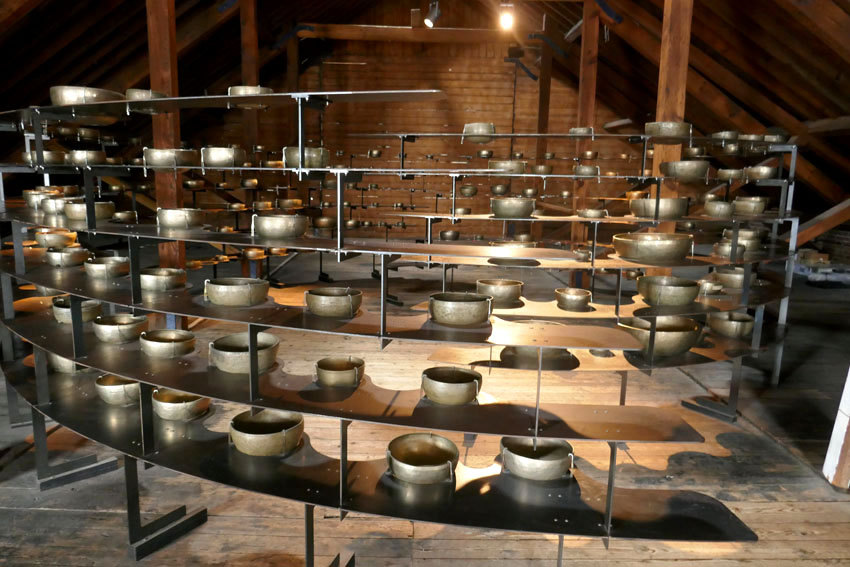
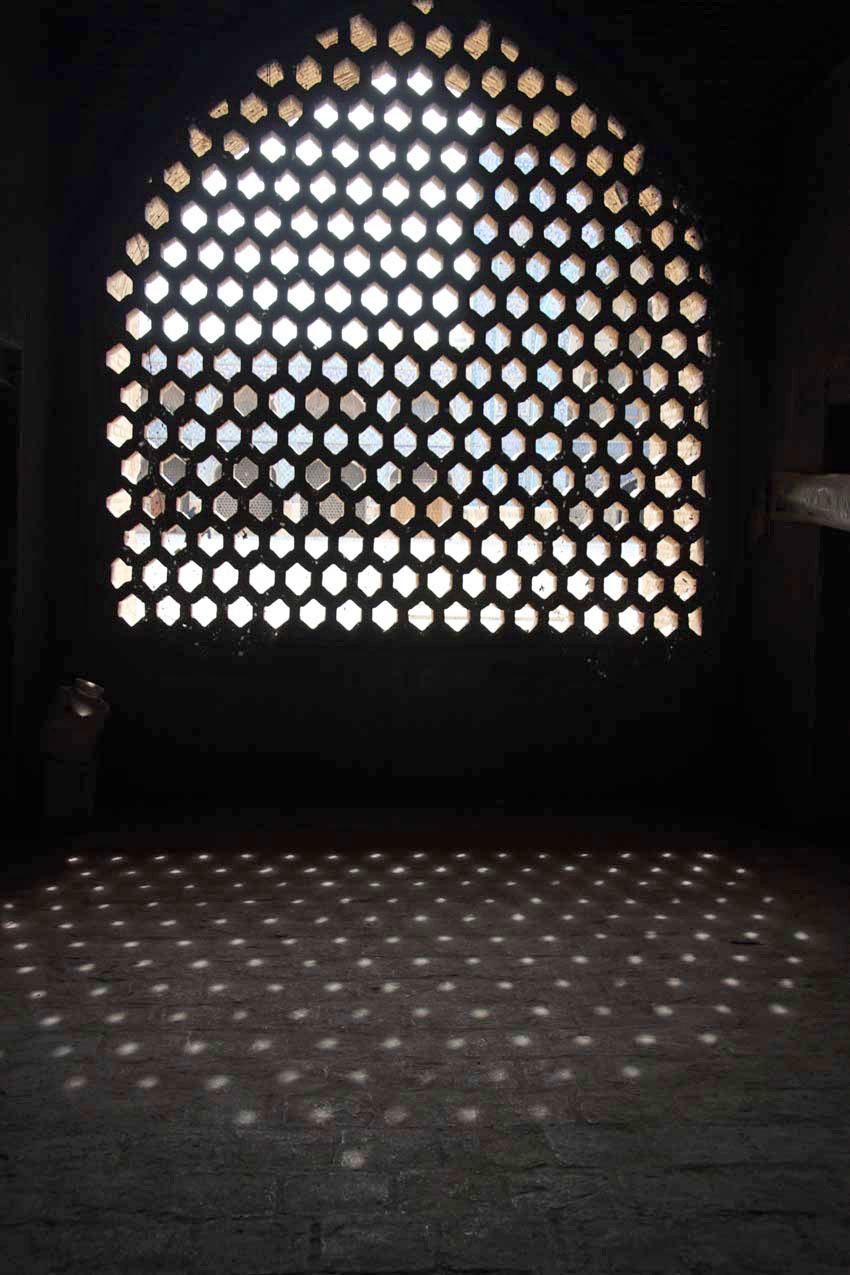
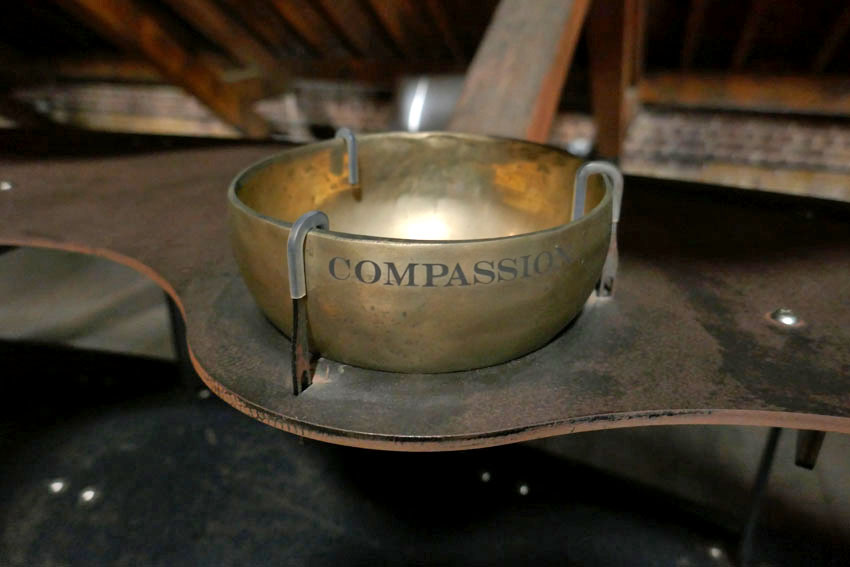
The brass bowls, arranged in a swirling, concentric pattern are beautiful in their own right. Many are adorned with discrete messages or the names of sponsors. Longplayer can be heard best upstairs, where the latticed lantern glass looks out across the river to the high-rises of the Greenwich peninsula. As we view and listen, the ethereal ambient ring of metal is embellished percussively by workers banging on wooden beams elsewhere in the building. The uninvited drummers will soon stop, of course, but the composition will go on, inexorably, chiming with the ever-changing tide lapping the foreshore. A question lingers: where will the river be when the composition finally draws to its millennial conclusion? Will the lighthouse itself be high and dry above the water, or drowned in the Thames? And who will be here to listen?
Isfahan: Half the World

Esfahan nasf-e jahan est (‘Isfahan is half the world’)

‘… and rank Isfahan among those rarer places, like Athens and Rome, which are the common refreshment of humanity.’ Robert Byron The Road to Oxiana

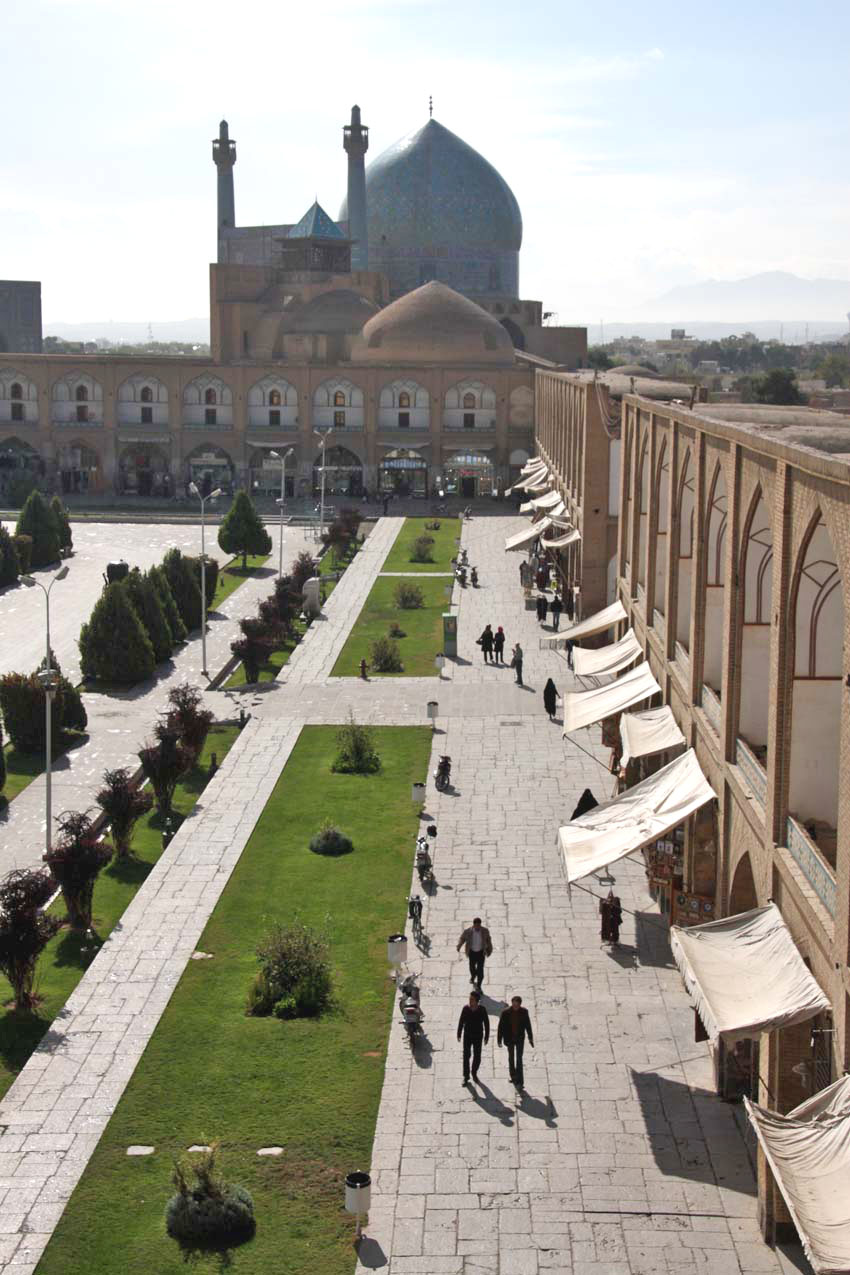
Isfahan, so the Persian phrase goes, is ‘half the world’. This, the third largest city in Iran, has quite a reputation to live up to. But it doesn’t disappoint. I was there in 2008, which I realise, somewhat astonished, was almost two decades ago. It really doesn’t feel that long since my visit but perhaps that is a consequence of the increasingly capricious nature of time as those of my generation navigate the autumn of our lives.

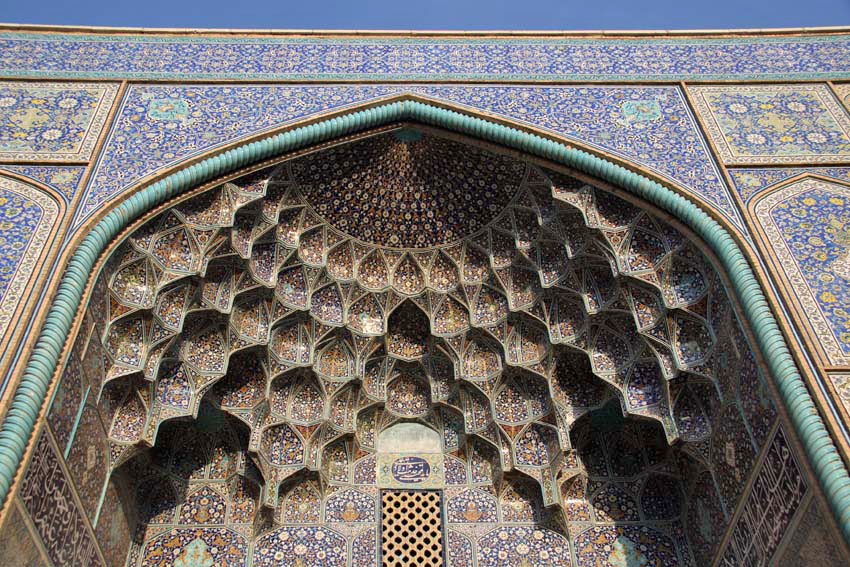
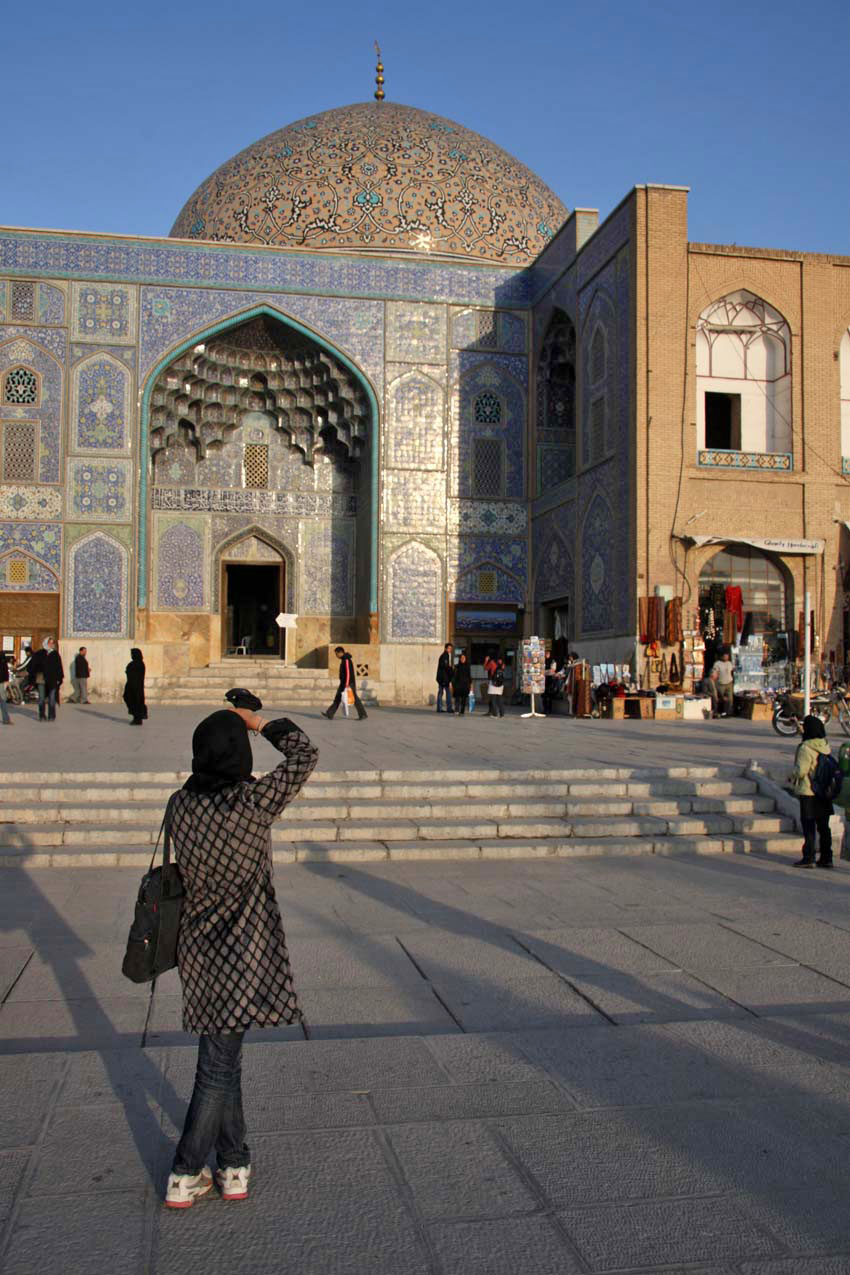
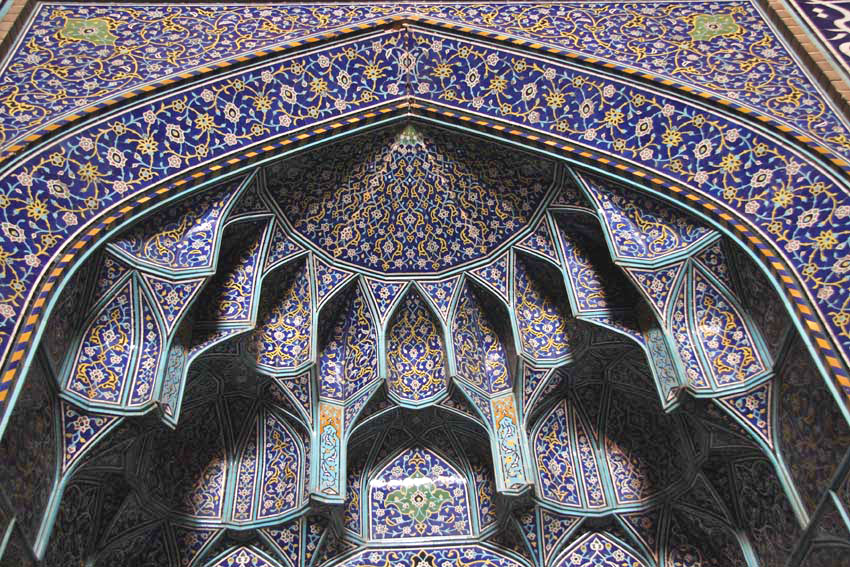
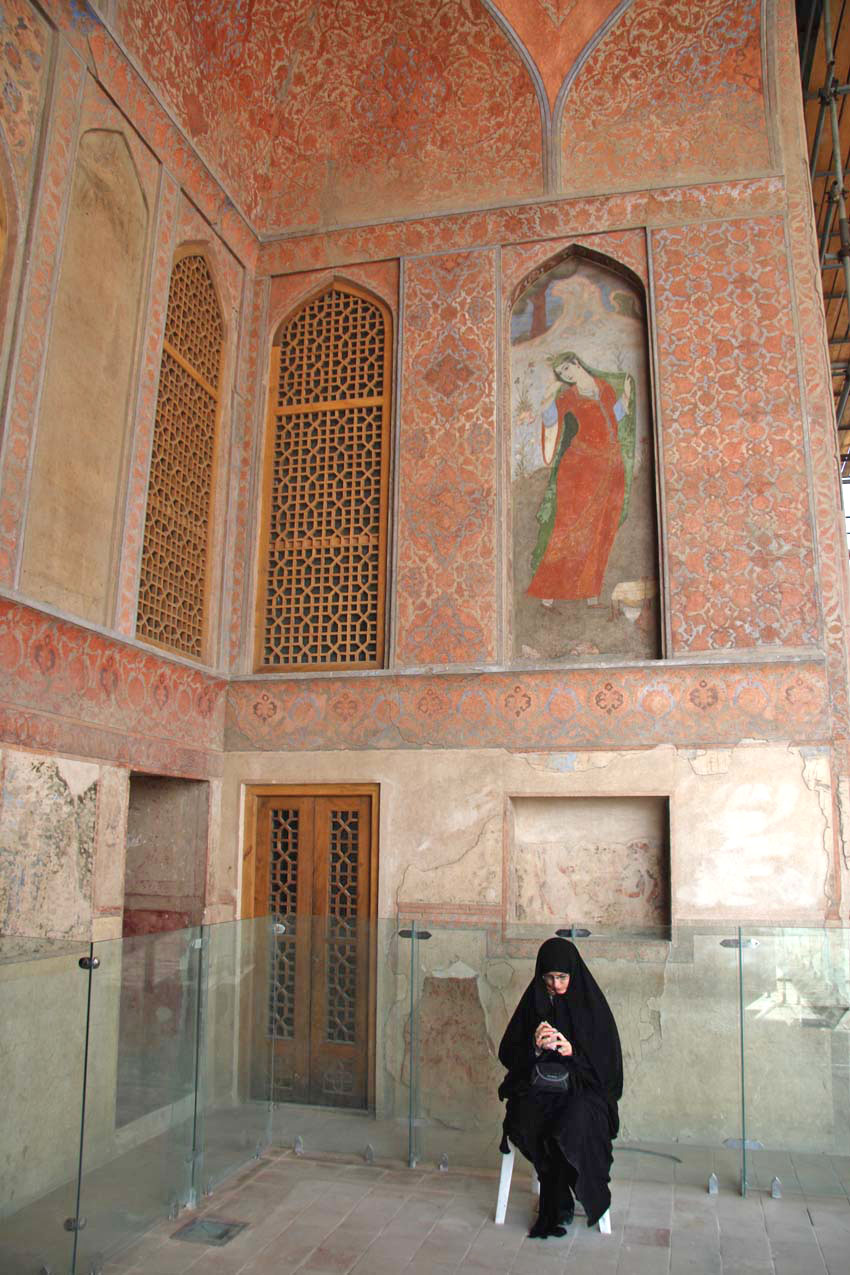
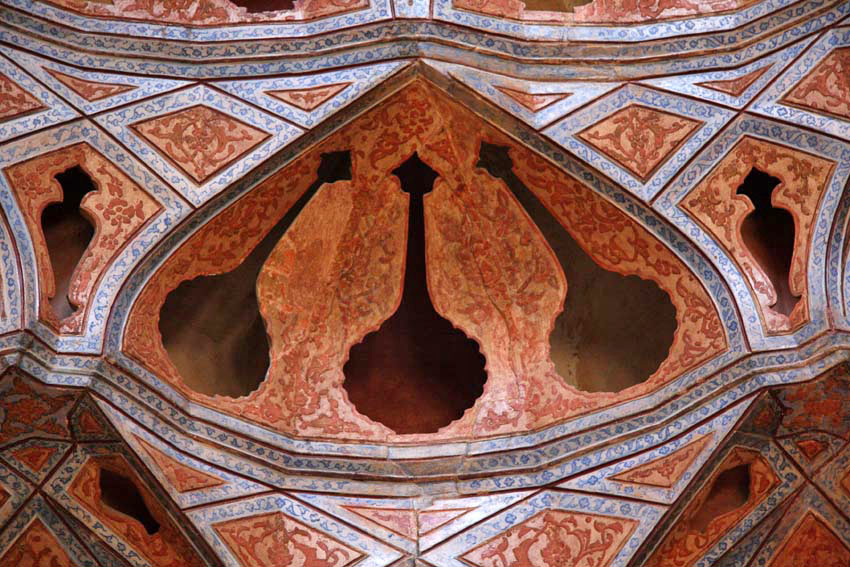
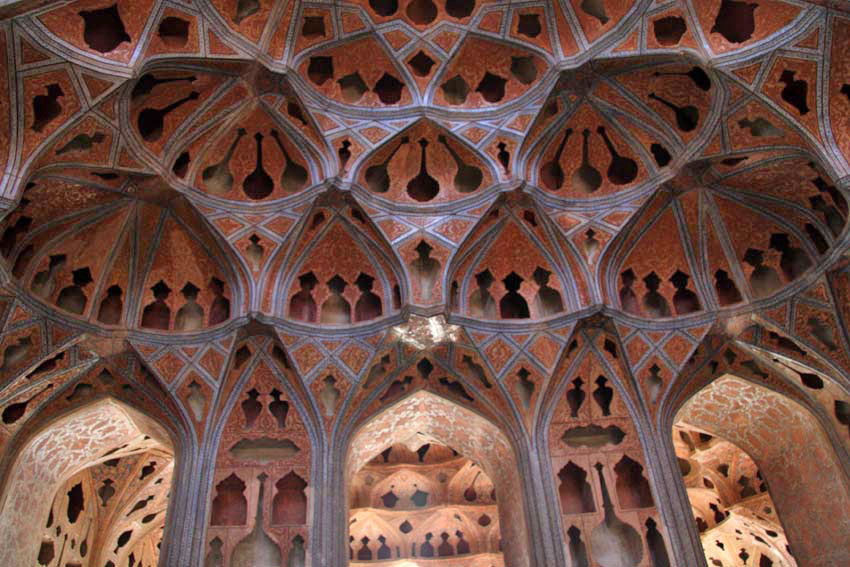
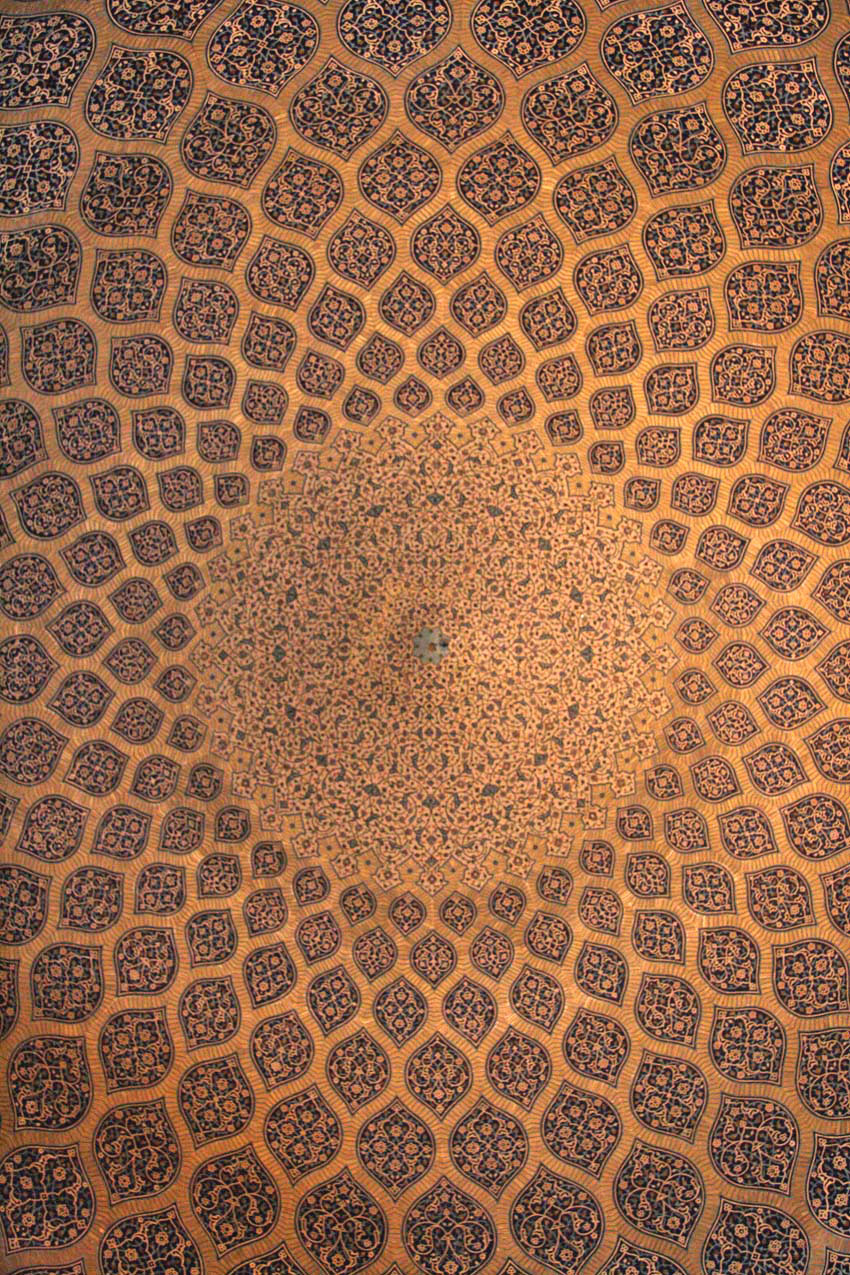
Isfahan, perhaps more than most places, lingers long in the memory – for its beauty, for its timeless grace. It’s enormous central square, a UNESCO World Heritage Site called Naqsh-e jahan, is an airy expanse of fountains and flower beds around which are arranged some of the most beautiful buildings you may ever see: the Ali Qapu palace, the Shah Abbas Mosque and the sublime Sheikh Lotfollah mosque. These all date back to the glory days of the Safavids, whose ruler Abbas the Great, made Isfahan the Persian capital.

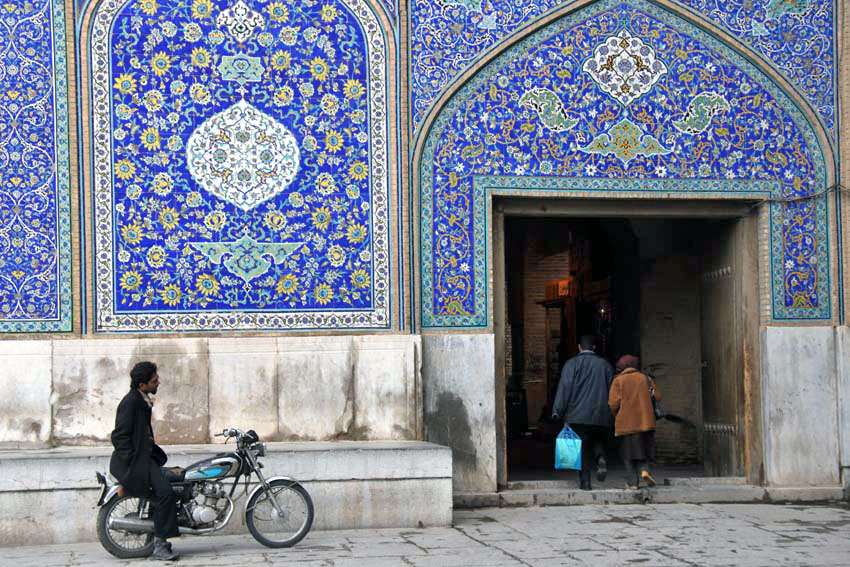
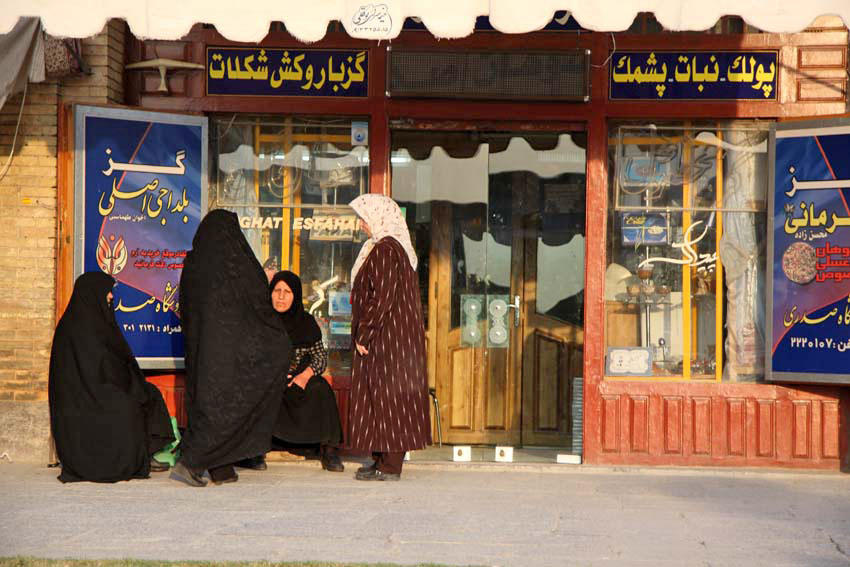
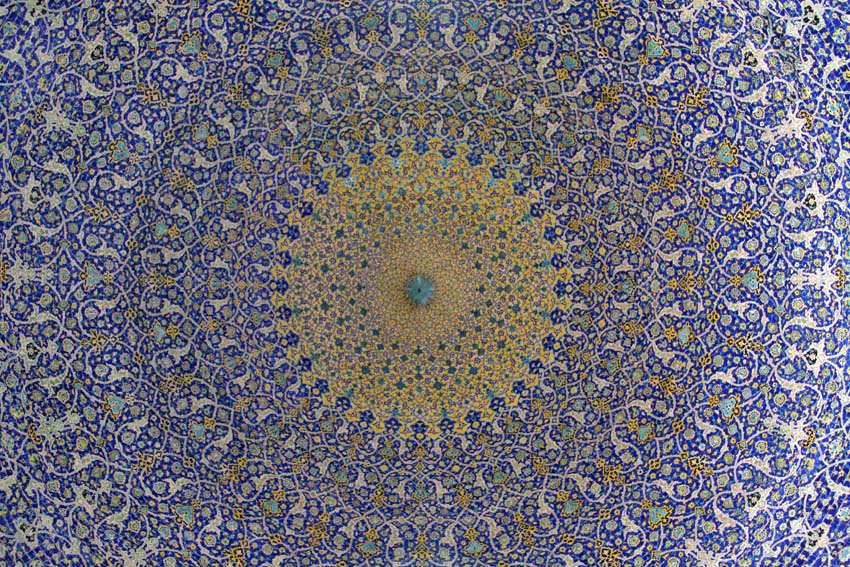
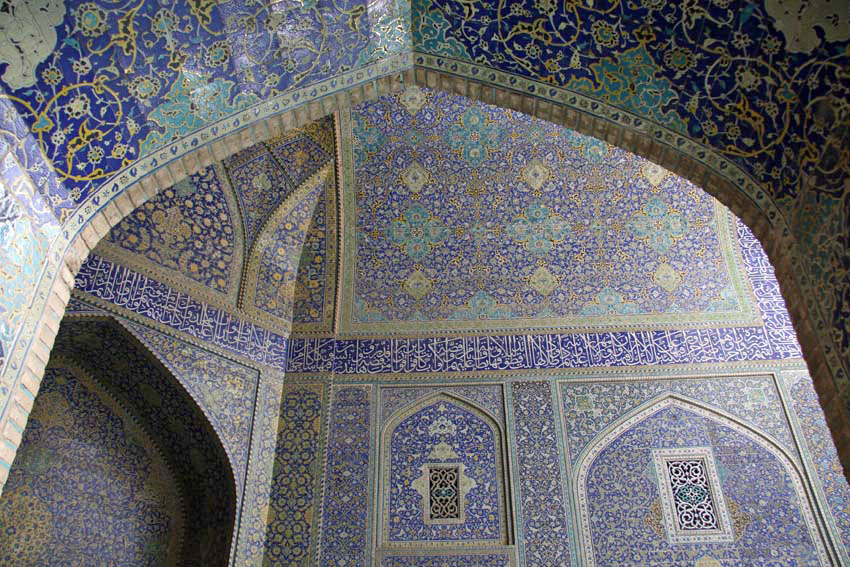
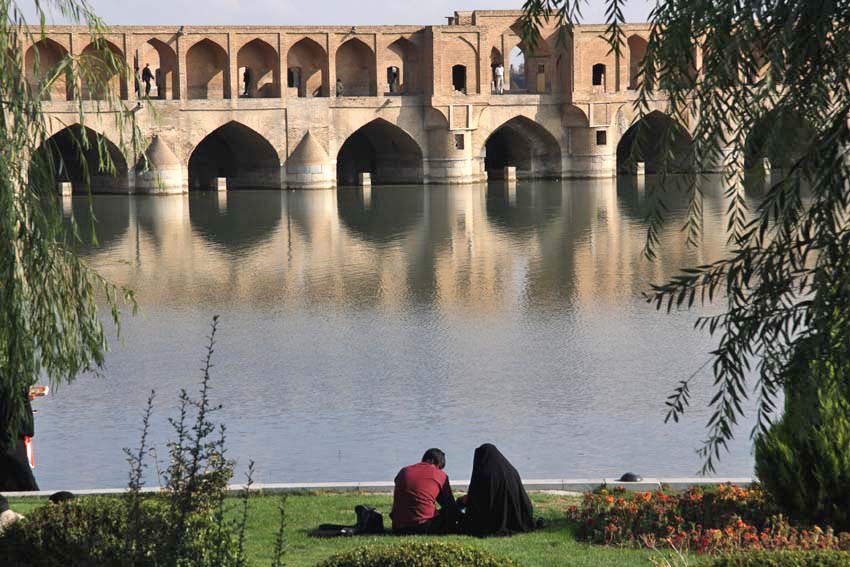
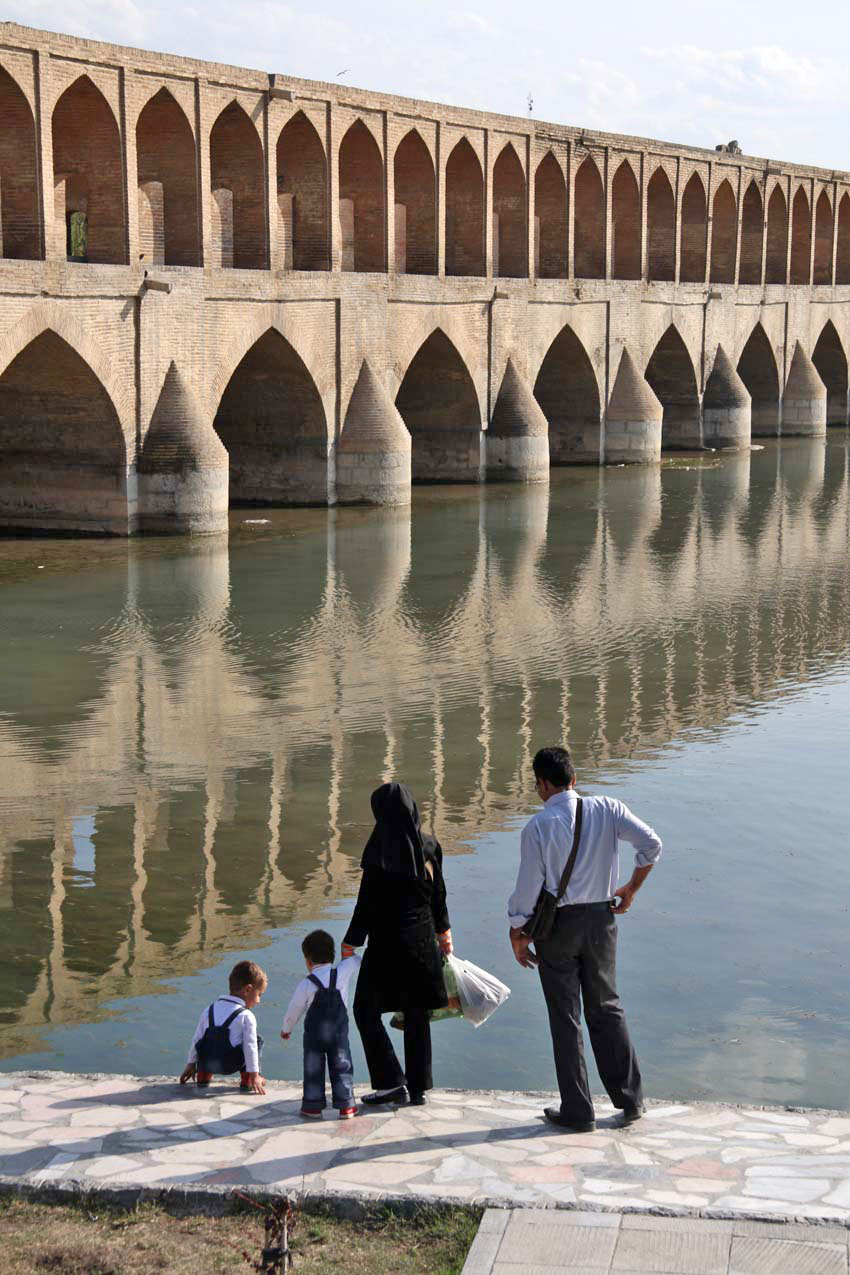
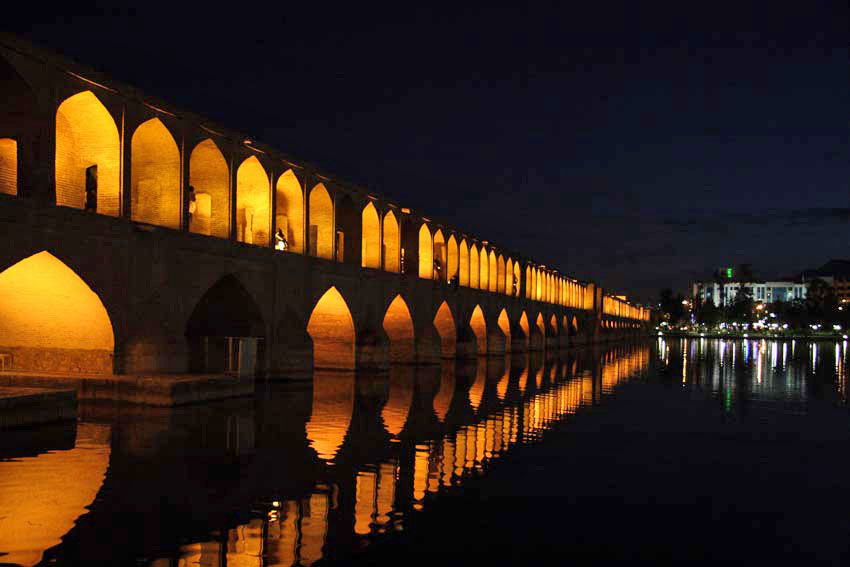
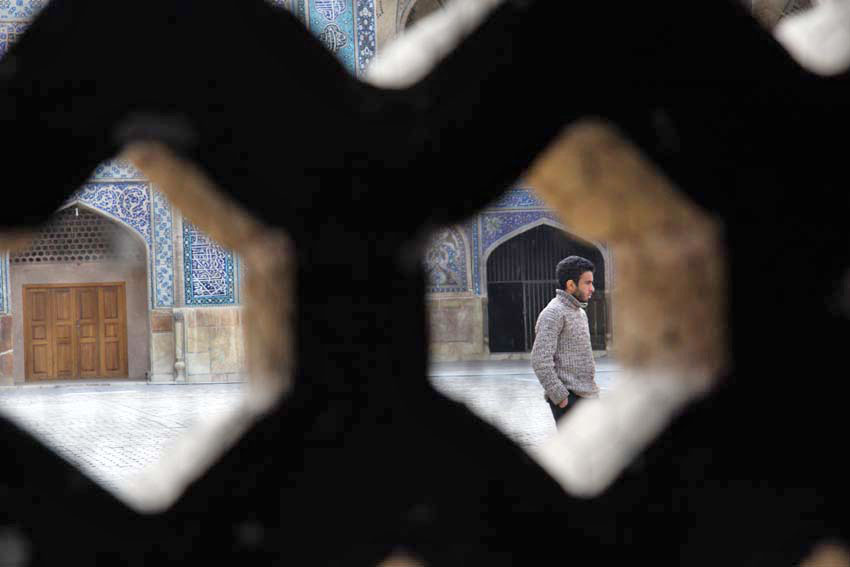
Elsewhere is the picture-perfect, 33-arched Si-o-se pol bridge, which, like the square, is another favoured location for Isfahan’s citizens to sit and drink in the beauty of their city. And they do – young lovers, groups of middle-aged women, young families, old men. It is the memory of these people – ordinary citizens, proud of their city and ancient Persian heritage (whatever their opinion of the current theocratic administration) – that stays with me as much as the memory of its exquisite blue architecture. Their country – Persia/Iran – is one of the world’s oldest continuous civilisations. Through the ages it has seen off invaders like Arabs, Mongols and Alexander the Great’s Macedonians. Once it built the glory of Persepolis. Once it worshipped fire. And one of its cities might still be considered to be half the world. As Robert Byron said, Isfahan serves for ‘the ‘common refreshment of humanity’. Long may it continue to do so.

Ghost Factory

Much of the fabric of Birmingham’s history is, like the city’s modest river, the oft-culverted Rea, half-hidden or tucked away from sight. Occulted beneath flyovers and underpasses, the city’s past flows sluggishly beneath redundant factories and car parks. Unconvincingly disguised, and with the vaguest hint of rusting metal, it escapes as vapour from drains and manholes. It goes with the territory: this is a city where there is a strong tendency for destroying evidence of the past, of knocking things down only to build them again in rearranged form. As the city’s coat of arms proclaims in its simple motto, it is the Birmingham tradition – ‘Forward!’ The subtext is ‘Don’t Look Back!’ The past is bulldozed. Even so, modern high-rise Birmingham, brash and shiny though it may be, is replete with ghosts of the past, of industry, of once busy factories and workshops. The whole city is a ghost factory.

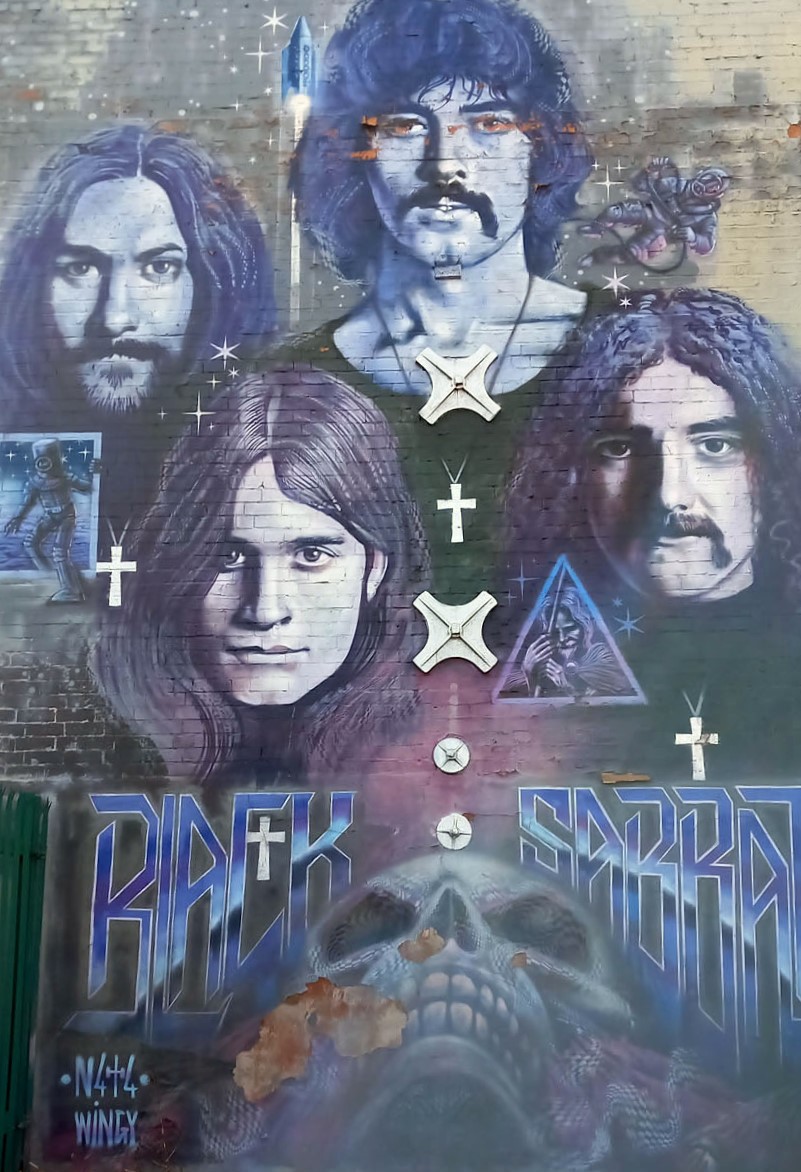
 These days there is a new-found reverence for some of Birmingham’s more iconic anti-heroes.  Peaky Blinders with its skewed myth-making has afforded the city some retro-gangster glamour, while established city brands like Black Sabbath have become the stuff of legend. Now there is even a Black Sabbath Bridge on Broad Street spanning the canal, where the likenesses of Aston’s own heavy metallists – Geezer, Bill, Ozzy and Tony – are immortalised on a bench (iron, naturally). Who’d have thought that in the halcyon days of my Birmingham Town Hall gig-going youth it would be faux-demonic Black Sabbath who would be chosen as the musical emblem of the city? My money would probably have been on the Moody Blues or Roy Wood.

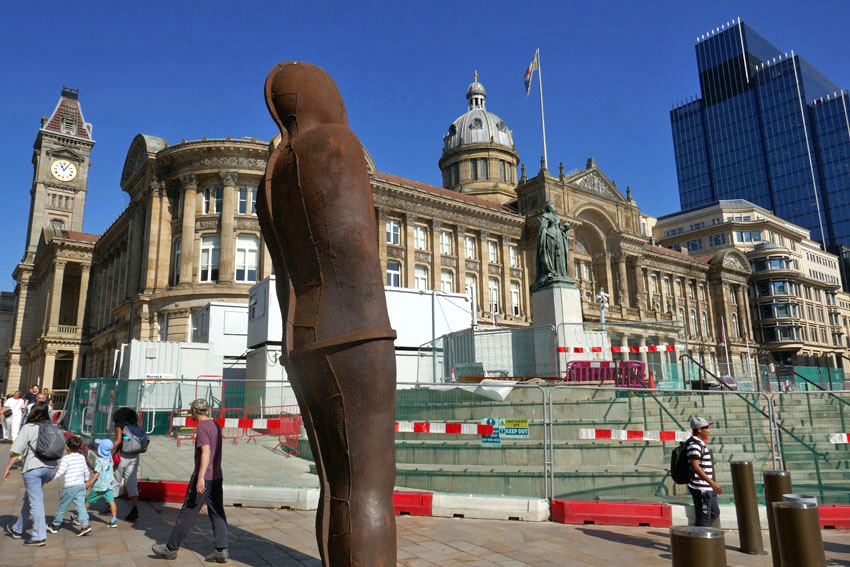
In Victoria Square, the neoclassical Town Hall is just as I remember it, all pale stone and Corinthian columns, but its immediate surroundings have changed dramatically in recent years. A tram line now passes in front of it that follows a route through the Black Country to Wolverhampton, somewhere that seems exotically distant from this city centre ground zero. Between the town hall and the tram tracks stands Antony Gormley’s Iron:Man, a six-metre-tall leaning metal figure that pays tribute to Birmingham’s erstwhile industry, its original heavy metal heritage.

Head downhill from Victoria Square, past the stainless steel, baking foil roof of New Street station, past the aluminium-disc-clad blobitecture of Selfridges, through the Southside district and the areas that are now marked on maps as Gay Village and Chinatown. Soon you’ll arrive at the former industrial district of Digbeth, which nowadays is probably the closest thing Birmingham has to a Bohemian quarter. This part of the city is actually the oldest quarter, the location of the original Saxon village at a ford on the River Rea, around which the satanic mills of Victorian Birmingham would later cluster.

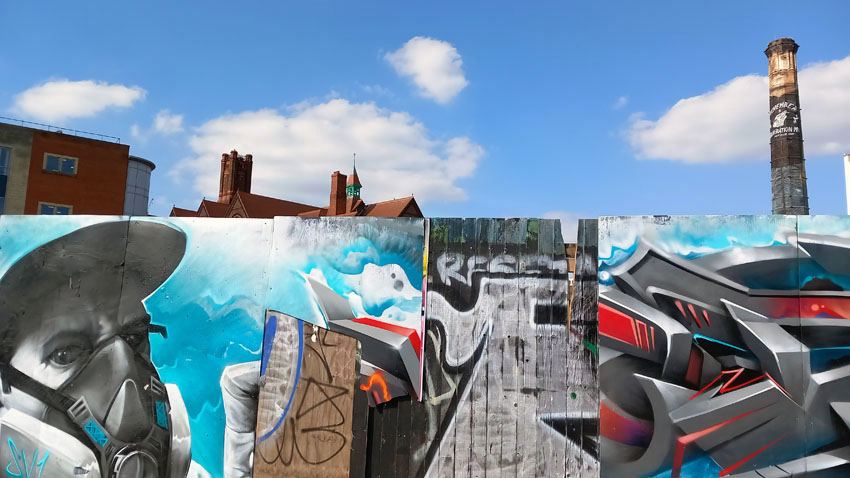
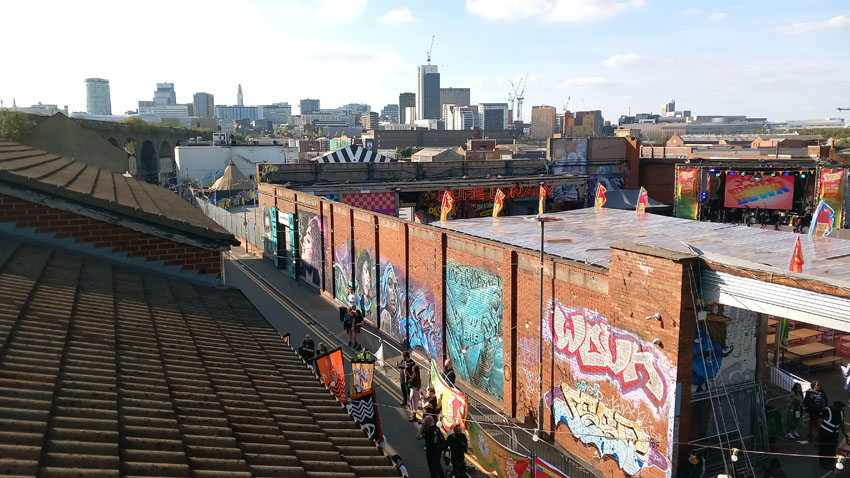
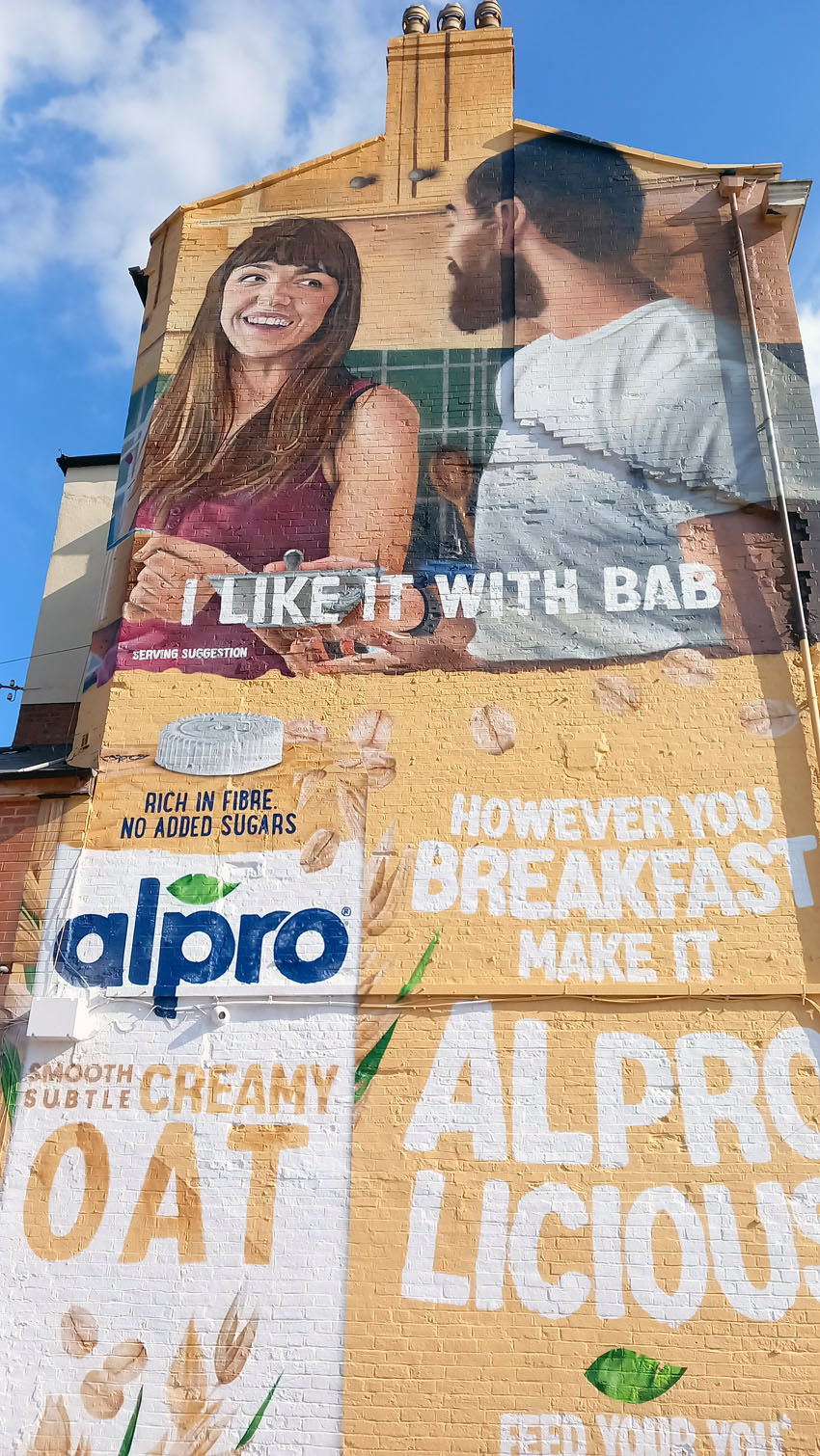
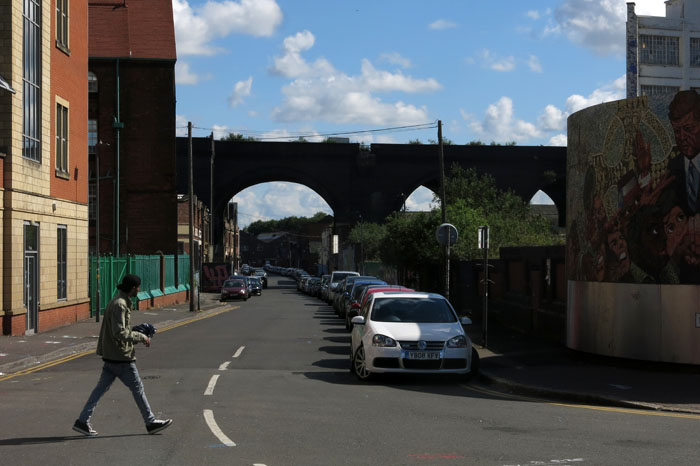
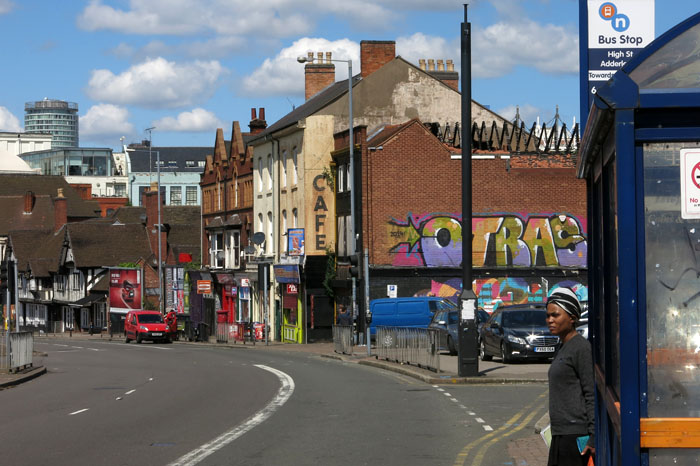
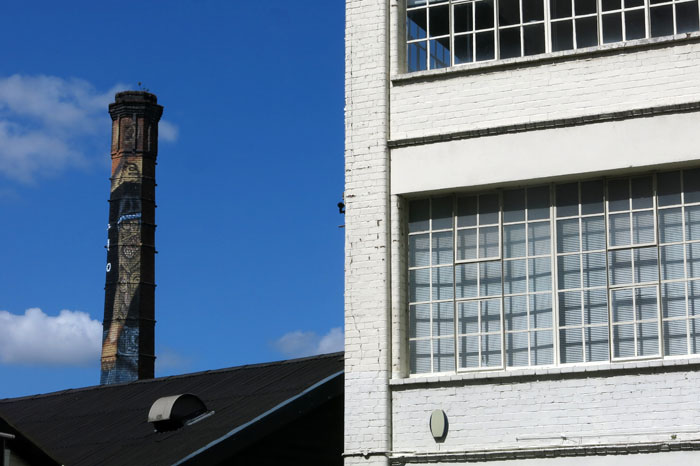
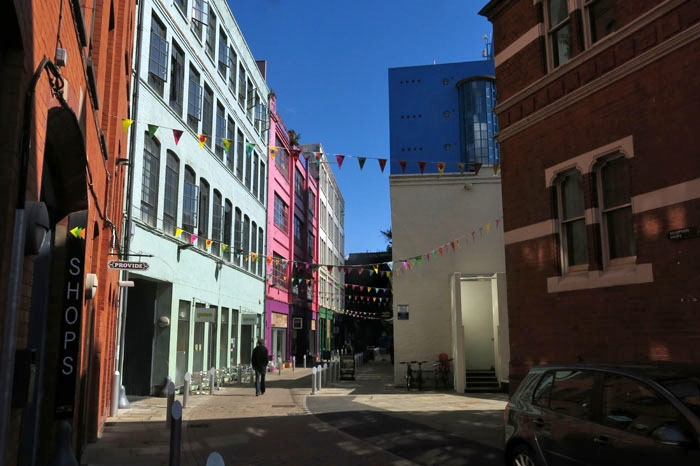
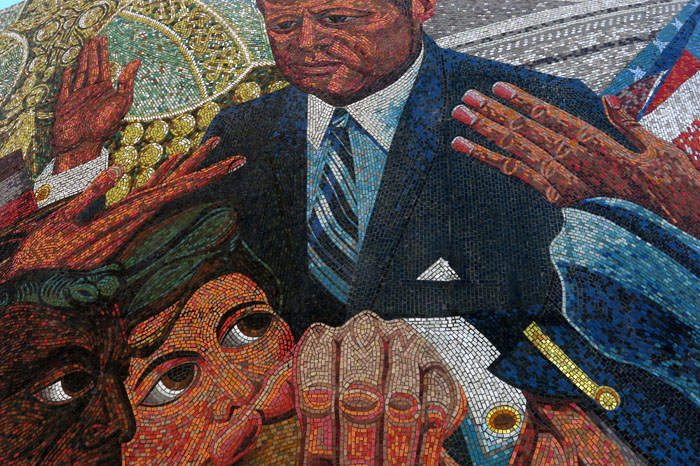
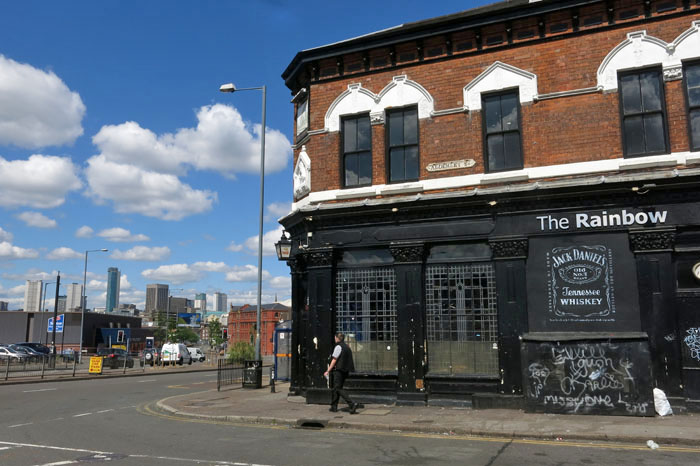
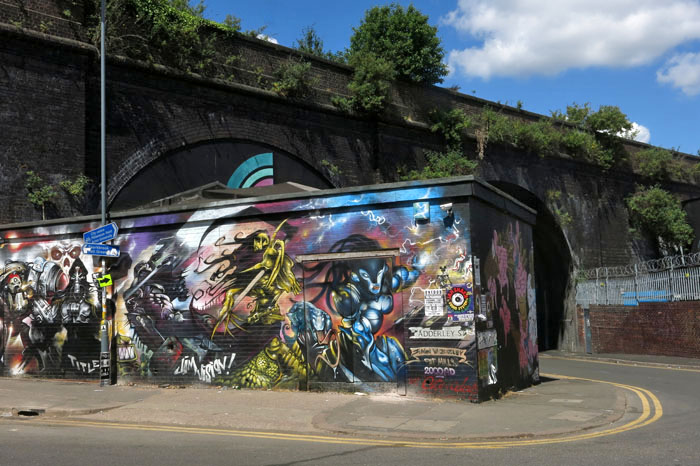
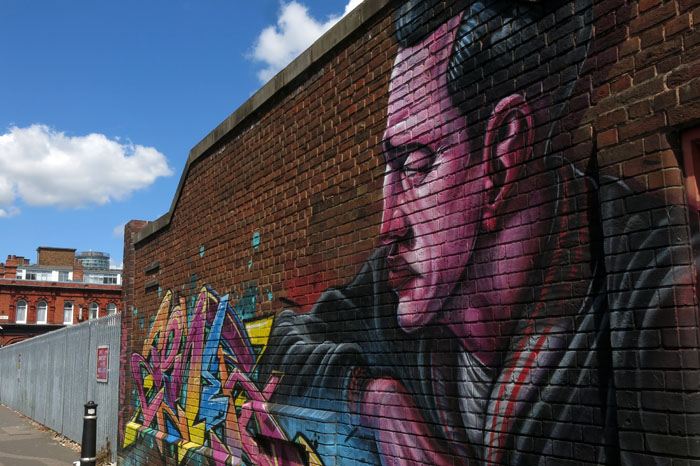
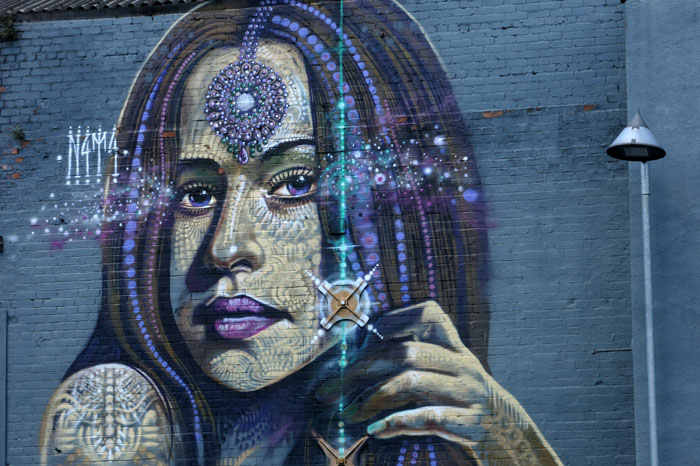
Digbeth High Street is in a state of flux, one side of it enclosed in chain-link. Gentrification might be too strong a term, but Digbeth is undergoing change: empty factory sites are being cleared to await new development. Tram tracks are being laid down; pavements are being widened and made pedestrian-friendly, flower beds are being set out awaiting planting. The side streets that slope down beneath the railway arches are lined with one-time industrial buildings that have morphed into event spaces – ghost factories stand at every corner. The wall murals that abound have already been here long enough to develop a patina of age. As I wrote in an earlier post, the transformation has already been going on for several years.

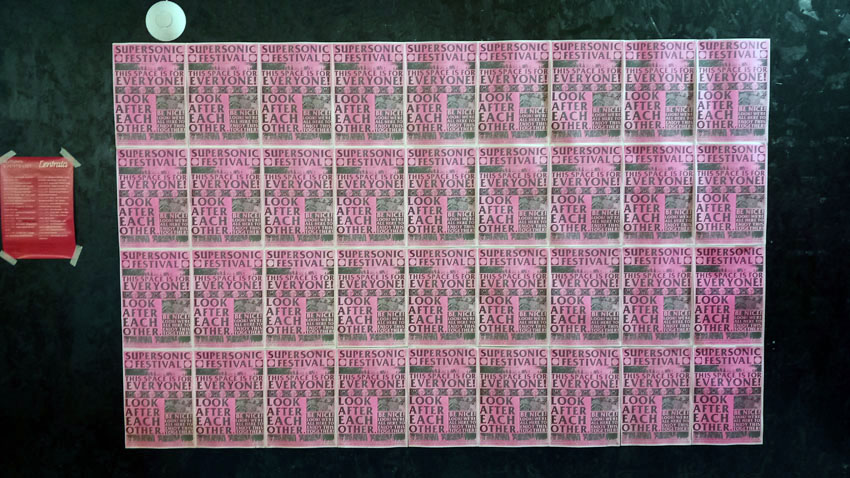
Digbeth is the location for Supersonic, an annual festival of experimental music that celebrated its twentieth anniversary this year. Supersonic is by no means a heavy metal festival but the spirit of Black Sabbath permeates like a benign, if mischievous, presence. Performances take place in two neighbouring buildings, one of which served as a warehouse in a previous life. Dark clothing is almost de rigueur, as are Sunn O))) T-shirts. Light-hearted doom is perhaps the oxymoron that best fits an atmosphere that I can only describe as feel-good apocalyptic. The music is loud but the mood is calm; the ethic is kind, inclusive and super-friendly. Perhaps it helps that this is Birmingham. Would it be the same in Manchester or London?
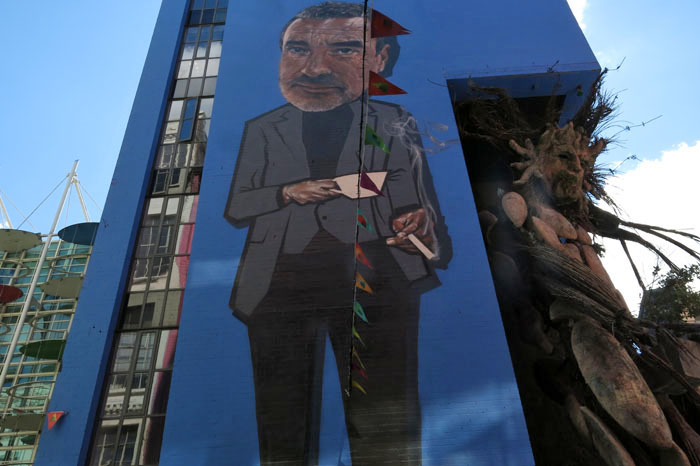
The Sunday night headliners Lankum play a glorious set of drone-laden alt-folk to an ecstatic crowd. Alternating between heart-rending murder ballads, frantic Irish jigs and dark sea shanties, the music veers from gentle to violent, from elegiac to almost frightening. In one of the between-song chats with the audience, guitarist Daragh Lynch mentions that he was delighted to discover that both of Sabbath bassist Geezer Butler’s parent’s were Irish and concludes from this that heavy metal must therefore be an Irish invention. We all laugh. But Birmingham, and especially Digbeth, did once have a sizeable Irish presence. It’s all part of Birmingham’s proud black, white and brown cosmopolitanism. The city was built on metal and people. Iron Man (Black Sabbath); Iron:Man (Antony Gormley) are both worthy tributes. While Birmingham’s iron has rusted to be replaced by stainless steel and aluminium, its people shine on.

Digbeth

IMG_2326

Passing through Birmingham recently I had a little time on my hands and so decided to visit the Digbeth area, a shortish walk from New Street Station. Head south from the futuristic silver button bulwark that is the Selfridges building and you will soon arrive here. Hitherto, I had known of Digbeth coach station – which is still here, revamped and now known as Birmingham Coach Station (opened by Fabio Capello, no less, in 2009) – but somehow whatever else lay in this industrial area close to the city centre had mostly escaped my attention.

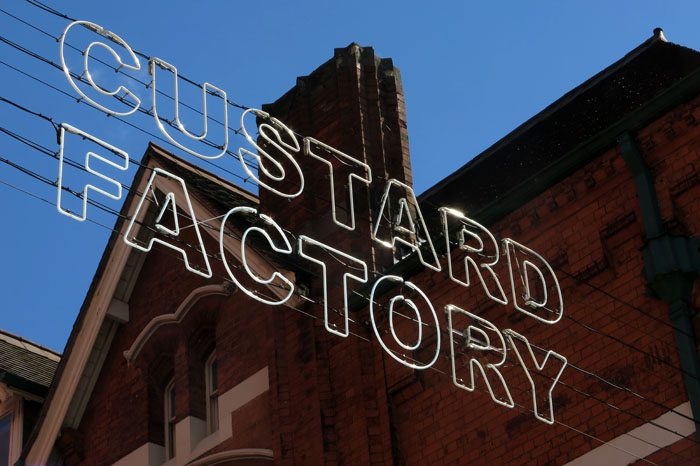
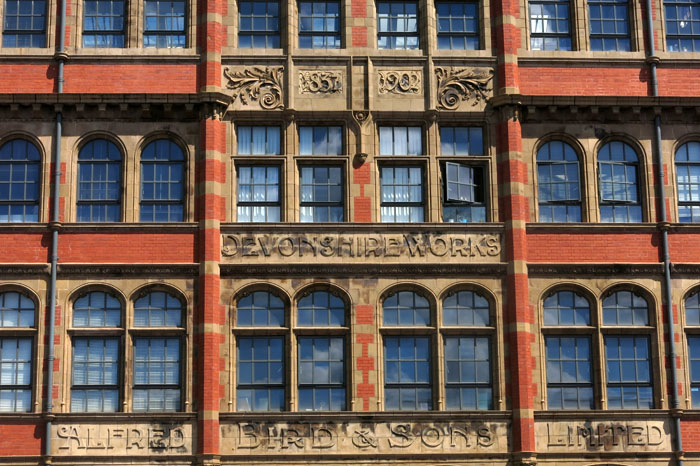
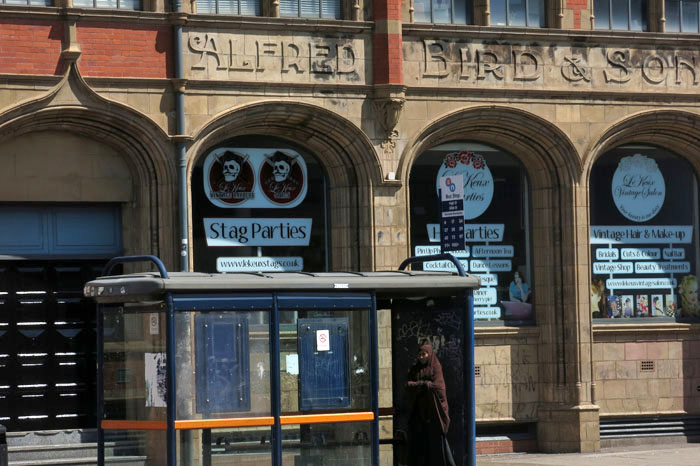
IMG_2306IMG_2440Typhoo Tea once had a factory here, as did the Birmingham Battery and Metal Company before it decamped to Selly Oak, but probably the most famous of Digbeth’s buildings is the imposing Devonshire Works, better known as The Custard Factory. It was here that Alfred Bird & Sons manufactured their innovative egg-less custard powder, a buttercup-coloured product, which combined with hot milk, provided the nation with the necessary lubricant for its stewed rhubarb and apple crumble. An illuminated sign still hangs over its entrance to remind us of the building’s former use, although these days the complex has found new life as a centre for arts, small businesses and independent retailers.

IMG_2501IMG_2372The Custard Factory stands as a slightly self-consciously gritty beacon of culture amidst the quotidian surroundings of Digbeth High Street. Digbeth, which clearly still has some industrial dirt beneath the finger nails of its clever hands, does ‘gritty’ quite well. Beyond the high street, narrow streets lead down to the railway bridges and embankments that bisect the district east to west. The tropes of inner city cultural re-purposing are clear to see: the graffiti is mostly of a high standard; the converted galleries have a homespun, do-it-yourself air about them; the pubs remain authentic-looking despite their reinvention as hip places to drink.

IMG_2329

IMG_2400It is widely thought that Digbeth was the focal point from which England’s second city developed when Berma’s Saxon tribe chose to settle the valley of the River Rea in the 7th century. Digbeth, which now tends to incorporate the old parish of Deritend at its eastern end, later became the manufacturing heart of the city when Birmingham rapidly expanded during the Industrial Revolution. Evidence of this industrial heritage can still be seen everywhere, although these days it is marked more by conspicuous absence than thriving activity.

IMG_2315

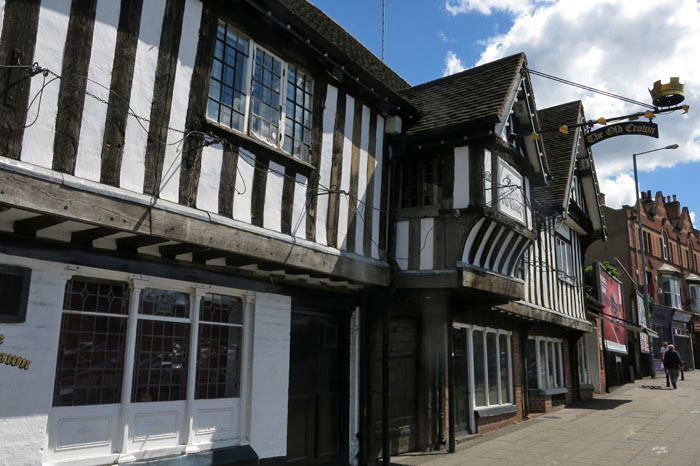
IMG_2361Flanked by the Irish Quarter to the south and Eastside to the north, Digbeth was mostly cleared of its poor housing in the 1950s and ‘60s to become a factory zone that has slowly atrophied into a wasteland of disused industrial buildings and car parks, some of its more edgy-looking pubs now standing solitary and alone like isolated fortresses. Now, the area is an edgeland of sorts – a buffer zone between the shiny new architecture of the CBD and the residential areas of the inner city. Surprisingly, this formerly industrial quarter is also where Birmingham’s oldest secular building, The Old Crown, may be found: a Tudor period timber-framed inn that began life as a private house and would look more at home in genteel Stratford-upon-Avon than here wedged between the old factories and viaducts. There is more pre-industrial history if you look for it: a blue plaque next to the Irish Centre commemorates Bible translator John Rogers, who was born in Deritend in 1507 and burned at the stake at Smithfield, London in 1555, the first victim of the Marian persecution waged during Queen Mary’s reign. Whether or not a plaque that commemorates a Protestant martyr should be placed quite so close to a (Catholic) Irish institution is perhaps a moot point.

IMG_2394IMG_2487For all its atmosphere of gentle dereliction, Digbeth is clearly on the rise once more. The Custard Factory has its shops, studios and workshops, its bars are busy at weekends and there’s a burgeoning electronic music scene centered around some of the clubs.  On the up, certainly, but Hoxton-style hipsters have yet to take over (better try Moseley instead) and, rather than fashionable full beards, most of the facial hair that you will witness on the street here tends to be the henna-died chin whiskers of elderly Pakistanis who pass through Digbeth on their way to the Southside markets.IMG_2439

IMG_2428IMG_2525IMG_2533

Palmyra 2000

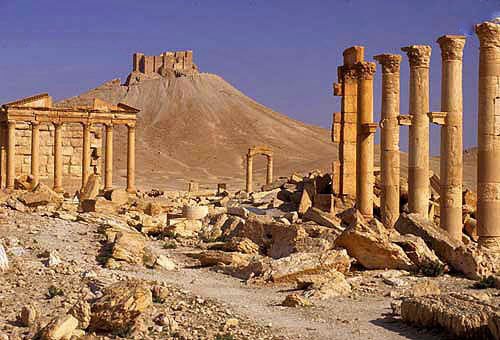
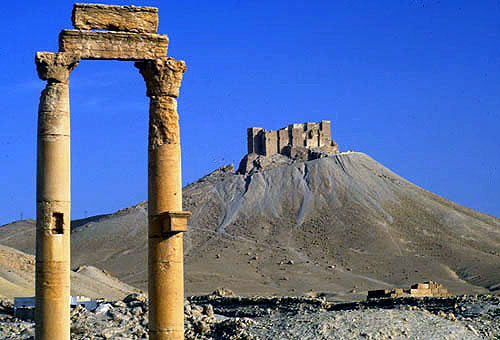
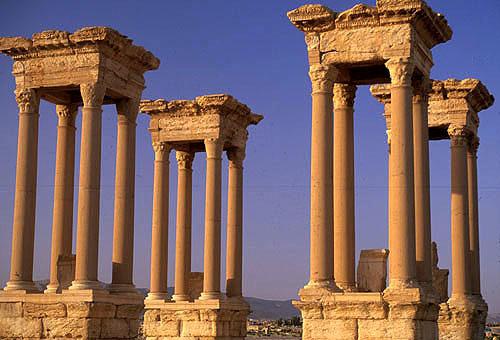
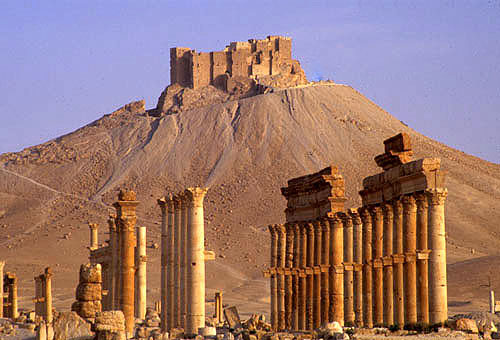
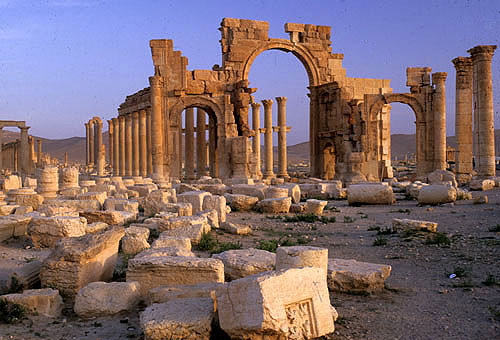
SYR006LMThe news is always bad from Syria these days. The newsworthiness of the conflict seems to fluctuate as we in the West become increasingly inured to a lexicon that includes words like barrel bombs, Isis, chlorine gas, jihadi, caliphates and air-strikes. It seems almost too much to take in as a distant observer let alone as one of those unfortunates who have to suffer and bleed day-in, day-out on the ground. Recently the attention has turned to historic sites rather than people, and now that Isis have reached Palmyra there is fear for the future of this beautiful and well-preserved historic city in the Syrian desert. Religious fundamentalists have a habit of gleefully destroying great works of art and architecture – for some reason, beauty and creativity are seen as an affront to their misguided theological nihilism – and Isis are no exception. Much as the destruction of something as unique as the great desert city over which Queen Zenobia once reigned is an abomination, it is not as egregious as the loss of a single innocent life. But, tragically, there have already been an uncountable number of deaths. Perhaps it is a sad reflection on the values of the West that, when all things are measured, an historic site – albeit something as extraordinary as Palmyra – is sometimes valued higher than that of human life?
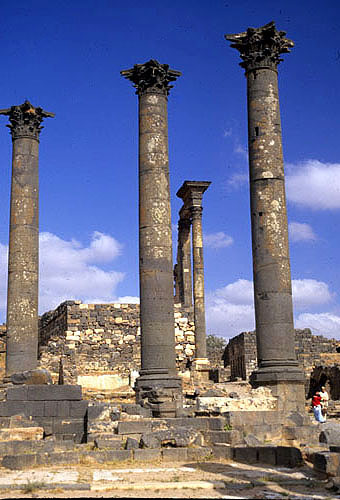
SYR023LMI visited Syria, Lebanon and Jordan in 2000 – an inspirational trip  in which I saw a plethora of ancient sites and exciting modern cities, and encountered welcoming and friendly people wherever I went. What I see on television news today does not register with what I experienced back then, although sometimes the backdrop – Aleppo Citadel, for example, which now lies in ruins – is just about recognisable through the         debris and smoke. These photos – low resolution copies of slides – are those that I took early one April morning after staying overnight at Palmyra.

SYR024LMOver the years I have been lucky to visit several places of great historic value before they were later destroyed by savage acts of war: the sandstone cliff Buddhas at Bamiyan in Afghanistan, which I visited en-route to India in 1977; the World Trade Center in New York (visiting a friend who worked alone in a TV broadcast monitoring station at the very top of the building in 1986); the bazaar in Osh, Kyrgyzstan (in 2006 before it was largely burned to the ground by inter-ethnic rioting in 2010); Aleppo Citadel. I can only hope that Palmyra does not go the same way as these unique sites, reduced to just a memory that exists only in photographs and people’s minds.

SYR028LM

SYR026LM

SYR025LM

Serbia 4

1849[1]

The new edition of my Serbia guide is published today. It’s fully updated, of course, with revised text and lots of new listings, especially for Belgrade, a city that despite considerable setbacks seems to drive itself forever onwards and upwards. Here’s a snippet from the new edition that describes a possible future development for the Serbian capital. It looks quite remarkable (although probably hugely expensive too).

A ZAHA HADID DEVELOPMENT FOR KALEMEGDAN?

A large plot of land between Kalemegdan Fortress and the Dorćol riverfront is currently awaiting development. Originally owned by Beko, a company that went bankrupt, the land has been bought by Lamda development, a Greek company that is part of a holding company with EFG Bank and EKI Petrol. The Greek company approached the studio of Zaha Hadid to come up with a project for the land and the Iraqi-British architect has come up with a stunning plan for the development: a sweeping modernist design that connects with the surrounding landscape and incorporates essential public spaces and public transition between the fortress and the riverfront. At the time of writing, the proposed project was still awaiting public review (www.beobuild.rs). The design can be seen on line at: http://www.zaha-hadid.com/architecture/beko-masterplan.

Belgrade’s not a stranger to developments that never quite get off the ground. Here’s another snippet from the Belgrade chapter of Serbia 4:

GOING UNDERGROUND – THE METRO THAT NEVER WAS

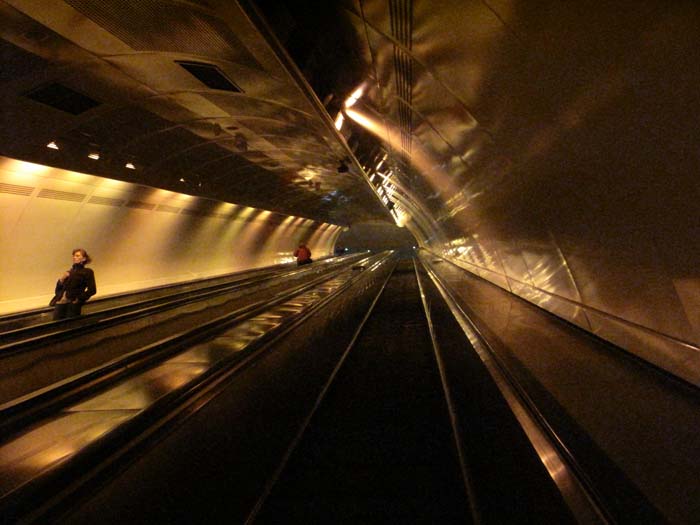
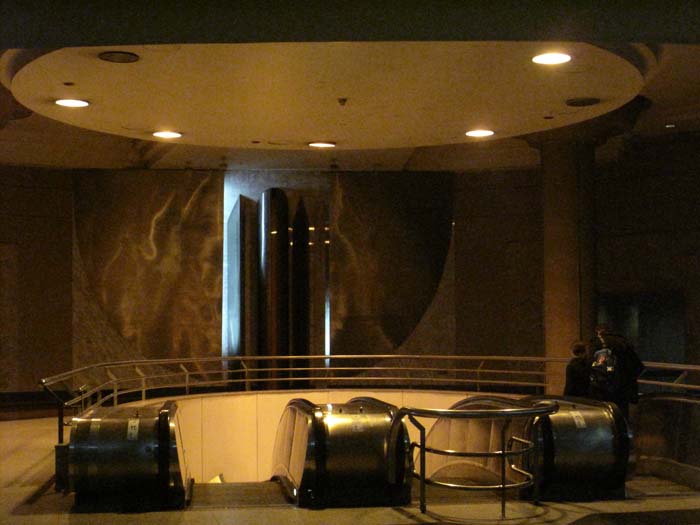
At the edge of Ćirila i Metodija Park in the city centre, under the whiskery gaze of Vuk Karadžić whose statue graces the western corner, are several entrances that lead down to what appears to be an underpass. But there is more to this than you might imagine: this is the location for the only station on Belgrade’s metro. The station, known simply as Vukov Spomenik (‘Vuk’s Statue’) was to be part of an underground system that never came to fruition, and which, as things turned out, ended up being one of the city’s biggest white elephants. It was built during the Milošević period in 1995 as the first component of what would be a comprehensive underground network but the turn of events in Serbia in the late 1990s resulted in the country having far more pressing needs than that of a highly expensive underground railway. The part that was completed is well worth seeing, even if it is a bit surreal. A number of entrances lead down to a stylish atrium in brushed steel from where escalators plummet down further to the platform. The station has since found use as a stop on the Beovoz line that plies between Zemun and Pančevo and a few shops have opened for business in the atrium.

IMG_2152

IMG_2153

Yugoslav Hotels

IMG_1091

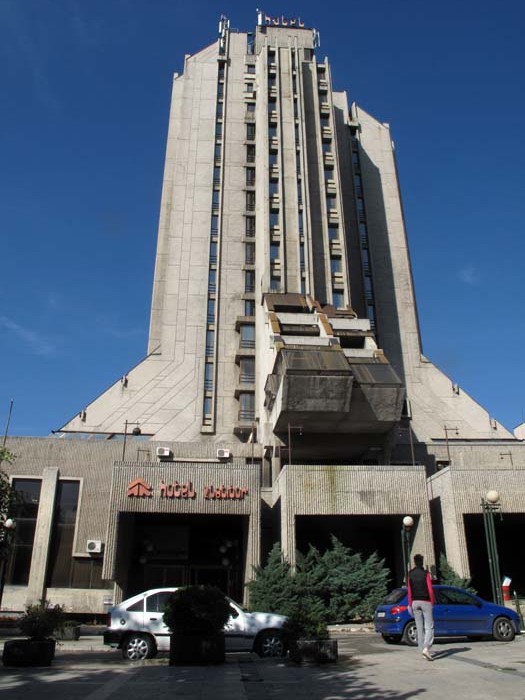
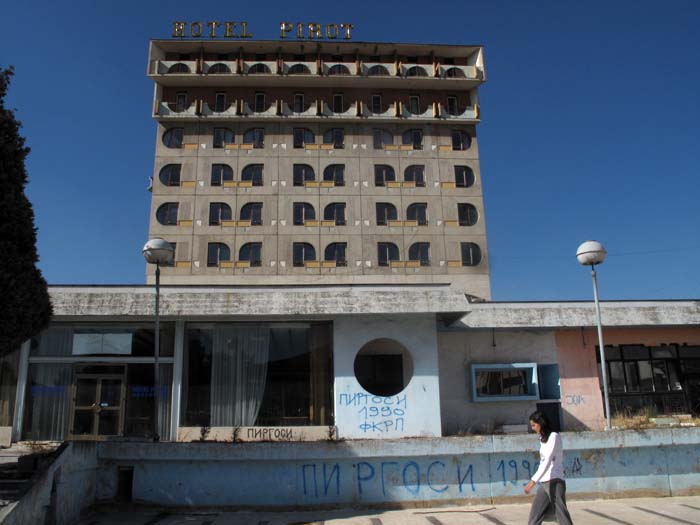
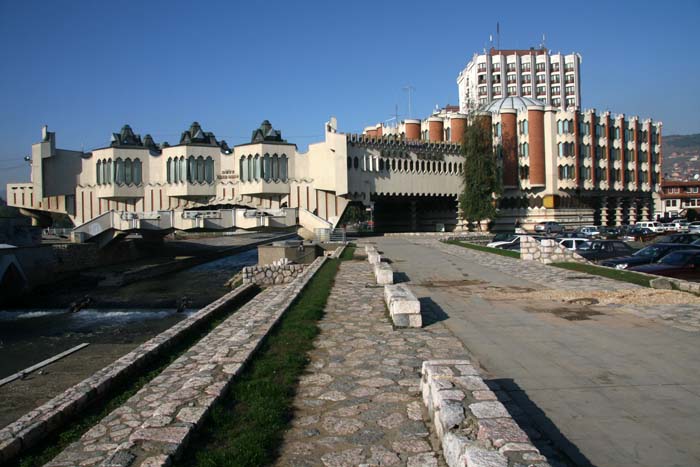
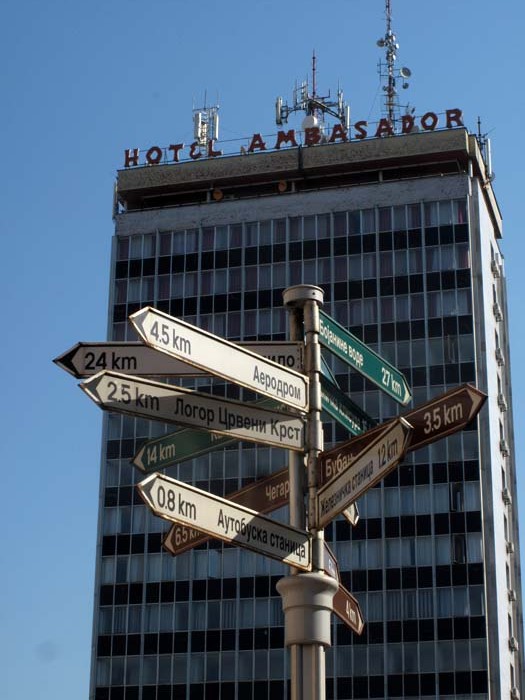
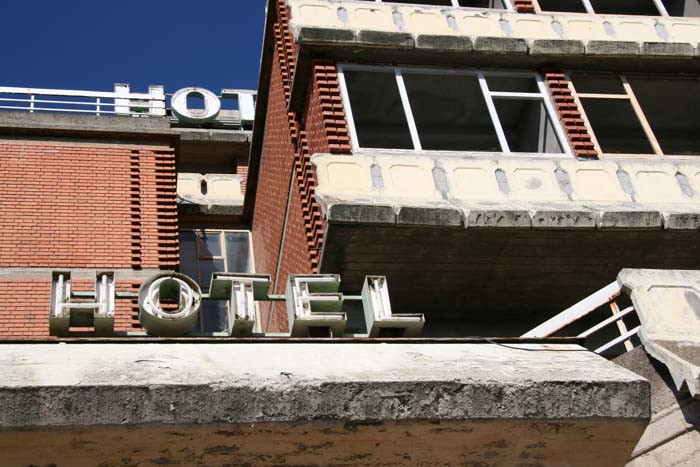
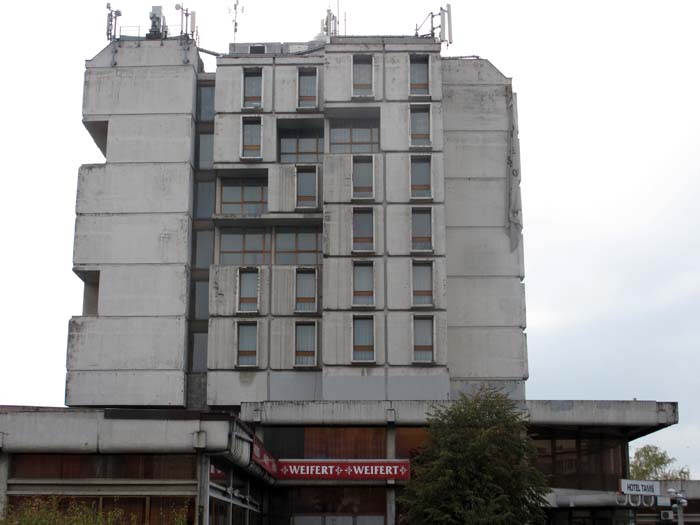
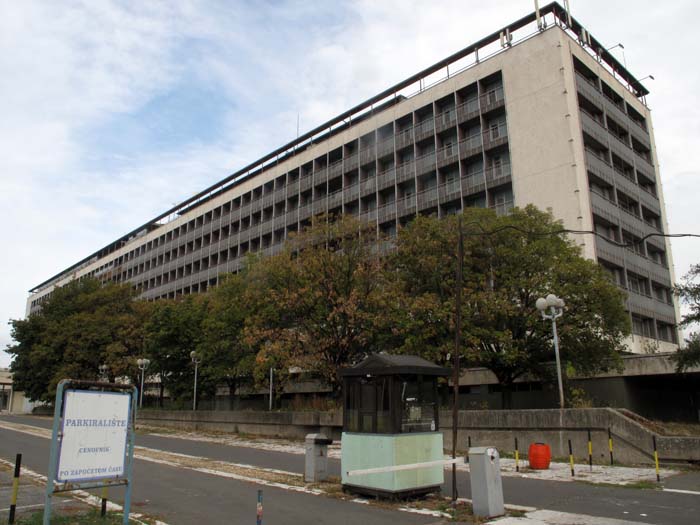
They are a dying breed, Yugoslav hotels. And I use the word ‘Yugoslav’ advisedly as, although the buildings shown here are in what is now Serbia, all were erected during the period when that country was still part of Yugoslavia. At worst, these hotels, largely built in the 1960s and ’70s,  are concrete monoliths: multi-storey overnight people-parks, the sort of structures that might make Prince Charles go bug-eyed with apoplectic rage. Indeed, some are so brutally concrete and cubic that they bring to mind Rachel Whiteread’s House – a three-dimensional concrete representation of the internal space of an earlier dwelling.
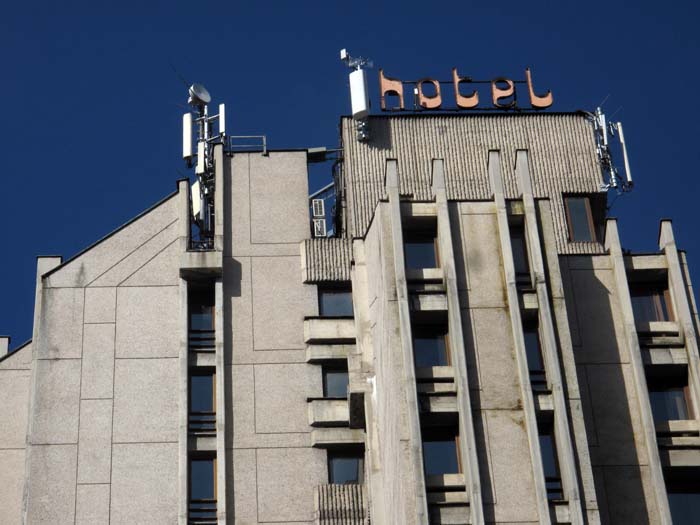
IMG_1094At best though, they are imaginative, ironic, faux-futurist; canny enough to display an architectural sense of humour (although never quite as precocious as the Titanic Hotel in Nagorno-Karabakh). I’m thinking here of the skyrocket-like edifice that casts its long shadow over  Partisan Square in Užice, western Serbia. I have stayed here a couple of times and all I can say is that what the hotel lacks in working light bulbs and reliable lifts it makes up with excellent views over the city from its upper floor windows.

IMG_9468

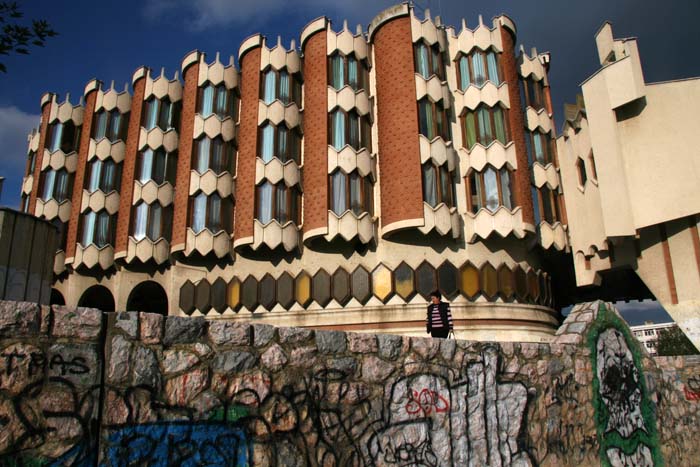
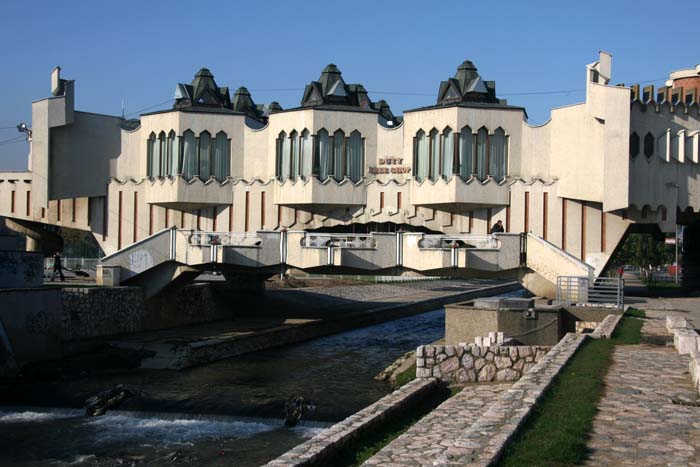
If the Hotel Zlatibor in Užice is a skyrocket then the Hotel Vrbak in Novi Pazar is a space station, albeit a very 1970s space station with neo-Oriental touches. And a semi-deserted, slightly disturbing space station too: on both occasions that I stayed here I was one of less than half a dozen guests. Perhaps it should be renamed Solaris?

IMG_9533
While some of these government-owned hotels manage to keep going, most of their trade coming from large wedding parties and occasional school-trip groups, many have closed for business and languish unloved in provincial town centres awaiting investors that never come. They remain as ghostly real estate of the recent Yugoslav past, an embarrassment of concrete and glass that is too big and decrepit to profitably invest in, and too massive to easily demolish.
IMG_1527The hotels shown here are in Novi Pazar, Užice, Niš, Pančevo, Pirot, Knjaževac and Belgrade. The first three are still working; the remainder are not.

IMG_9537IMG_1442IMG_8487IMG_2268IMG_2404

Savamala, Belgrade

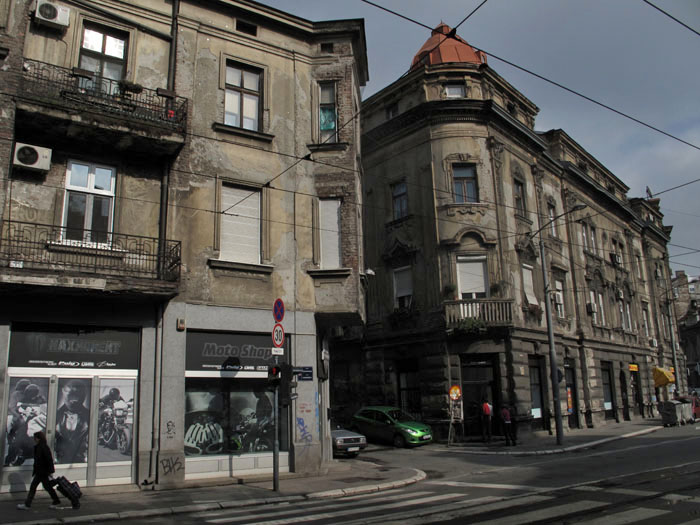
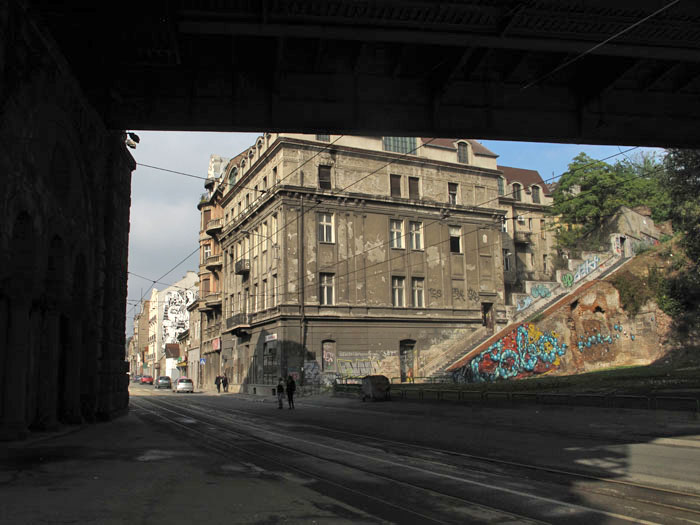
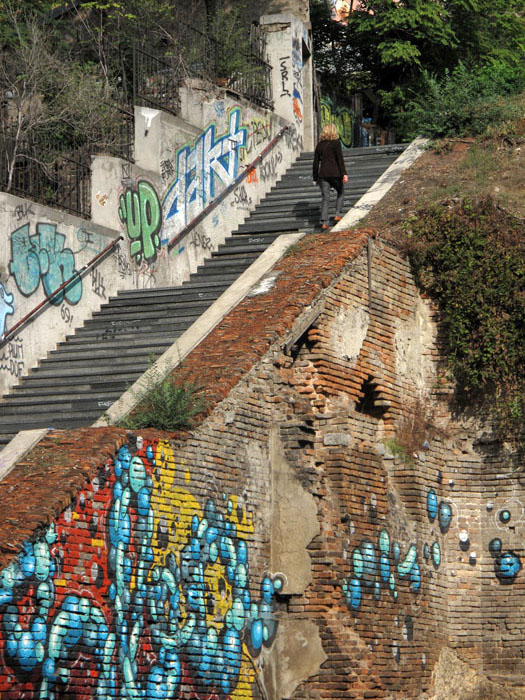
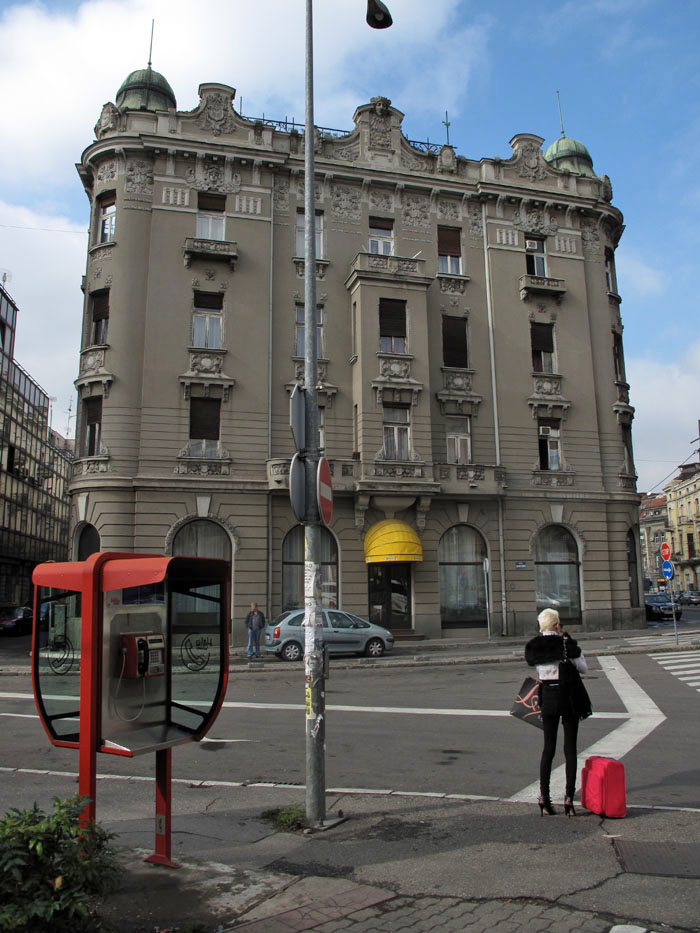
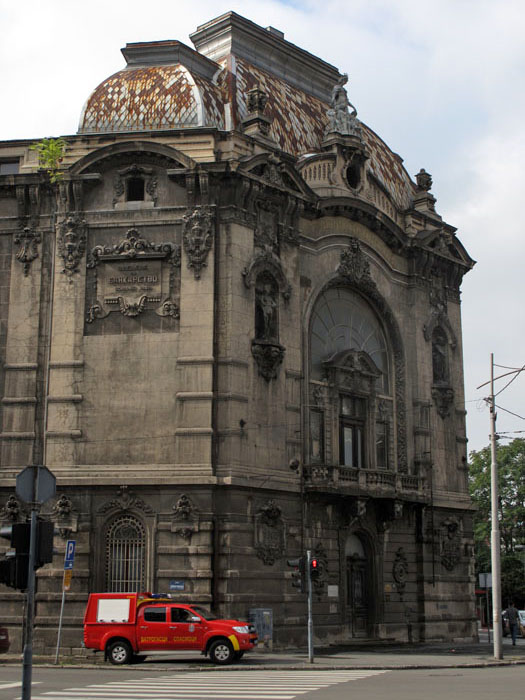
I have just returned from Belgrade, the Serbian capital, where I have been doing research for the fourth edition of my Bradt Serbia guide that will be published next summer sometime. Belgrade never was the white city that its name (Beo = white, grad = city) suggests but some parts are certainly more grey than others. One such ‘grey area’ is the Savamala district that lies along the traffic-choked thoroughfare of Karadjordjeva close to the railway station and River Sava port. Heavy traffic, air pollution and decades of neglect have seen to it that, at first glance at least, this would appear to be one of the more down at heel neighbourhoods in the city. A closer look, though, reveals a wealth of wonderful, if slightly crumbling, architecture in Secessionist style.

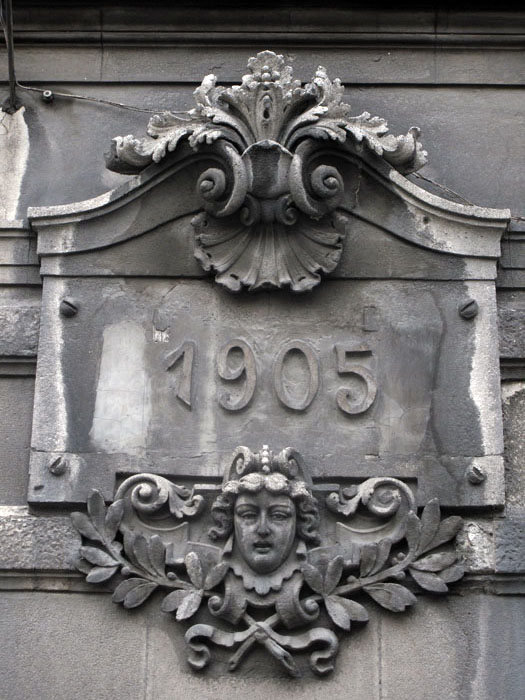
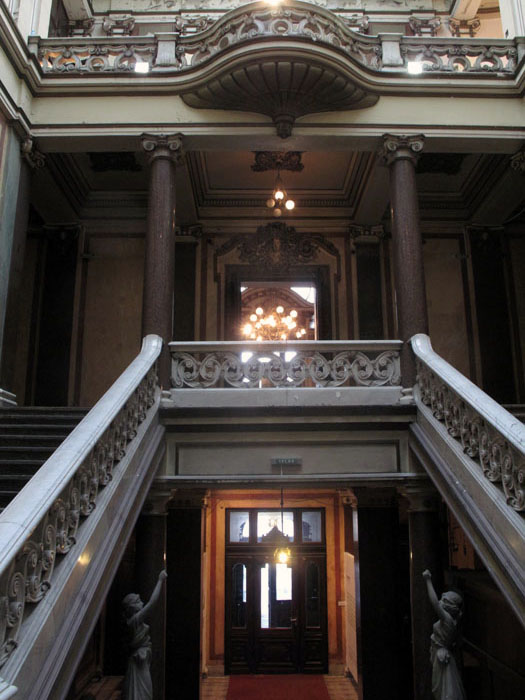
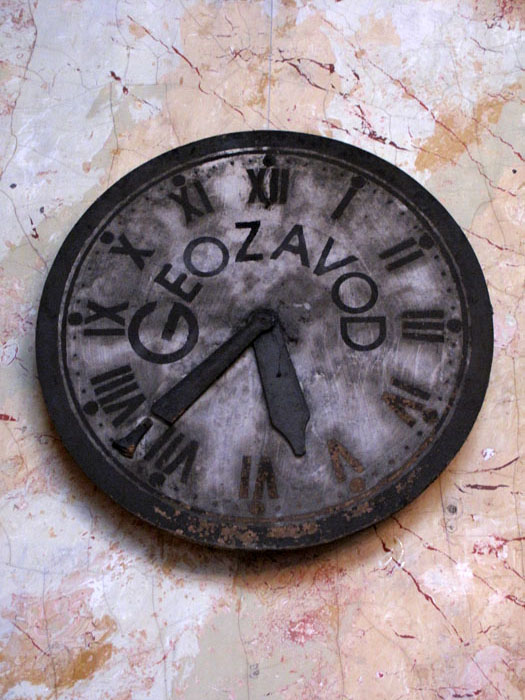
The best of all the buildings here, albeit in poor shape these days, is the Geozavod building that started life as an Austro-Hungarian stock exchange before later becoming Yugoslavia’s State Geological Institute. Normally it is impossible to get inside as the building is considered to be unsafe but as it has been used to house this year’s 53rd October Art Salon I managed to gain access thanks to my artist friend Ivana.

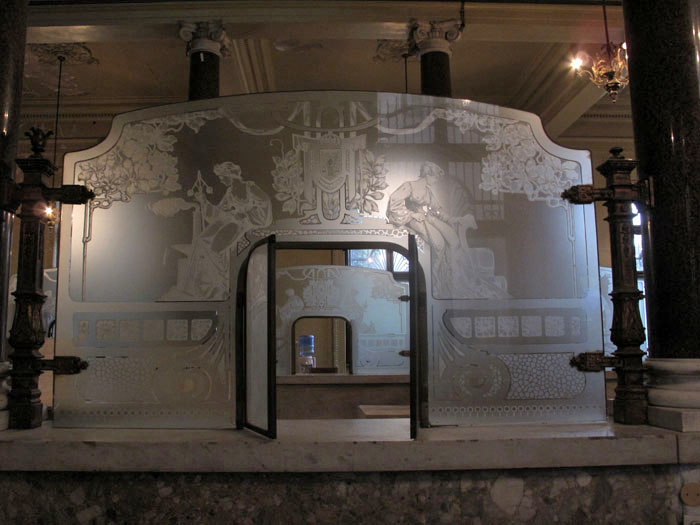
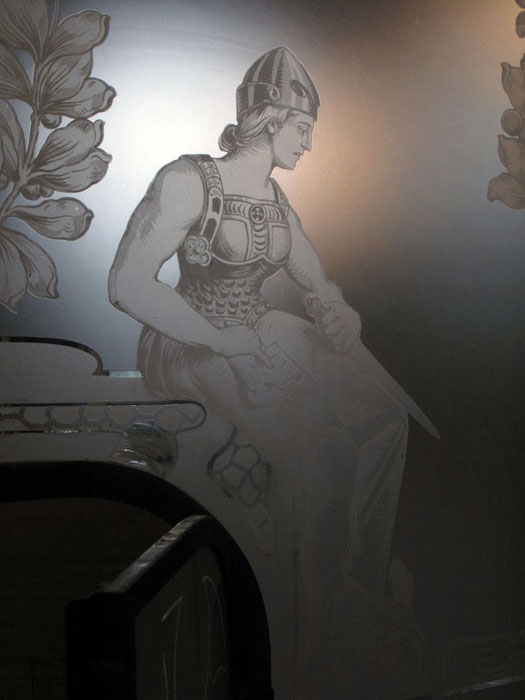
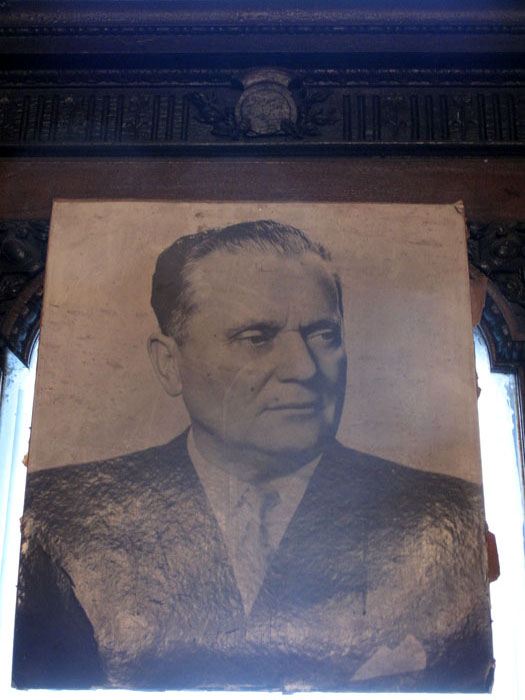
Evidence of the building’s original use can still be seen on the ground floor, where as well as solid German-made safes, the exchange counters are still in place, their  marble and finely engraved glass pristinely preserved. Elsewhere a broken clock and cupboards filled with dusty tomes tell of its time as a geological institute. A portrait of Tito adds to the feel of a vanished world -the once powerful and influential nation that was Yugoslavia.

High Line

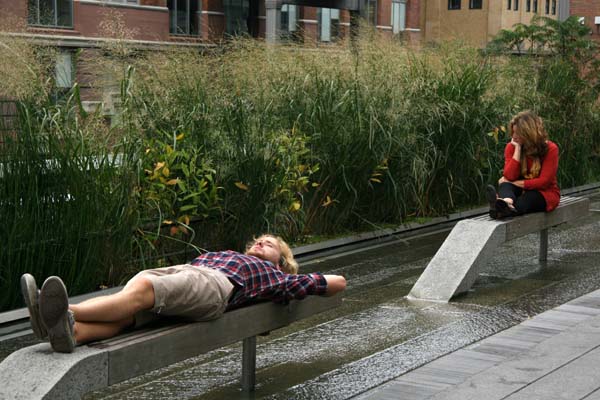
New York City isn’t the sort of place that immediately springs to mind when one thinks of walking but the city is a treasurehouse for urban exploration. Walking – with a little bit of assistance from the city’s comprehensive bus and subway system – is by far the best way to get under the skin of the ‘Big Apple’ and, to squeeze the life out of this hackneyed metaphor, who knows what you might find – pips, juicy flesh,  maybe even a worm or two?Unlike many American cities, where the assumption is that people prefer to move around in noisy mobile metal boxes, New York is a relatively pedestrian-friendly place. For a wholesome, petrochemical-free experience, there’s always Central Park, but for the past year or so there has been another traffic-free route through Manhattan’s West Side that has transformed a pre-exisiting industrial conduit to a green pedestrian byway.

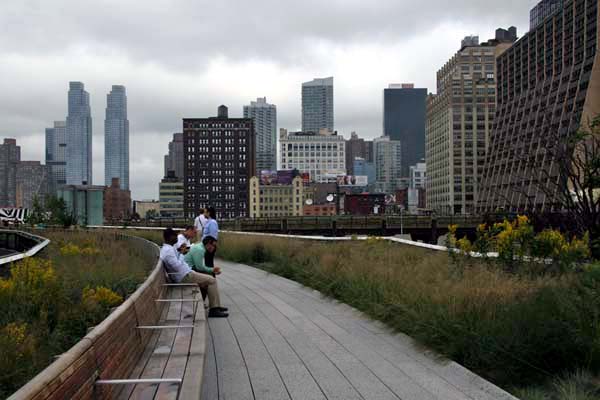
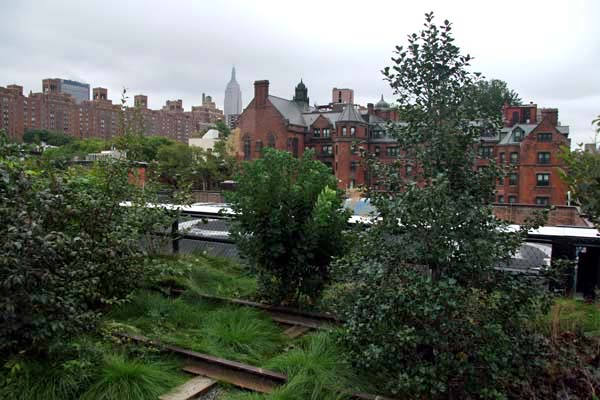
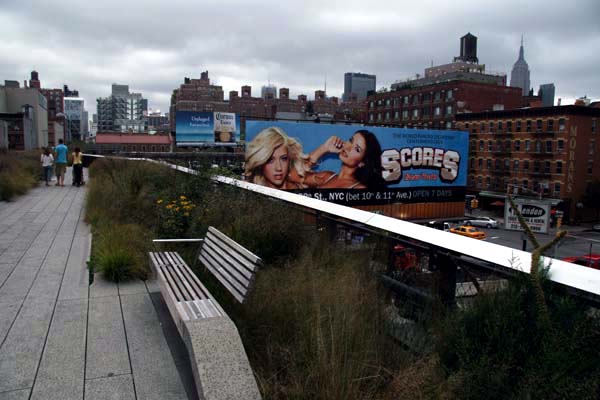
New York’s High Line, a mile and a half of raised walkway above the working class neighbourhoods of the West Side, was once part of an elevated railway that was built in the 1930s to shift goods to and from the slaughterhouses and packing plants of the Meatpacking District around Gansevoort Street. Defunct by the mid 1980s, the rail line has since been lovingly transformed into a fine green artery that links that same meaty neighbourhood with West 34th Street in Hell’s Kitchen to the north. In place of sleepers and railtracks a landscaped walkway now threads along its length, which is lined on both sides by plentiful benches and seating areas, and long leafy borders filled with grasses, perennials and shrubs. To add a bit of glamour, the Empire State Building peeks above the surrounding city roofline at regular intervals as a reminder that Midtown’s architectural bling is really not so far away.

The real beauty of the High Line is that it does not really have any specific sight to see at either end – the Meatpacking District was never a big tourist draw, although the neighbourhood is currently on the up and being gentrified faster than you can say ‘sushi bar’. Sometime in the future there will be a new American art museum built at Gansevoort Street but, for the time being, rather than any particular goal, the attraction is the High Line itself – the walking of it. What better way to take in the city than to stroll above the streets and buildings where New Yorkers actually work and play out their lives?

Technically speaking, the High Line is an urban park rather than a mere thoroughfare. Its not just for tourists but a place filled with office workers eating sandwiches and  friends taking a stroll together – native New Yorkers looking down on the streets they have known all their lives and seeing them from a fresh perspective. It is also quite remarkably crime-free.

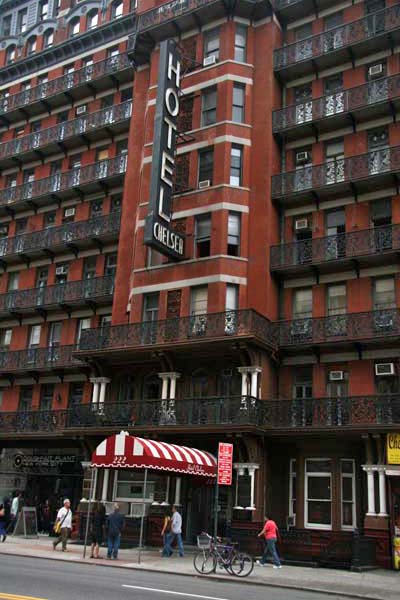
Halfway along, just south of Hell’s Kitchen, the route runs through the West Chelsea district and anyone wishing to pay homage to Sid Vicious or Dylan Thomas (who both died here), or Jack Kerouac, Bob Dylan or Joni Mitchell (who all embraced its muse), could do worse than make a short pilgrimage to visit the famous Chelsea Hotel at West 23rd Street. Sadly, the hotel has recently been bought up by a developer and is no longer open to ‘receive new guests’, so artists, writers and rock stars in search of a creative Bohemian atmosphere or a suitable venue for high-spirited shenannigans are now obliged to look elsewhere.