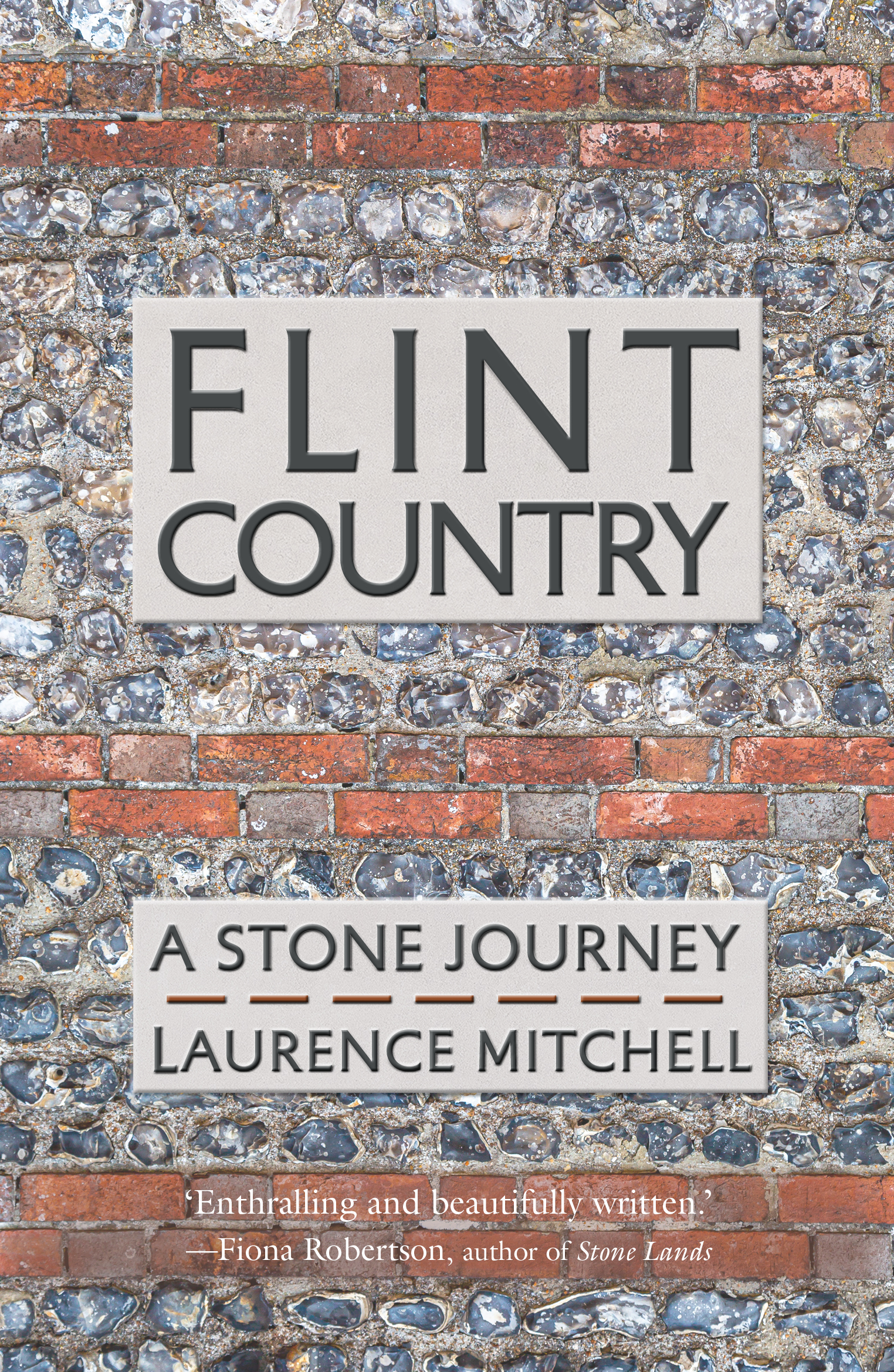
I’m delighted to announce that Flint Country has won the the General Non-Fiction category for the 2025 East Anglian Book Awards. It was up against some very worthy opposition and I am thrilled that it has been chosen by the prize committee.
The 2025 category winners are:
Biography & Memoir: Named: A Story of Names and Reclaiming Who We Are by Camilla Balshaw (Bedford Square Publishers)
Debut Novel:Silver Harvest by Daryl Fraser (Story Machine)
History & Tradition:Finding the Wayfarer: Physical, Spiritual and Poetic Survival by Emma Rose Barber (Tandem Publishing)
Poetry: Buying the Farm by Eliza O’Toole (Shearsman Books)
Fiction:Florrie: A Football Love Story by Anna Trench (Jonathan Cape)
Children’s Books:Ghost Tide by Jim Cockin (Lightning Books)
General Non-Fiction:Flint Country: A Stone Journey by Laurence Mitchell (Saraband)
We were driving home from North Wales, and it is a long way to East Anglia from there. So we were looking for a break in the journey somewhere: a place to rest overnight before A14-ing onwards to Norwich? While it might not be everybody’s destination of choice, Dudley, de facto capital of England’s Black Country, has some points in its favour, its West Midlands location midway between coasts being one of them. Besides, I wanted to have a look at Wren’s Nest, the geopark on the town outskirts, where all manner of weird and wonderful fossils from the Silurian period might be found.
I had been here before, several years earlier, a brief stop on a coast to coast pilgrimage that I wrote about in my book Westering. Back then I had passed through Dudley as I traced my way through the Birmingham – Black Country conurbation by way of its extensive canal network; an interesting route, although Venice didn’t spring very much to mind as I traipsed westwards through a decayed, post-industrial landscape.
I wrote then:
I arrived at a large, five-way roundabout and a dual-carriageway, which I followed further uphill towards Dudley Castle, which I could see, noble but not entirely fairytale, flying its flag on top of the hill ahead. The next roundabout held several large, Black Country-themed sculptures: a steel crucible, bronze cannon, heraldic lion and medieval plough. It looked as if Dudley was doing its best to make the most of its industrial heritage. I wanted to take a closer look but was stuck on the wrong side of the dual carriageway with no safe means of crossing. Eventually, I spotted a footbridge ahead that conveniently led me straight to Dudley’s bus station at the foot of Castle Hill, an outcrop of the Wenlock Group limestone that had played a significant part in the town’s industrial development.
This time, coming from Wales by way of Shrewsbury and Telford, we came upon this same roundabout as we were driving around looking for the hotel we had booked for the night. Travelodge found, and bags deposited, we went off in search of food and drink. A peremptory Google search of the vicinity revealed a pub close to the castle that might be a possibility but when we arrived at the Fellows things didn’t look very promising. A tribute singer was belting out a cover of Red Red Wine by UB40 at deafening volume and the courtyard was packed with smokers who were intent on avoiding the aural onslaught inside. Besides, it was Sunday evening and the availability of lunchtime roasts had been and gone. It looked as if we would have to try elsewhere.
On the way up to the Fellows we had passed an even more unpromising establishment on Castle Hill, a single-roomed place that called itself the Star Bar, which resembled more a garage lock-up than a place for food and drink, although the former was clearly available as boisterous yam yam* voices echoed from behind it half-closed metal portal. Also on Castle Hill was a once-splendid Art Deco cinema that now served as a Jehovah’s Witness Kingdom Hall. Next door, a Tudor Gothic pile had similarly been converted to serve as a place of worship for the town’s Muslim community: Dudley Central Mosque. The building, I found out later, was Grade II-listed and had once been a school.
* yam yam = Black Country dialect
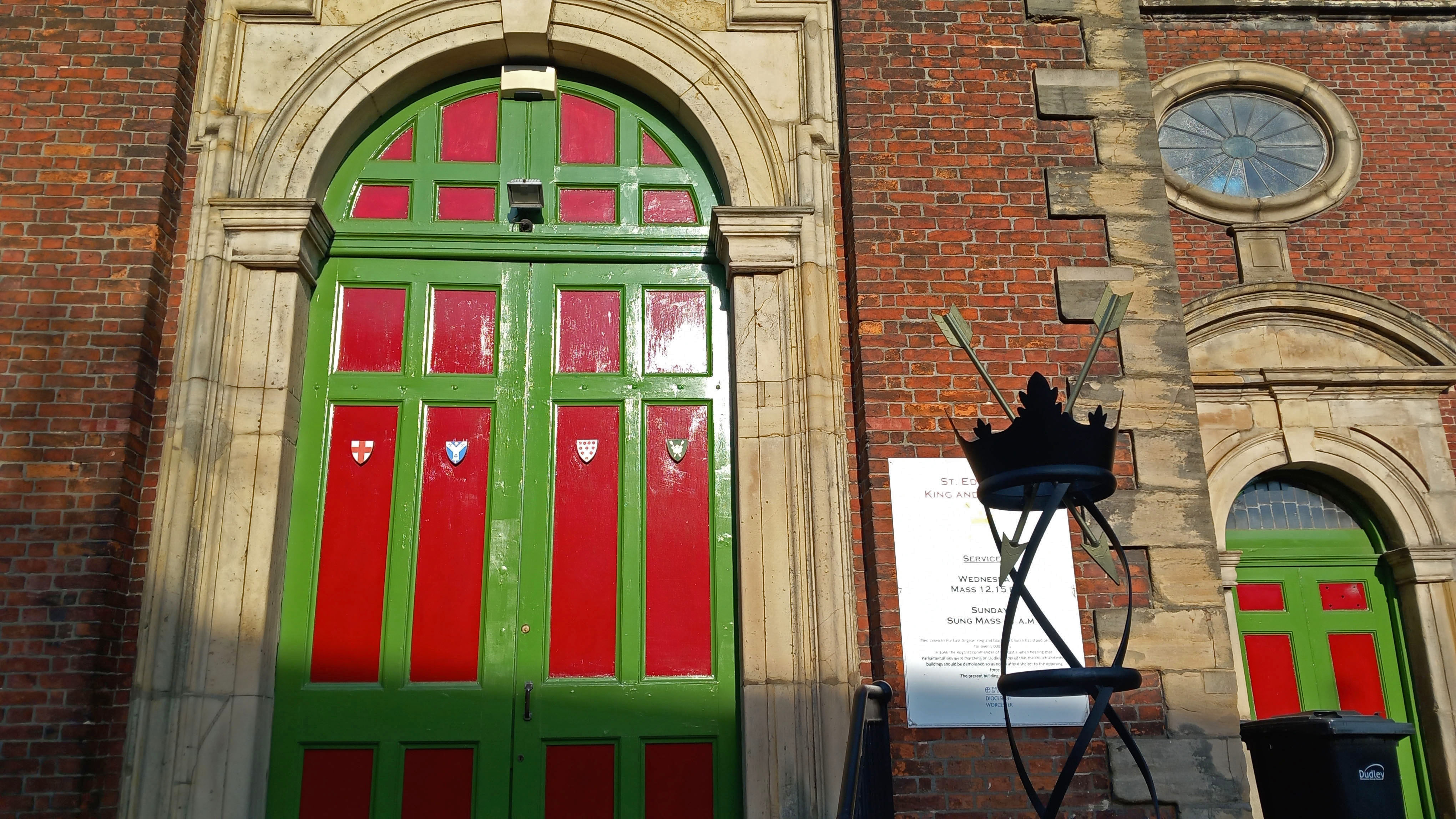
Across the road from the Fellows, a grand statue of the First Earl of Dudley stood at the top of the town’s pedestrianised shopping zone and market place. A little further on we passed St Edmund’s Church, an 18th-century replacement of earlier place of worship of Anglo-Saxon origin destroyed in the Civil War. To symbolise its dedication, twin crowns and the arrows of the saint’s martyrdom were on display in front of the church entrance.
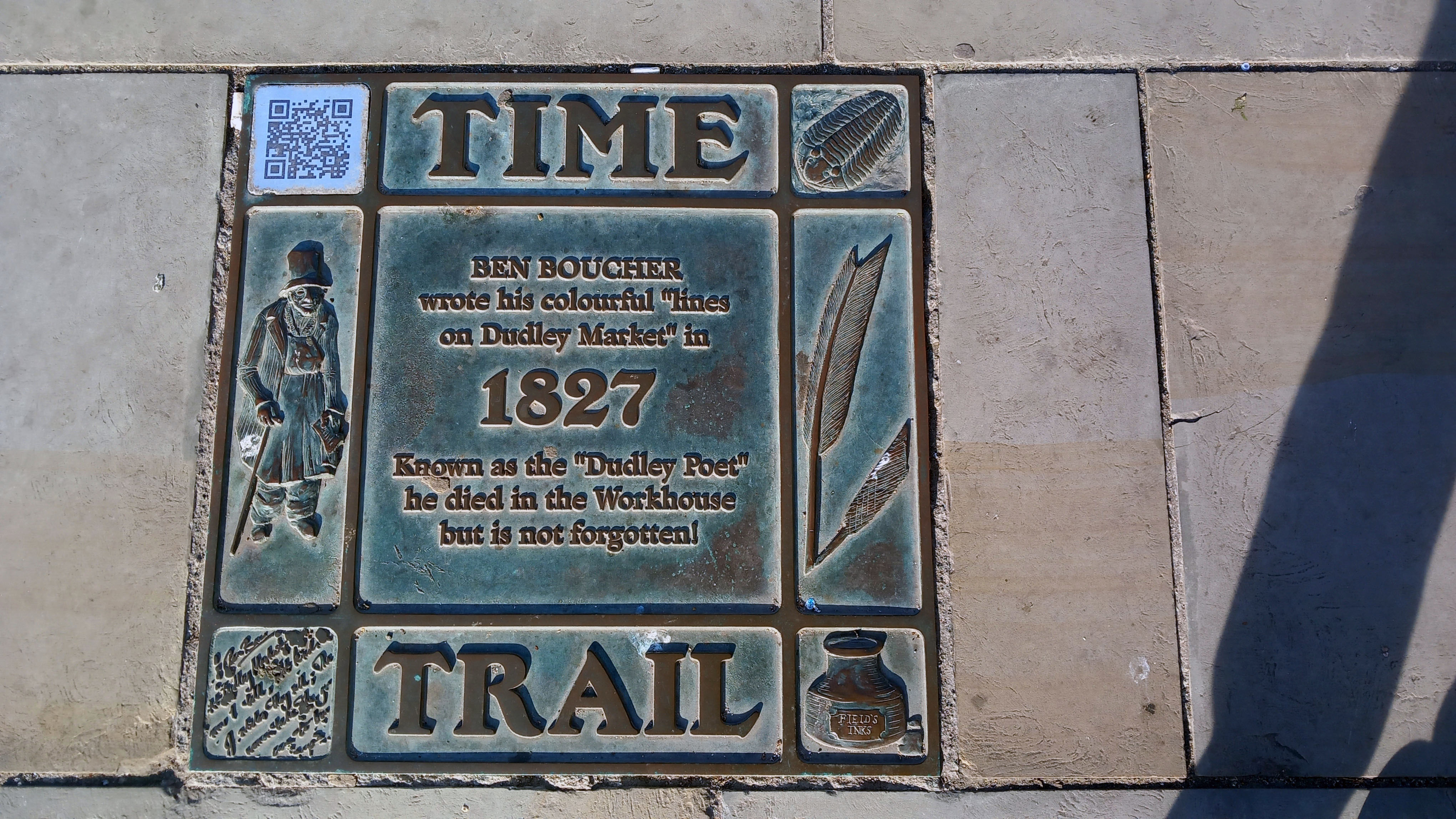
This being Sunday evening, the area was largely deserted; its market stalls locked up, although some of the shop fronts gave the impression of having been closed up for some time. There were several interesting statues scattered about to restore some sense of civic pride. Most notable of these was that of local football hero Duncan Edwards. Born in Dudley in 1936, Edwards had been a Manchester United ‘Busby Babe’ and highly respected England defender before dying tragically, aged just 21, from injuries sustained in the 1958 Munich Air Disaster. Further down, just beyond the market place, was a life-size bronze statue of a top-hatted Victorian gentleman sitting on a bench: the poet Ben Boucher (1769 – 1851), who wrote ‘Lines on Dudley Market’, some of which were etched into the curved Portland stone bench. While Boucher lived a much longer life than the unfortunate footballer, the Dudley Poet’s own sad fate was to end up impoverished in the town workhouse.
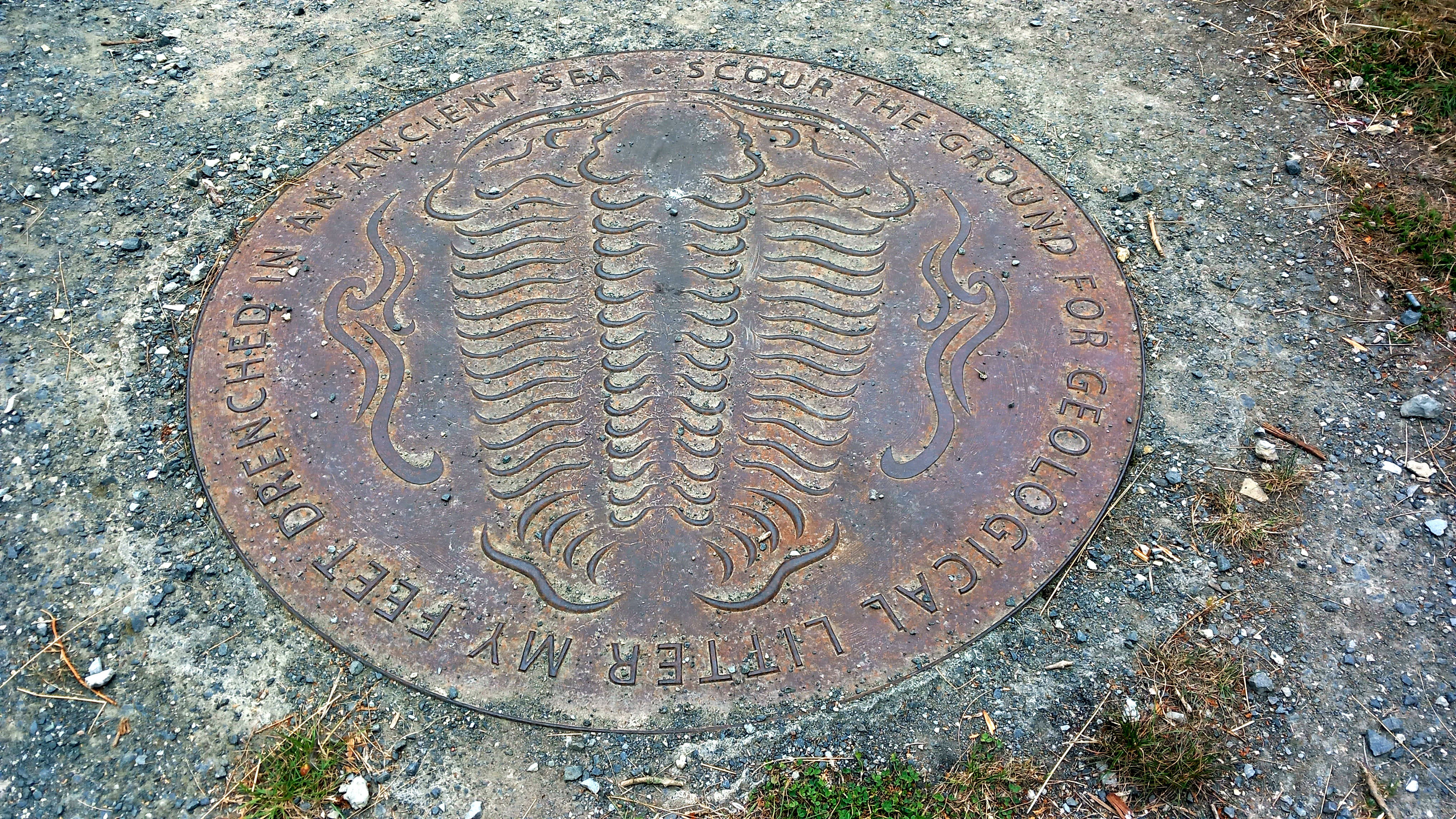
This brief glimpse of the town centre reinforced the impression I had taken from my previous visit: one of decline and closure, one of faded glory. The re-purposing of grand old buildings; the closure of town centre shops and department stores – out-competed ever since the opening of Merry Hill Shopping Centre at nearby Brierley Hill towards the end of the last century. Counter to this sense of decline were the upbeat Town Trail pavement plaques that told with pride the town’s unique geological and industrial history. It was here in the Black Country that the Industrial Revolution had originated and then swiftly gained momentum in the late 18th century. A serendipitous convergence of factors had come into play. The area had all the necessary raw materials – coal, limestone and iron ore. It had – or, rather, soon acquired – the labour, skills and engineering talent. It also had the means of distribution – canals, and later railways. It could even be argued that the Anthropocene – the recent epoch in which human activity has been the dominant factor in changing the world around us – began hereabouts. I touch upon this in the final chapter of my recent book Flint Country, where I write:
The precise date of its onset remains a matter of debate. James Lovecock, originator of the Gaia concept, claims that the Anthropocene started with the Industrial Revolution in the early nineteenth century, the period in modern history when the use of fossil fuels for manufacturing and transport got fully underway. Fine-tuning this connection between the dominance of human influence and technological progress, it could even be said that the Anthropocene began with the invention of Thomas Newcomen’s steam-powered pump, a machine first used to remove water from a coal mine near Dudley in the English Black Country in 1712.
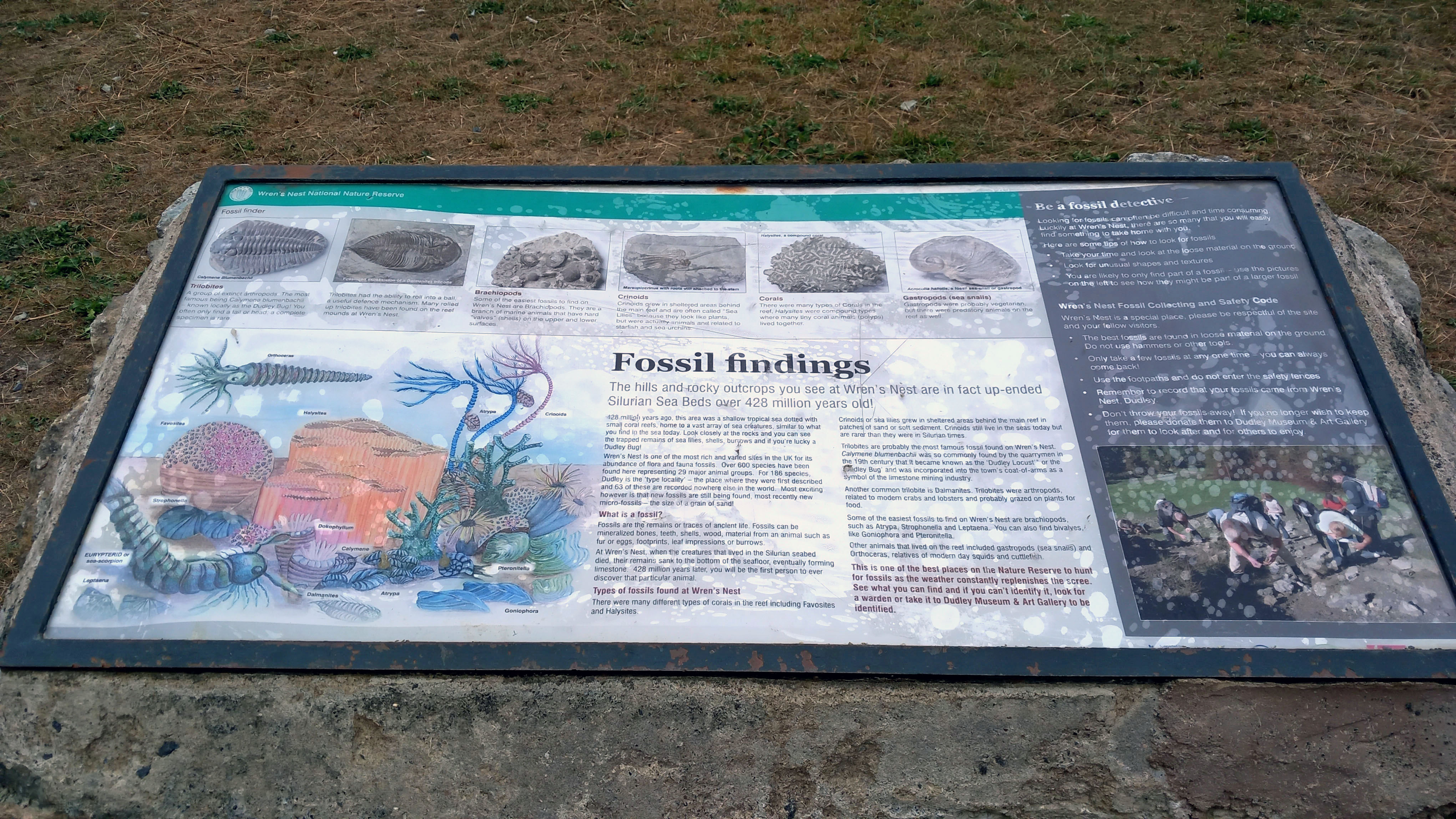
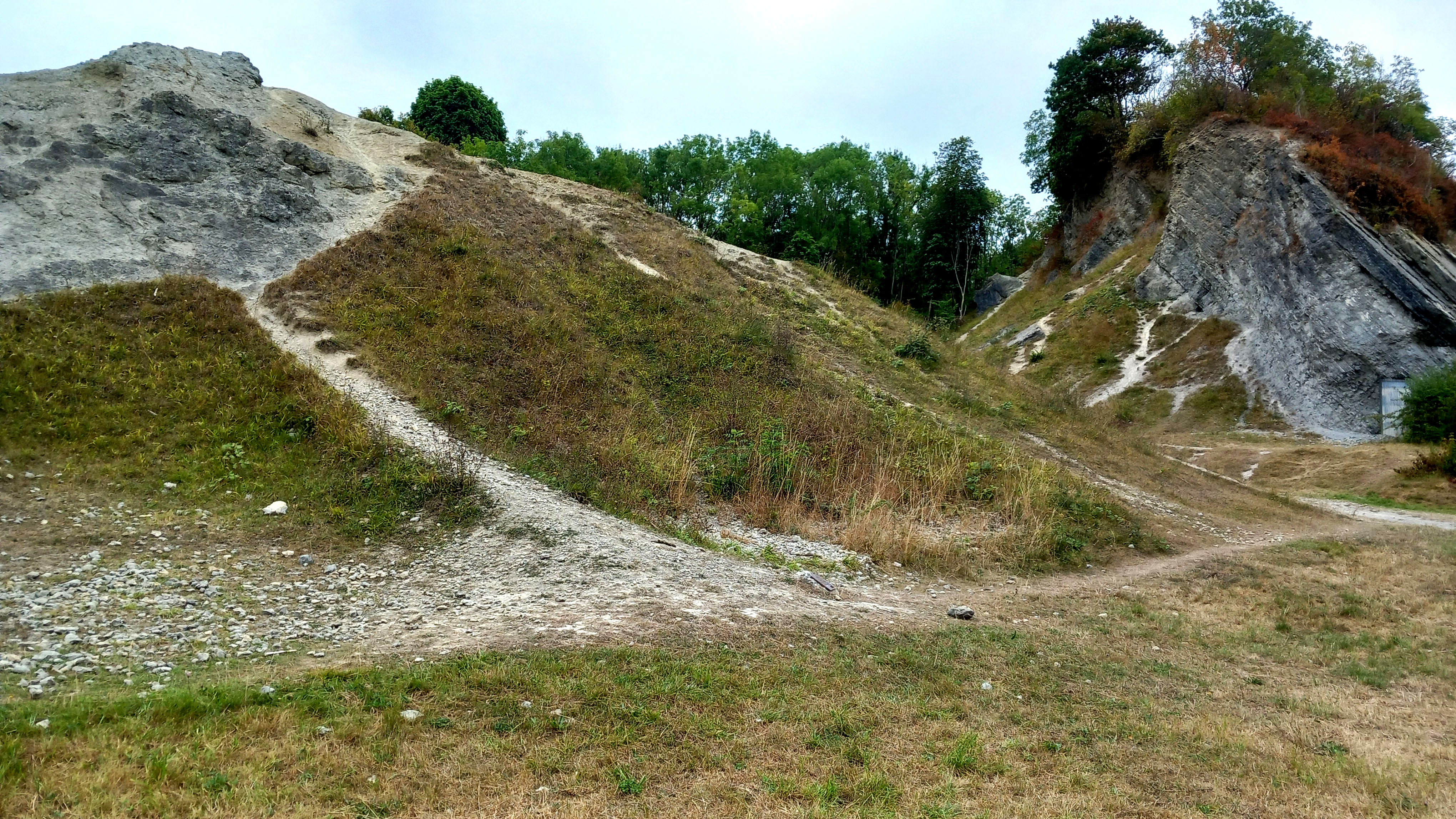
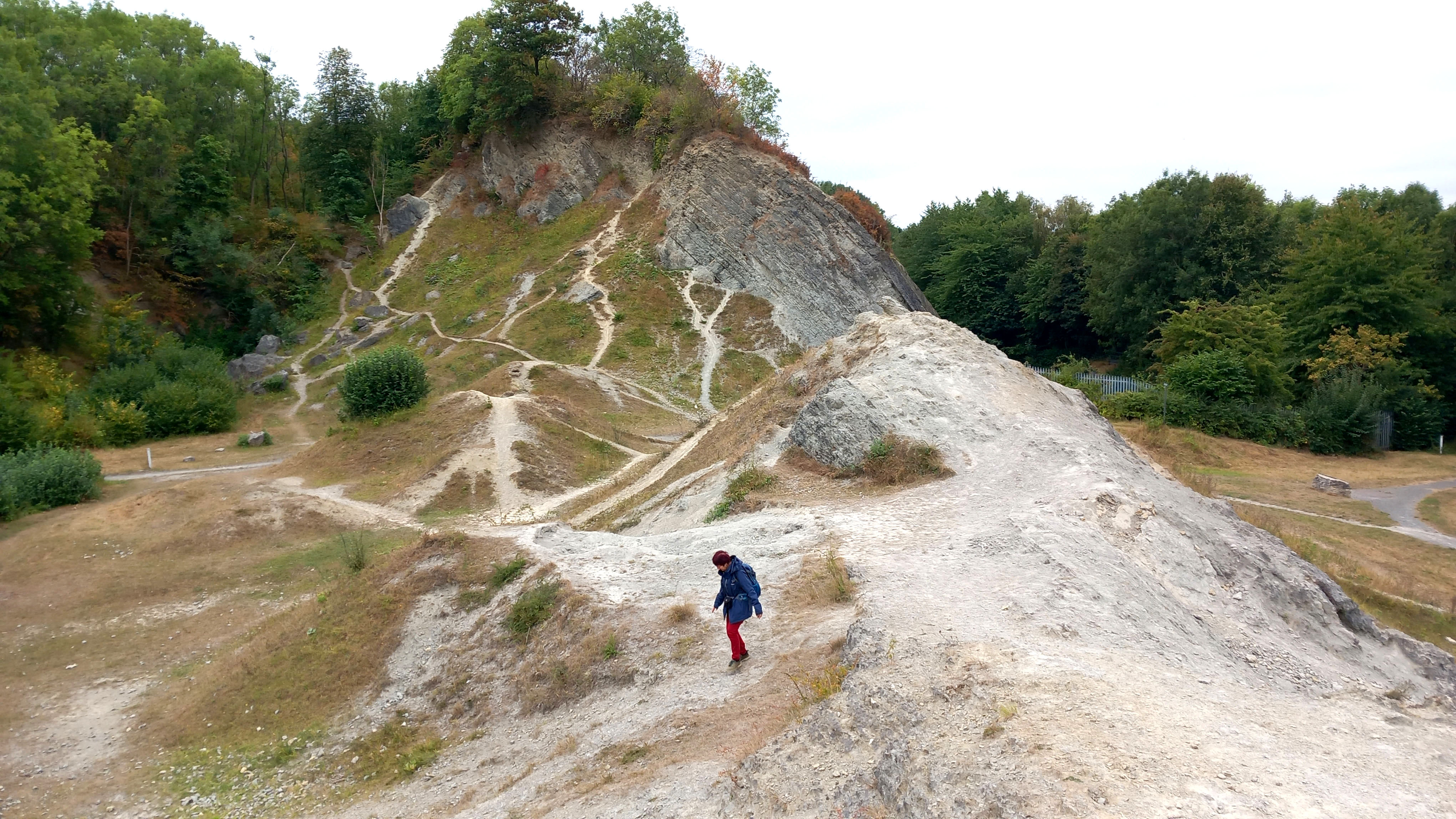
Next morning we made our way to Wren’s Nest, where I noticed that the suburban streets approaching the site had pleasingly apposite names like Silurian Mews and Fossil View. It was a grey, overcast, not-very-warm-for-August sort of day, and the site was fairly quiet apart from a couple of dog-walkers and kids on bikes. At the entrance, an information board gave us the lowdown on the site’s remarkable geological pedigree. Wren’s Nest is effectively a 428 million-year-old tropical seabed that was once covered by coral reefs and uplifted within the Much Wenlock limestone that gifted this region its industrial resources.
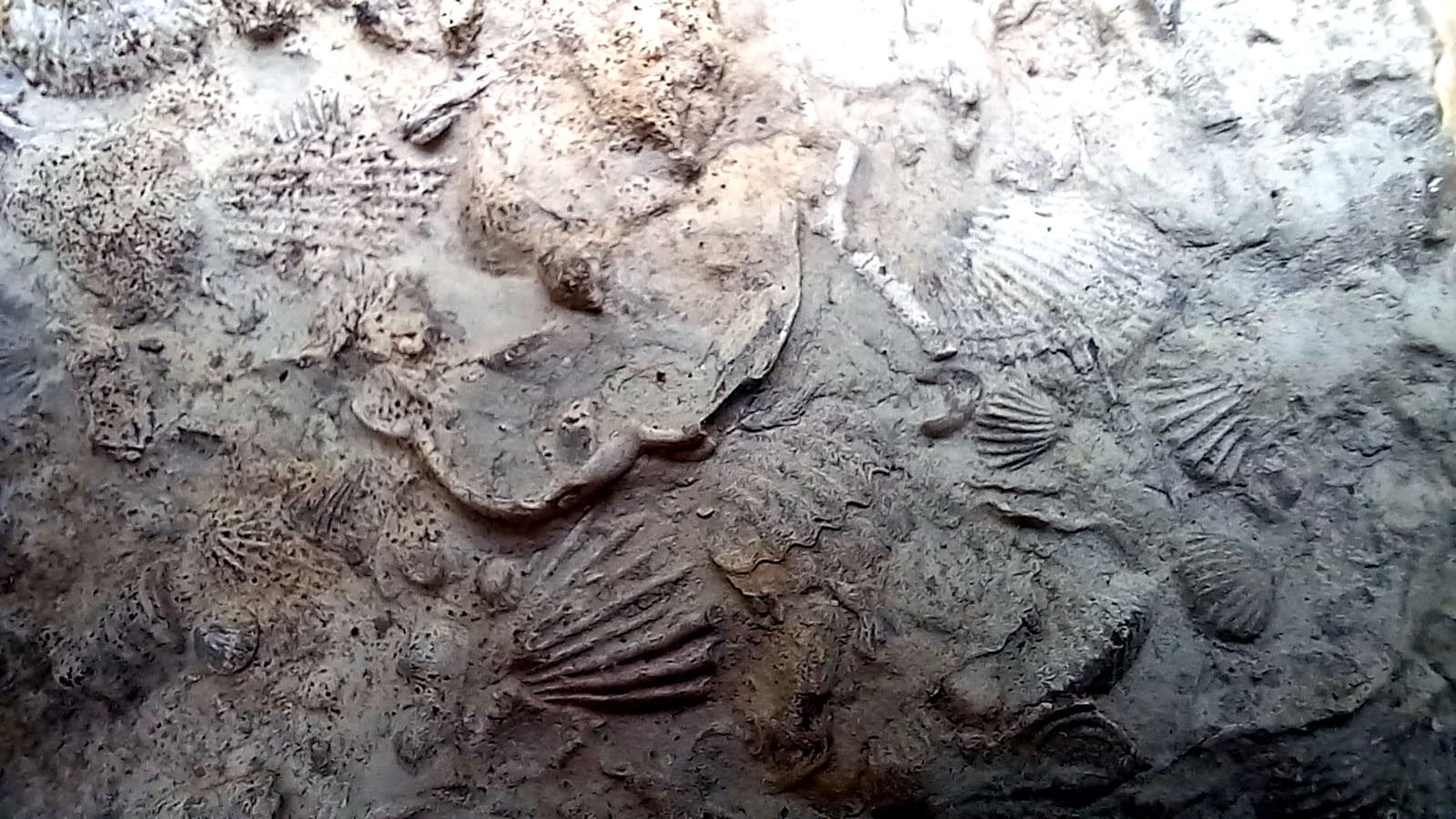
The prize fossil here is a species of trilobite, Calymene bumenbachii, known colloquially as the ‘Dudley Bug’, which looks like a scarily, super-sized woodlice, although it is more closely related to modern day crabs. To find one of these would have made me very happy but they proved to be elusive. What I did find after an hour and a half of turning over scree were several bits of coral and all manner of fossilised brachiopod shells. Best of all was a small flat piece of rock embedded with dozens of tiny shells: a fragment of ancient sea floor that revealed a microcosm of life 428 million years ago, a time when the existing continents were yet to separate and the territory of what would become the British Isles lay south of the Equator. To contemplate such scales of time and distance takes the breath away. William Blake wrote of seeing ‘the world in a grain of sand’. Here you could see a long-vanished world in a small piece of rock.
We left the car park and drove northeast through Tipton and Wednesbury to reach the M6 with its relentless parade of thundering traffic. It was a timely reminder that we were now firmly back in the age of man and machine, the Anthropocene. In comparison with the aeons that had passed since the fossils of Wren’s Nest were deposited at the bottom of a tropical ocean, the 19th-century heyday of the Industrial Revolution in the Black Country with its smoke, red-sky furnaces and metal-clanging workshops was as if just yesterday.
Of all London’s lost rivers it is the Walbrook that is the most irrefutably lost: lost to time, lost to place… well, almost. An important source of water in Roman times, when its banks were lined with the workshops of Roman industry – tanneries, potteries and glass workshops – the river has not been visible on the surface since the 15th century when the last open sections were vaulted over. Ghosting the boundary of Roman London, its confluence with the Thames lay close to what is now Cannon Street Station Bridge. Where the Walbrook began is less certain, although what is clear is that its course flowed between the City of London’s two principle hills – Ludgate and Cornhill. Some say its source was a spring close to what is now Shoreditch High Street, while others point to higher ground at Islington.
Lost to time, perhaps, but there clues to place – in street names, in signs, in places of worship, in the Roman street plan. The walking route tracing the Walbrook’s course that I describe here is faithful to that given in Tom Bolton’s excellent London’s Lost Rivers: a Walker’s Guide Volume 1.
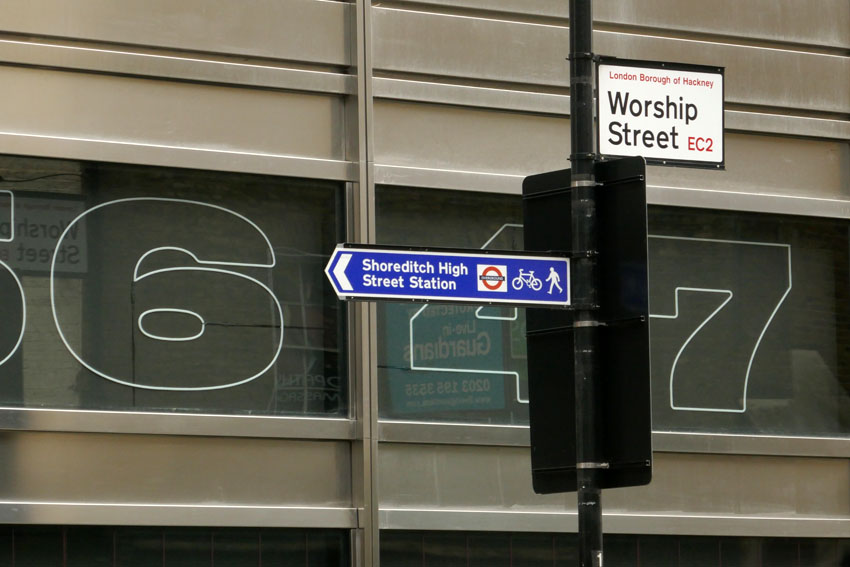
I begin on Curtain Road that runs south from Shoreditch. Holywell Road that abuts it to the east is an intimation of the location of the aforementioned spring. Curtain Street leads to Appold Street and through Broadgate Circle, an upmarket shopping and leisure hub that until 1984 served as a railway station and which was formerly a burial ground for the Bethlehem Royal Hospital, better known as Bedlam. It also served as a mass grave for victims of the various bubonic plague outbreaks in pre-Fire London – grim, no doubt, but dig down almost anywhere in central London and you will find human bones sooner or later. The River Walbrook would have passed through here before flowing along what is now Bloomfield Street to reach the Roman-built London Wall, which served as the boundary of the City until the 18th century. The Walbrook is believed to have flowed through a hole in the wall at an aqueduct close to where Bloomfield Street meets the Wall.
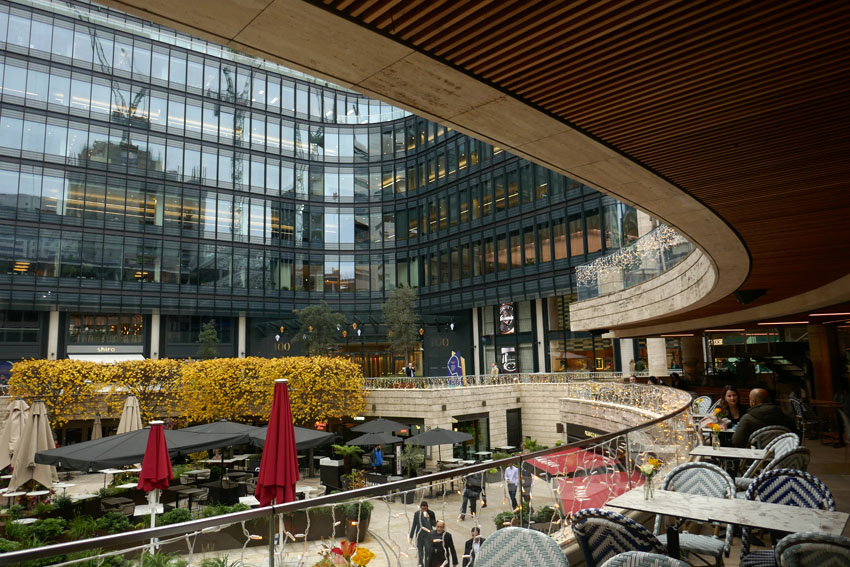
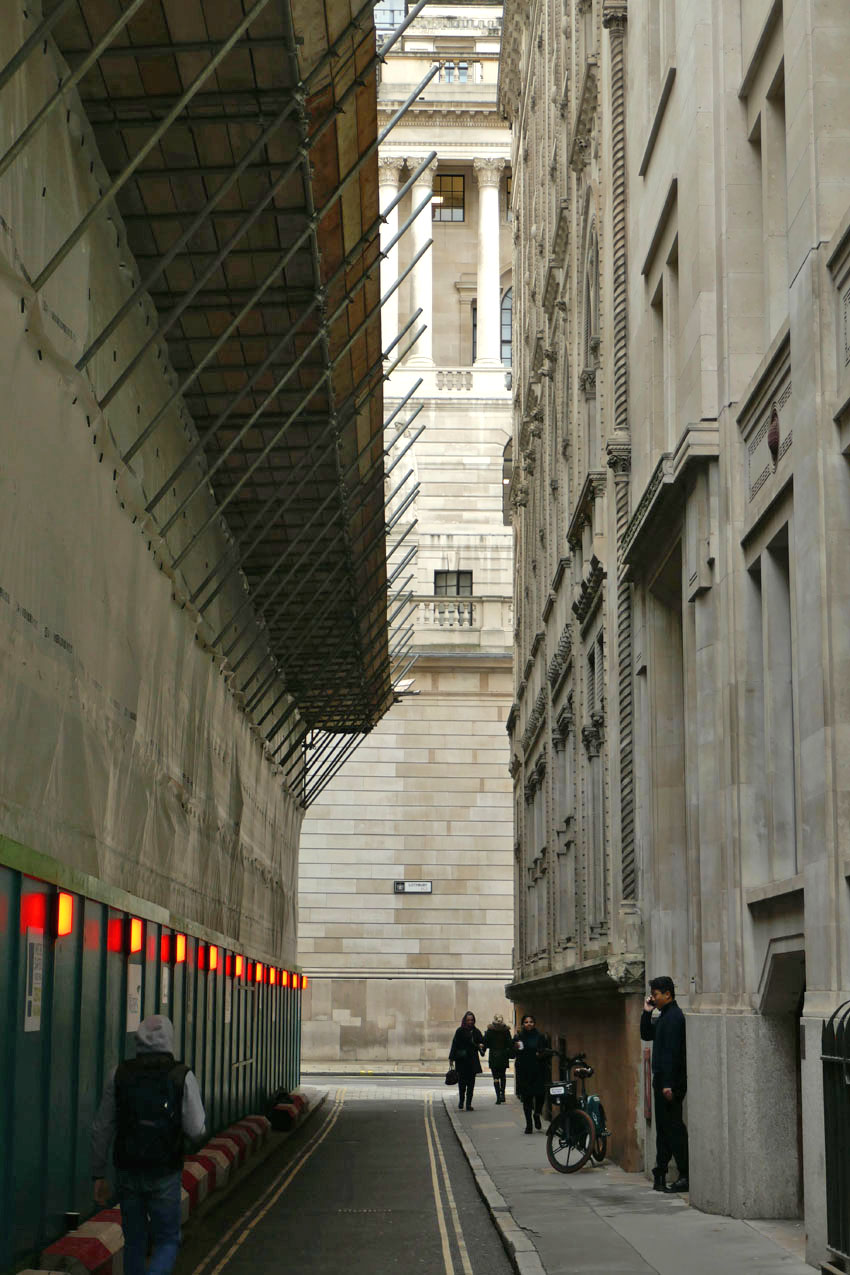
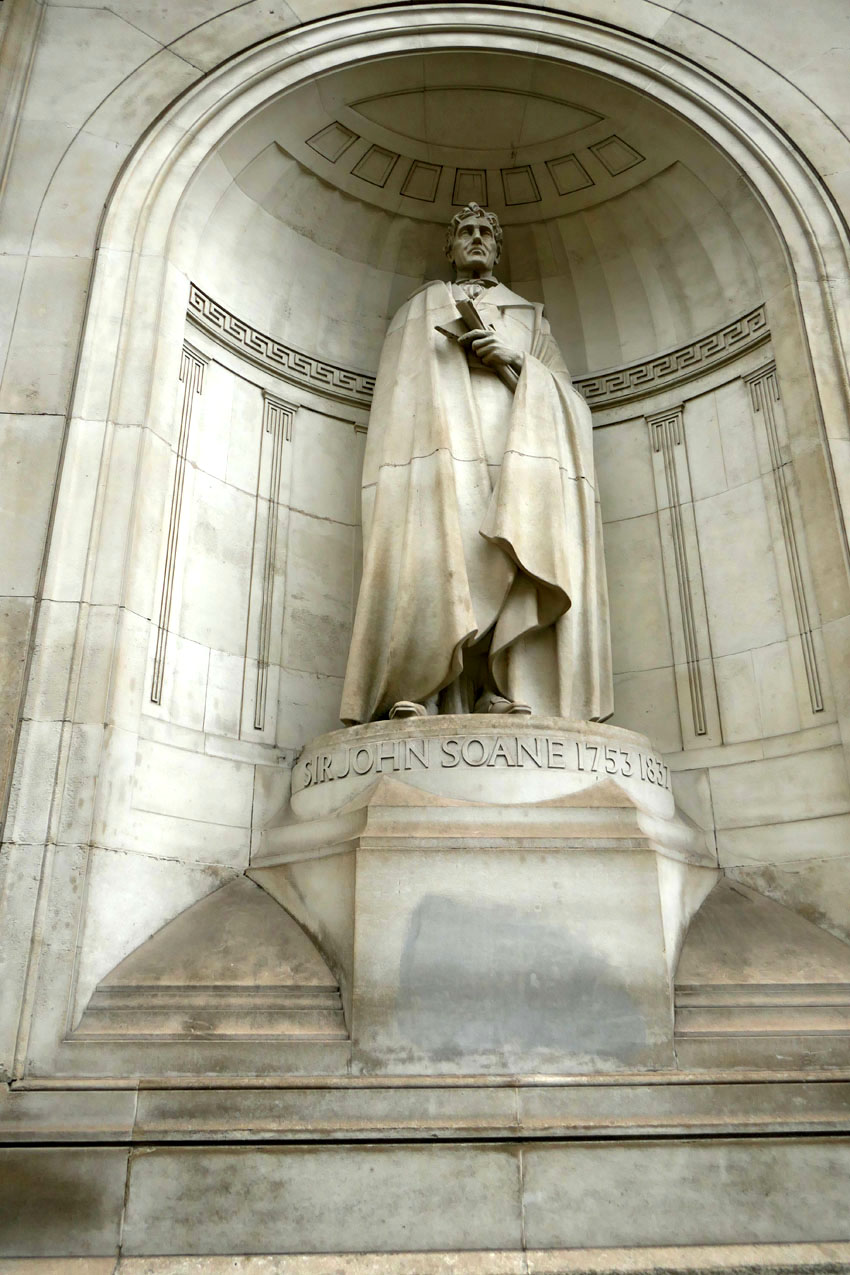
Channelling the disappeared river, I pass through elegant iron gates of the Wall into Throckmorton Avenue, then turn right and left into an alleyway opposite a barber’s shop that seems incongruous amidst all this high-rise estate of capital. But even financiers need to be shaved and shorn occasionally – sharp haircuts and a regular supply of barista coffee are the basic necessities of life in the City. The alleyway leads into to the narrow passageway of Tokenhouse Yard, at the end of which is the reflected light of the north wall of the Bank of England, the building’s Portland stone preternaturally aglow in the gloom of an overcast November day. The magnetic pull of capital here is almost spiritual: money buys, Jesus saves, sinners spend. Sir John Soane, the Bank of England architect, surveys the scene from his statue recessed high into the wall, while the ghost of the river traverses beneath the building, symbolically moistening – perhaps laundering – the horded lucre in the vaults beneath.
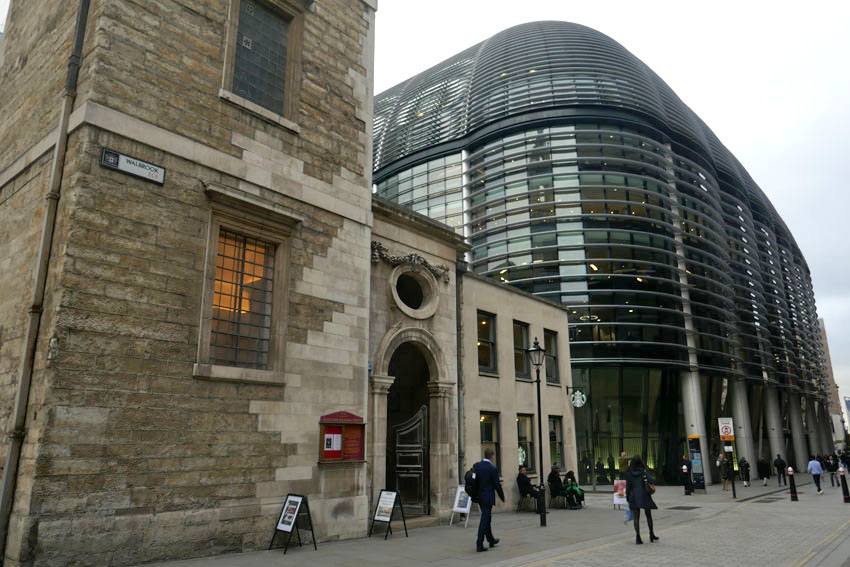
Riverwards, beyond the Bank, lies the Church of St Stephen’s Walbrook and a street of the same name. The elusive river is acknowledged at last. The church, originally situated on the bank of the Thames, was moved here in the 14th century. The Walbrook would have flowed just west of here. The street is dominated by the block-length, Norman Foster-designed Bloomberg building, which has an undulating profile that hints at the vanished river. On its ground floor, an etched glass door leads into the London Mithraeum, a museum dedicated to the Mithras temple that once stood on the banks of the Walbrook nearby. A place where Mithras and Bacchus were once worshipped by Roman soldiers, Mammon has since taken over as chief deity on this patch of expensive real estate.
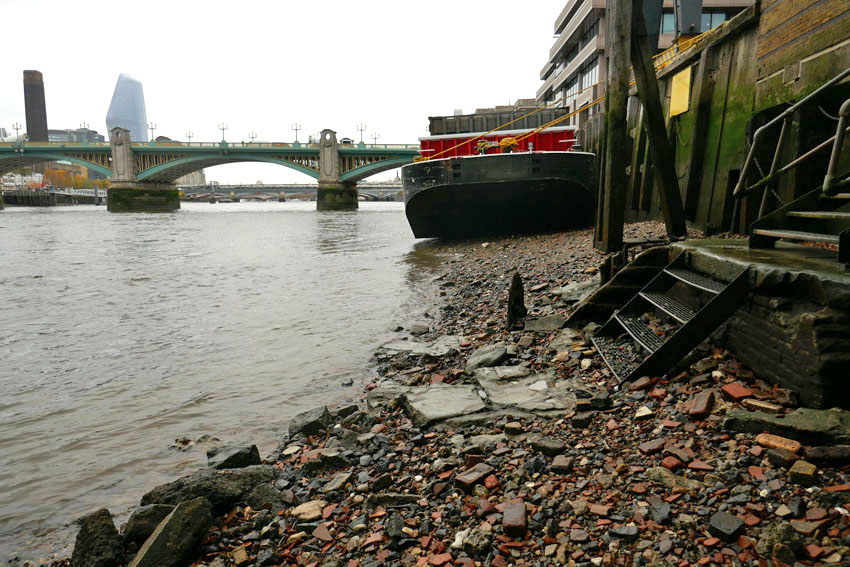
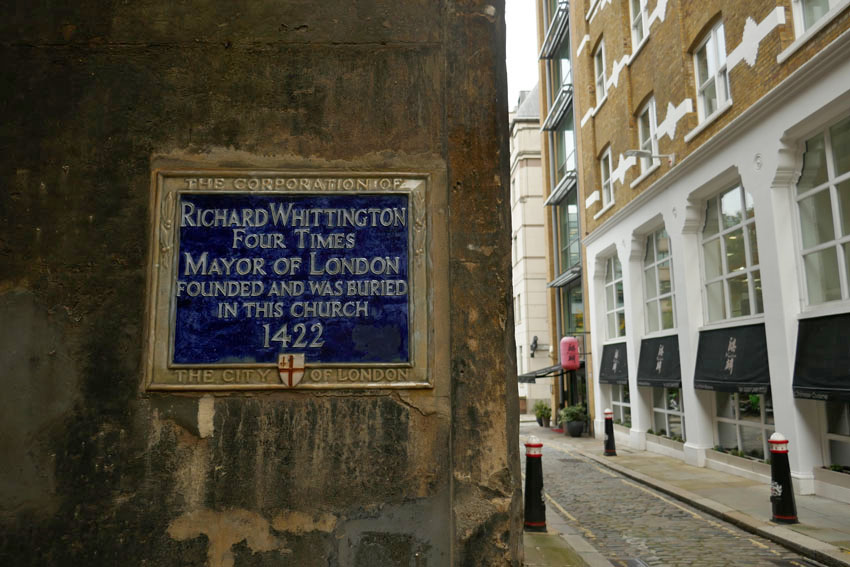
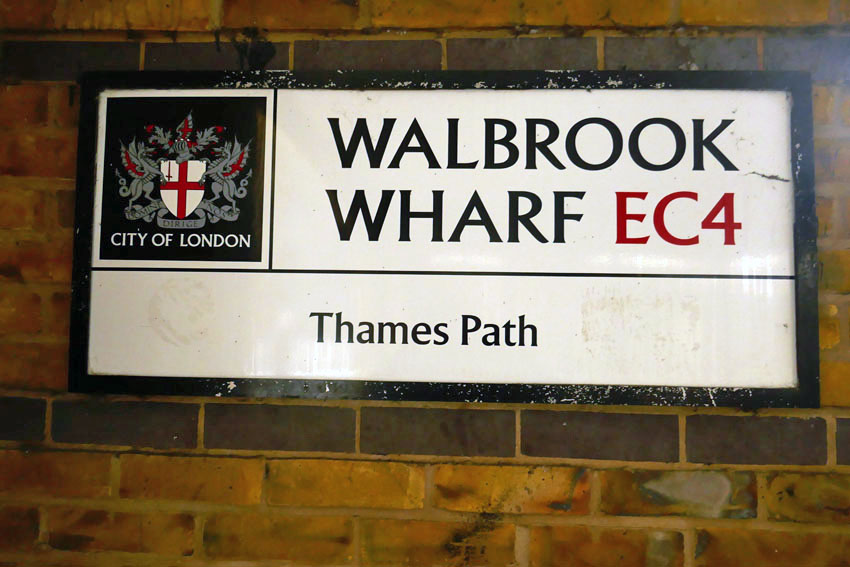
Just south of here, within sight of Cannon Street Station, is the Church of St Michael Paternoster Royal. Alongside are Whittington Gardens, named after the famous cat-loving, four-time Lord Mayor of the city who is buried here. This was the original location of confluence of the Walbrook with the Thames – the mighty river has shifted south in the two millennia that has passed since Roman times. Upper Thames Street now flows with traffic where once the tidal river lapped. The modern confluence, theoretical as it may be, lies not far away along Cousin Lane, a narrow street that traces the long wall of Cannon Street Station down to the railway bridge over the Thames. Here there is a pub and steps leading down to the water. There is also a river path that leads west along Walbrook Wharf, where black barges lie tilted on the shore awaiting the incoming tide.
The tide is out and so I descend to the beach, which is covered with assorted pebbles, water-blunted bricks and a few rusted scraps of iron. Scattered among the pebbles, a small piece of pottery reveals itself at my feet – curved, brown; reassuringly rustic. Roman? Who knows, probably not, but somehow it feels right. A votive offering – it marks the place where London began.
In the past I have chosen a rural walk to celebrate the turning of the year; this year though, I have opted for something more urban. Together with my friend, Nigel Roberts, I continued along the route we had both been following for some time: London’s Capital Ring. For this midwinter walk it would be the moderately hilly stretch that lies between Greenford and South Kenton in London’s northwest outer suburbs.
We convene at the small coffee bar at Greenford Underground station. The low winter sun is unseasonably bright in our faces, intense enough to require squinting. Light counts for everything at this time of year. Setting off under the railway arches we walk past the appropriately named Rising Sun pub and the entrance to a massive retail park. Soon, we reach the path that will take us up Horsenden Hill. The hill is one of the highest points in north London, and even halfway up the slope the view opens up to the west in the direction of Heathrow, an aerial procession of slowly descending aircraft confirming the hill’s location on the approach flight path.
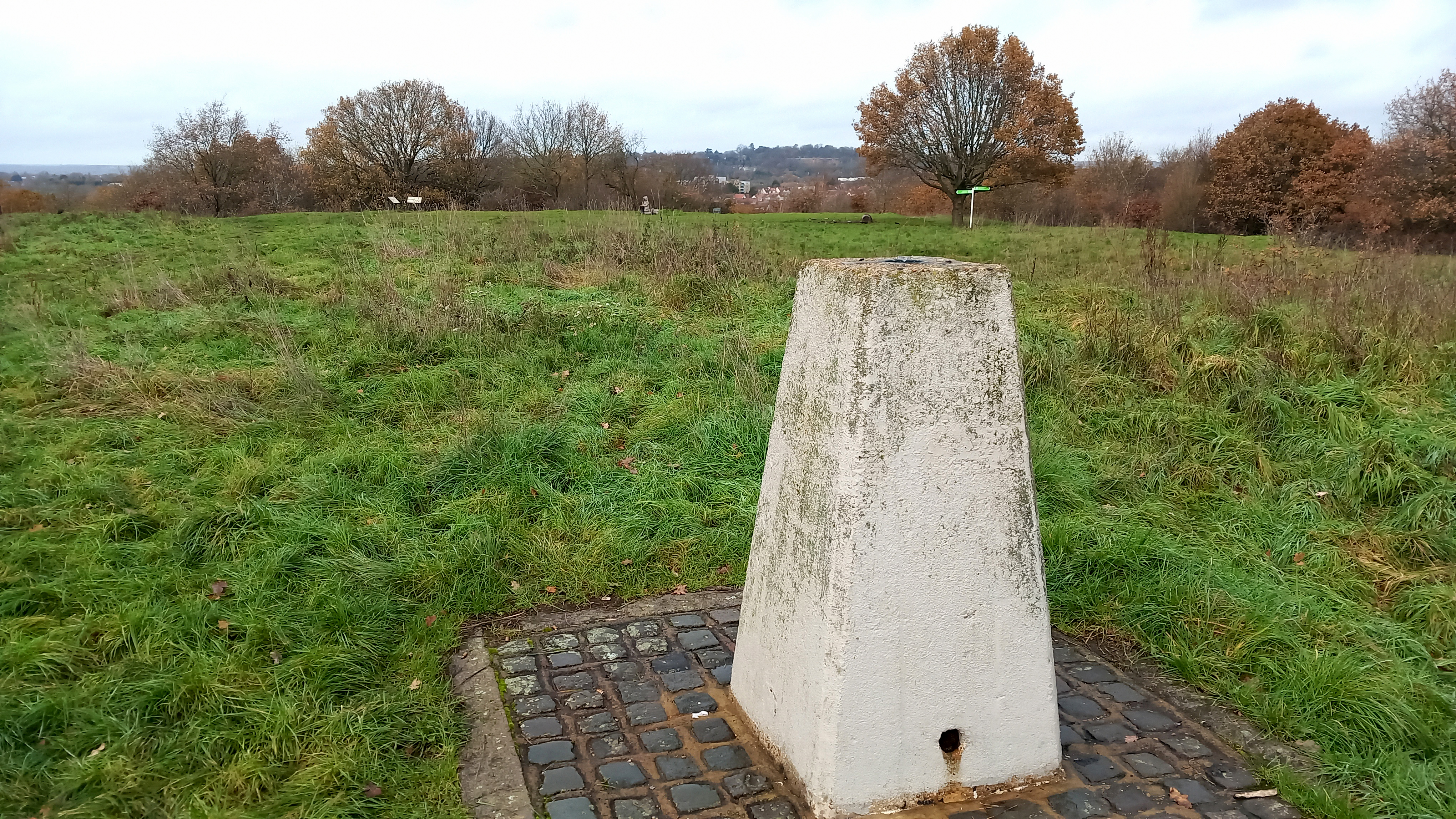
The hill was once an Iron Age settlement, and before this it was sometimes frequented by Neolithic flint knappers. The summit is furnished with a concrete trig point and a few benches – most have the seat part absent, rotted away or stolen for firewood. Up here, it is countryside quiet with no hint of city clamour although we do come across a few fellow wanderers: the men we see are mostly seated alone on benches with a can of lager in hand; the women, in contrast, tend to be walking purposefully, avoiding eye contact as they stride ahead. Who can blame them? Lone figures in the landscape engender a sense of melancholia and it is easy to assume that these are people with the weight of the world on their shoulders. But I know that when I am out walking on my own a casual observer may well think the same about me. The truth is: I enjoy walking alone sometimes; it is a pleasure, however it might appear.
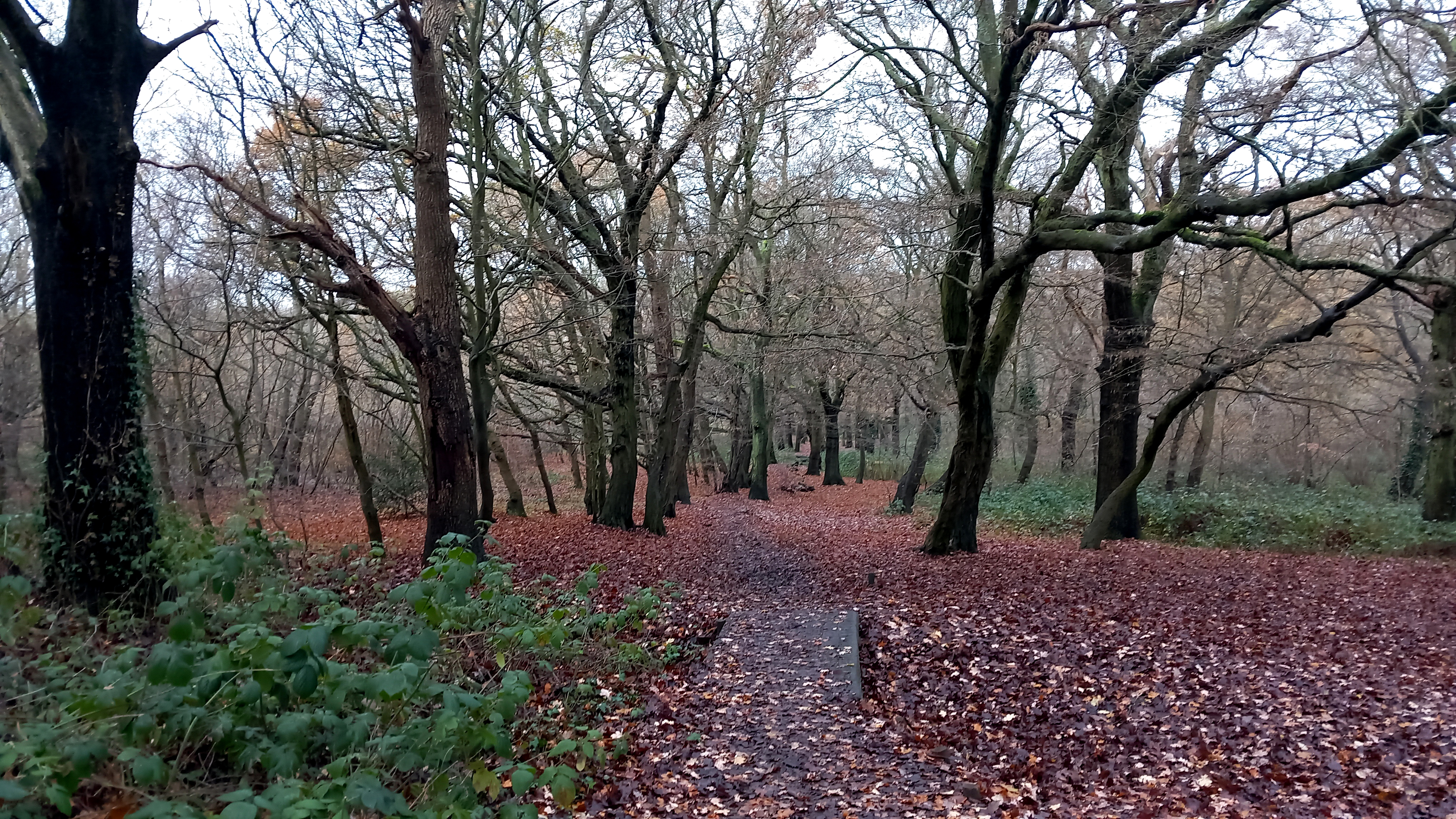
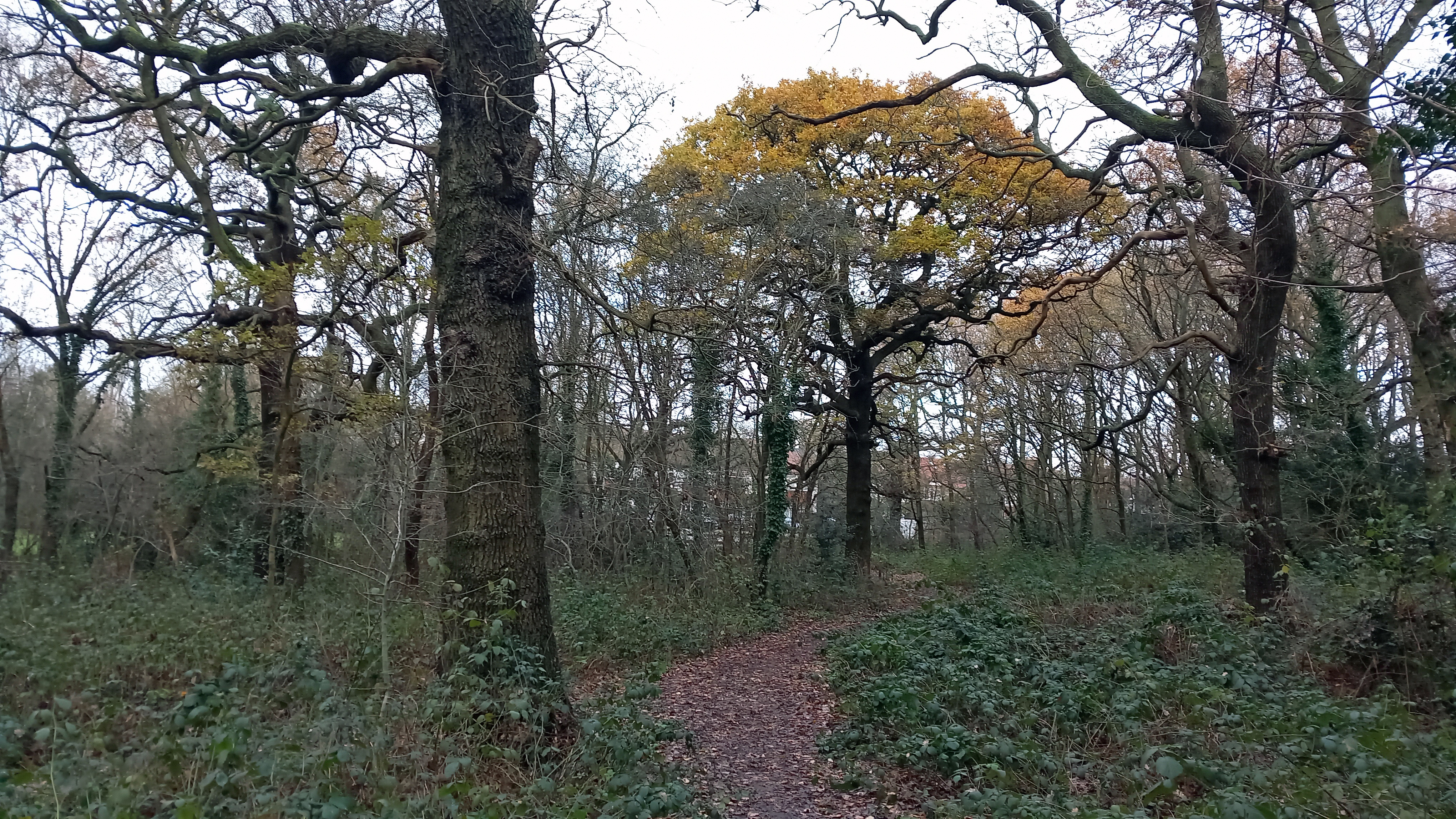
The path leads us downhill through woods of oak and beech. Parakeets screech in the branches overhead. The birds are ubiquitous now and certainly, within the orbit of London’s suburbs, they are rarely out of sight or earshot. I had seen my first of the day hours earlier whilst entraining to London that morning, a sleek green figure that swooped over the carriage as we passed over the M25 on our way to Liverpool Street. Parakeets, corvids – magpies, crows, jackdaws – woodpigeons: these are the birds that have taken over the green spaces of the capital. Small birds have been chased away to find sanctuary in suburban gardens. It comes as a relief to hear the passive-aggressive song of a robin holding firmly to its territory.
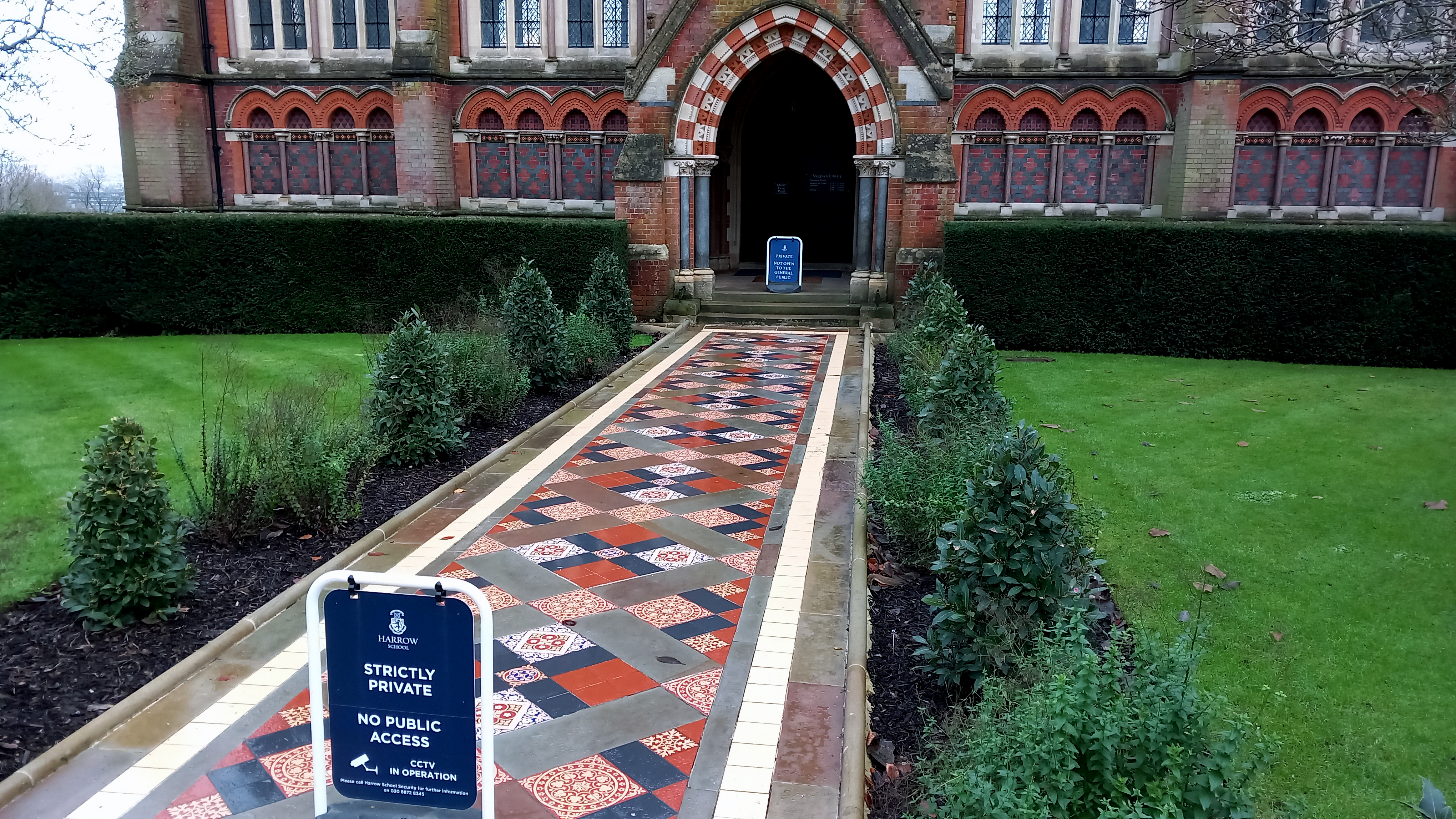
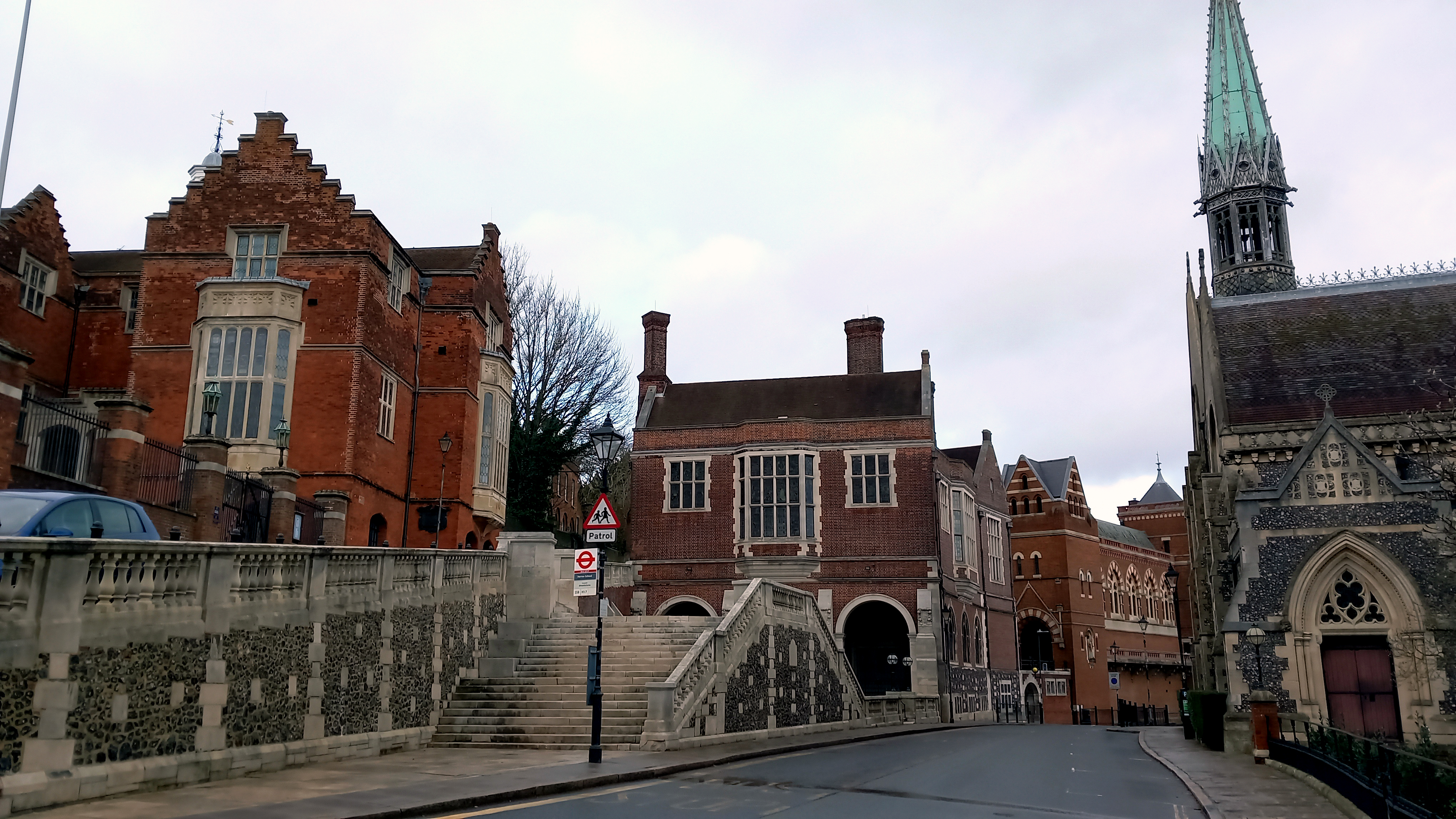
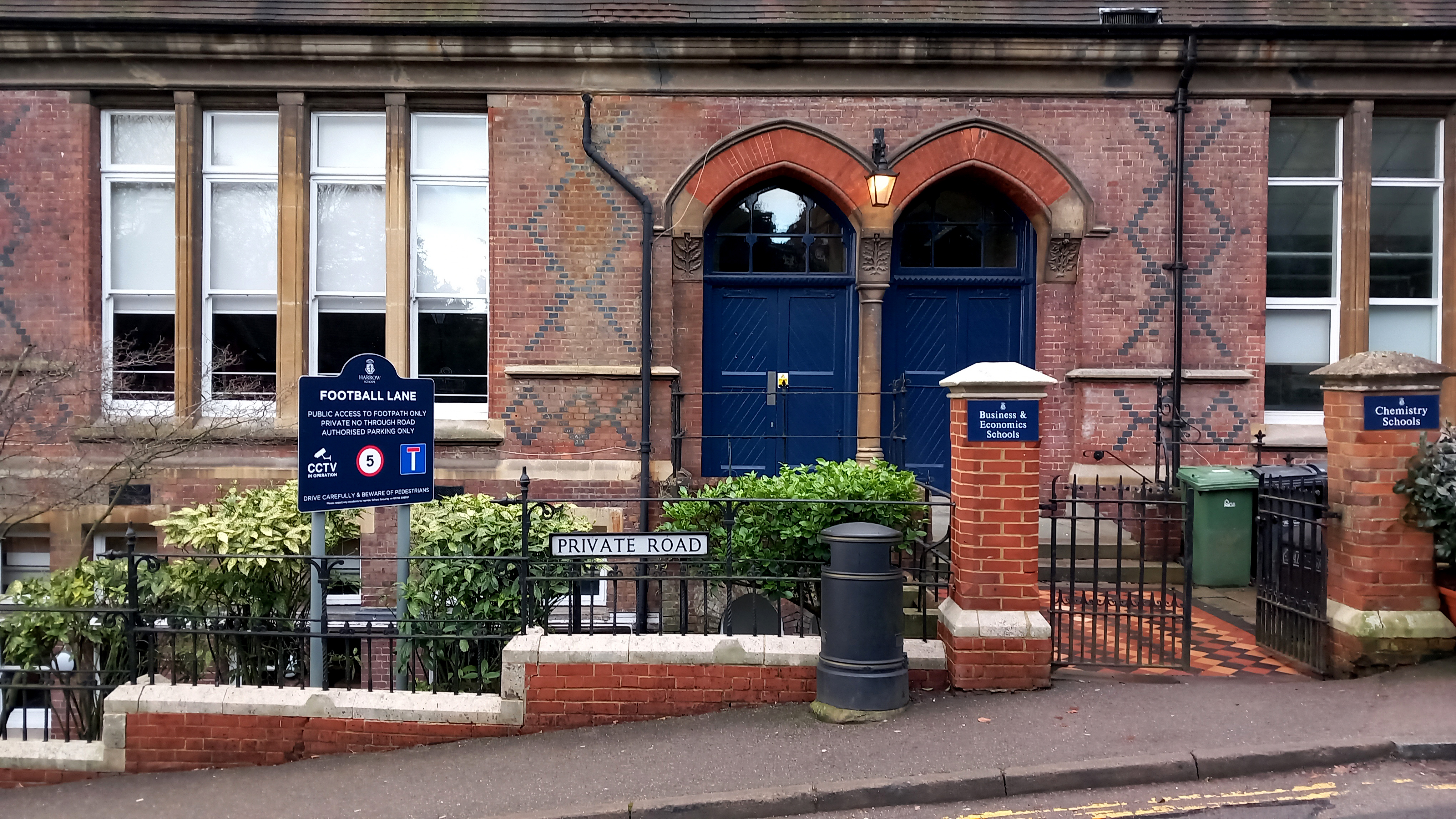
The route descends Horsenden Hill to Sudbury Hill before climbing again to Harrow-on-the-Hill. Harrow is as conspicuously wealthy as we imagined – huge house and gardens, security gates, high fences, a smattering of Arts and Crafts among the stylish mansions. Harrow – of Saxon derivation meaning ‘sacred grove’ – seems like a displaced Chilterns village: far enough from central London to give an impression of rurality; close enough to make commutes into the City feasible. It’s handy for the eponymous school too, of course. The various school buildings dominate the upper part of the village: crow step gables, decorative brickwork, signs announcing private property and CCTV. There’s a restaurant called Old Etonian that looks closed (even Harrow has to settle for being second best sometimes) and a specialist outfitters’ that displays various uniform items in its windows. The gaps between the buildings afford hazy views of the glass hi-rises of City of London, ten miles distant – a view that for many of the students is not so much aspirational but more a matter of destiny: inherited wealth, uncles that work in City trading; money, old and new, that regularly takes itself on holiday to the Caribbean.
The flamboyance of the school buildings is one thing but it is on the playing fields that we pass through where the sense of privilege really hits home. Of course, to contemplate such things might be seen to participate in the politics of envy. But really it is the politics of inequality. The sheer scale of the sports facilities is breathtaking – a huge area with tennis courts, athletics tracks and so many football pitches that the widely scattered goal posts seem like hoops for a giant-sized game of croquet.
Eventually we leave the school premises behind to follow a track that traces the boundary of a hospital complex. Hemmed in behind lopsided Leylandii and a chain link fence, the side of the path is littered with disposable masks and drinks cans. In places there are signs of fly-tipping: old mattresses, a bin bag stuffed with large cuddly toys. When future archaeologists dig down to find the stratum that represents the Anthropocene what will they make of the artefacts they find there – the blue Covid masks, the slim energy drink cans and nitrous oxide canisters? Votive goods of some sort, or items connected with ritual use?
The underground station at South Kenton, our anticipated end point, is closed for repairs. So we walk to Preston Road then take the Metropolitan line to Baker Street. After beers and a Lebanese meal we head to Oxford Circus for our respective tube lines. Oxford Street, unlike the near lifeless streets of the outer suburbs we encountered earlier, is frantically busy with shoppers. Christmas lights in the form of brightly illuminated snowflakes span the street above our heads. Light is returning. As reliable as ever, the year has turned.
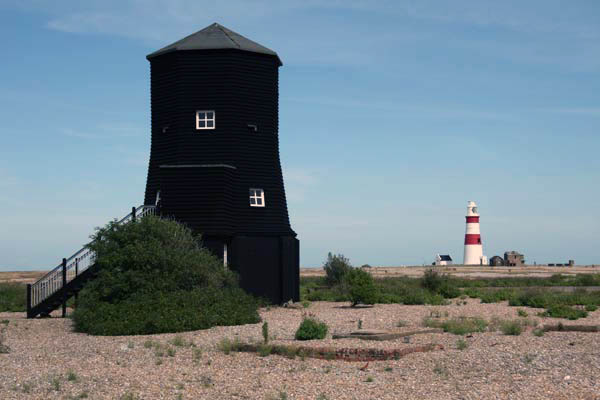
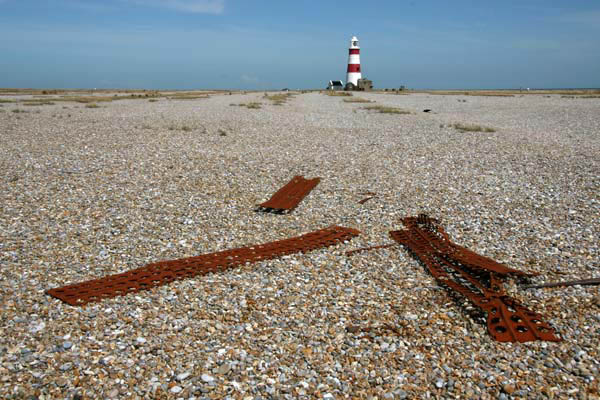
They are taking the lighthouse down. It was really just a matter of time. Time and tide, it is said, wait for no man, and the two make for a powerful combination on this rapidly changing shoreline. The Orford lighthouse has stood here on the Suffolk coast since 1792, the 11th to stand on the same spot. All the previous lighthouses, mostly flimsy wooden structures, were lost to the sea; this one built by Lord Braybrooke of Audley End has lasted longer than any before it.
The ongoing demolition is simply a matter of being one step ahead of what will happen naturally as a result of longshore drift. Built as a very necessary warning for shipping and continually in service until its decommission in 2013, in more recent times the lighthouse has served as a bold territorial marker for this curious – and one-time secretive – strip of coastline. What it stands upon is not an island as it may seem but a spit – a long stretch of shingle, marsh and sand that sits between the estuary of the River Alde and the North Sea like a curving finger pointing south. Along with an expanse of pylons and weapon-testing ‘pagodas’, this red-and-white band structure has been an icon for the territory of Orford Ness, a place of Cold War secrets, sea-scraped shingle, wildlife and, in recent years, National Trust day trippers. Because of its dark history and evocative, lonely location, the Ness has also seen service as an unsanctioned psychogeographical theme park, a go-to liminal zone for enraptured lone males and Sebaldian shore-shufflers (myself included).
While we are all losing a lighthouse, I am losing a gravatar for my blog and twitter feed. I suppose I ought to replace it with something new but I will keep it for a while as a tribute to the lighthouse’s ghosted memory. As for the lighthouse itself, it is hoped that the lantern will be reused to form part of a memorial structure on land across from the Ness on Orford Quay.
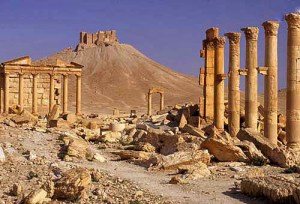
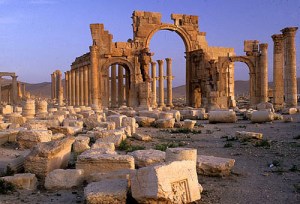
Not for the first time have iconic buildings world vanished overnight. The lighthouse’s destruction is, at least, planned and been a long time coming. Other well known places I have visited have met more violent ends – vicious executions rather than gentle euthanasia. I refer to some of these in a post on Palmyra from five years ago. Syria seems like a dream now; something I might have imagined. The reality is that the country I experienced as a welcoming place nearly twenty years ago has since become a land of nightmares.
Going further back in time, it feels equally strange to recall having once spent several days in a hotel that overlooked the enormous sandstone Buddhas of Bamiyan in central Afghanistan. This was back in the halcyon days when the country was a way-station on the so-called Hippie Trail to India, long before the Taliban decided to blow the Buddhas up as blasphemous objects of idol worship (even then, the statues’ faces had already been disfigured by angry iconoclasts).
To continue a tally of Zelig-like appearances at places associated with doomed futures, I might also mention a visit to the World Trade Centre in New York on my first visit to the city in 1986 – of having once stood in a small room at the very top of the structure, a space that now existed as just a cube of empty sky above a disaster zone. Or a visit to a place that languished in a void between destruction and repair: Mostar in Bosnia and Herzegovina, still a broken city when I visited in 2003, the absence of its beautiful 16th-century Ottoman bridge hanging like a question mark above the rubble-filled turquoise of the River Neretva. The bridge was faithfully rebuilt with foreign investment and reopened in 2004. As beautiful as before but somehow sad and perhaps even futile, the reconstruction was a gesture of hope more than anything else — the Muslim east and Croat west banks of the river would remain as places apart in terms of religion, culture and political allegiance.
Less exotically, I also recall the cooling towers that used to stand next to the M1 in Tinsley, Sheffield – twin behemoths that could be seen from the windows of the school where I did my first teaching practice in the city. The towers, devoid of function since 1980, possessed a grace and heft that seemed to perfectly symbolise Sheffield’s industrial past (as did the abandoned steelworks of the Don Valley, which were eventually cleared to provide the land for the inevitable – a massive shopping complex, Meadowhall). Like the Orford lighthouse, and also the equally iconic cooling towers that stood at Ironbridge until last year, the Sheffield towers were finally expunged from the landscape. It took just seven seconds to reduce the 76 metre towers to rubble. For now, like the Orford lighthouse, they remain as a memory, a ghost of landscape that will fade with time.
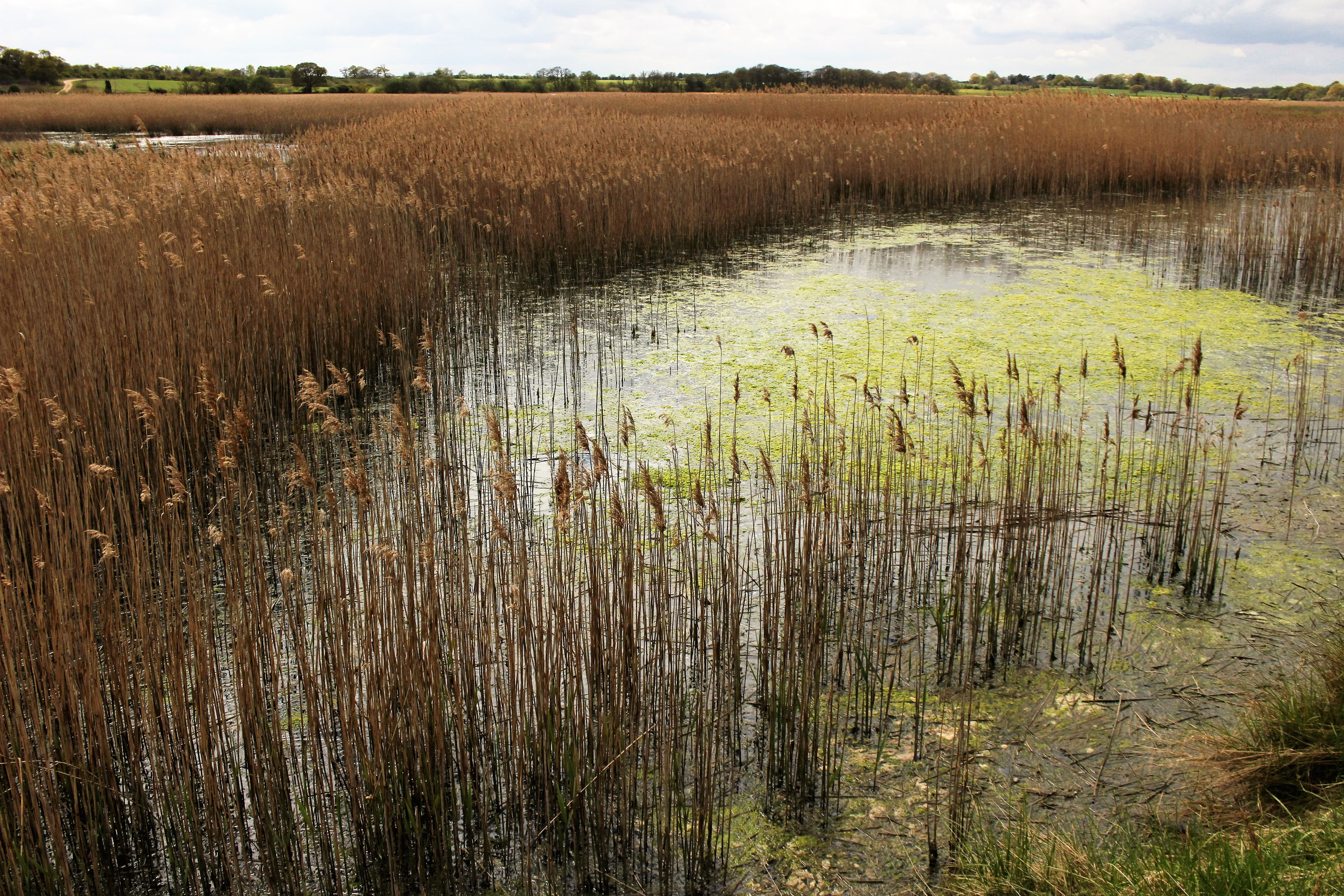
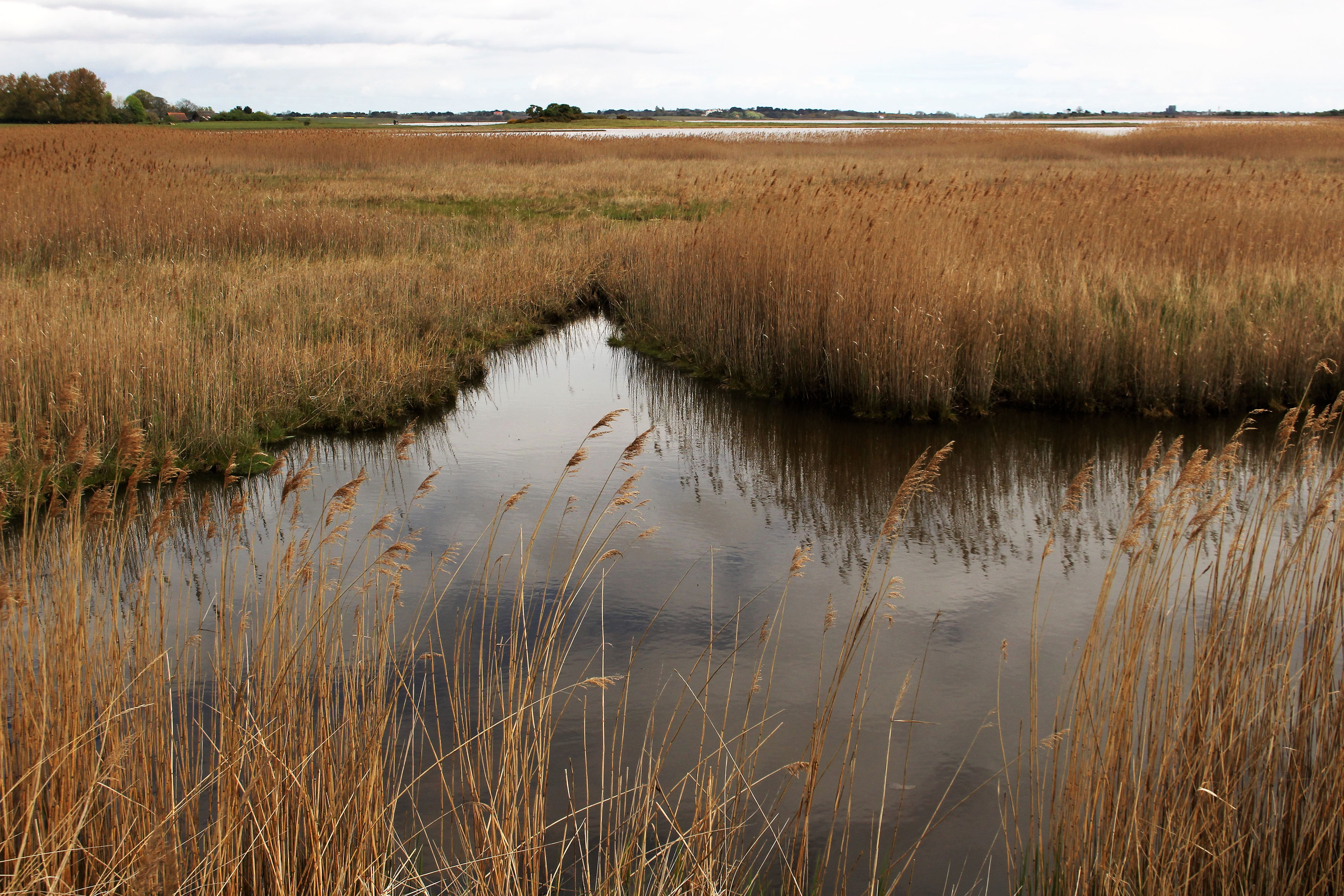
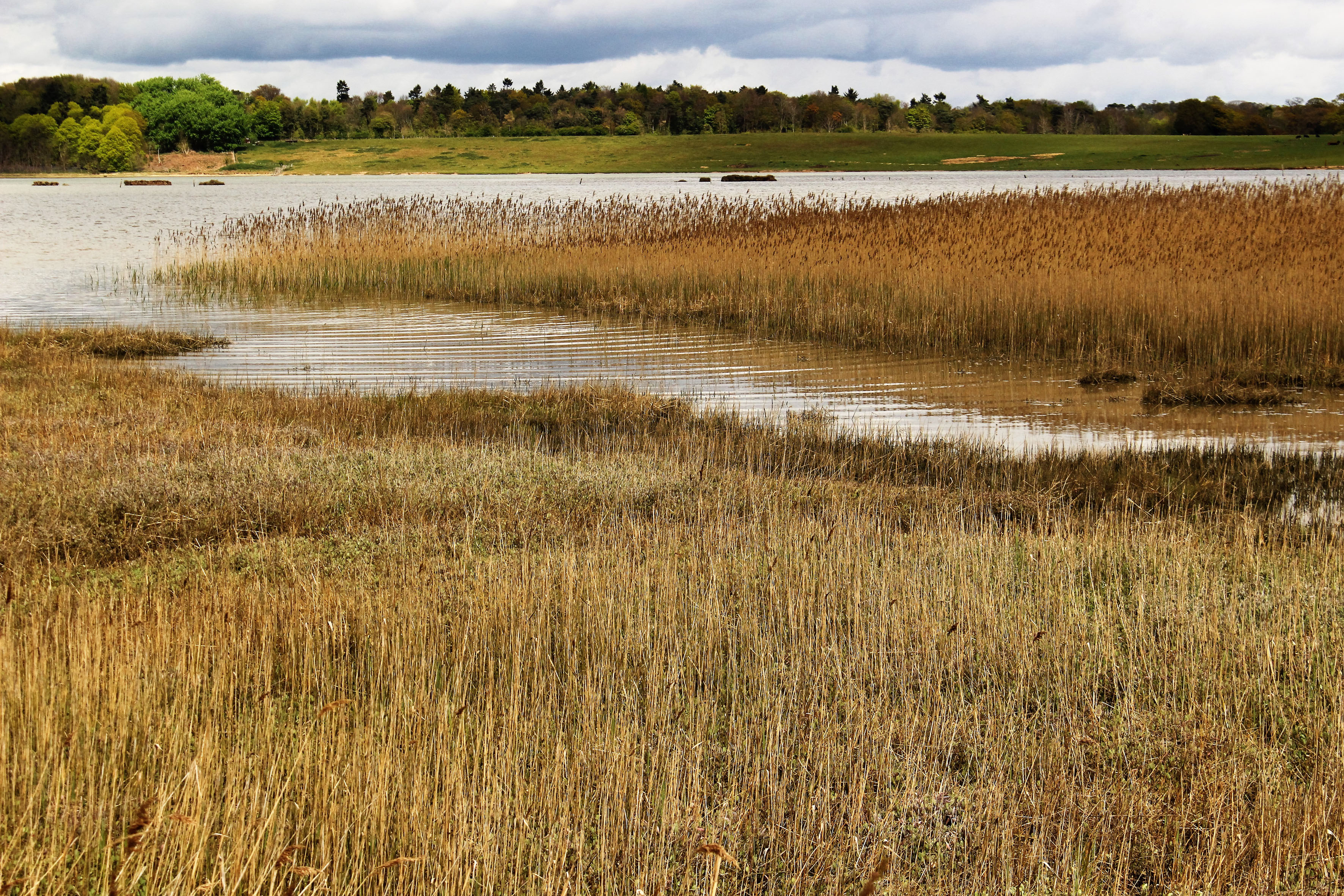
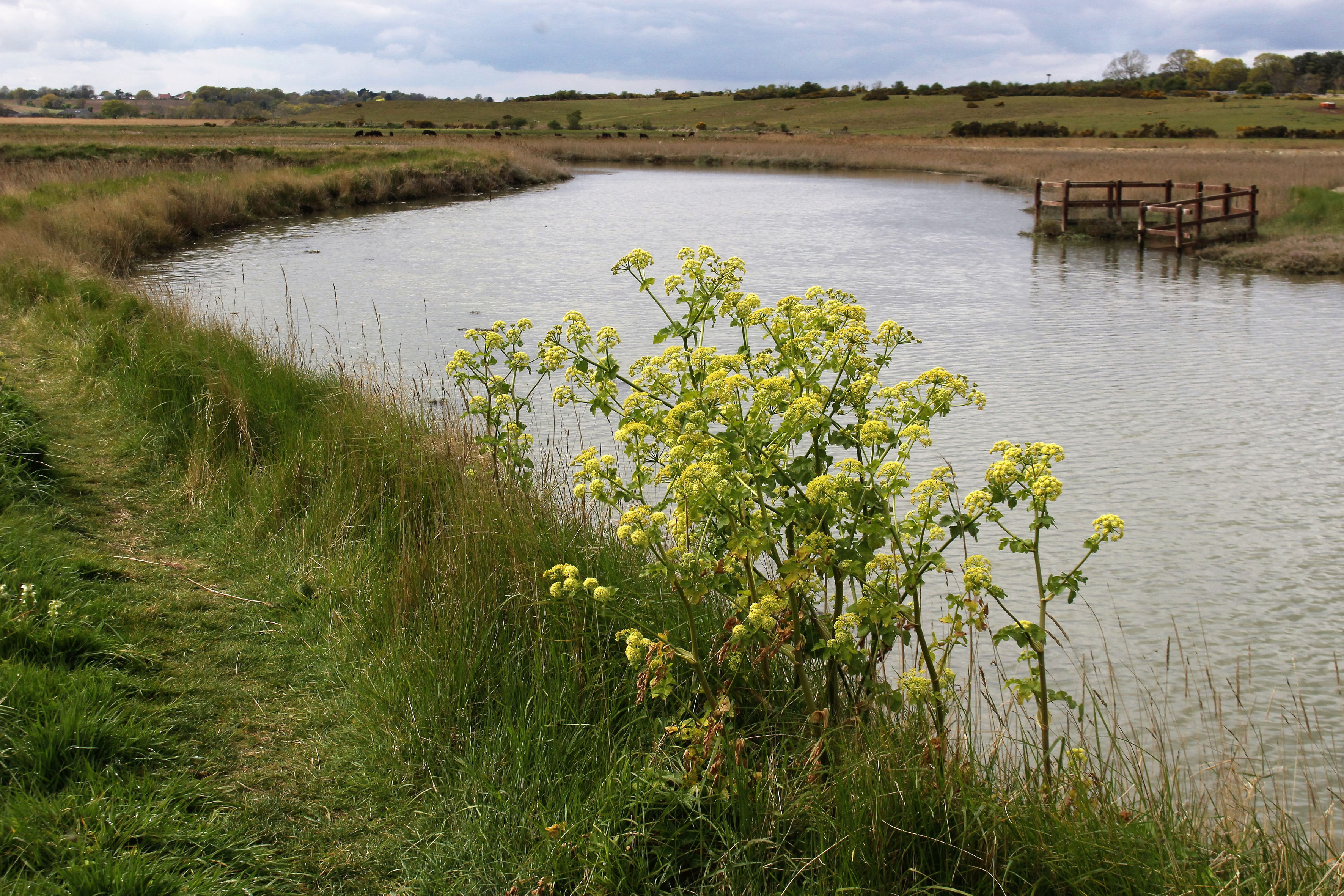
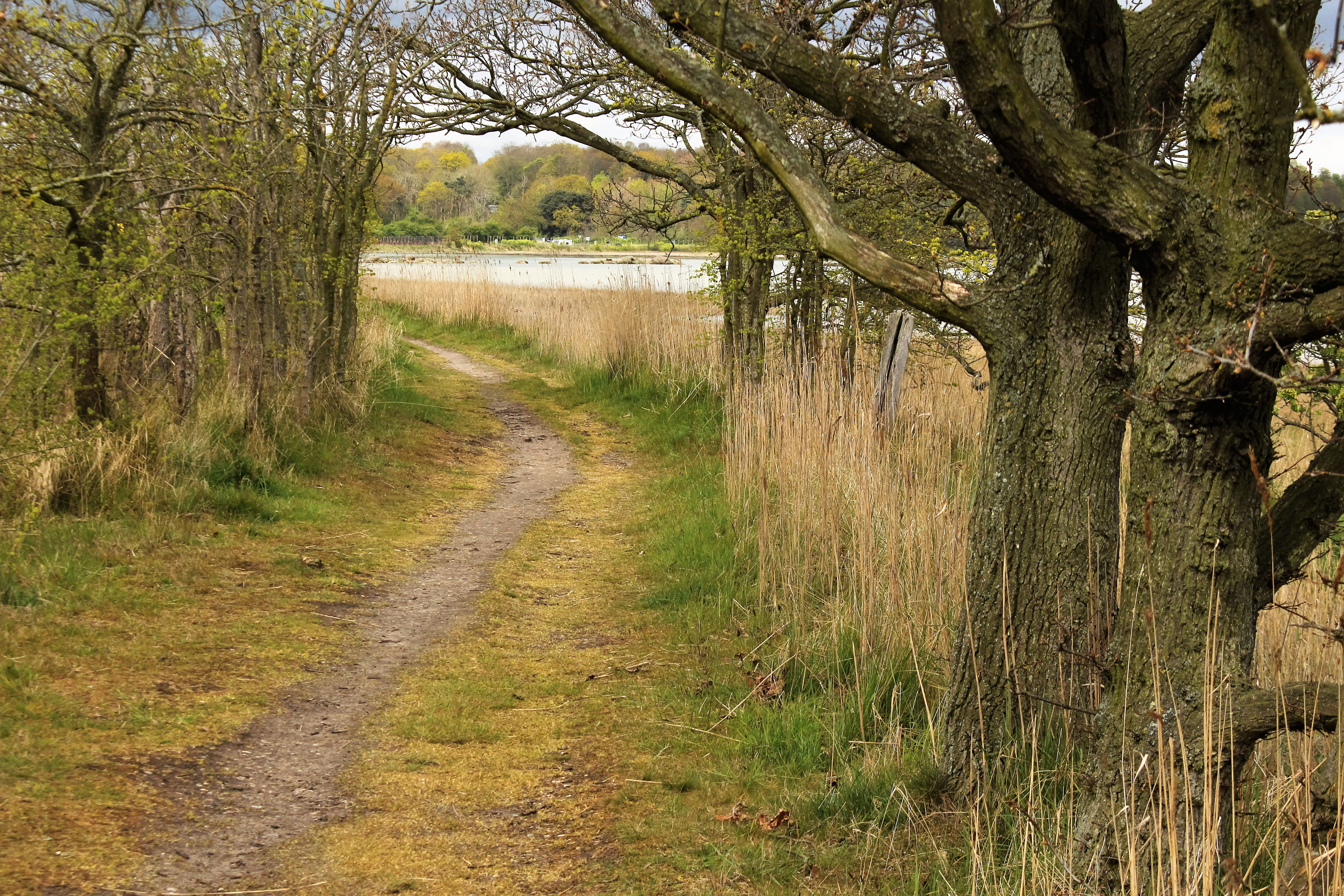
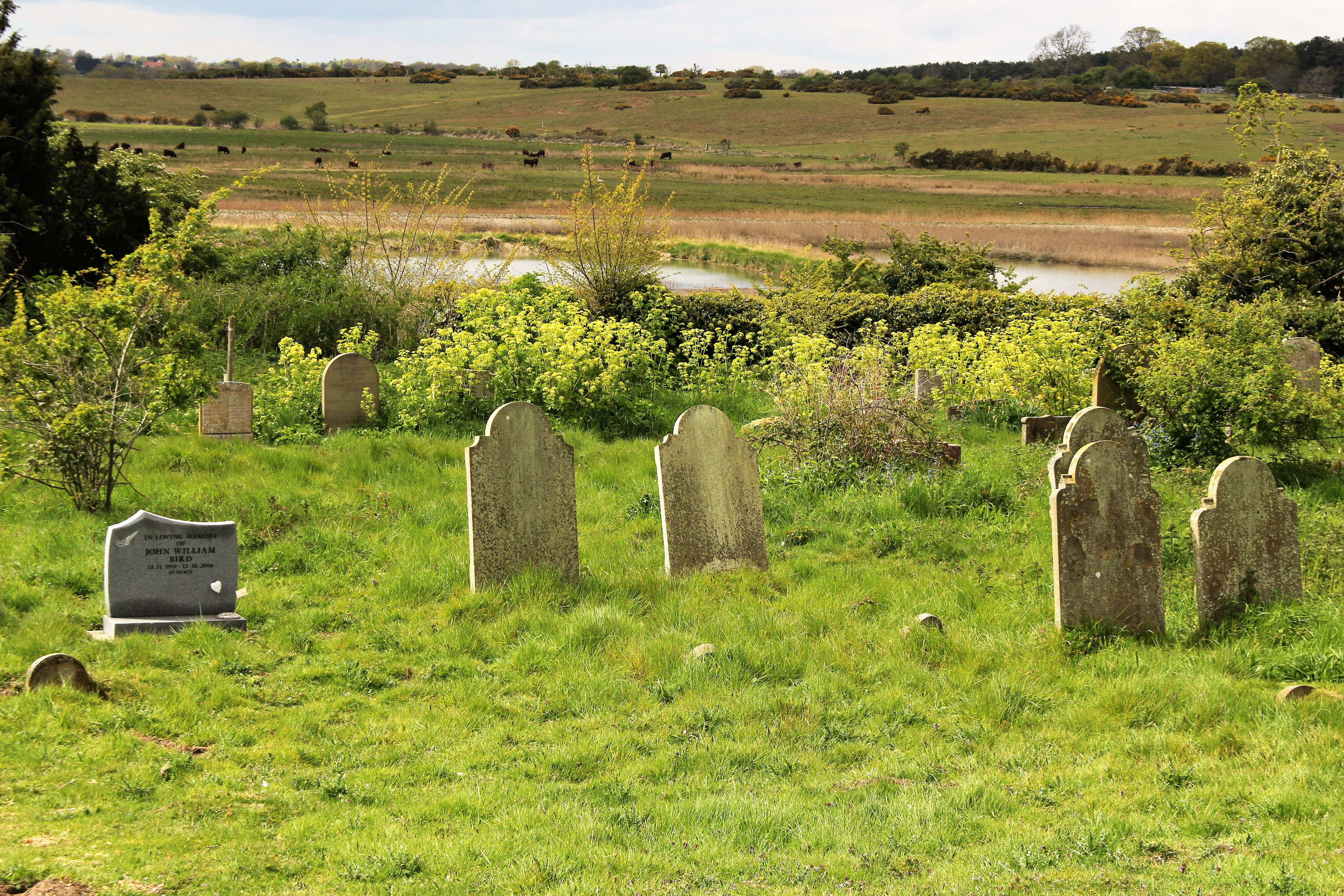
Back in April I took part in a writing workshop in Suffolk led by Ivor Murrell of Suffolk Poetry Society and Melinda Appleby of Waveney & Blyth Arts. The workshop encouraged the participants to immerse themselves in the sights, sounds and smells of the Blyth estuary and to reflect something of the history and nature of the area. The following is what I came up with on the day.
Blyth Spirit
We followed the estuary path beneath spindly oaks in first flush leaf, the reedbeds rippling in a southerly breeze. Across the water, white-faced cattle grazed on the sloping pasture: a pastoral diorama framed by willows with the Southwold skyline beyond – church, lighthouse, a scaffolded water tower. This once was a place more connected to the sea, to fishing and trade; the town’s lighthouse, no mere curiosity but earning its keep as a warning to shipping. This was before the great silting and scouring of the coast, when Dunwich was a name on every seafarer’s lips and Suffolk was still holy – Selig Suffolk; before the great land grabs of enclosure and dust storm robbery of the sheep walks, before hangings and suicides cursed the brackish waters of the Blyth.
Now only the names on the map gave the clue: Deadman’s Creek, Bloody Marsh. And Angel Marshes – did this expanse of reed and tidal water take its name from the wooden figures that graced the roof of Holy Trinity Church, angels that you might just imagine taking flight at dusk to quarter the marshes crepuscular as owls? A chance to flex stiff wings and dust themselves of woodworm and Puritan shot; a flight to taste the brine of the incoming tide before following the creek back to settle like beautiful bats in their resting place in the rafters. Did anyone see them, even catch a glimpse? Or did they steal between the cracks of the day, visible only to curlew and estuary ghosts?
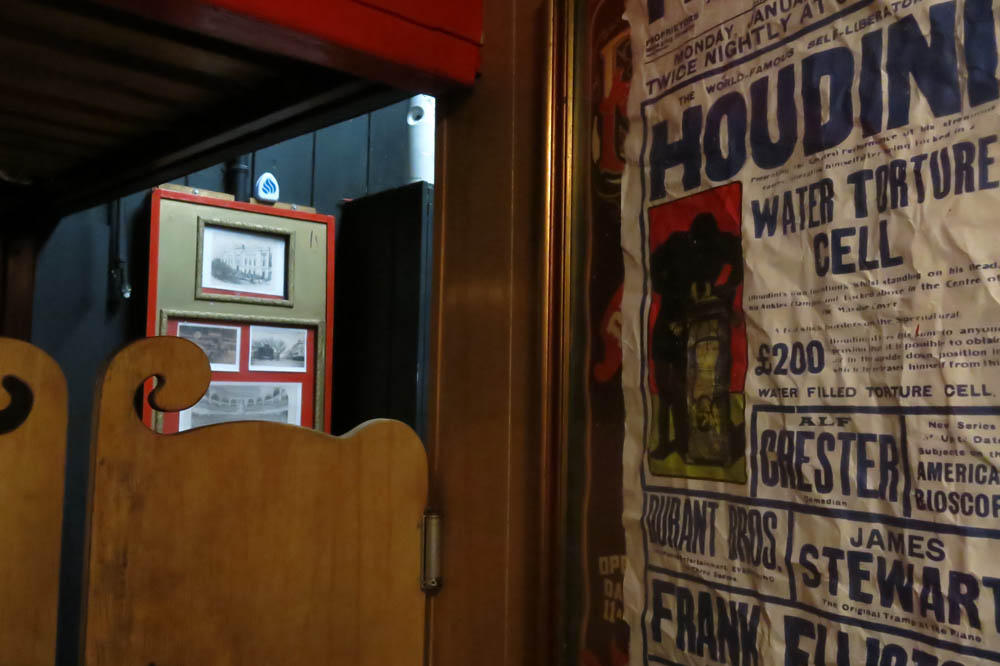
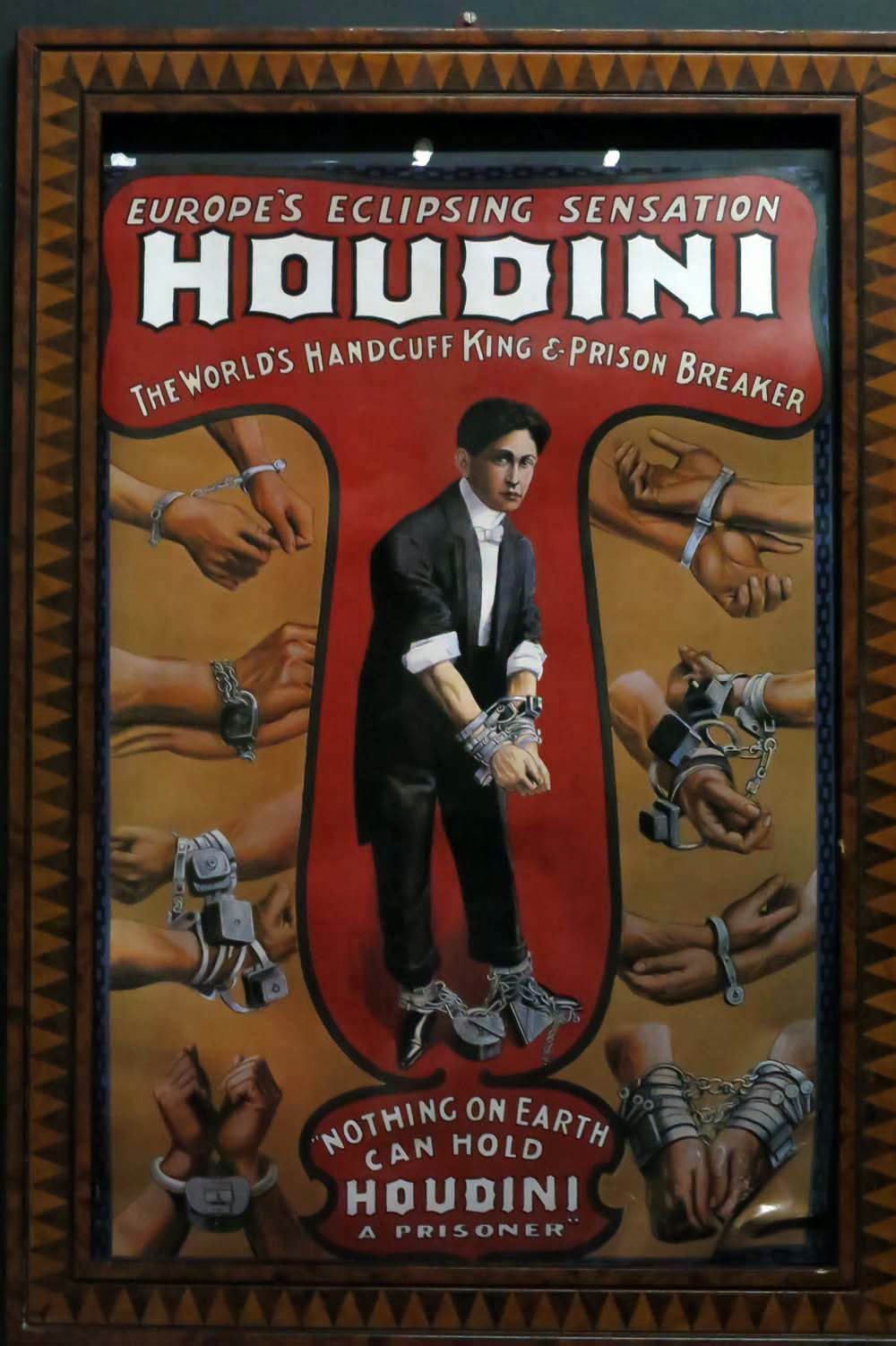
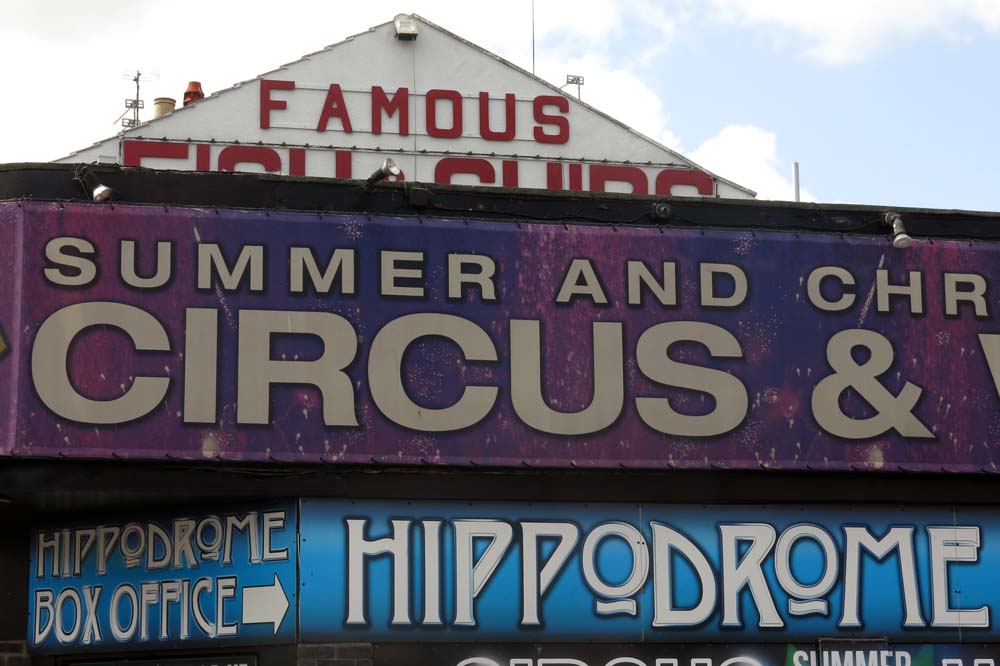
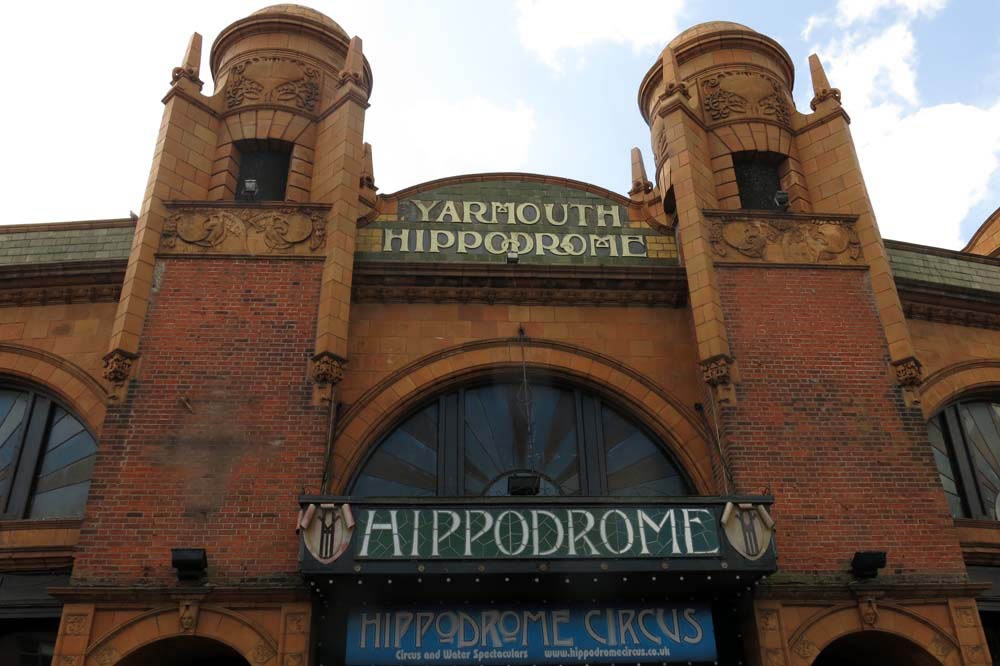
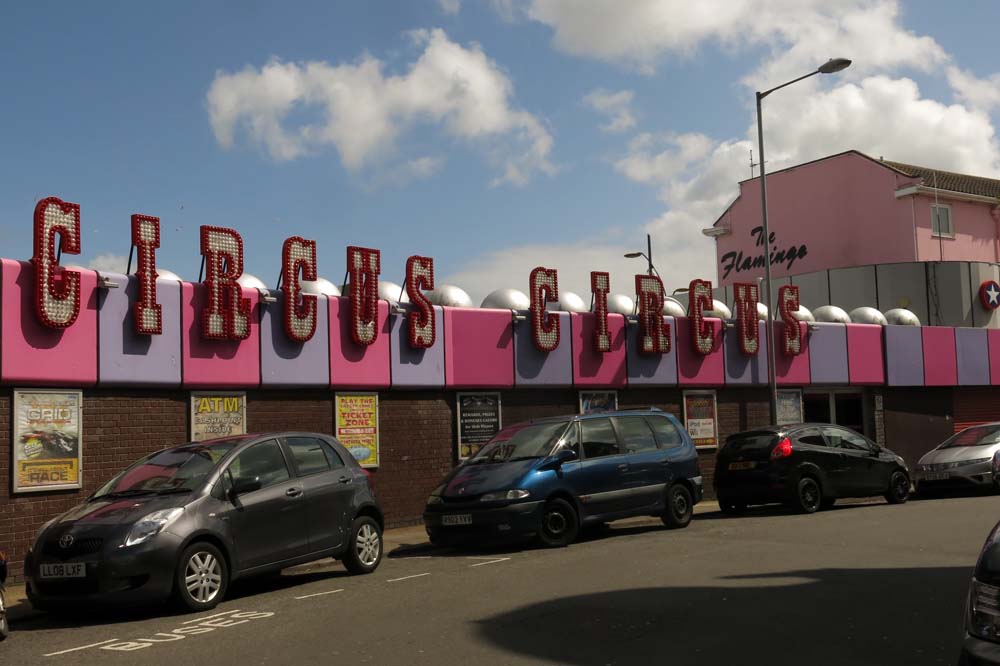
Still reeling from the solar onslaught of the Sun Ra Arkestra the previous night we travelled yesterday to Great Yarmouth to see The Tempest at the town’s Hippodrome Theatre. The Sun Ra Arkestra fronted by nonagenarian alto-sax maestro Marshall Allen had done what they always did: channel the Saturnian spirit of their erstwhile and now-deceased leader Sun Ra and perform their joyful big band space-jazz to an appreciative audience for nigh on two hours. As the song goes, Space IS the place, and the place in this instance had been Norwich’s Open, a venue fashioned from the brick and mortar of late capitalism – originally a Georgian building that had started life as a wine merchants before its vaults were re-purposed for the storage of bullion by the Gurney family. Merging with Barclays Bank in 1896 and soon outgrowing its original premises, a new building was constructed in 1926 with a large hall, extensive vaults and what was reputed to be the longest banking counter in the country. Later in life it went on to become the regional headquarters of Barclays Bank but now the clink of wine bottles and kerching of cash registers were nothing more than silent ghosts that observed on the sidelines as the Arkestra’s music swirled unfettered to the ceiling in this neoclassical void. A quotidian space formerly dedicated to the exchange of capital now given over to brave sonic venturing seemed like the best of outcomes, and the Sun Ra Arkestra quickly made it their own, filling the cavernous space with a joyful stellar noise and a powerful, if playful, presence. The Tempest took place in another very singular space: the wonderful Hippodrome on Great Yarmouth’s seafront, the only surviving purpose-built circus venue in the country. Built in 1903 by the great circus showman George Gilbert the building once faced directly onto the seafront across a square but now huddles behind the garish pink bulk of the Flamingo amusement arcade, a gaudy slice of Las Vegas tat transported to the Norfolk coast. Slip into the narrow street behind though and the gorgeous facade of the Hippodrome can be seen in its full glory, with Art Deco lettering and charming panels around the door, its towers peeping above the pink nonsense of the Flamingo to peak at the beach and the North Sea beyond. This was, and still is, a grand and stylish place: a theatre of dreams, a venue fit for the likes of Houdini and Chaplin who both performed here in the Hippodrome’s heyday. If the exterior seems full of promise, the interior is even more beguiling: all dark velvet and chocolate brown, and a warm, well-used ambience that has left a rich patina on the fabric of the place. The seating is snug and steeply tiered; its darkly lit corridors lined with old posters and portraits of clowns and past performers, most notably Houdini (where better than Great Yarmouth to demonstrate the art of escapology?). There is even a poster of Houdini in the gents and, while a male toilet in Great Yarmouth is probably not normally the wisest place to take out a camera, my fellow micturators seemed to understand my photographic purpose. Theatre in the round; theatre in the wet: the Hippodrome might have been made for The Tempest; or, given a bit of temporal elasticity that could anticipate three hundred years into the future, The Tempest for the Hippodrome. The production, directed by William Galinsky, Artistic Director of the Norfolk & Norwich Festival, is a hugely inventive, almost psychedelic, affair that makes full use of the circus’s horizontal and vertical space and central water pool. For two hours we were mentally transported to Shakespeare’s island zone by means of brilliant storytelling, excellent acting and inspired direction, and, in keeping with this circus venue, the acrobatic shenanigans of the Lost in Translation Circus. Shakespeare is reliably universal of course, but did I detect a whiff of Tarkovsky (Solaris, Stalker) in there? A hint too of Samuel Beckett? Of course, we each bring our own cultural references to bear. Today, yesterday’s performance seems almost dreamlike – a short-lived transportation from reality in which both the drama and the unique properties of the venue itself had an equal part to play. As Prospero remarks:
We are such stuff As dreams are made on; and our little life Is rounded with a sleep.
The turning of the year. These past few days mark the interregnum that sits uncomfortably between Christmas and New Year – a week of virtual Sundays and a period when some of us – those who are self-employed at least – do not know whether they should be at work or not, whether they should carry on regardless or surrender to the seasonal zeitgeist of calorific leftovers, television repeats and relentless retail opportunity. This is a living limbo marked by the dull ache of too much alcohol and rich food, and too little sunlight: rural Scandinavia in a parallel universe on a bad day, where Disneyesque fibre-optic conifers and tattered tinsel replaces the glittering white rime of pines, chain store neon glare subs for the aurora borealis and the petrochemical chug of cars queuing for city centre parking space drowns the imagined crooning of fur-clad carollers, the glassy tinkle of falling icicles and the satisfying crunch of snow beneath sensible Nordic footwear. We are now so far removed from the traditional Christmas tropes that any sense of irony has long been lost, and the multiple identities – spiritual and otherwise – of the winter soltice are now commonly, if erroneously, perceived as having been replaced by Winterval, a quasi-mythical simulacrum close to the hearts of apoplectic ‘PC-gone-mad’ bashers.
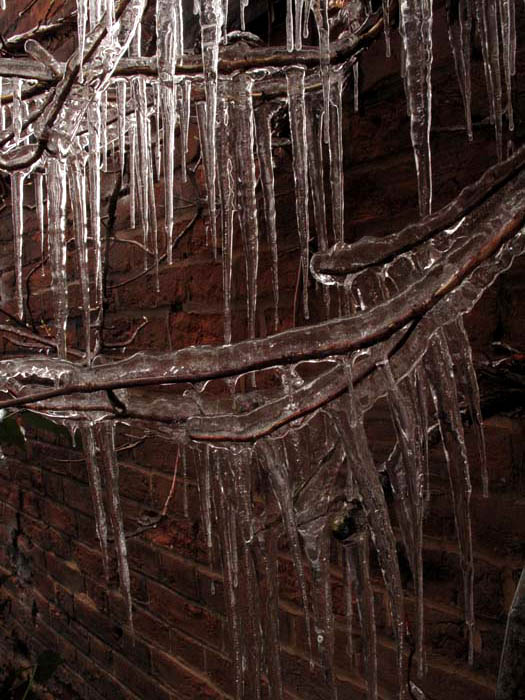
(Last winter’s icicles)
The weather doesn’t help, of course – too mild, too wet, too windy this year. At least some sort of status quo continues in the back yard where non-denominational (or possibly JW) goldfinches arrive in pairs to feast on niger seeds as they do every day, a suitably attired mirror-image illusion of avian dandies on opposite sides of the bird feeder. Meanwhile, out in the dun damp arable fields that surround the city beyond the new-build green belt, fieldfares flock – newly arrived winter visitors from Scandinavia, the real place that is, not the parallel universe version. Elsewhere, the TV flickers like a well-behaved heart monitor as a nation prepares for the ritual liver damage and rictus-grinned high spirits that signify New Year’s Eve. Or, rather, the younger ones do: most older folk ensure they are safely tucked up in bed by the witching hour when a nation stumbles forward, arse over tip, across the calendar date line. The circle is, as they say, unbroken. Happy New Year.
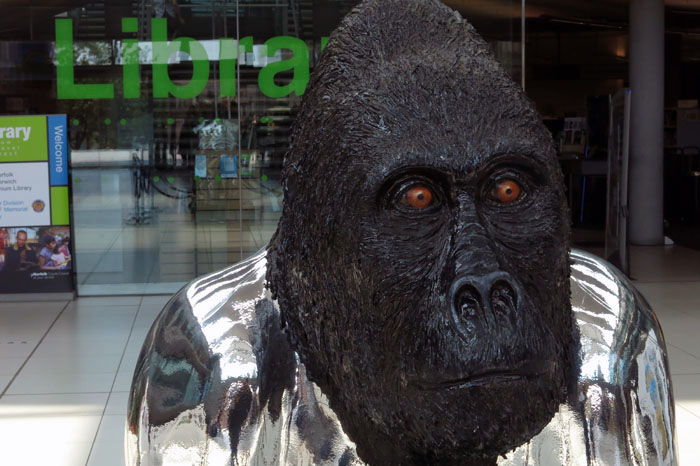
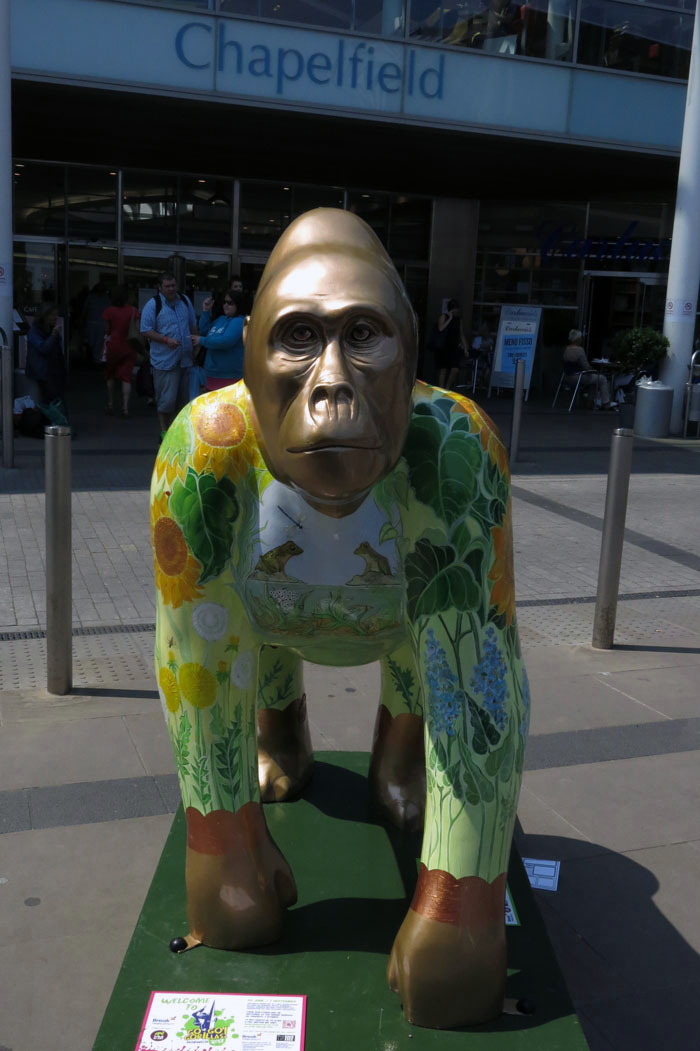
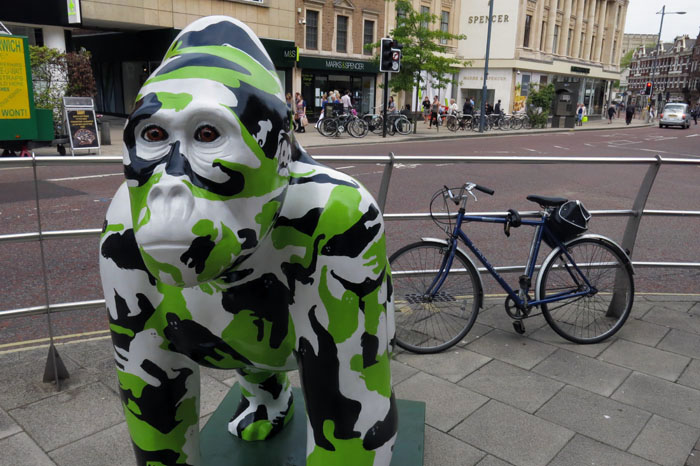
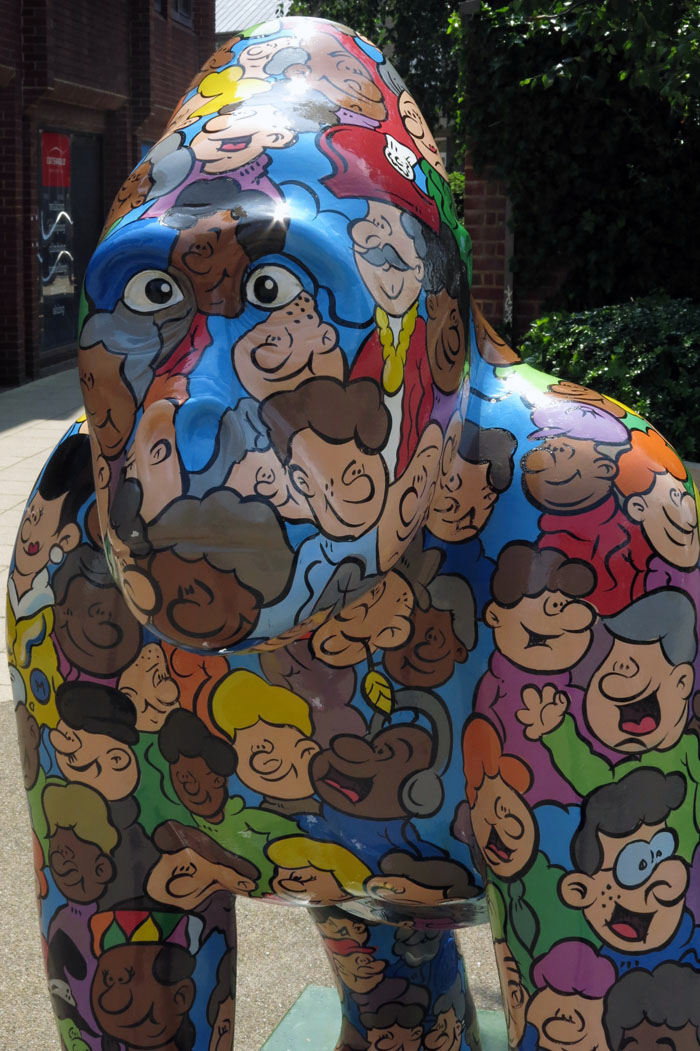
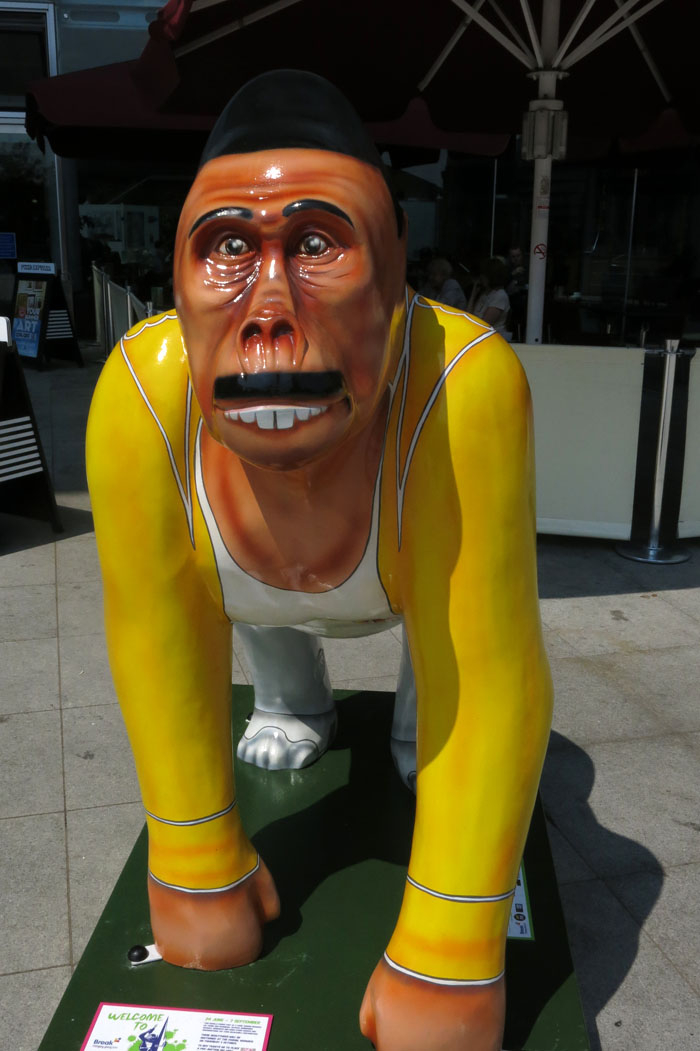
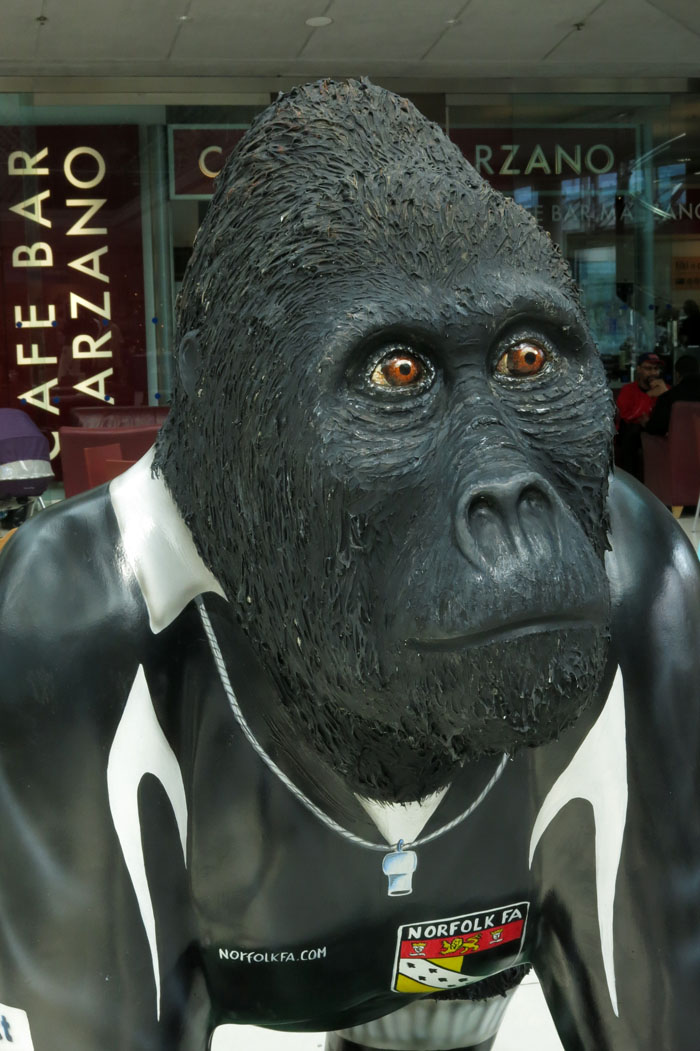
Over the past few days a large number of gorillas have taken over Norwich city centre. No leaf-munching friends of David Attenborough these, the Norwich gorillas are fibreglass but compensate for their inanimate nature by coming dressed in a wide range of outlandish outfits. The splendid beast above – ‘Chromilla’ – can be found in front of the library in The Forum.
With over 50 gorillas scattered around the city there is considerable variety and plenty of local flavour. There’s even an ‘Ivan the Iconic Norwich Gorilla’ outside The Forum who bears the canary logo of Norwich City FC in addition to a representation of the city’s Norman castle and Stephen Fry’s clever avuncular visage. There is also a ‘Mr Carrow’ gorilla dressed in the yellow and green strip of Norwich’s Premier League heroes. I could probably live without Freddie Mercury reincarnated in gorilla form, and sadly there is no sign of local antihero Alan Partridge aping about, but you cannot have everything.
For some reason there is always something rather cheering about gorillas. Perhaps it is their power and intelligence, their ‘gentle giant’ demeanour? Maybe it is simply because they remind me of the first Bonzo Dog Doo Dah Band album released way back in the late 60s – Gorilla – which was ‘Dedicated to Kong because he must have been a great bloke’.
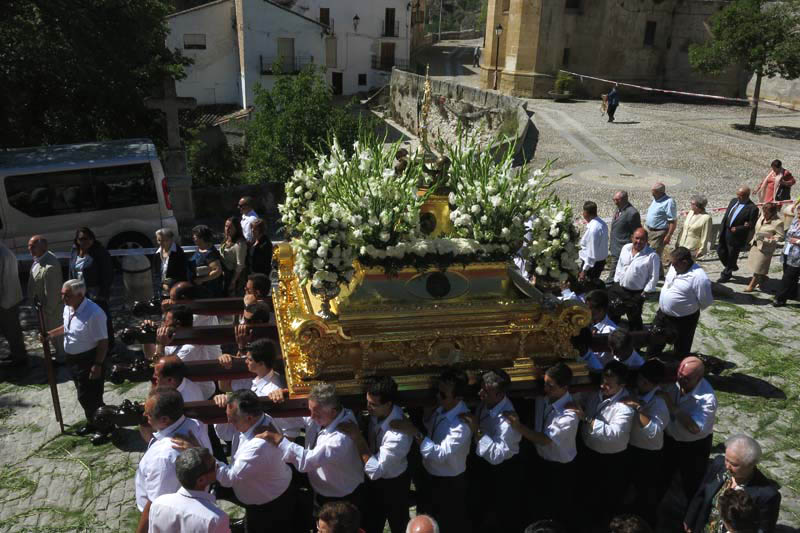
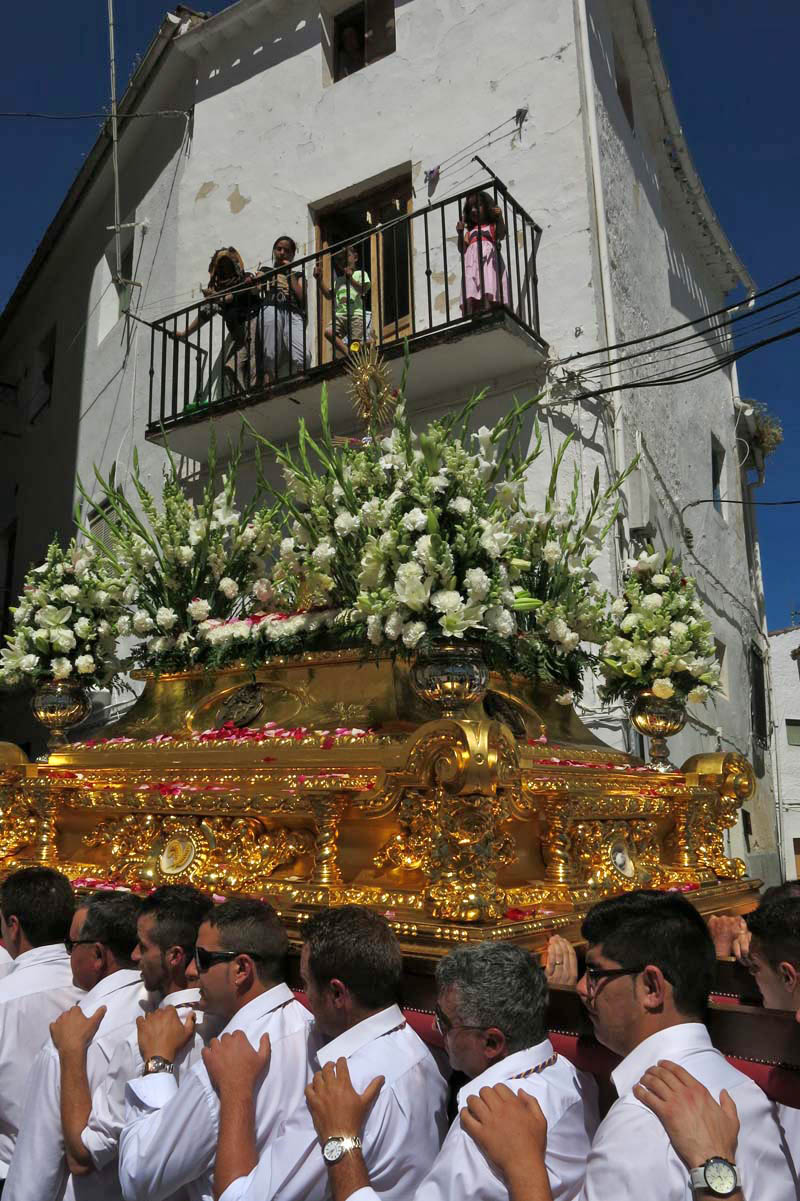
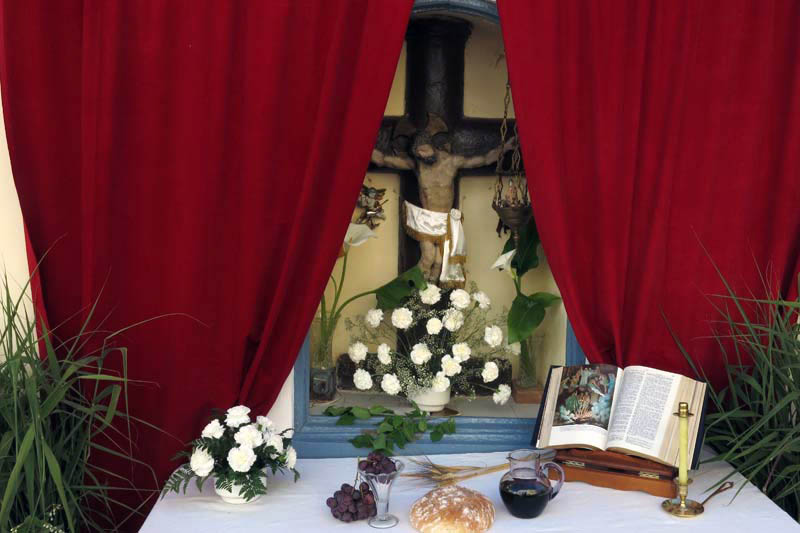
Small town Spain at the end of Whitsun. In Alhama de Granada, a hill town midway between Malaga and Granada in Andalucía, the celebration of Corpus Christi on the first Sunday in June takes the form of a religious procession through the streets of the old Arab town. The event is announced by a stirring peal of bells from the huge earthquake-scarred tower of the Church of La Encarnación. Temporary flower-decked altars have already been set up strategic points along the processional route, the course of which is marked by a wide swathe of horsetail gathered from the nearby gorge.
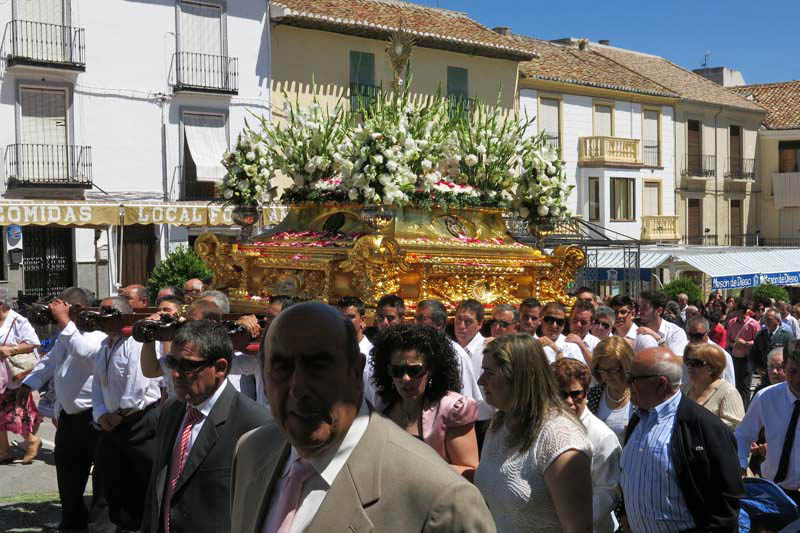
Musicians carrying trombones and drums saunter across Plaza de la Constitución to assemble outside the main door of the Iglesia del Carmen that overlooks the gorge. Eventually, the congregation files out of church and after a fanfare of deafening fircrackers the procession leaves to make its way around the town’s narrow streets. Leading the entourage along with the priest are girls in white dresses carrying baskets and boys in sailor suits, then comes the heavy wooden float carried on the shoulders of a rota of 28 men followed by the band and what seems like most of Alhama’s population dressed in their Sunday best.
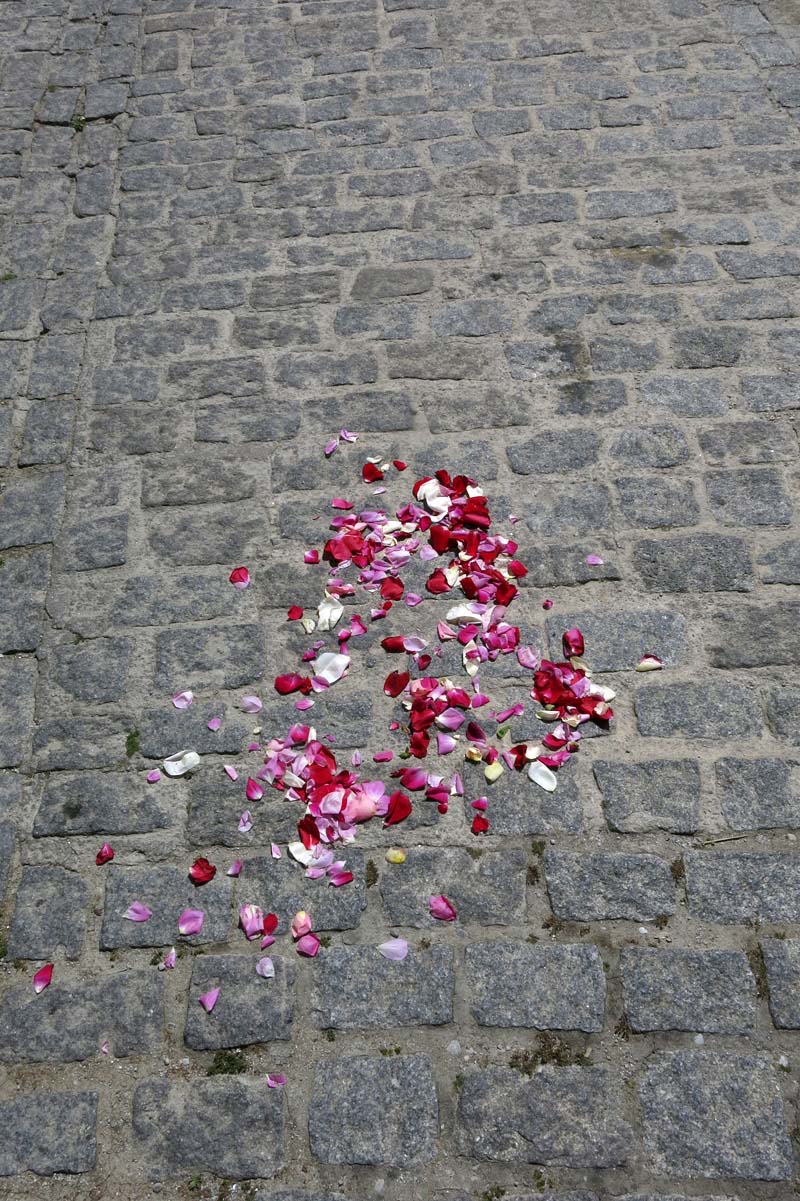
It takes an hour or two to make the circuit, stopping for blessings a long the way, and then, after returning to the starting point, the crowd slowly disperses. Already, municipal workers in high-visibility jackets have swept up the horsetail and rose petals and Alhama is returned to tranquil whitewashed normality. Now, it’s just like any other another sleepy Sunday afternoon – muy tranquilo: a stroll and chat in the square, an unhurried meal, a drink, a sun-drugged siesta.









 Still reeling from the solar onslaught of the Sun Ra Arkestra the previous night we travelled yesterday to Great Yarmouth to see The Tempest at the town’s Hippodrome Theatre. The
  The Tempest took place in another very singular space: the wonderful
 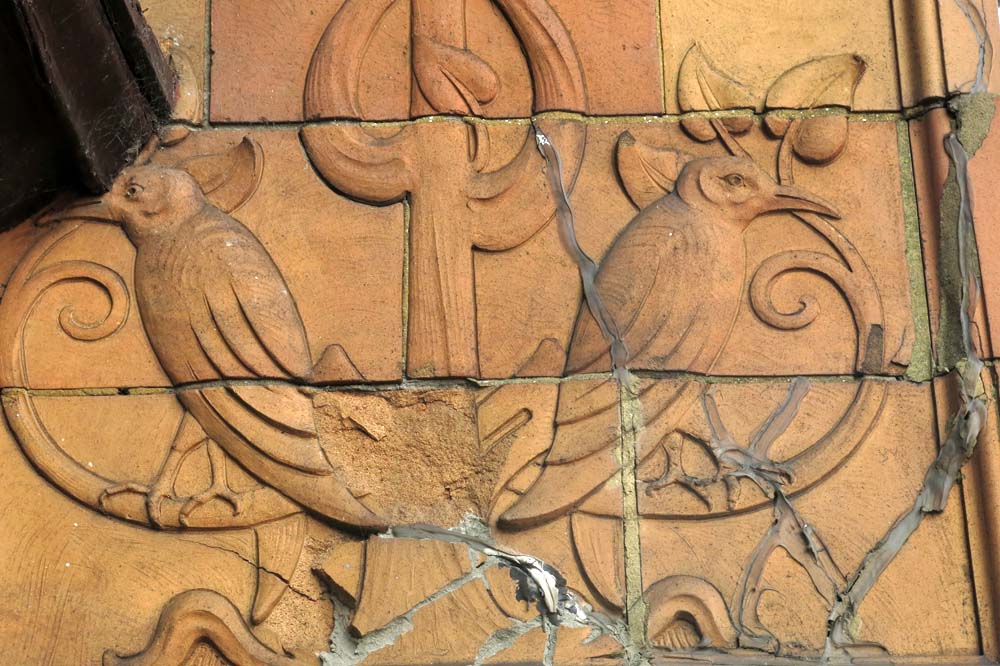 If the exterior seems full of promise, the interior is even more beguiling: all dark velvet and chocolate brown, and a warm, well-used ambience that has left a rich patina on the fabric of the place. The seating is snug and steeply tiered; its darkly lit corridors lined with old posters and portraits of clowns and past performers, most notably Houdini (where better than Great Yarmouth to demonstrate the art of escapology?). There is even a poster of Houdini in the gents and, while a male toilet in Great Yarmouth is probably not normally the wisest place to take out a camera, my fellow micturators seemed to understand my photographic purpose.
  Theatre in the round; theatre in the wet: the Hippodrome might have been made for The Tempest; or, given a bit of temporal elasticity that could anticipate three hundred years into the future, The Tempest for the Hippodrome. The production, directed by William Galinsky, Artistic Director of the
 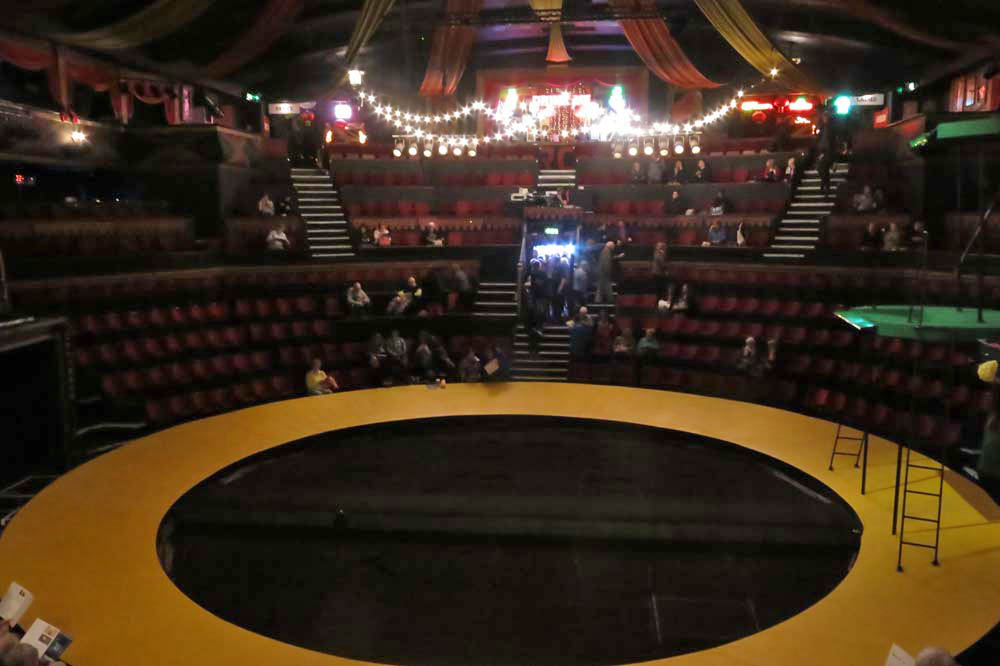 Shakespeare is reliably universal of course, but did I detect a whiff of Tarkovsky (Solaris, Stalker) in there? A hint too of Samuel Beckett? Of course, we each bring our own cultural references to bear. Today, yesterday’s performance seems almost dreamlike – a short-lived transportation from reality in which both the drama and the unique properties of the venue itself had an equal part to play. As Prospero remarks: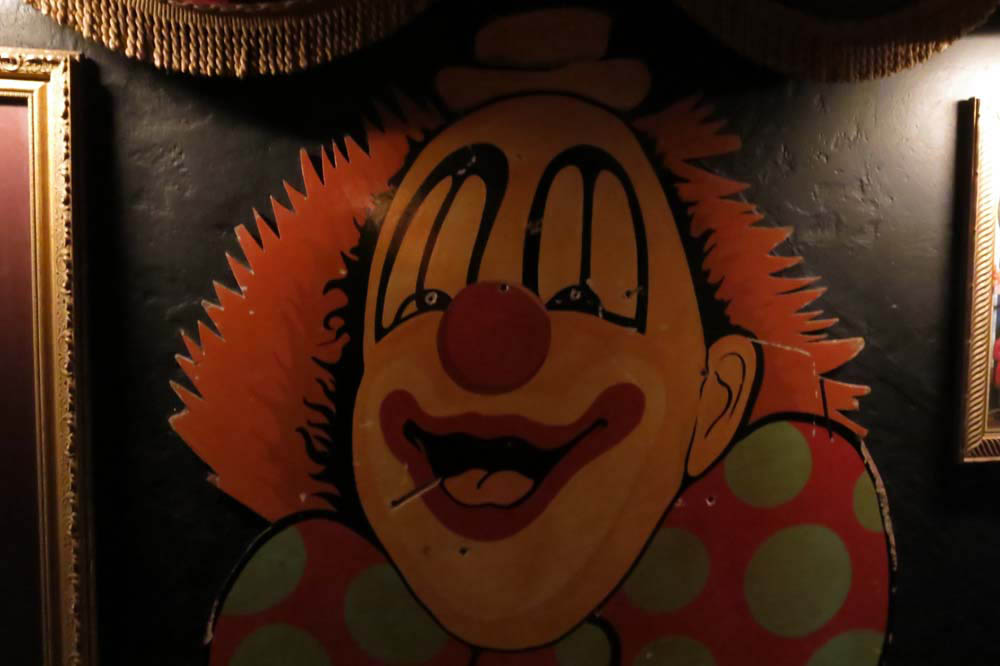






 East of Elveden