Ho, Ho, Ho Chi Minh!

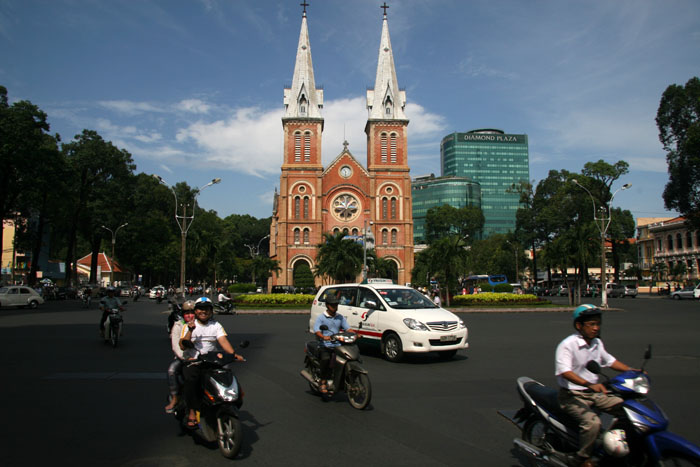
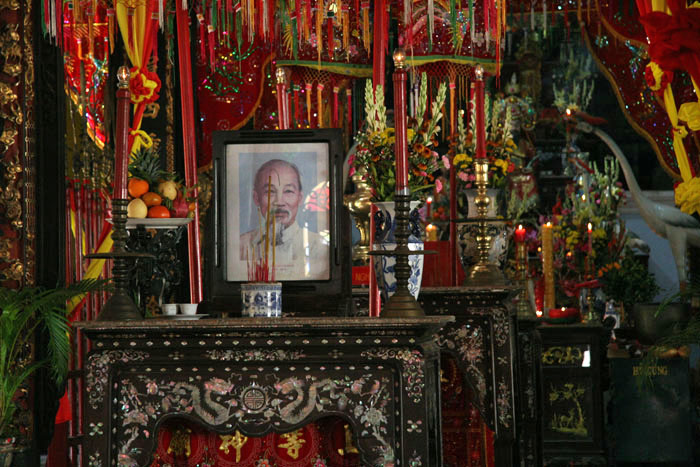
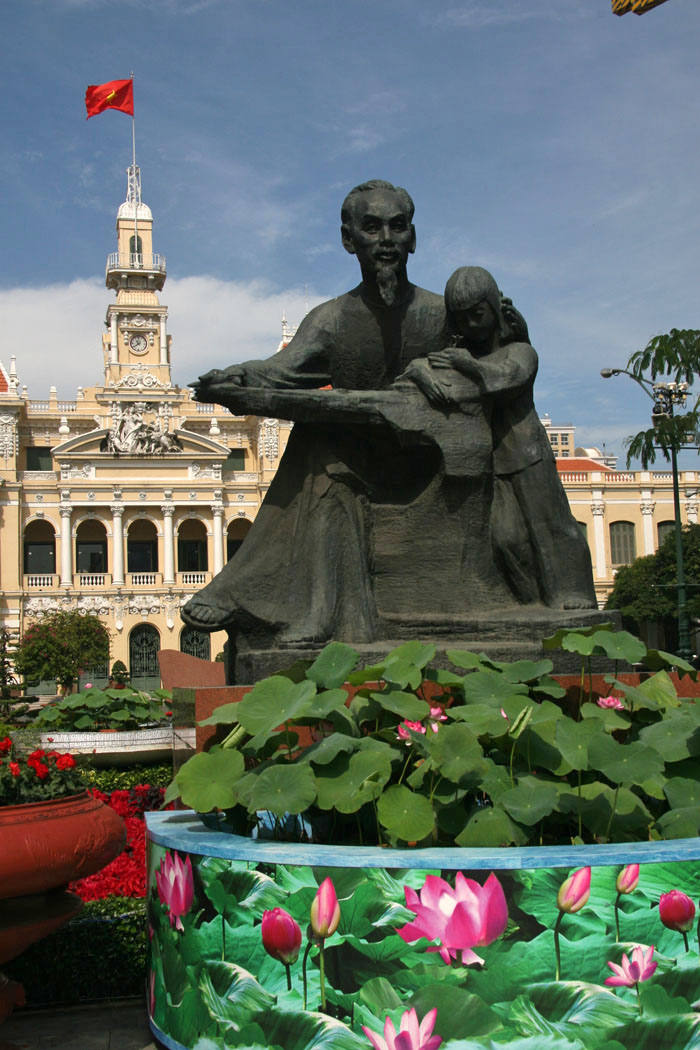
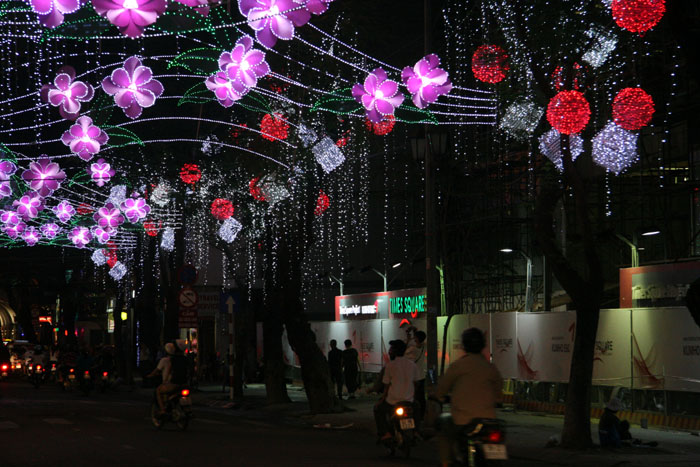
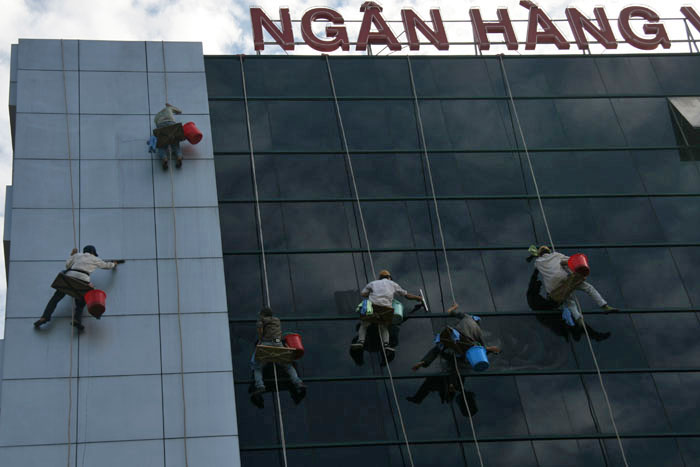
IMG_6854I don’t quite know what it is that has made me think of Vietnam recently. Maybe it was a casual mention in a conversation that made me realise that I don’t have a very vivid memory of the short time I spent in that country a couple of years ago. It was, after all, just a fleeting glimpse of the fat bottom end of a long thin country – a day in Ho Chi Minh City (Saigon) and a few days up the Mekong River.IMG_6933I wandered Ho Chi Minh City in a jet-lagged daze, stupefied by a body clock that badly needed winding and oppressive tropical heat that clung like a blanket. What did I do? I gaped at a few of the tourist sites I was told to look at. I dodged road-wide flanks of manic motorbikes (just wait until they get cars!), ate fishy, chilli-spiked noodles and bought, of all things, a copy of David Copperfield in a savagely air-conned bookshop (an unconscious hankering for the fictionalised Yarmouth coast perhaps?). The rest is a sleep-deprived blur, although I do remember Christmas lights – it was early January – incongruous as a Santa suit in steamy Indochina. The city, as I remember it, seemed an awful long way from the imagined sinful metropolis of Apocalypse Now and The Deer Hunter.IMG_6811I am also struck by the visa in my passport that reads: Socialist Republic of Vietnam. Ho Chi Minh City/Saigon – despite the reinvented name and the occasional remnant image of a wispy-bearded Uncle Ho, it was hard to imagine anywhere more unashamedly capitalist. The new moniker foisted on the city in 1976 seemed an ironic rebranding for a city that was firmly in the US camp throughout the war (The American War, the Vietnamese call it). One can only imagine the victors’ delight in defiantly renaming this southern capitalist city after their erstwhile northern communist leader. But a name is just a name – the USA may have lost the war but it was the West that inevitably won in the end. IMG_6844
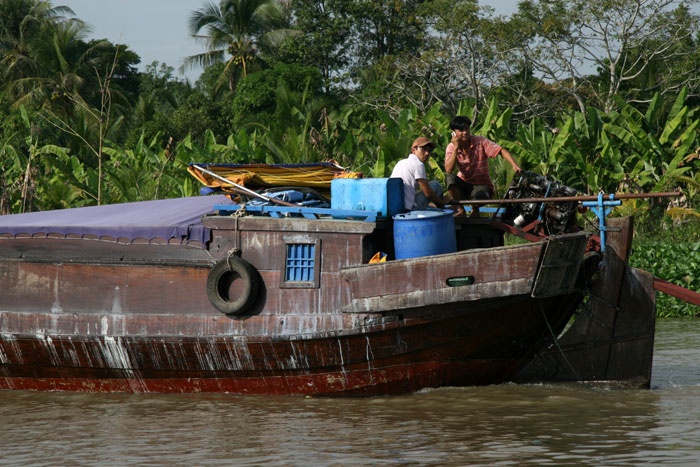
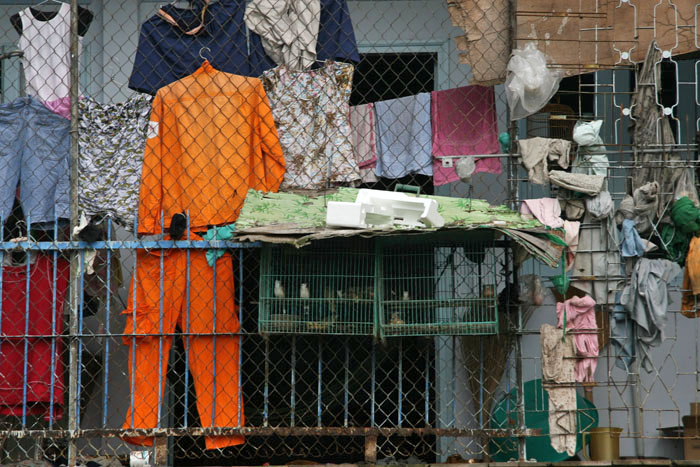
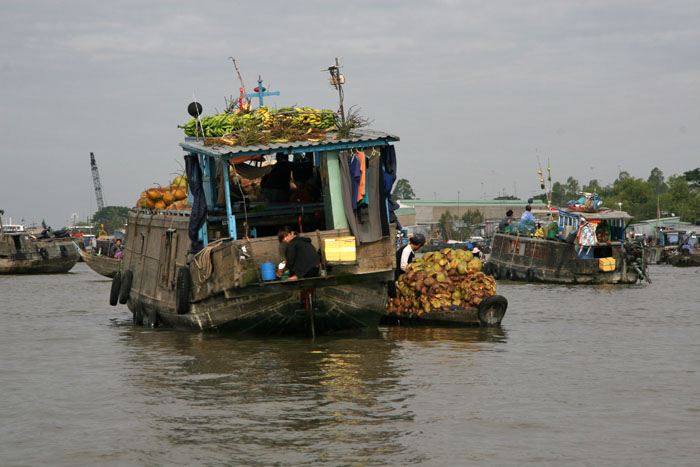
IMG_6919As for the Mekong, what stays with me most is its murkyy lifelessness. It took a day or two along the river before it dawned on me: despite fisherman eking a living from the river’s grey waters and insects aplenty, I slowly realised that there were almost no birds to be seen. No dipping kingfishers, no fish-spearing herons, no skeins of geese overhead; just an occasional swallow flitting nervously above the water. The first egrets I saw were dead: a sorry pair on display in a food market, a meagre meal for a poor family. Uncontrolled hunting and trapping, along with severe habitat depletion, appear to be the main reasons for this sad depletion of what, in a previous life, would have surely been a tropical paradise. IMG_7043A river without birds is a like a song without a melody. Things improved slightly as we approached the Cambodian border but really not that much – for the most part, the river remained the ideal film setting for a tropical version of Rachel Carson’s Silent Spring.IMG_7187IMG_7149IMG_7255
Into the Sunset

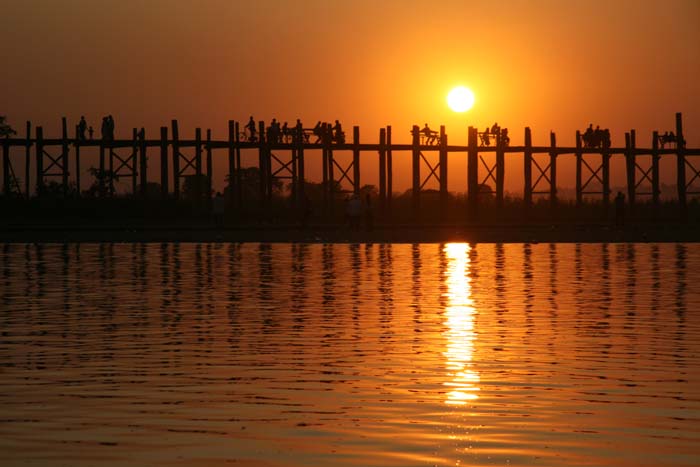
IMG_0645Today heralds the winter solstice in the northern hemisphere. The last couple of weeks leading up to this seasonal turning point have been characterised, in eastern England at least, by unseasonally sunny skies and sunsets so magnificent they seem to be defying the script that dictates that late December should be grim, grey and gloomy. These are short days, certainly, but days that have been beautifully illuminated by a cool, low-slung orange sun. Oddly enough, this has put me in mind of another orange sun in an altogether more exotic place.

IMG_0648

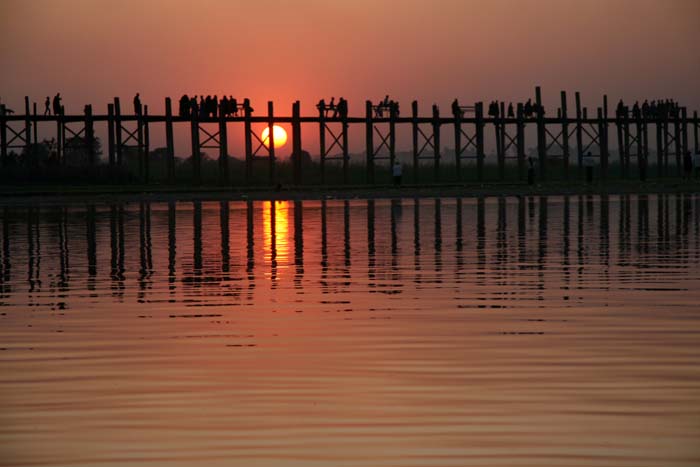
U Bein’s Bridge at Amarapura near Mandalay in Myanmar/Burma is a well-known tourist hotspot in that country. The 1300m-long footbridge is thought to be the longest teak bridge in the world but that is not really the reason why visitors flock here. The truth is: this particular bridge is so photogenic that if you have ever perused the glossy travel literature offered by tour operators that deal with Myanmar the chances are you will have already seen it. Tour companies tend to know what tourists want and U Bein’s Bridge is a prime example of how the iconic and visually appealing has been successfully commodified. If aesthethic capital were on par with economic capital then Myanmar would be a wealthy country.

IMG_0650

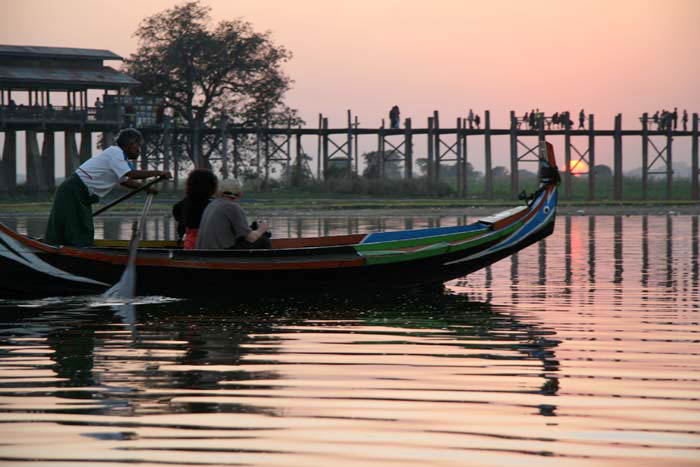
Tour leaders tend to make sure that their foreign clients arrive here just before sunset – just enough time for a short boat excursion on Lake Taungthaman to get the best shots. While the sight of the bridge silhouetted by the setting sun is undeniably lovely, the experience can seem somewhat surreal as hordes of freshly arrived westerners eagerly snap the scene from gently bobbing boats rowed by local fishermen. The  impoverished fishermen, who have never owned even the most rudimentary camera in their lives, are sufficiently familiar with the ritual to know exactly what to do and where to go. Meanwhile, the monks and villagers who obligingly cross the bridge and unwittingly silhouette themselves for the benefit of the foreign photographers seem oblivious of their walk-on role in this unfolding daily drama.

IMG_0655

IMG_0663

IMG_0668

IMG_0672

Rain

Lying in bed this morning with the curtains still drawn it was obvious enough that it was raining outside, the thrum of workday traffic softened to a watery swash. Soon the hum became augmented by the unmistakeable sound of running water on the street – the drains temporarily overloaded such that a little stream was flowing downhill along the kerbside for a brief minute or two. This soothing sound was soon interupted by the piercing screams of a group of girls on their way to school – ‘Aaargh! Oh my Gaaaad’ – more an exclamation on the shock of suddenly getting wet than any profession of faith. Extreme weather like this tends to provoke a reaction but we are lucky – this is about as extreme as it gets in dry, temperate East Anglia. This year, though, it seems hard to believe that this is the driest corner of the country.

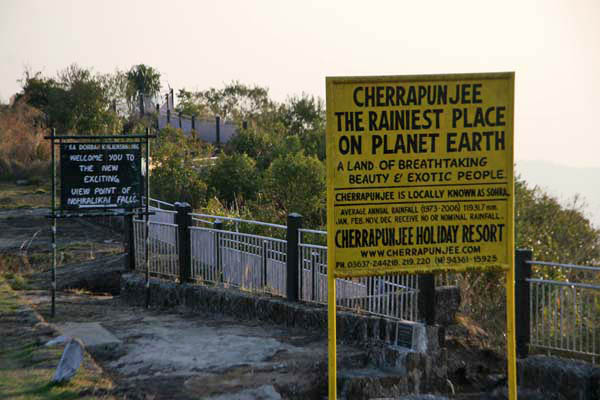
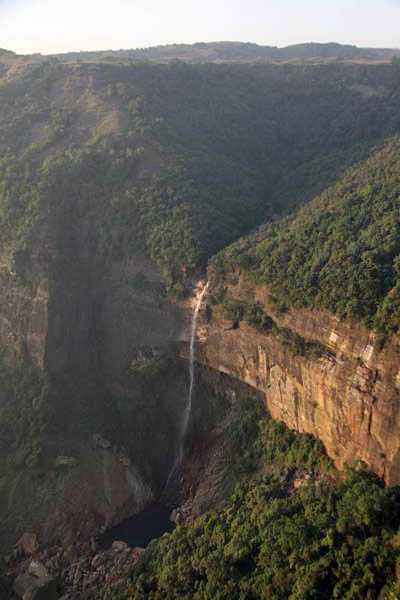
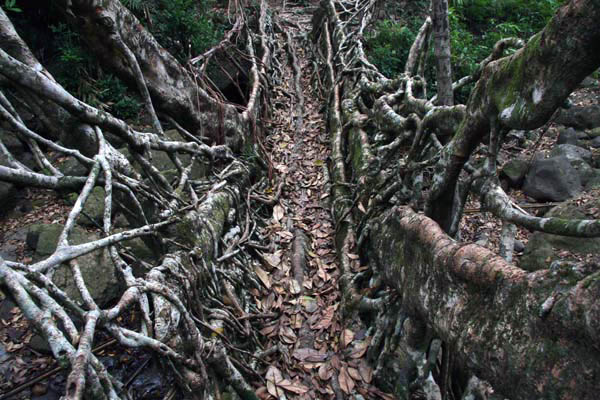
We had been warned: last night kindly TV weathermen had promised a month’s rain in a single day. This, on already saturated soils in many parts of the UK, did not bode well but at least here in Norfolk there would not be any major problems other than temporarily hazardous roads. It is all a matter of proportion, of course. To find really wet weather one has to venture much further east, to Meghalaya state in northeast India where the Cherrapunjee district holds the claim to be the wettest place in the world (although its soggy crown is challenged by neighbouring Maysynram, which likes to assert that it is just that little bit damper). Either way, it is wet: in excess of 12,000 mm per annum, and nearly 25,000 mm back in 1974, which is as much as some of us see in half a lifetime. I spent a happy week in this region a few years ago (admittedly in the dry season). You can read an article I wrote for Geographical magazine about the wonderful living root bridges of the Cherrapunjee region here.

Really wet days like this often put me in mind of places I am especially fond of – the English Lake District, the Scottish Highlands, monsoon India, Meghalaya. I remember washed-out camping holidays with long hours spent peering out of tents looking for a break in the clouds; taking shelter from the monsoon to drink sweet chai in an Indian teashop while the street outside turns into a muddy culvert; the sour smell of city pavements after heavy rain. I am also reminded of my favourite Beatles track, which features Ringo’s finest drumming, superb McCartney bass and a psychedelic backwards-vocals coda for good measure: Rain.

Iranian Street Art

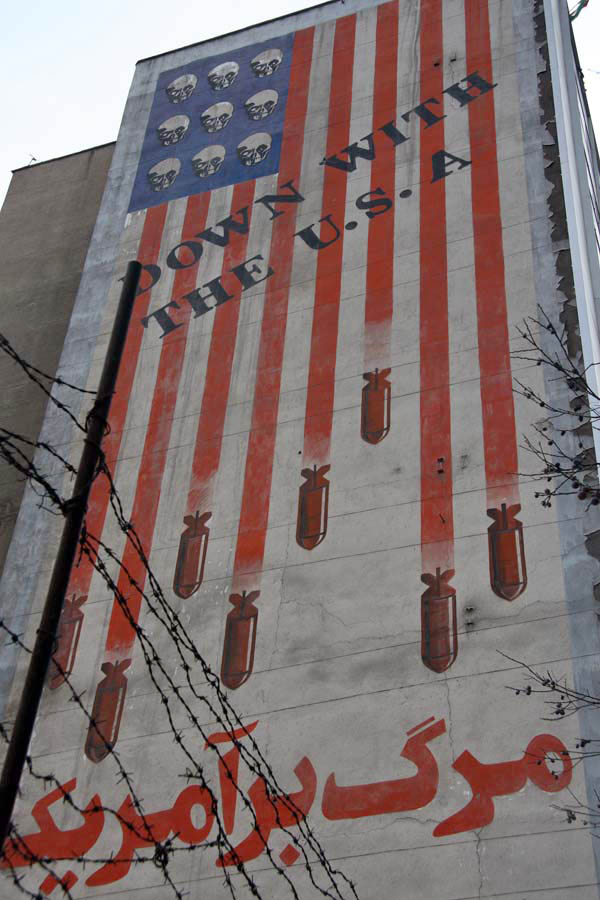
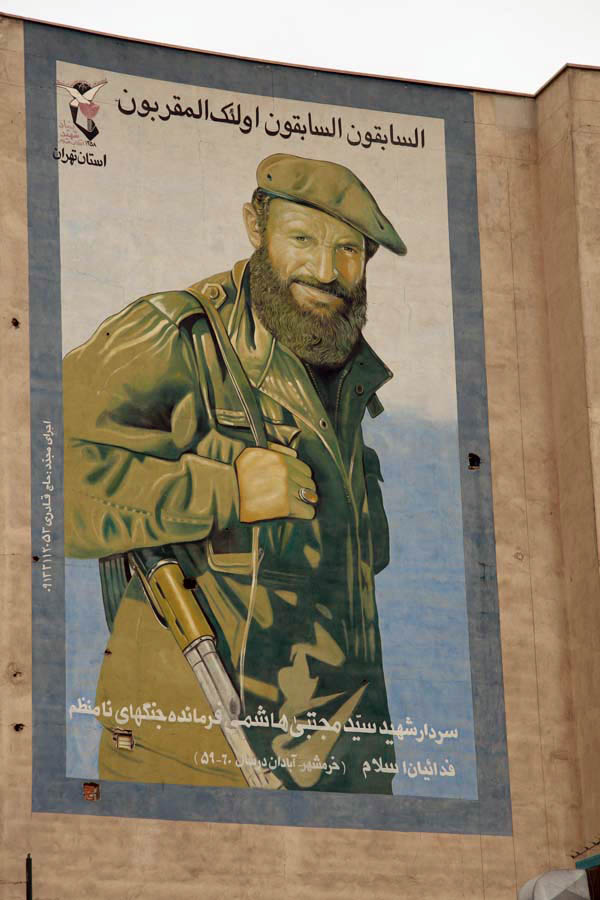
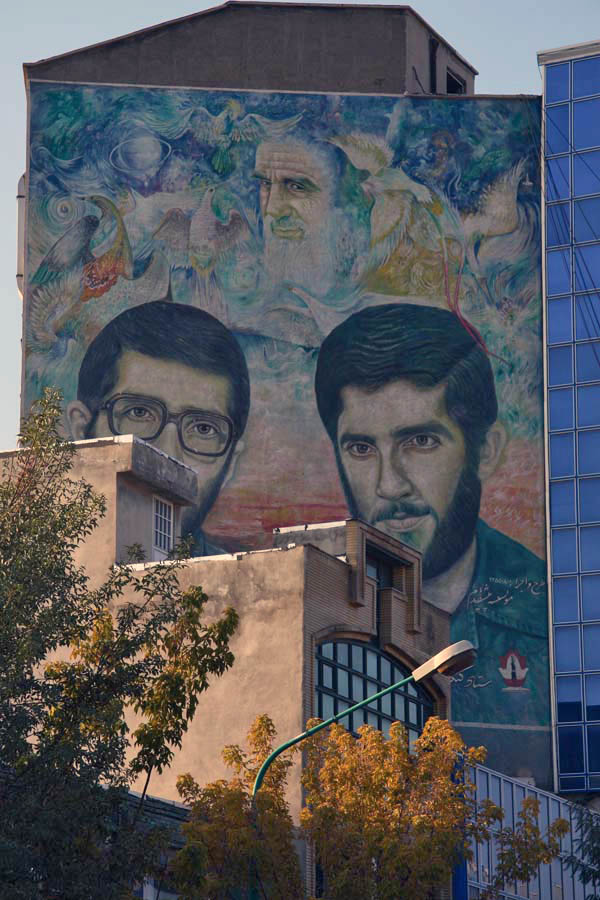
It is strange how what might be seen as radical and subversive in one culture is considered mainstream in another. Street art, wall murals and the like have nearly always belonged to the radical tradition in the West – Belfast’s paramilitary gables, both Loyalist and Republican, spring to mind. By its very nature, street art is art for the people – no fee, no exclusive gallery, it mocks those in power or at least makes a statement about some sort of alternative politics, subculture or way of life.

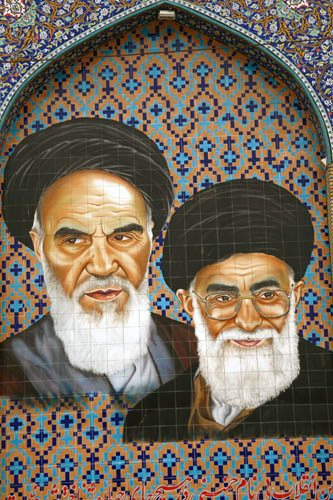
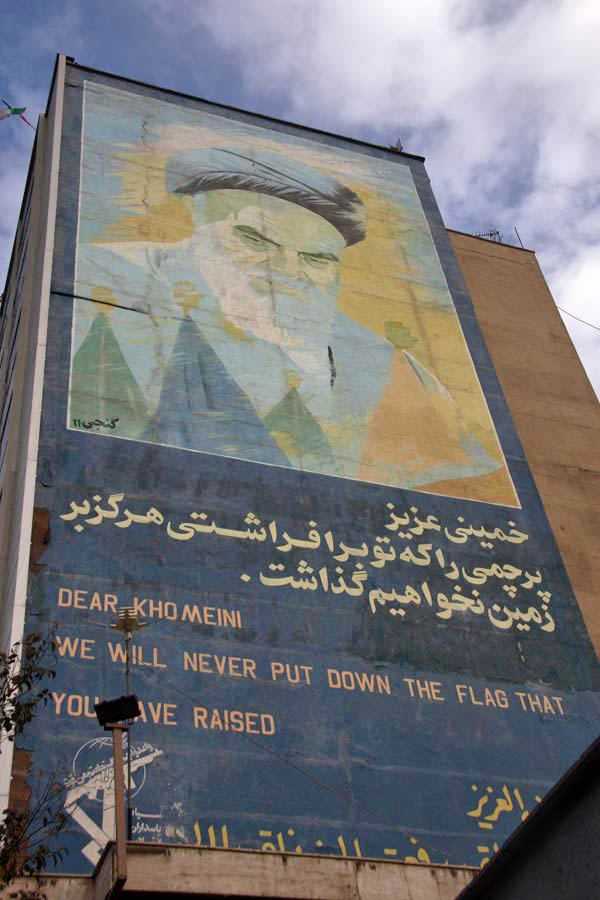
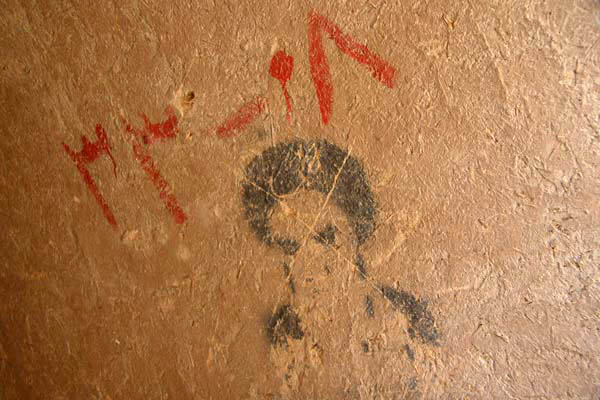
In Iran though, street art is officially sanctioned and  widely utilised to echo the government line. The subject matter is predictable – religious leaders, holy martyrs, Koranic verses and Western aggression (especially that of the USA). This is not to say that it is not creative and well-executed. Occasionally it might even be a little ambivalent and open to interpretation. But dissenters – and in Iran there are many who are not at all happy with their current theocratic governance – have to find alternative means of airing their views: Iranian street art represents the status quo rather than edgy subversion. In a way, it is the equivalent of the British government recruiting ‘Urban’ musicians to rap about the need for social service cuts and fiscal restraint. Art as non-protest.

These images from Tehran, Isfahan, Yazd, Hamedan and Orumiyeh were taken during my visit to Iran in late 2008.

Ghosts of the Aral Sea

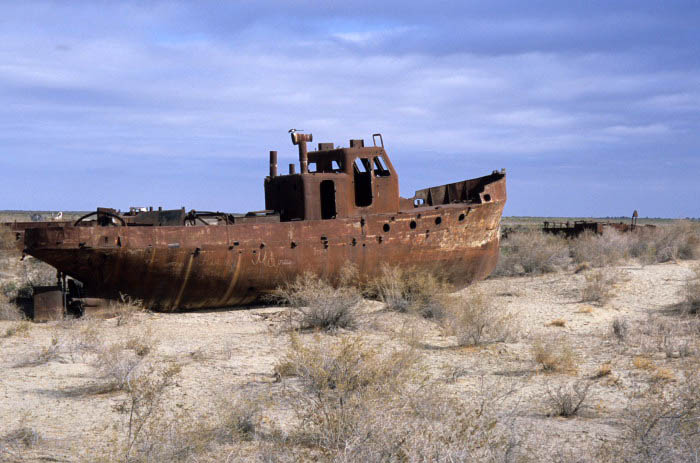
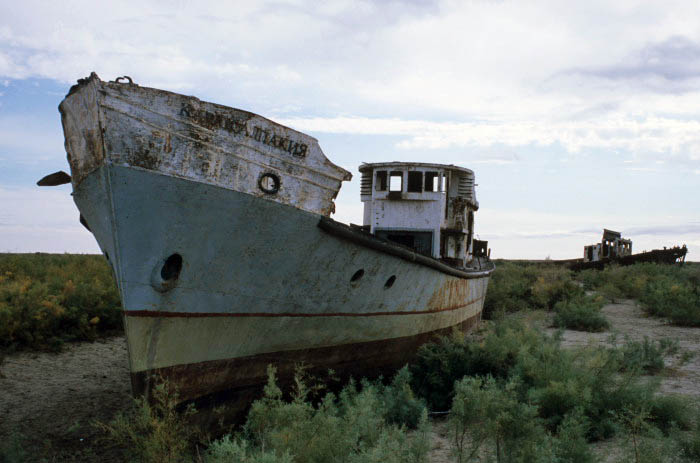
To continue from the earlier post about a hotel that thought itself a ship, here are some more landlocked boats. These, though, are real ones – the rusting remains of what was once a large fishing fleet on the Aral Sea in central Asia. The Aral Sea, which at one time was the world’s third largest inland sea, has shores in both Uzbekistan and Kazakhstan. Or rather it did have – it has now almost completely dried up (you might want to check it out on Google Earth).

It is a depressingly familiar story – large scale environmental damage thanks to government incompetence. In this case, the government was that of the Soviet Union, which diverted a vast volume of fresh water from the Aral Sea in order to grow huge expanses of cotton in Uzbekistan – a very thirsty crop in a very hot country. The fishing fleet used to catch several species of fish here, and much of the haul was transported an awful long way by train to the Baltic coast for canning. The main fishing port on the southern shore was Moynaq. Now the boats lie stranded just off the former shoreline. The water, such that remains – saturated with pollutants and virtually devoid of fish – lies hundreds of kilometres to the north.
Given mass employment, isolation, heavy metal pollution and an uncaring post-Soviet government in far off Tashkent, Moynaq is not a happy place.

I visited Moynaq by taxi from Nukus to the south. It was certainly the longest taxi ride I have ever taken – 220 kilometres each way – but even so I managed to bargain a return fare of just $60 (petrol is cheap in Uzbekistan, so is time). The road was surprisingly good, and we speeded north through Karakalpakstan (an autonomous republic within Uzbekistan that translates literally as ‘the land of the black hats’), through a flat landscape of cotton fields, reed beds and poplars yellowing with the arrival of autumn. The driver put his foot down and it took just a little over two hours to arrive at the erstwhile port.

In Moynaq, the scene from the ‘shore’ was both poignant and surreal: scrubby vegetation, sand and rotting boat hulks as far as the eye could see, everything shimmering slightly in a heat haze – the unwordly setting for a Sergio Leone Western that would never be made. My journal records it as ‘a sort of post-apolcayptic Wells-next-the-Sea where the tide never comes in’, and that seems reasonable enough. Away from the absent sea, the town itself, with its depressed air, street corner groups of listless youths and tangible taint of pollution, simply gave the impression that even with full employment, fishing and fresh water it would still be a dump. Now Moynaq was just a neglected and forgotten backwater… without the water.

(For another tale about another former Soviet fishing port now fallen on hard times you can read this about Balykchy, a threadbare port on Kyrgyzstan’s Lake Issyk-Kul.)

Nukus, where I had based myself for the dash to the rusting Aral fleet, was marginally better, although it had none of the Silk Road allure of other cities in Uzbekistan like Bokhara, Samarkand and Khiva, which despite heavy-handed reconstruction still hold  romantic appeal. Oddly enough, what Nukus does have is an incredible art collection. The Karakalpak Museum of Arts has a fantastic display of modernist work from the 1920s and 1930s that was collected by the artist Igor Savitsky (1915-84) and safely squirrelled away here in this distant corner of the former USSR. Here, far from Moscow, supposedly counter-revolutionary work such as that of the Russian avant garde managed not only to survive but also to go on display alongside ‘approved’ works of Soviet realism. There are even some who say that, in terms of Russian and Soviet art, the Nukus gallery is second only to the far more famous collection in St Petersburg’s Hermitage.

Lake Baikal

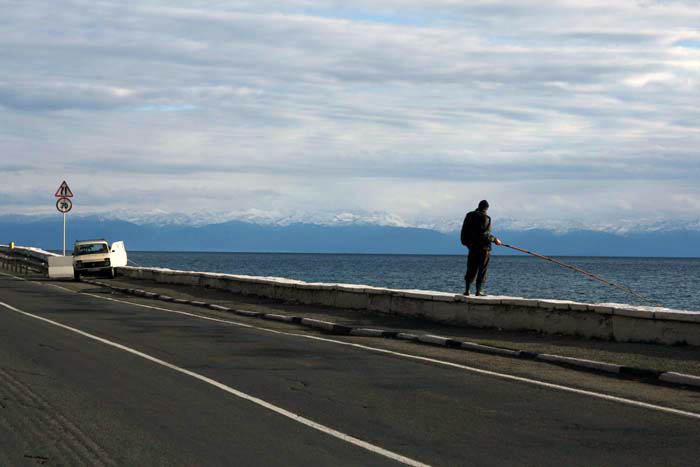
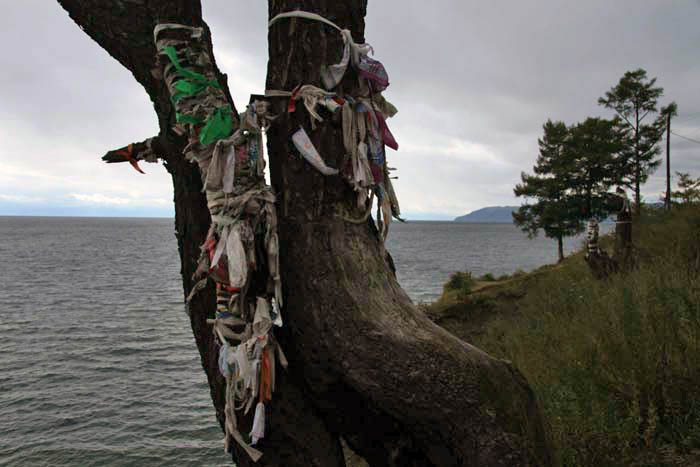
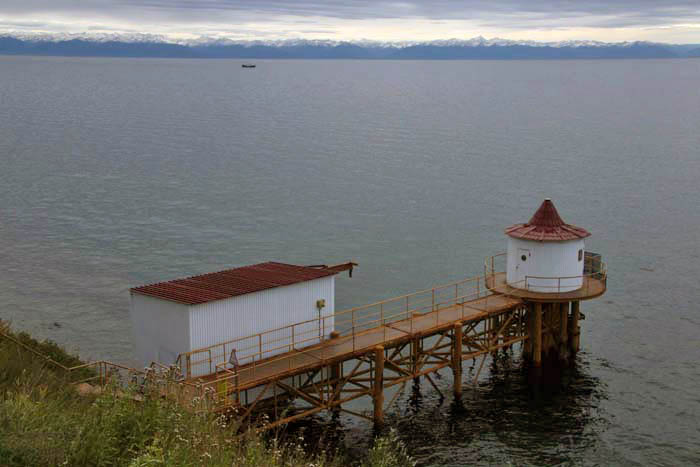
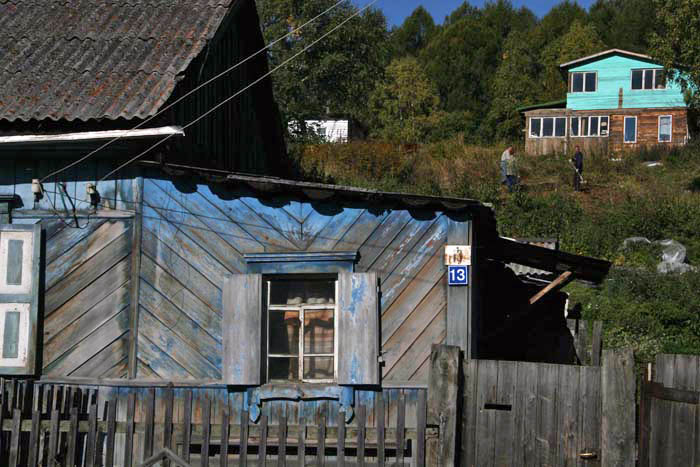
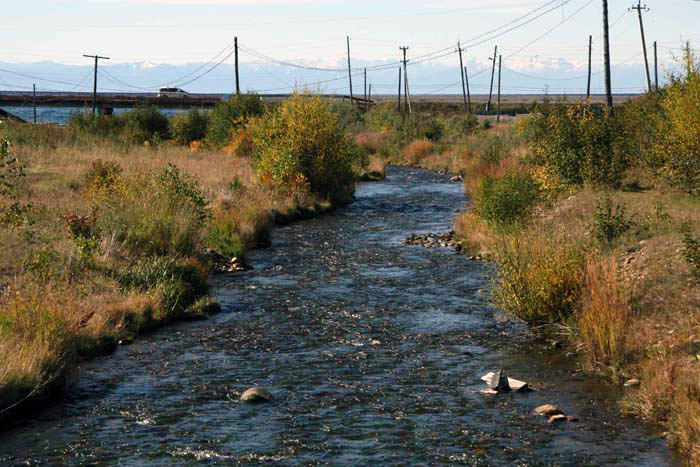
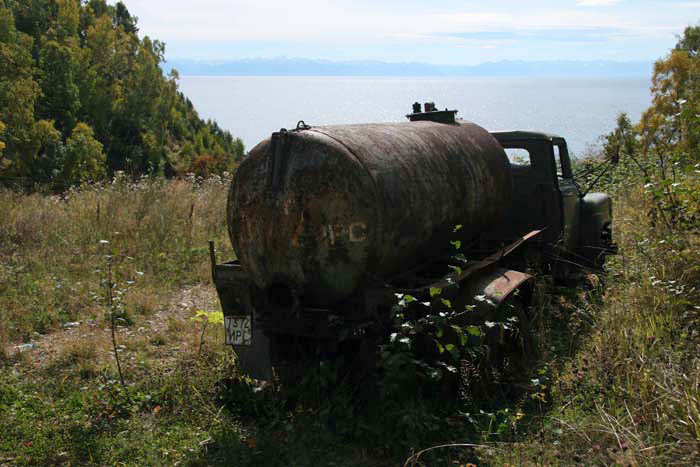
Listvankya on the northern shore of Lake Baikal in east Siberia is a small fishing village and port that also serves as a holiday destination for Russians in the short Siberian summer. By late September summer is definitely over and there was a melancholy end-of-season feel about the place when I visited in 2010. It was also surprisingly cold and the fact that Lake Baikal freezes so solidly in winter that you can drive trucks over it seemed perfectly believable.

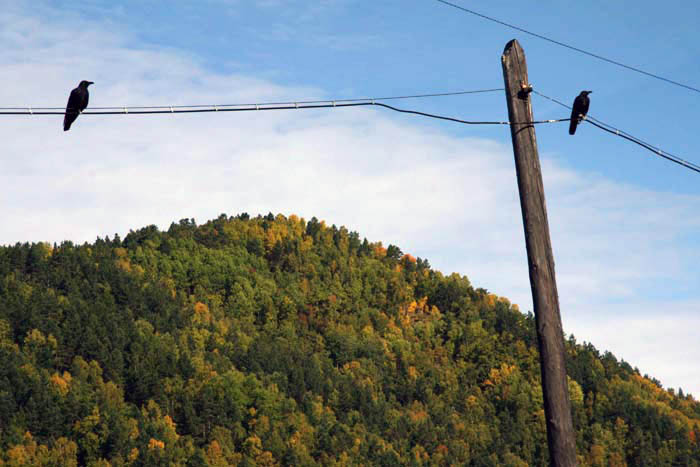
This was the furthest east I got on that trip, having arrived in the nearby city of Irkutsk on the Trans-Siberian railway from Moscow. The Russian tourists had all left Listvyanka by the time I arrived and apart from a few fishermen, a handful of locals and a large population of ravens I had the place very much to myself.

Pink

I  will let the pictures do most of the talking in this post.

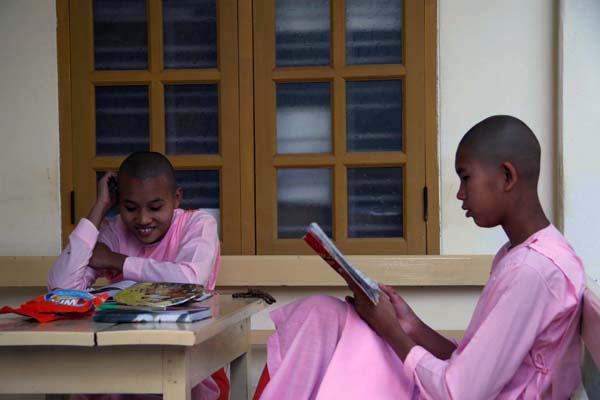
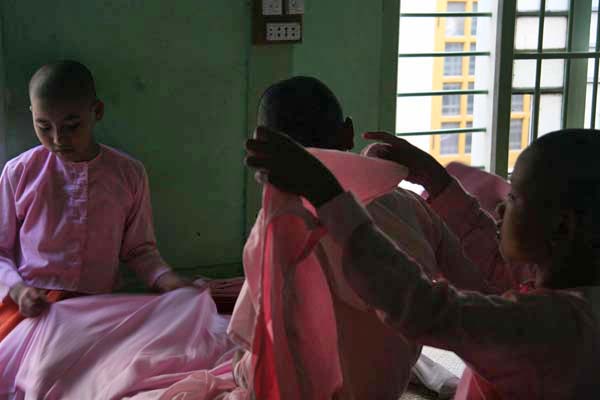
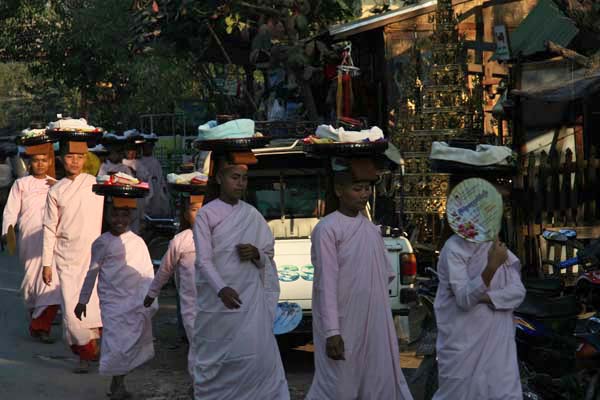
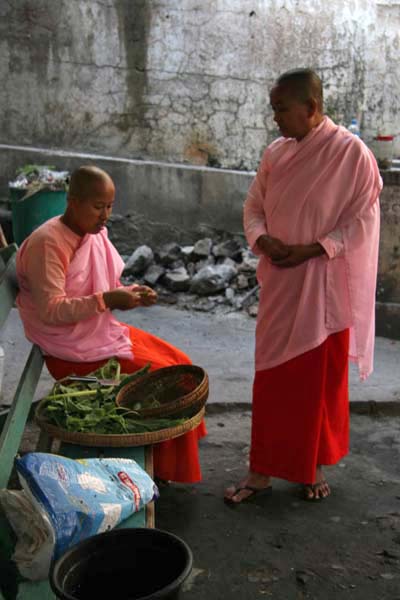
Buddhist nuns in Myanmar always dress in a fetching pink colour. A nun’s life is tough but they seem cheerful enough, collecting alms in the market, studying Pali sutras or sorting out clothes at the nunnery. The commitment is actually finite, as most Burmese girls only join the nunnery for a period of a few weeks at a time.

As with Burmese boys, time spent in monasteries is viewed as a right of passage and it is considered an honour for the family to have their child wear robes for even a short period. Naturally, it brings good karma too.

Young nuns at Mingun nunnery and at Amarapura market, Myanmar

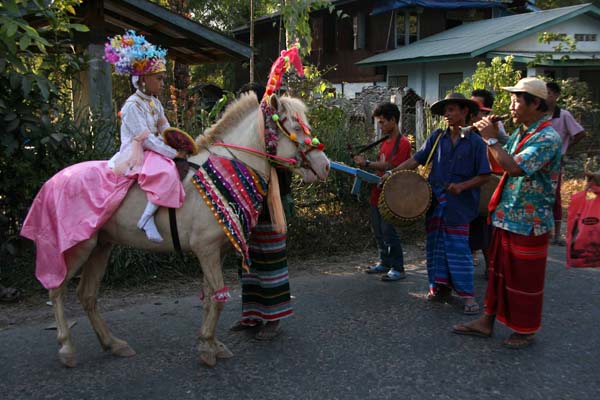
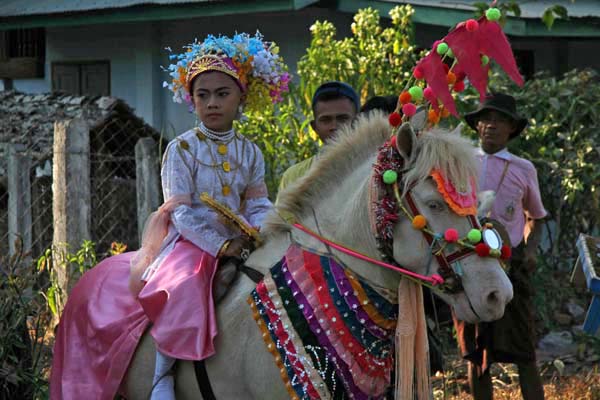
The character below is actually a boy, despite the makeup and pink get-up. He is on his way to a monastery to become a monk for a few weeks. The boy is accompanied by villagers who sing stirring valedictory songs to him as he rides along on his pony. Most of the village seems to go along for the ride – it is a party atmosphere and drink (palm toddy perhaps) has certainly been taken by some of the happy entourage. Remarkable as it may seem, this is the sort of chance event that you stumble upon every day of the week in Myanmar.

Young novice processing to Buddhist monastery near Hpa-an, Myanmar

The Road to Moulmein

‘By the old Moulmein pagoda lookin’ lazy at the sea

There’s a Burma girl a-settin’ and I know she thinks o’ me’

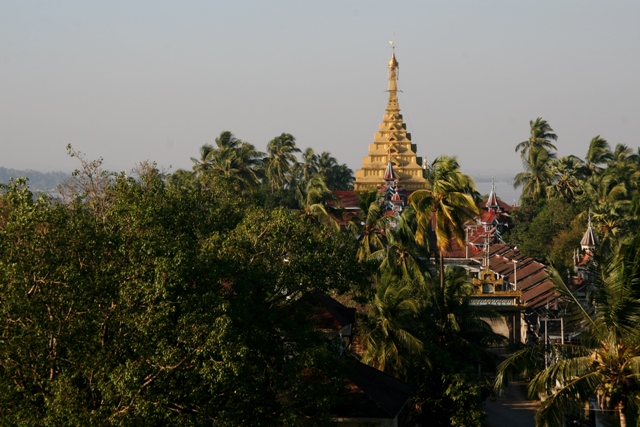
These words by Rudyard Kipling form the opening lines of the Road to Mandalay, an evocative poem that manages to capture the mysterious spirit of the East as seen through Western eyes. The work holds such an important place in the colonial canon that it comes as a surprise to discover that Kipling only spent a total of three days in Burma (now known as Myanmar). What is more, he never actually set foot in Mandalay itself. He did, however, briefly visit the southern coastal city of Moulmein (now known as Mawlamyine or Mawlamyaing) and it was the sight of a beautiful Burmese girl climbing the hill on her way to the city’s Kyaikthanlan Paya pagoda that inspired Kipling’s muse in this instance.

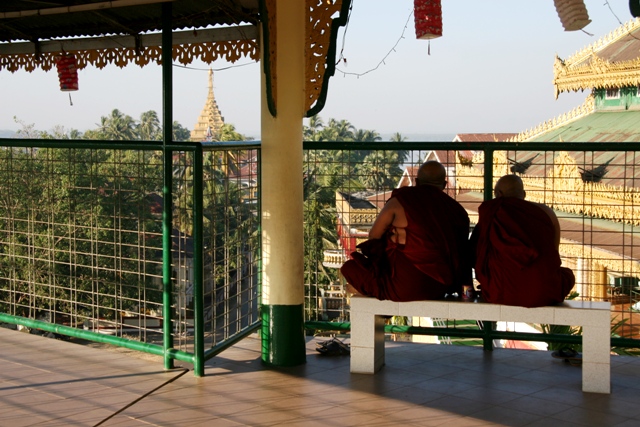
Kyaikthanlan Paya is the most prominent of a number of glistening Buddhist stupas that line the high ridge bisecting the city. Having arrived in Moulmein by means of a nine-hour train journey from Yangon in which the buckled rails made us bounce in our seats like cantering equestrians, a leg stretch seemed in order and there was just enough time to pay a visit to the pagoda before darkness fell. As things turned out I did not walk all the way up to the top as halfway up to the temple complex an elderly gentleman stopped to offer me a pillion ride on his motorbike. Such events are not out of the ordinary in Myanmar; after just a couple of days in the country I was already aware that thoughtful yet undemonstrative gestures like this were commonplace.

Watching the sun set over the sea from the viewpoint beneath the temple I met another old man who seemed delighted when I told him I was English. I am not sure if this was because he simply approved of my nationality or whether he was just pleased to have the opportunity to use the English he had learned long ago in school. Either way, the warmth seemed entirely genuine. ”It is a pleasure to see you here. I do hope we can meet here again”. (We did, the following day).

As previously mentioned, Kipling did not spend long in Moulmein – just enough time to pen his famous poem and take a fancy to a local beauty. The novelist George Orwell, on the other hand, had a far stronger relationship with the city. Orwell’s mother’s family came from Moulmein and it was also here that he underwent training with the Burma Police Force. This and subsequent Burmese experience would provide raw material for Burmese Days, his first novel and a damning account of British colonial life in which most of the colonial characters seems to be alcoholic, racist or both.

Moulmein also provides the background for Orwell’s 1936 memoir Shooting an Elephant, a work that opens with the arresting line:

‘In Moulmein, in Lower Burma I was hated by large numbers of people – the only time in my life that I have been important enough for this to happen to me.’

Wat Phou

Get there early – this is the sound advice usually given when visiting popular tourist sites. This is exactly what I did in Siem Reap, Cambodia when visiting Angkor Wat a week or so ago but it seems like several thousand others also had the same idea. As I tuk-tuked my way into the vast ancient complex the site was already crawling with a vast number of hot and sweaty camera-clicking visitors – mostly large tour groups obediently following their guides over the stones like human snakes. All I could do was join them in the fray.

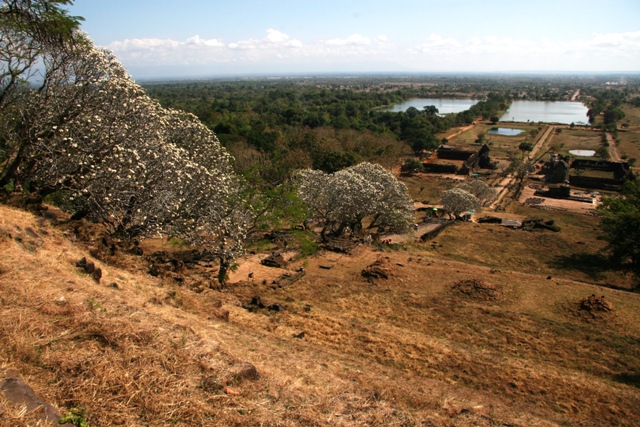
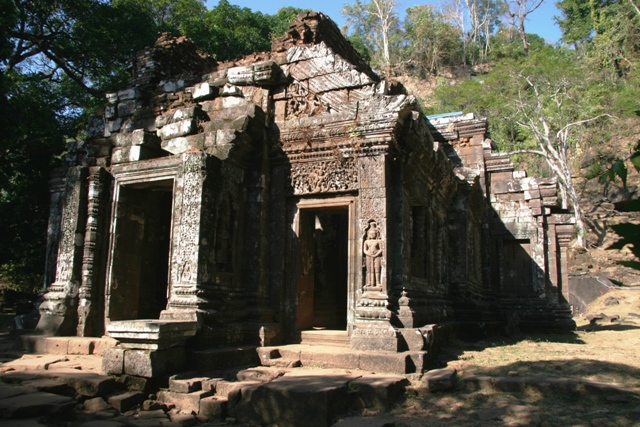
Wat Phou in southern Laos is another ancient Khmer site. While it may not have the enigmatic stone faces of Angkor Tom’s Bayon, or be as enormous in scale, it makes up for it with a gorgeous hillside location close to the Mekong River -that, and a lack of crowds.

A couple of days ago, I got up at sunrise – it is difficult to sleep late in steamy, low-lying Laos. After a quick breakfast watching the sun lift over the Mekong, I hired a bike – a much-abused machine that misleadingly bore the name ‘Turbo’ – to cycle the 10km to the site. Forty-five minutes later, I arrived at the entrance to Wat Phou on my squeaky ‘ladies’ shopper’. The dusty road that lead there was the sort of terrain that most cyclists would probably consider ‘off-road’ – but it was an interesting pedal alongside dry paddy fields and through tiny villages where the day was just starting as people burned joss sticks and prayed in front of the bird table-like spirit house that stands in front of every house, however modest, in the country.

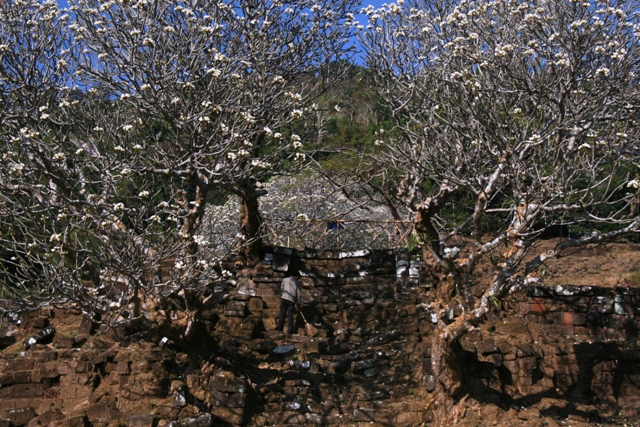
A processional way leads through the Wat Phou temple complex, passing between large baray or ceremonial ponds before climbing steps steeply up the hillside up to the sanctuary itself. The steps were lined with flowering frangipani trees so voluptuously aromatic that you could almost eat the air with a spoon. Pleasingly – or should I say, smugly – I seemed to be the first to arrive. First, apart from a few locals who were setting up their pitches at the top selling shrine offerings and soft drinks. With the place to myself, I made a leisurely tour of the sanctuary, originally Hindu, now Buddhist, seeking out the sacred Shiva spring, the rock-carved elephant and crocodile, and the library. I never did find the Buddha’s footprint but it was a pleasure to survey the shimmering plains below from this breezy elevated viewpoint beneath the deep shade of mango trees.

Eventually, a few others arrived – a friendly Lao-American family, a couple from Manchester who were staying at my guesthouse. Later still a few small tour groups turned up, French and German mostly. Even then it was hardly the circus that Angkor Wat seems to have become these days. Wat Phou may not be ‘undiscovered’ but it is certainly very low-key when compared to its sister site to the south in Cambodia. And let us not forget, Wat Phou is also the older of the two.

Mekong musings

This post comes from somewhere firmly east of Elveden – from Southeast Asia or, more precisely, the deep south of Laos.

Last week was spent travelling along the Mekong River from Ho Chi Minh City, Vietnam north into Cambodia. Then, courtesy of Lao Air, a quick crossborder turboprop hop from Siem Reap to Pakse in southern Laos.

Angkor Wat near Siem Reap was, of course, astounding but the vast crowds and grey-skied humidity were debilitating and within a few hours I found myself to be in that state universally known as ‘templed-out’. Angkor Wat, Angkor Tom and the other religious sites around Siem Reap are by far the country’s biggest draw but elsewhere Cambodia is a poor and savagely scarred place. Quite understandably, almost everyone over the age of 40 seems to have a haunted look, although these survivors of the Khymer Rouge period will tell you that contemporary Cambodian youth simply doesn’t want to know about the horrors of the past. The dreaded Killing Fields just outside Phnom Penh and the city’s infamous S-21 prison are just as bad as you might imagine – even worse perhaps. The continuing tragedy is the fact that several erstwhile senior Khymer Rouge officials still hold high-ranking government posts. These are the ones that parade around Phnom Penh in black-windowed Lexus, eating at fancy air-conditioned restaurants while the vast majority of the population barely scrapes a living farming rice in the hinterland.

Laos – or rather the People’s Democratic Republic of Laos – feels different. Poor certainly, but seemingly a happier place despite its unenviable reputation as being, in per capita terms, the world’s most heavily bombed country of all time – this, during The Vietnam War (or, as they call it in Vietnam, ‘The American War’).

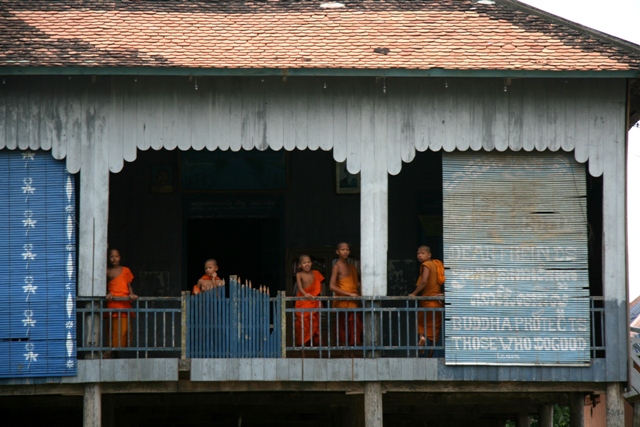
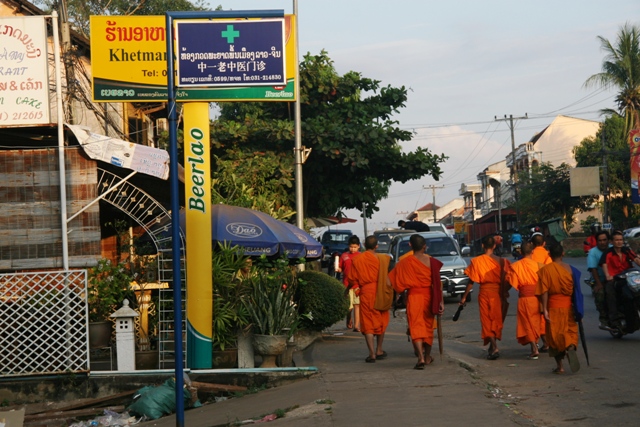
Stopping for a coffee this morning at a place that serves as an outlet for local organic coffee production there was no coffee to be had as the machine had just broken. So I drank tea instead and listened as a table of saffron-clad Buddhist monks start chanting as soon as they had finished their noodle soup. No-one reacted in the slightest: monks are everywhere here; an almost quotidian part of Laotian daily life. In Laos, the future may be orange, but so was the past.

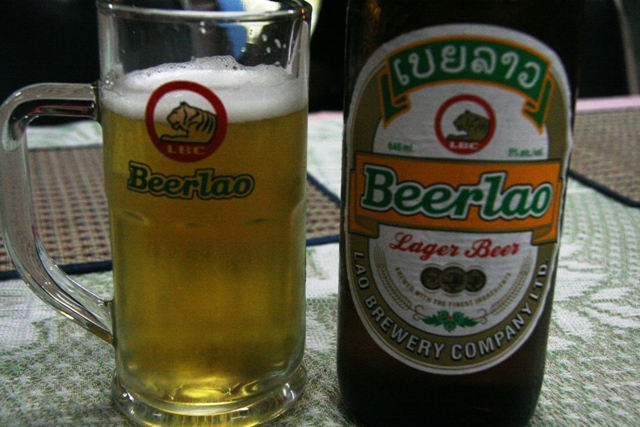
Another ubiquitous sight here is advertising for Beerlao, the nation’s favourite beer.  The beer – pretty tasty by the way – is sold everywhere in no-nonsense 640ml bottles. Everywhere, too, are the yellow signs that advertise the brew, as well as beer mats, table cloths, menu covers, waitresses’ aprons and café clocks. Its cheerful yellow and green logo is so widespread here in Laos that Beerlao appears to fill a semiotic niche even more comprehensively than Coca-Cola manages throughout much of the rest of the developing world. Unusually, signs advertising the familiar fizzy sweet are nowhere to be seen.

As the Hermetic philosophers might say:

As above, so Beerlao.