Winter Light

IMG_7877

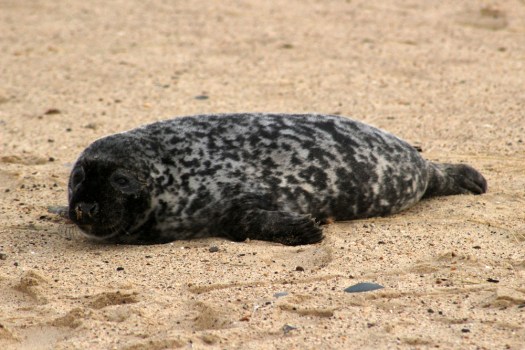
Even in winter, the northeast Norfolk coast has its attractions, especially over the Christmas and New Year period when many flock here to see the grey seals that come to the beaches of Winterton and Horsey to give birth. For many it is an annual outing, an opportunity to walk off seasonal excesses, to get close to nature, to delight in the spectacle of the seals and their pups. Some are tempted to get too close, of course, but these days a dedicated army of volunteers in hi-vis orange jackets ensure that visitors and their naturally curious dogs do not disturb the vulnerable animals on the beach.
IMG_7838

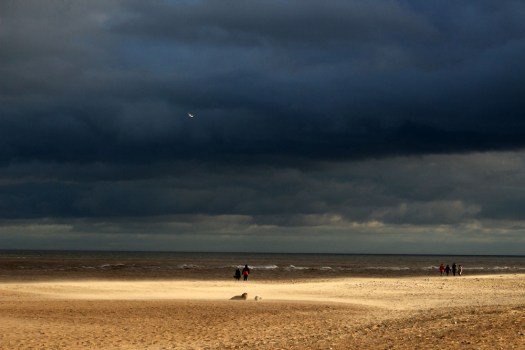
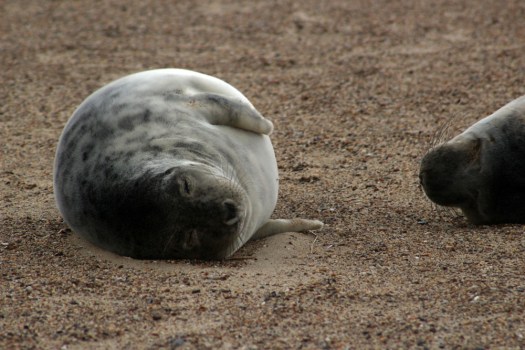
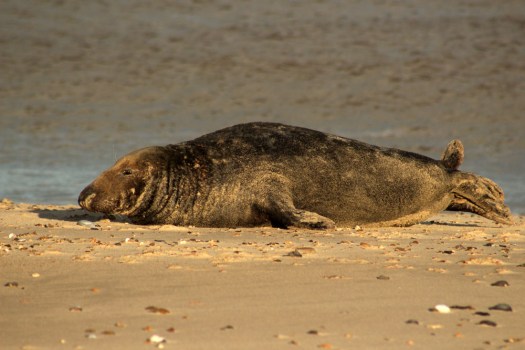
We arrive to find grey seal mothers and their fluffy-coated pups scattered like driftwood along the shoreline. Some are on the sand close to the breaking waves, while others are further inshore along the tideline, or even in the hollows of the dunes that back this coastline. Here and then along the beach, a hefty bull seal waddles in awkwardly from the surf to try his luck with one of the nursing females – this is the season for both breeding and mating.
IMG_7809

IMG_7859

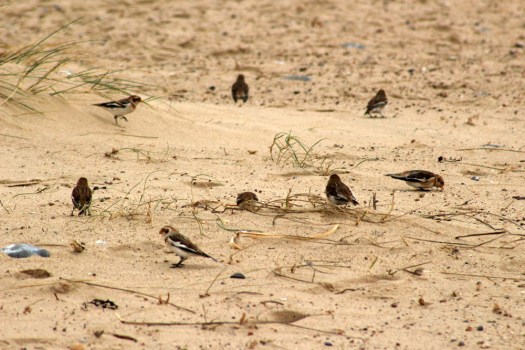
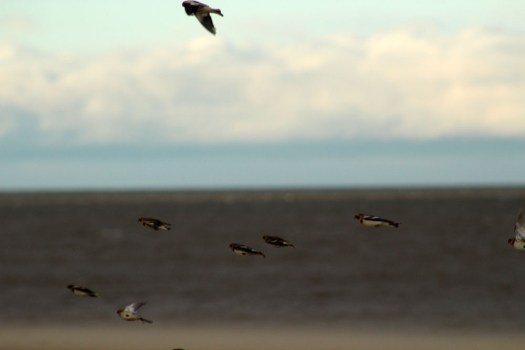
The seals are not the only creatures of interest here today: walking north along the beach, a small flock of snow buntings – perhaps 20 or 30 birds – rise like a flurry of sleet on our approach before setting down again a little further ahead. Winter visitors from much further north in Scandinavia and the Arctic, they resemble frosted sparrows as they peck busily at the seaweed, sticking close together for security.
IMG_7759

IMG_7828

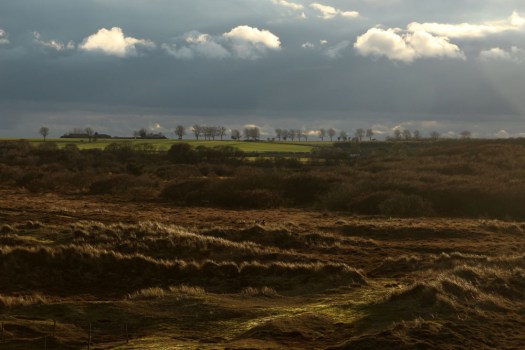
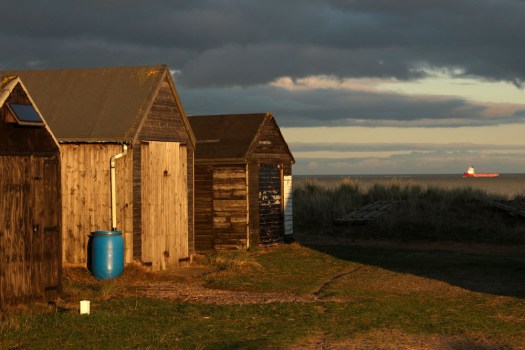
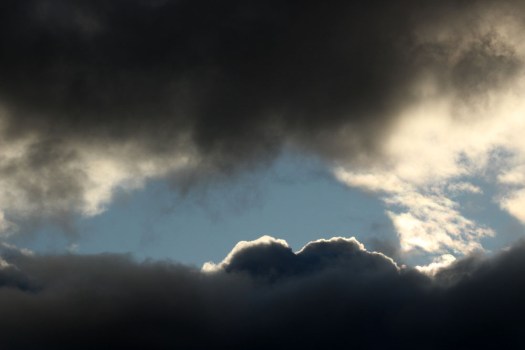
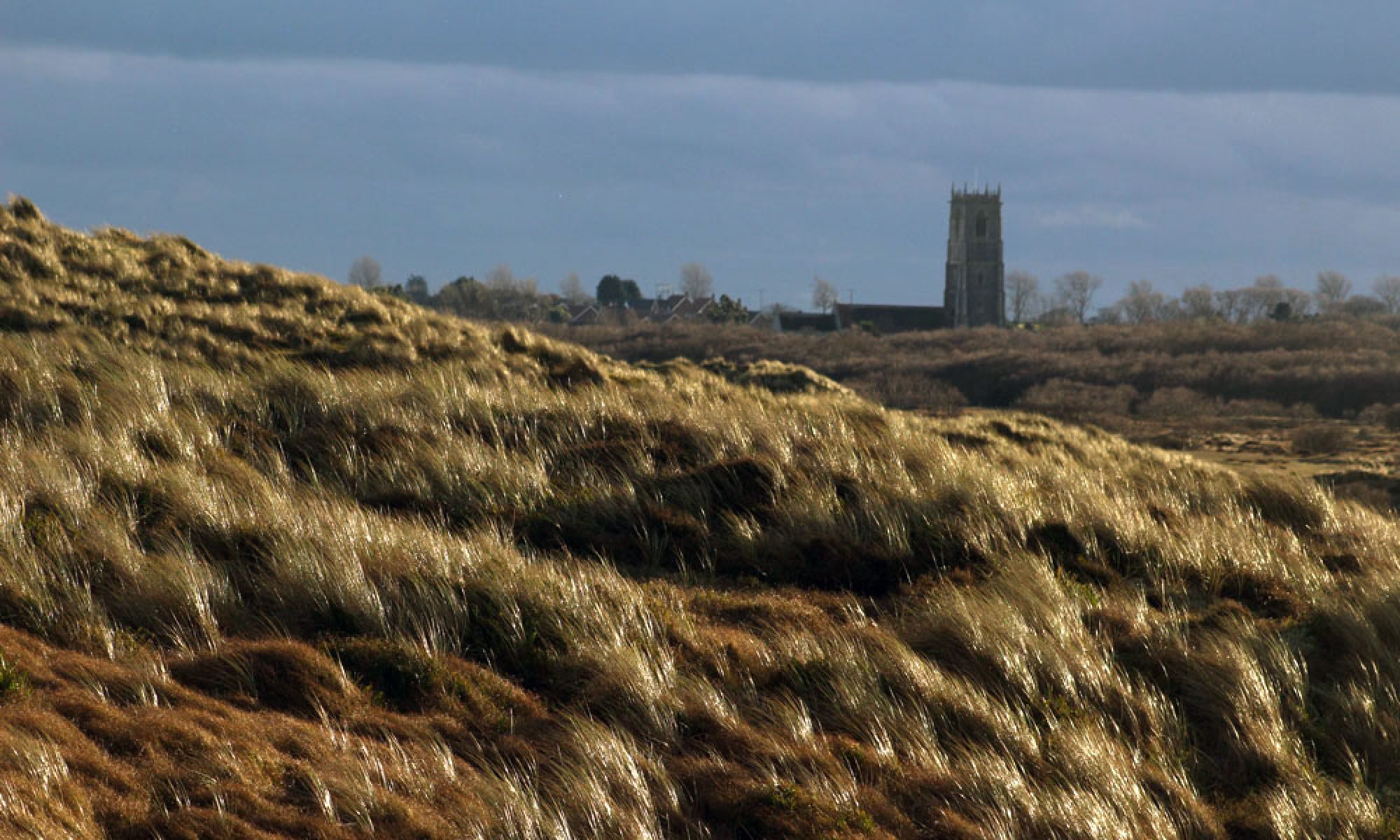
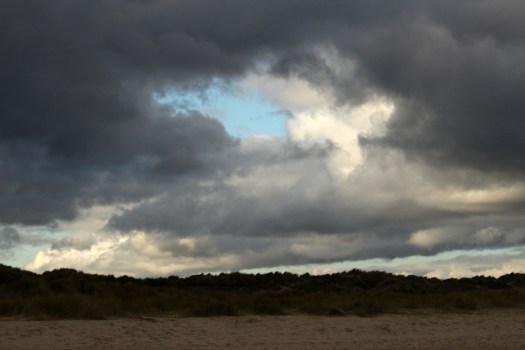
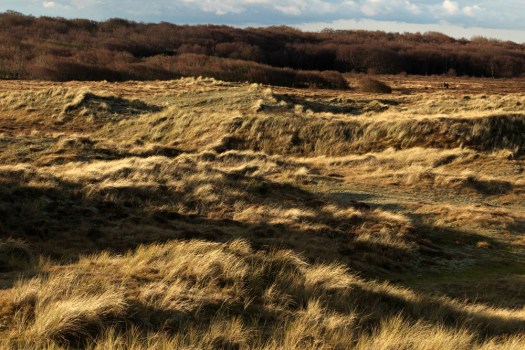
The seals and birds are engaging but the real star this cold January afternoon is the quality of the light, which morphs from gloom to gleaming in the space of half an hour. At first it seems as if the sky is weighed down like stone beneath a dense slate-grey sheet of stratocumulus but cracks soon appear and, like a hagstone held to the eye, an opening forms in the clouds to reveal the blue that lies beyond. As the sun loses height  beneath the cloud layer, shafts of pale golden light break through. The play of light on the dunes invokes a ghostly atmosphere. The wind-bent marram grass of the dunes, caught in the glow, seems almost fluid – an impressionist rendering of a wave-tossed ocean. In the distance, beyond the luminous marram, the Perpendicular tower of Winterton’s Holy Trinity and All Saints’ Church rises loftily above the crouched bungalow roofs of the village. This fleeting serendipity of light gives the scene a numinous quality, an eerie supernatural glimmer. It is a scene that might be co-opted for the cover of a book of ghost stories – a lost work by M.R. James perhaps.
IMG_7735

IMG_7890


IMG_7928

IMG_7991

IMG_7816

IMG_7818

Blakean Spirit

81513110_10156866786633479_8772260888632623104_n

I wander thro’ each charter’d street,

Near where the charter’d Thames does flow. 

And mark in every face I meet

Marks of weakness, marks of woe.

William Blake London

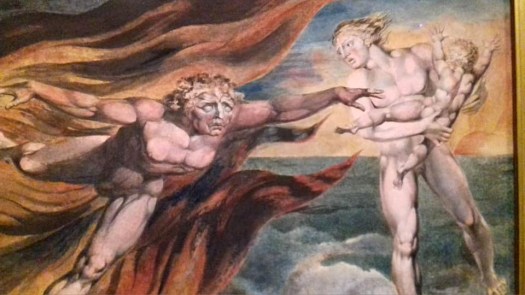
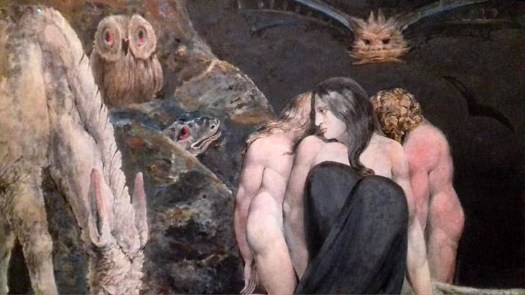
Last week I paid a visit to London to go and see the Blake exhibition at Tate Britain. Every visit to London – not so frequent these days – seems to reveal yet more new building projects, more cranes on the skyline, more high blue fences. Multinational finance keen to invest in real estate seems intent on filling in any remaining gaps, such as they are, with new buildings – a new transistor soldered onto the crowded circuit board that is hi-rise central London. Each new piece of architectural bling serves as a totem to (someone else’s) capital. Meanwhile, the people on the street, who hurry between meetings, or stand hunched smoking and phone-swiping outside revolving glass doors, appear indifferent to the edifices that rise above them as if they were little more than fill-in detail on an architect’s plan.

The affect can be alienating. I cannot relate to any of this: my own navigation of the city depends on outdated mental maps and more familiar topography. Peering through the few remaining gaps in the crowded cityscape I am at least able to identify some landmarks by their distinctive form or superior height – the London Stadium fronted by Anish Kapoor’s helter-skelter Orbit sculpture, the Shard, the Gherkin, the pyramid-topped One Canada Square. But even these relatively familiar sights are less old friends than over-enthusiastic schoolboys with their hands up – ‘Me, Sir! Me, Sir!’

I have to face it: this is not my city. But whose is it? Who does it speak to?

Two hundred or so years ago, London spoke to William Blake but the city he lived in has now largely vanished. All that remains is location and shabbily dressed ghosts. In 1820 – exactly two hundred years ago – Blake moved with his wife Catherine to the last place they would live together, a house at Fountain Court off the Strand. It was here, approaching the end of his life, where he experienced his most profound visions, and where he was judged – the jury will always be out – to be either genius or madman. While living here he must have come close to bumping into fellow traveller (and ‘madman’) John Clare, who on one of his rare visits to the capital lodged nearby, although no such meeting has been recorded. The pair had much in common – Blake, an engraver, artist, poet; Clare, a labourer, fence-builder, poet. Both visionaries of sorts, both opposed to militarism and empire, both horrified by the desecration they saw coming in the guise of the Industrial Revolution.

Coming out of the exhibition, almost cross-eyed from hours of peering at intricate artwork and deciphering Lilliputian script in low light, my friend Nigel Roberts remarked that it was actually a good thing that nothing remained of any of Blake’s London homes – his legacy was one of pure spirit. All that marked his various residences was its former address (if the street still existed) and an optional blue plaque. Even the monument at Bunhill Fields (a place I had visited defiantly on the day they buried Margaret Thatcher, an anti-Blake figure if ever there was one) was merely a memorial stone not a grave marker. The common grave he was actually buried in went unmarked until August 2018, when a ledger stone was finally put in place with the legend: Here lies William Blake 1757—1827 Poet Artist Prophet.

What did remain, in addition to an enormous body of work and a roll-call of sacred locations, was Blake’s indelible imprint on the city. Like a sleeping giant, any future London, however changed or corrupted its topography, would invariably retain a Blakean spirit, a spirit that could be evoked on demand. Blake’s legacy does not depend on bricks and mortar. Here was a man who could see a world in a grain of sand, and angels in a tree at Peckham Rye.

82714687_10156866786878479_1474032209051516928_n