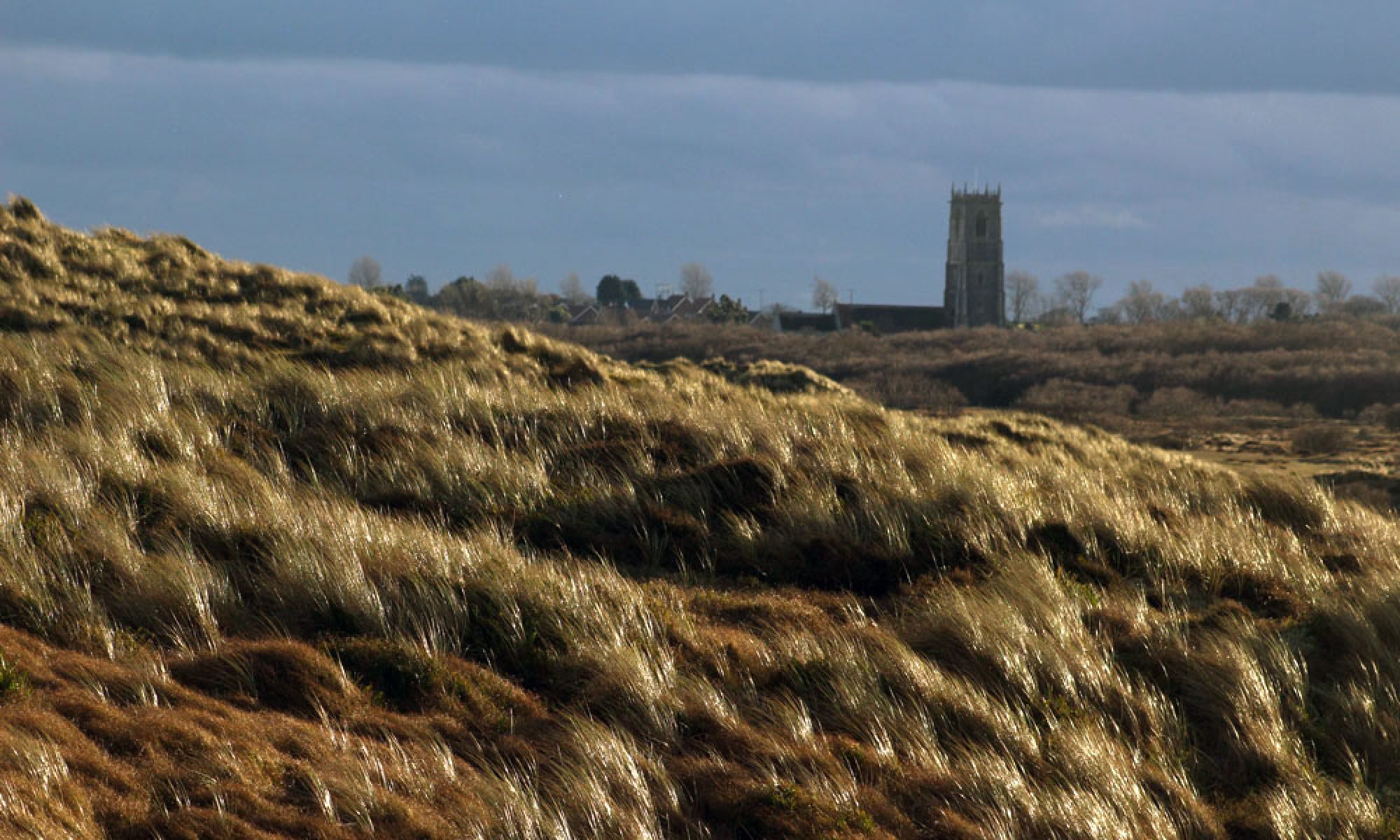
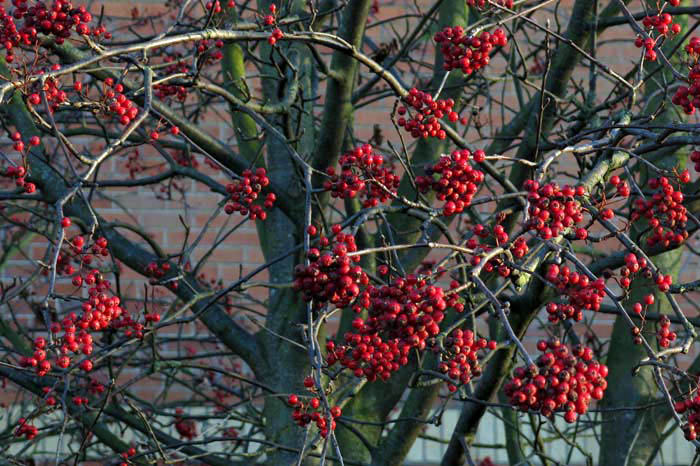
 (This winter’s berries)
The turning of the year. These past few days mark the interregnum that sits uncomfortably between Christmas and New Year – a week of virtual Sundays and a period when some of us – those who are self-employed at least – do not know whether they should be at work or not, whether they should carry on regardless or surrender to the seasonal zeitgeist of calorific leftovers, television repeats and relentless retail opportunity. This is a living limbo marked by the dull ache of too much alcohol and rich food, and too little sunlight: rural Scandinavia in a parallel universe on a bad day, where Disneyesque fibre-optic conifers and tattered tinsel replaces the glittering white rime of pines, chain store neon glare subs for the aurora borealis and the petrochemical chug of cars queuing for city centre parking space drowns the imagined crooning of fur-clad carollers, the glassy tinkle of falling icicles and the satisfying crunch of snow beneath sensible Nordic footwear. We are now so far removed from the traditional Christmas tropes that any sense of irony has long been lost, and the multiple identities – spiritual and otherwise – of the winter soltice are now commonly, if erroneously, perceived as having been replaced by Winterval, a quasi-mythical simulacrum close to the hearts of apoplectic ‘PC-gone-mad’ bashers.
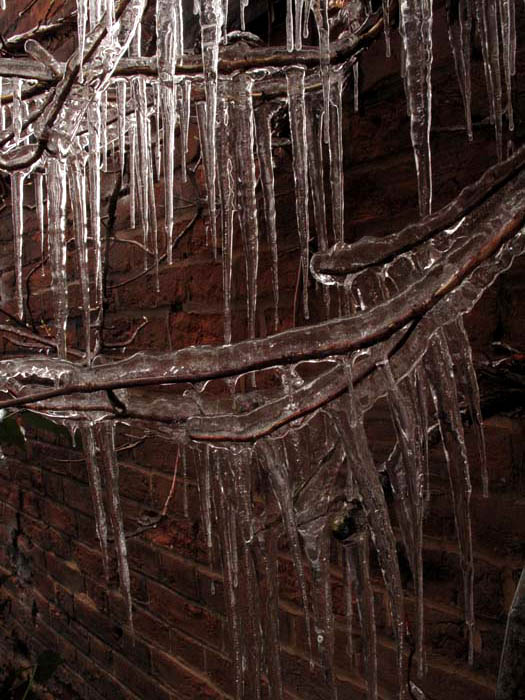
(Last winter’s icicles)
The weather doesn’t help, of course – too mild, too wet, too windy this year. At least some sort of status quo continues in the back yard where non-denominational (or possibly JW) goldfinches arrive in pairs to feast on niger seeds as they do every day, a suitably attired mirror-image illusion of avian dandies on opposite sides of the bird feeder. Meanwhile, out in the dun damp arable fields that surround the city beyond the new-build green belt, fieldfares flock – newly arrived winter visitors from Scandinavia, the real place that is, not the parallel universe version. Elsewhere, the TV flickers like a well-behaved heart monitor as a nation prepares for the ritual liver damage and rictus-grinned high spirits that signify New Year’s Eve. Or, rather, the younger ones do: most older folk ensure they are safely tucked up in bed by the witching hour when a nation stumbles forward, arse over tip, across the calendar date line. The circle is, as they say, unbroken. Happy New Year.





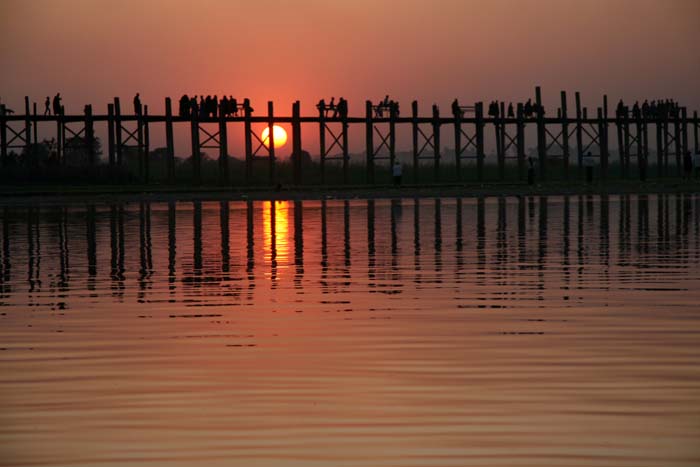

 East of Elveden