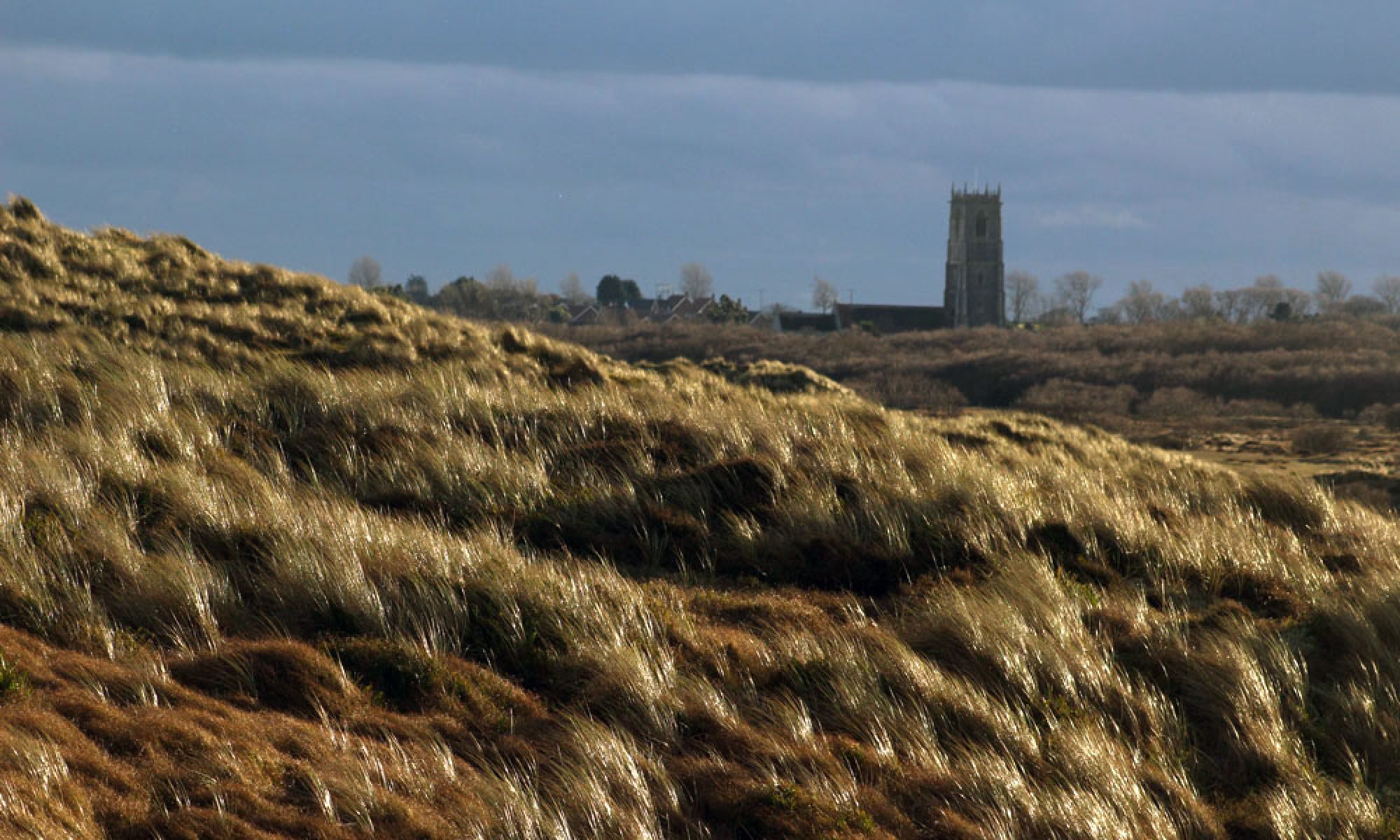
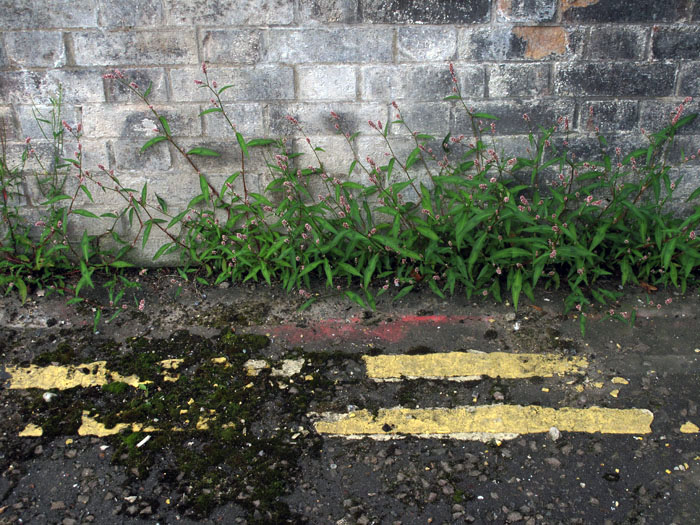
 The German philosopher and literary critic Walter Benjamin referred to the unwitting psychogeographical practices of the urban flâneur as that of ‘botanising the asphalt’: a way of experiencing the city as a repository of collective memory by means of a dérive. For Benjamin, the landscape in question was the Paris of his Arcades Project but what if we took this expression a little more literally and paid closer intention to both botany and tarmac? Do the weeds themselves have no tale to tell? After all, a country road with grass growing in the middle is a common rural trope that speaks of lonely byways and car-shunned back roads. Do the plants that find a foothold in the neglected marginalia of city streets not have as much to tell us as a cacophony of road signs or the ciphers of graffiti?
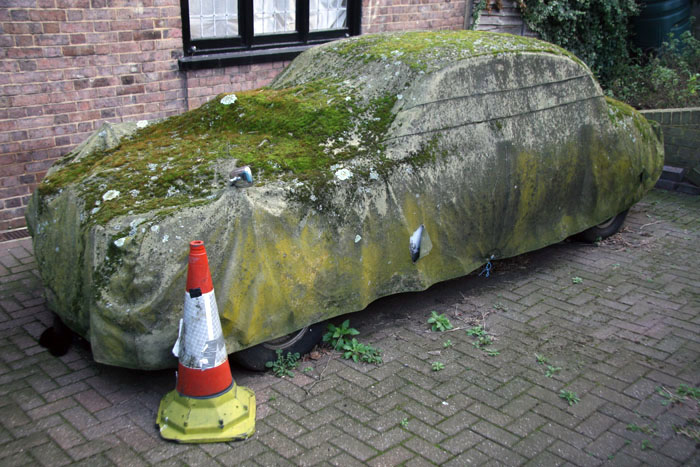
In UK cities, hollyhocks, buddleia, sycamores and ink cap mushrooms all manage to find footholds in the unlikeliest of places, in the latter case even breaking through the asphalt like a Sci-fi horror, as if tarmac and gravel were its life blood. Some weeds – often alien interlopers – flourish best in the improbable niches of foot-worn pavements and industrial brickwork. They remind us with nose-thumbing disdain that we are disposable as a species and in the event of a hastily pressed nuclear button, a manmade climate crisis or inevitable decline brought about by unflinching hubris, it is they that will thrive and not us.
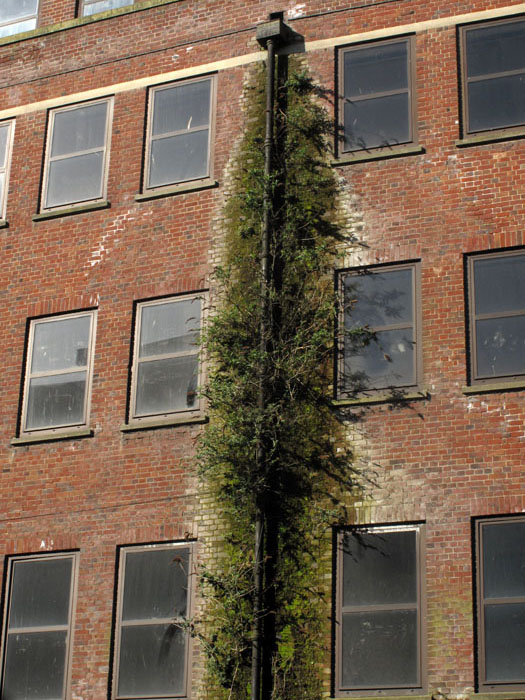
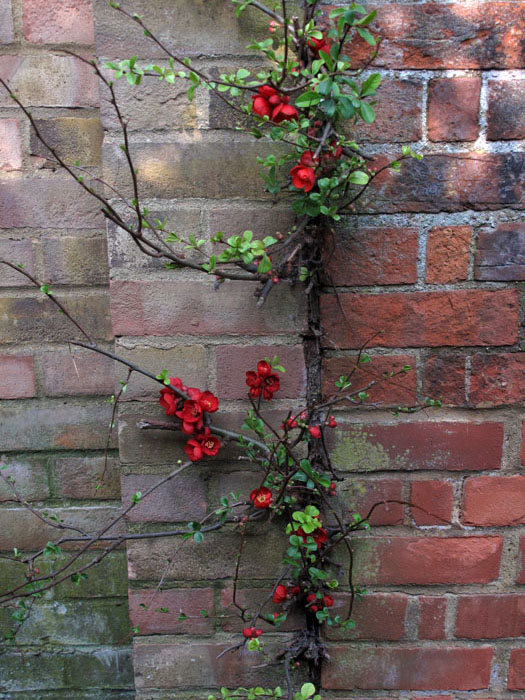
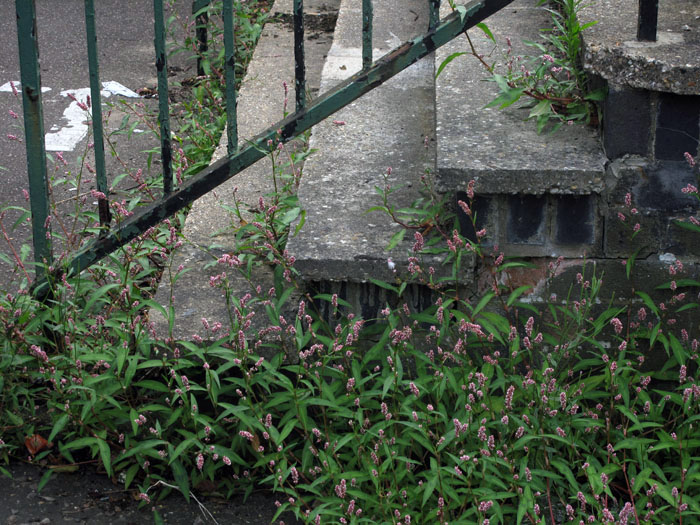
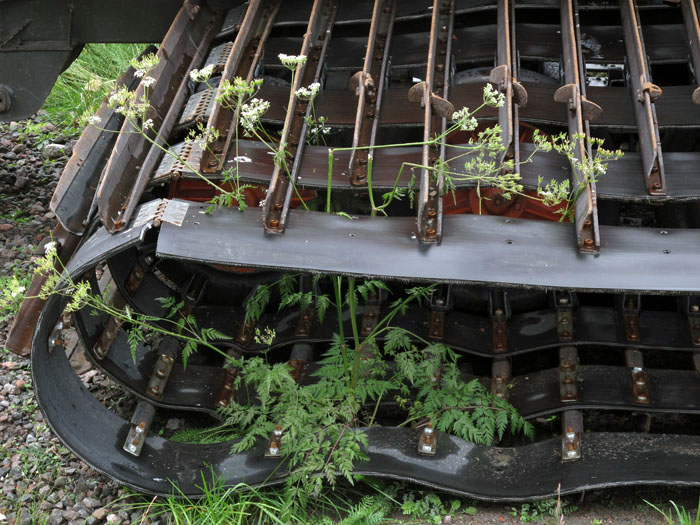 The photos above were taken in Norwich and London, UK and Abisko, Sweden.
 East of Elveden