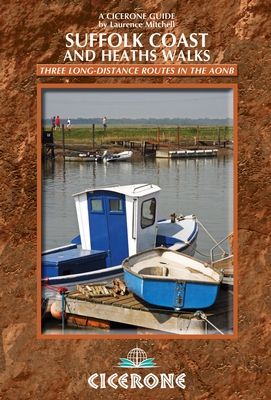
 If I might be allowed a little shameless self-publicity, my new book Suffolk Coast and Heaths Walks: Three Long-distance Routes in the AONB is published today by Cicerone. A bit of a mouthful, I know – let’s just call it ‘Suffolk Coast Walks’ for the sake of brevity.
The book gives a detailed account of all three long-distance trails within the Suffolk Coast and Heaths AONB (Area of Outstanding Natural Beauty). All three routes make for excellent walking, either in their entirety or as selected day stages.
OS map extracts for the various stages are included and the book also has considerable background information outlining the history, geography and wildlife of this attractive region.
It is lavishly illustrated too, with photographs taken by yours truly (the cover shows the River Blyth at Southwold).
For a look inside the book, a sample chapter and downloadable PDF file you can visit the Cicerone website here. It is also on Amazon.co.uk here.
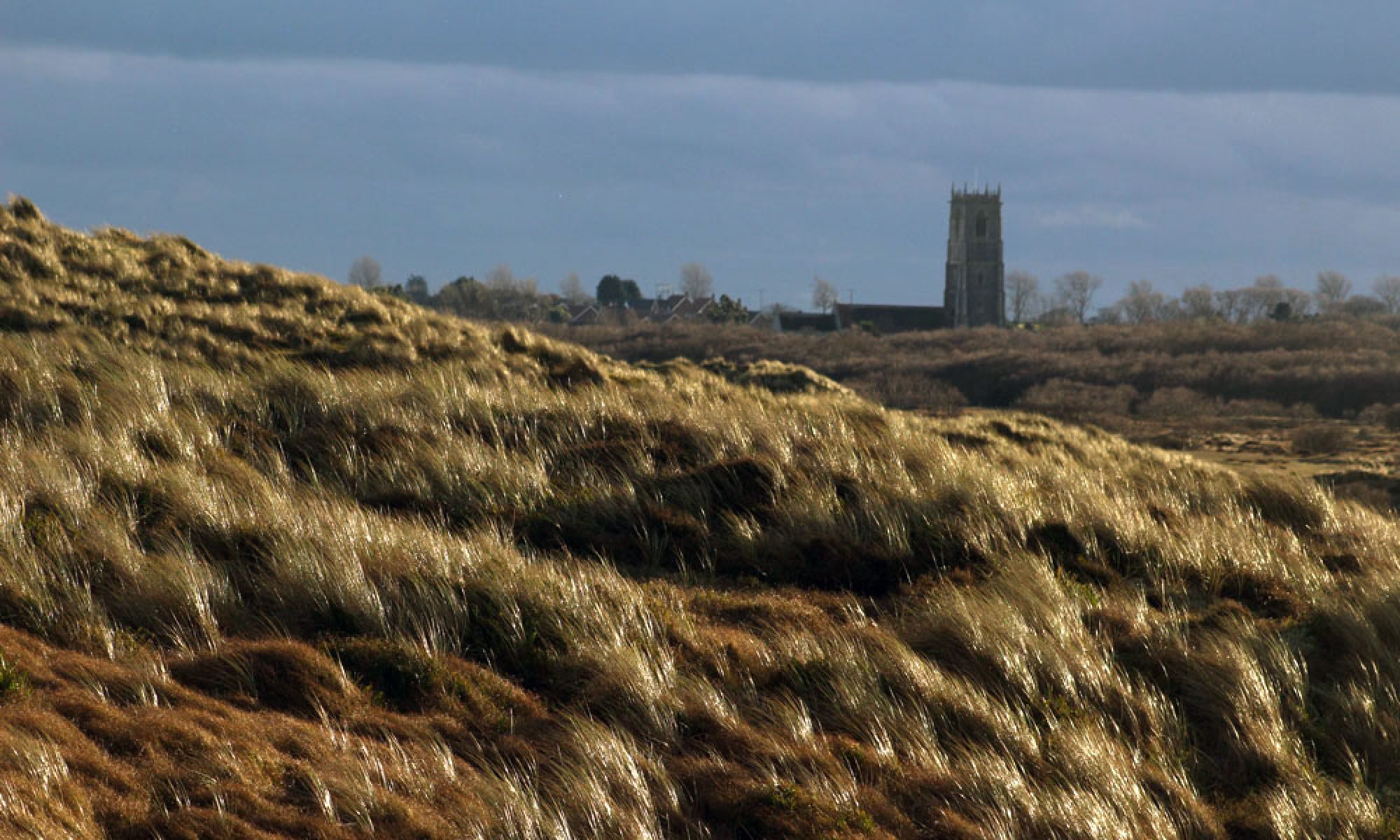
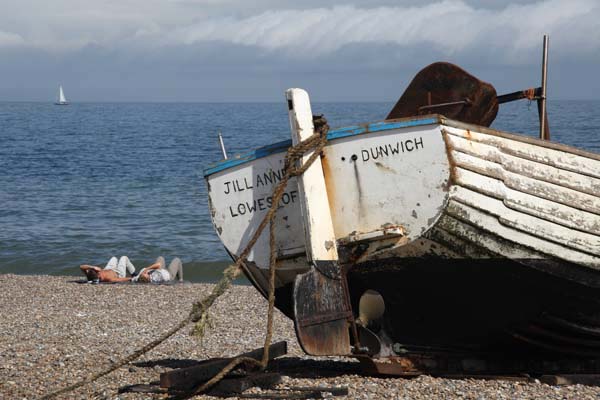
Here’s a brief sample from the introduction and a few images from the book.
Introduction
The sky seems enormous here, especially on a bright early summer’s day, and the sea beyond the shingle almost endless. Apart from the gleeful cries of children playing on the beach, the aural landscape is one of soughing waves and the gentle scrape of stones, a few mewing gulls and the piping of oystercatchers. Less than a mile inland, both scenery and soundscape are markedly different – vast expanses of heather, warbling blackcaps in the bushes, and a skylark clattering on high; the warm air is redolent with the almond scent of yellow gorse that seems to be everywhere. This is the Suffolk coast, and it seems hard to imagine that somewhere quite so tranquil is just a couple of hours’ drive away from London.
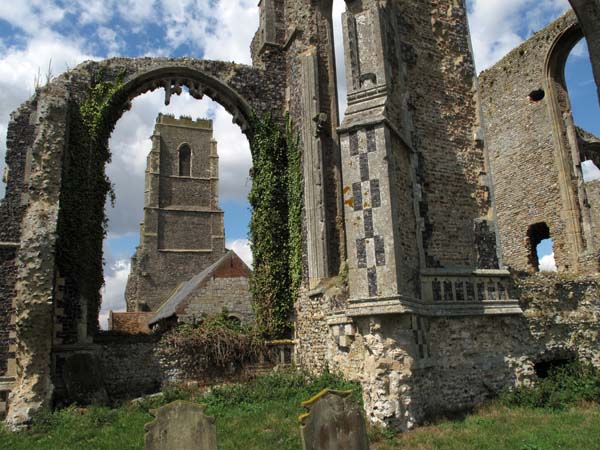 The big skies, clean air and wide open scenery of the Suffolk coast has long attracted visitors – holiday makers certainly, but also writers, artists and musicians. The Suffolk coast’s association with the creative arts is longstanding, and its attraction is immediately obvious – close enough to the urban centres of southern England for a relatively easy commute, yet with sufficient unspoiled backwater charm for creativity to flourish.
It is not hard to see the appeal – east of the A12, the trunk road that more or less carves off this section of the East Anglian coast, there is a distinct impression that many of the excesses of modern life have passed the region by. The small towns and villages that punctuate the coastline and immediate hinterland are by and large quiet, unspoiled places that, while developed as low-key resorts in recent years, still reflect the maritime heritage for which this coast was famous before coastal erosion took its toll.
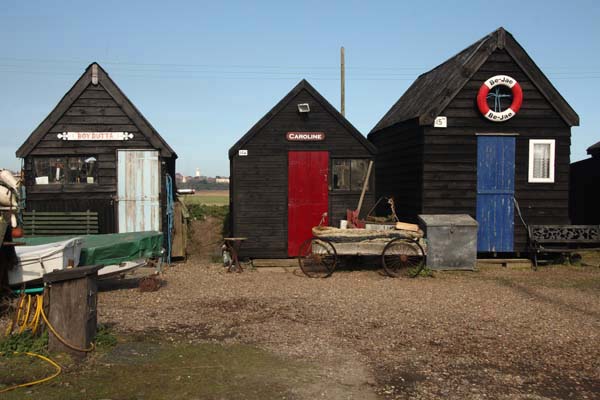 The county of Suffolk lies at the heart of East Anglia, in eastern England, sandwiched between the counties of Norfolk to the north, Essex to the south and Cambridgeshire to the west. The county town is Ipswich, by far the biggest urban centre in the county, while other important centres include Bury St Edmunds to the west and Lowestoft to the north. Much of the county is dominated by agriculture, especially arable farming, but the coastal region featured in this book has a wider diversity of scenery – with reedbeds, heath, saltmarsh, shingle beaches, estuaries and even cliffs all contributing to the variety. There is also woodland, both remnants of ancient deciduous forests and large modern plantations. Such a variety of landscapes means a wealth of wildlife habitat, and so it is little wonder that the area is home to many scarce species of bird, plant and insect.
This region can be broadly divided into three types of landscape – coast, estuary and heathland, or Sandlings as they are locally known – and the three long-distance walks described in this guide are each focused on one of these landscape types. All three have plenty to offer visitors in terms of scenery, wildlife and historic interest, and the footpaths, bridleways and quiet lanes found here make for excellent walking.
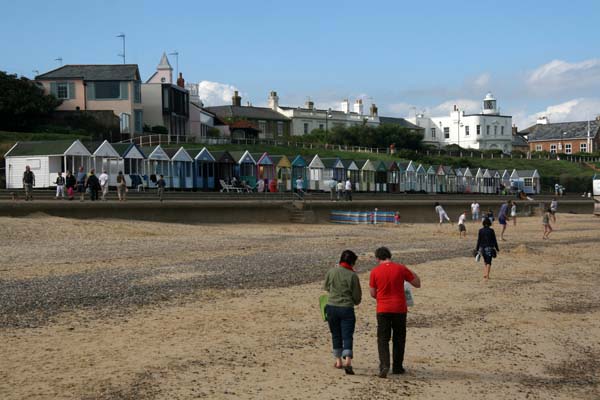 Almost all of the walks featured here fall within the boundaries of the Suffolk Coast and Heaths Area of Outstanding Natural Beauty (AONB), which stretches south from Kessingland in the north of the county to the Stour estuary in the south. The whole area – both coast and heaths – is now one of 47 Areas of Outstanding Natural Beauty in England, Wales and Northern Ireland, having received AONB status in 1970, a designation that recognises, and protects, the area’s unique landscape.
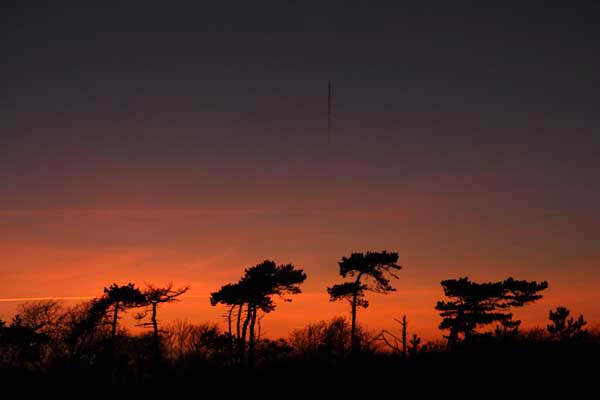
 East of Elveden